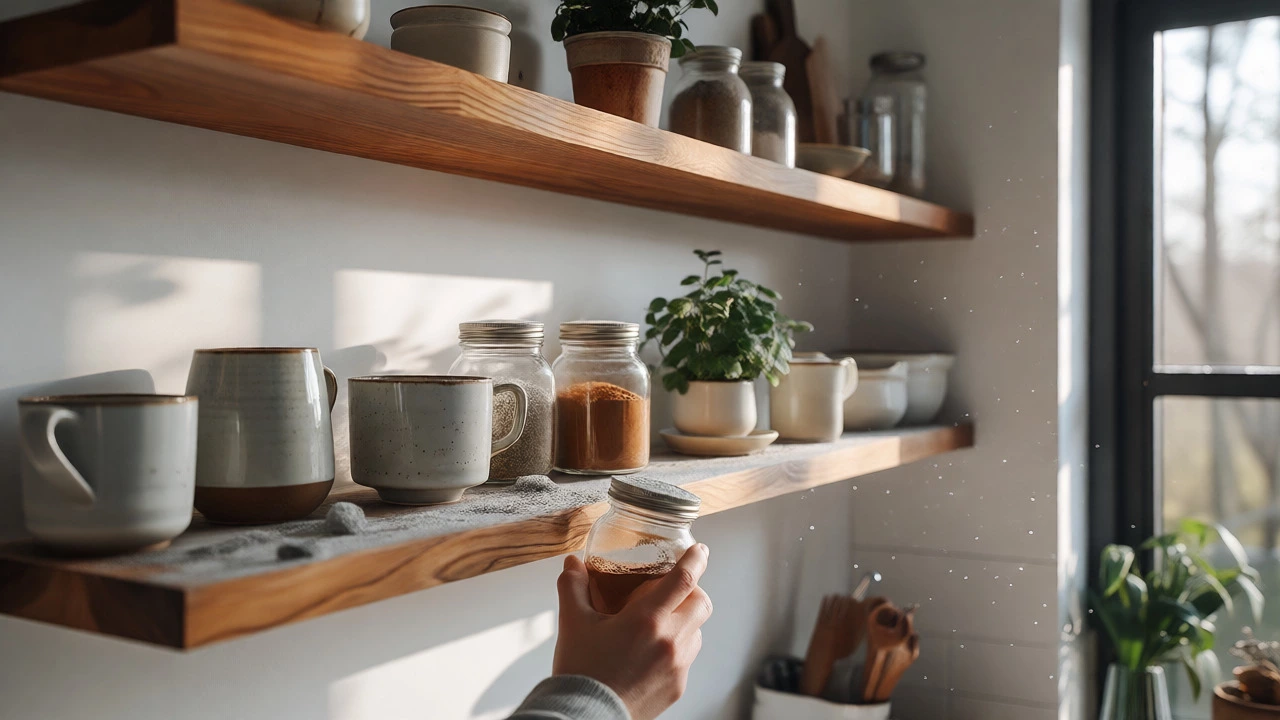
Open Shelf Maintenance Estimator
Use this tool to estimate how much extra time you might spend maintaining open shelves compared to traditional cabinets. Adjust the sliders to reflect your living situation.
Estimated Weekly Cleaning Time
Calculating...Analysis & Recommendations
You see them on every Pinterest board and in every glossy magazine spread: sleek open shelves displaying perfectly arranged ceramics, cookbooks, and plants. They look effortless, airy, and modern. But if you’ve ever actually lived with them, you know the reality is often a bit messier. The question isn’t just about aesthetics; it’s about maintenance, durability, and sanity.
Before you rip out your upper cabinets or install floating boards in your living room, let’s talk about what happens when the cameras turn off. Open shelving sounds like a great idea until you’re scrubbing grease off your favorite mug for the third time this week. Here’s the honest truth about the downsides, so you can decide if they’re worth the hassle.
The Dust Factor Is No Joke
Let’s start with the most obvious pain point: dust. When things are inside a cabinet, they stay clean. When they are exposed to air currents, they collect particles rapidly. In an average UK home, dust settles on surfaces within days. If you live near a road, have pets, or simply enjoy opening windows for fresh air, that accumulation speeds up significantly.
Think about your spice jars or tea boxes. Inside a cupboard, they stay pristine. On an open shelf, they develop a fine layer of grit that you’ll notice every time you reach for cinnamon. This isn’t just annoying; it’s a hygiene concern. You’re essentially eating off plates that have been sitting in the air, catching whatever is floating around. For people with allergies, this constant exposure to allergens like pet dander or pollen can make daily life uncomfortable. You end up spending more time wiping down surfaces than you saved by not having doors to clean.
Visual Clutter and the "Perfect" Problem
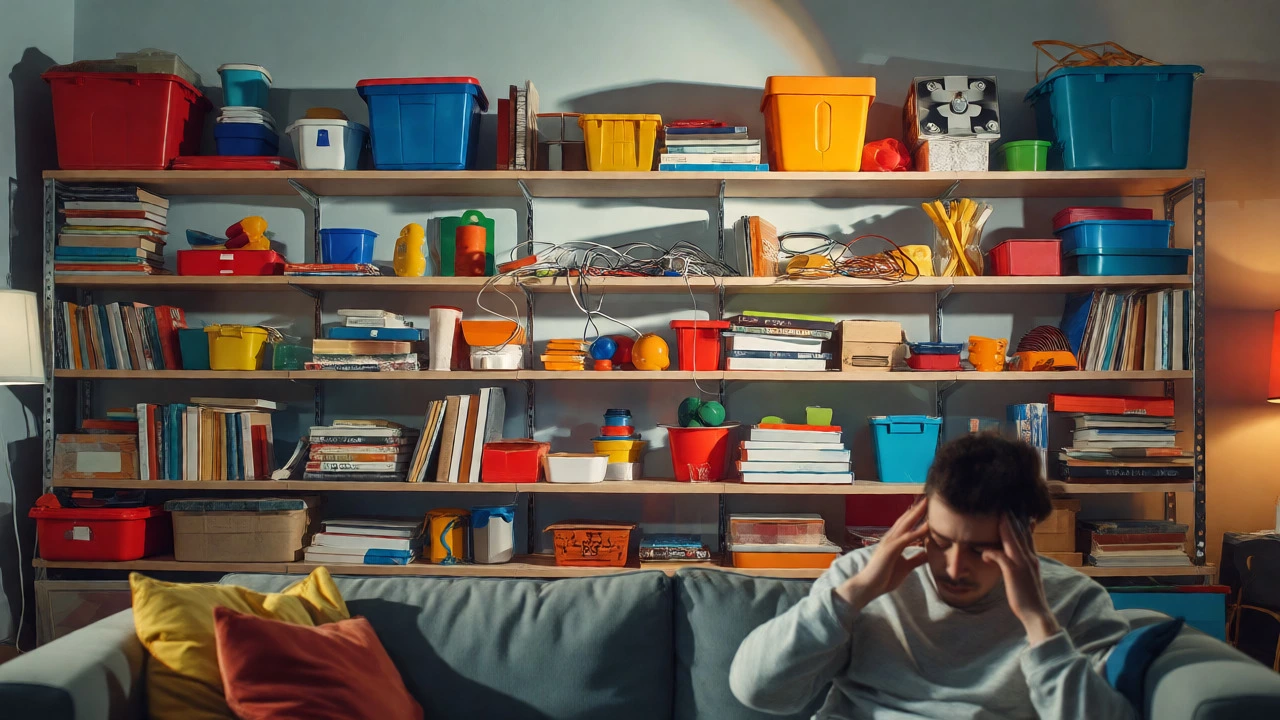
Open shelves demand perfection. There is nowhere to hide. If you leave a stack of mail on the counter, it’s visible. If your mismatched Tupperware containers aren’t neatly stacked, it looks chaotic. This creates a psychological burden known as "visual noise." Your brain processes visual information constantly, and a cluttered shelf adds stress rather than reducing it.
To keep open shelving looking good, you need to curate your items strictly. You can’t just throw things there. You need matching dishes, uniform jars, and consistent colors. If you buy a new blue bowl but all your other bowls are white, suddenly the whole arrangement looks wrong. This forces you into a specific aesthetic box. If you like changing your decor style frequently, open shelves might feel restrictive because swapping out one item requires rethinking the entire display.
| Feature | Closed Cabinets | Open Shelves |
|---|---|---|
| Dust Accumulation | Low (contained) | High (exposed) |
| Cleaning Frequency | Monthly wipe-down | Weekly detailed wipe |
| Visual Impact of Mess | Hidden behind doors | Immediately visible |
| Item Protection | Protected from UV & moisture | Exposed to elements |
| Styling Effort | Low (functional focus) | High (aesthetic focus) |
Grease and Moisture Damage
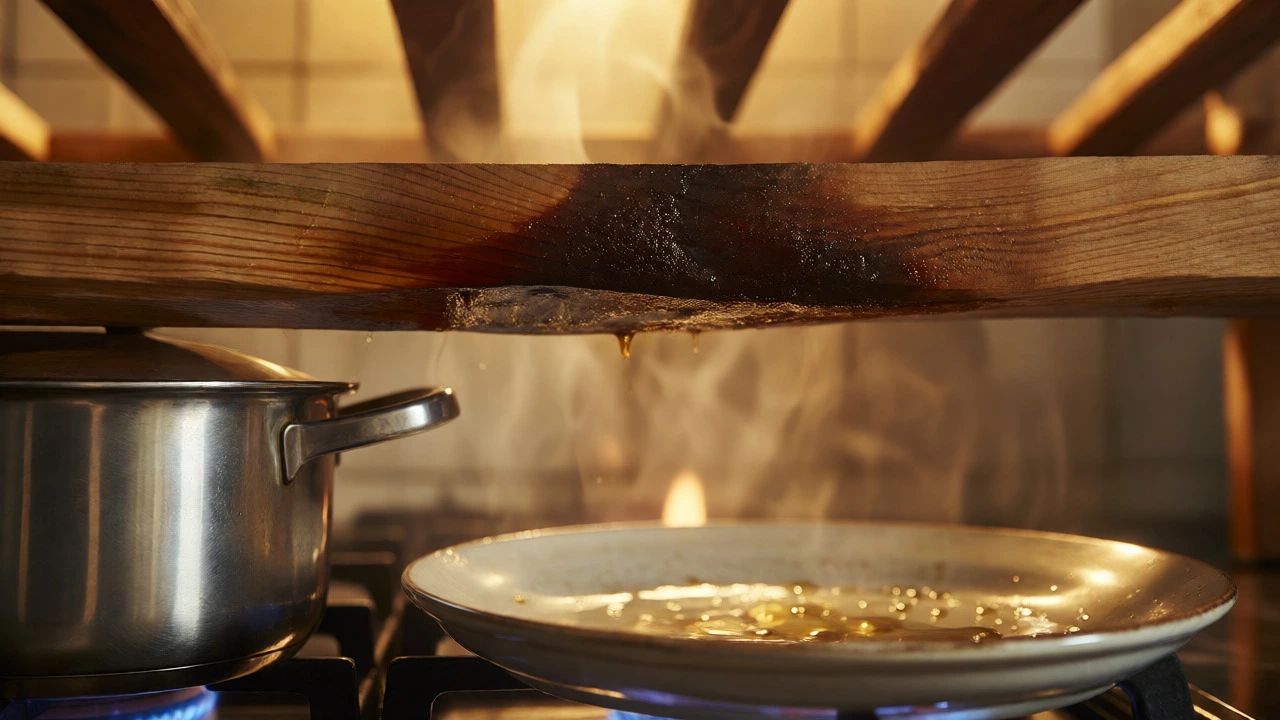
Kitchens are humid, greasy environments. Every time you fry bacon or boil pasta, steam and oil droplets fill the air. With closed cabinets, these particles settle on the outside of the unit, which is easy to wipe. With open shelves, they settle directly onto your belongings.
Over time, this sticky residue attracts more dirt, turning your beautiful wooden shelves into grimy traps. It also damages certain materials. Wood warps and stains when exposed to constant humidity without protection. Metal items may rust faster if they aren’t properly sealed. Even plastic containers can become yellowed or sticky. If you cook heavily-especially frying or grilling-open shelving requires rigorous cleaning protocols to prevent buildup that can attract pests like ants or silverfish.
Limited Storage Capacity and Weight Issues
Shelves don’t stretch. Unlike deep cabinets where you can stack pots vertically or store bulky appliances, open shelves have strict limits. Most standard floating shelves support between 10kg and 20kg, depending on the bracket quality and wall type. If you try to overload them with heavy cast-iron pans or stacks of hardcover books, you risk sagging or even collapse.
This limitation forces you to be ruthless about what you keep. You can’t hide the extra baking tray or the seasonal decorations. Everything needs to be used regularly or displayed intentionally. This reduces overall storage volume. Many homeowners find themselves needing additional storage solutions, like freestanding units or pantry closets, to compensate for the lost cabinet space. This defeats the purpose of maximizing small spaces.
Safety Concerns for Families and Pets
If you have young children or curious cats, open shelves present unique hazards. Toddlers love to pull on things. A dangling tablecloth or a precarious vase becomes a toy. Without doors, sharp edges and breakable items are within easy reach. Glassware falls easily, creating dangerous shards.
Pets face similar risks. Cats will jump on shelves, knocking over items or damaging the structure itself. Dogs might bump into lower shelves while playing. Securing items becomes a chore. You might need to use museum putty or anti-slip mats, which add another layer of maintenance. For families, the freedom of open access is often outweighed by the constant vigilance required to keep everyone safe.
The Illusion of Space
Proponents argue that open shelves make rooms feel larger by allowing light to pass through. While true in theory, in practice, they can sometimes make a room feel smaller if not styled correctly. Visual clutter blocks sightlines. If shelves are packed tightly, the eye stops moving, making the space feel cramped and busy.
Furthermore, open shelves require good lighting. Shadows cast by items on higher shelves can darken lower areas, creating uneven illumination. You might need to install under-shelf lighting to compensate, adding electrical costs and installation complexity. Poorly lit shelves highlight dust and imperfections, undermining the airy effect you were aiming for.
Cost and Installation Complexities
Don’t assume open shelving is cheaper. High-quality solid wood shelves, sturdy brackets, and professional installation can cost more than standard particleboard cabinets. Custom-fitted shelves require precise measurements and leveling. If your walls are plaster or brick, finding studs or using appropriate anchors adds labor time.
Also, consider the resale value. Some buyers prefer traditional cabinets for their practicality. If you’re renovating to sell, highly personalized open shelving might not appeal to everyone. It’s a niche preference that could limit your buyer pool unless balanced with neutral styling.
How to Mitigate the Downsides
Does this mean you should avoid open shelves entirely? Not necessarily. You can mitigate many issues with smart planning:
- Mix and Match: Use open shelves only for frequently used items or decorative pieces. Keep the rest in closed cabinets below.
- Use Baskets: Place woven baskets or bins on shelves to hide clutter while keeping the open look.
- Choose Durable Materials: Opt for metal or treated wood that resists grease and moisture better than raw timber.
- Regular Cleaning Routine: Commit to a weekly wipe-down. Make it part of your routine so it doesn’t pile up.
- Strategic Placement: Avoid placing open shelves directly above stovetops or sinks where splatter is highest.
Open shelving is a commitment, not just a design choice. It trades convenience for aesthetics. If you value low maintenance and hidden storage, stick with cabinets. If you enjoy curating displays and don’t mind the cleaning, go for it. Just go in with your eyes open.
Are open shelves harder to clean than cabinets?
Yes, significantly. Items on open shelves accumulate dust, grease, and airborne particles quickly. You typically need to wipe them down weekly, whereas cabinet interiors only need cleaning once or twice a year. Additionally, you must remove items to clean the shelf surface itself, adding time to the task.
Do open shelves reduce home value?
Not necessarily, but they can affect buyer perception. Some buyers view them as stylish and modern, while others see them as high-maintenance. To maintain value, ensure the shelves are well-built, securely installed, and styled neutrally. Mixing open and closed storage often appeals to the widest range of potential buyers.
What is the best material for open kitchen shelves?
Hardwoods like oak or maple are durable but require sealing against moisture. Bamboo is resistant to water and bacteria. Metal shelves are tough and easy to wipe but can dent. Glass offers a sleek look but shows fingerprints and breaks easily. For kitchens, treated wood or metal with a matte finish usually balances durability and ease of cleaning best.
How do I stop dust building up on open shelves?
You can’t stop it completely, but you can slow it down. Keep windows closed during high-pollen seasons or windy days. Use air purifiers to reduce airborne particles. Regularly vacuum the area around the shelves. Using closed storage for less-used items also reduces the total surface area exposed to dust.
Can open shelves hold heavy pots and pans?
It depends on the bracket and wall structure. Standard floating shelves may sag under heavy weight. For pots and pans, use robust L-brackets anchored into studs or masonry. Alternatively, use hanging rails instead of shelves for heavy items. Always check the manufacturer’s weight rating before loading shelves.