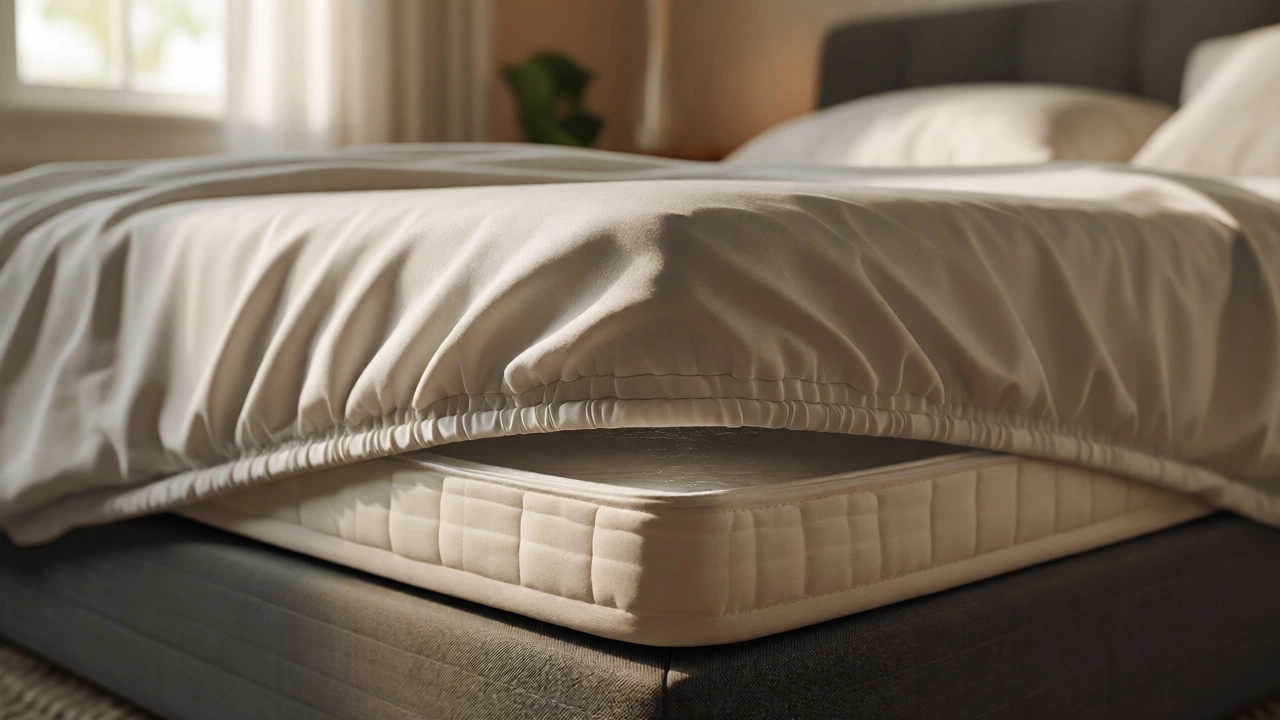
What Does XL Mean in Bedding? A Practical Guide to Sizes
Confused by XL bedding sizes? Learn the difference between US and UK standards, how to measure your mattress, and why fitted sheet depth matters for tall sleepers.
When you think of bedding, the complete set of items used to make a bed comfortable and functional. Also known as bed linen, it includes everything from sheets and pillowcases to duvets and mattress protectors. It’s not just about looking neat—it’s about how well you sleep. Most people buy a sheet set and call it done, but real comfort comes from understanding what each piece does and how they work together.
Bedding isn’t one-size-fits-all. The bedding sizes, standard dimensions designed to fit specific mattress types like twin, full, queen, and king matter more than you think. A queen sheet on a king bed won’t just look sloppy—it’ll slip off every night. Then there’s bedding materials, the fabrics used in sheets, duvets, and pillowcases that affect breathability, warmth, and durability. Cotton is popular for a reason—it’s soft, breathable, and lasts. But if you run hot, maybe try linen. If you want extra warmth without bulk, think flannel or bamboo blends. And don’t forget the bedding components, the individual pieces that make up a full bedding set, like top sheets, fitted sheets, pillowcases, duvet covers, and mattress pads. Some people skip the top sheet entirely—especially in Europe—because their duvet does the job. Others swear by layers. There’s no single right way, but knowing what each part does helps you build a setup that actually works for your body and your climate.
What you choose affects how you wake up. Too hot? Maybe your cotton is too heavy. Too cold? Your duvet might need a higher fill power. Allergies? Look for hypoallergenic fabrics and washable covers. You don’t need to buy the most expensive set—just the right one. The posts below break down everything from why Europeans skip the top sheet to what Class B bedding really means, how to pick the right size for your mattress, and which materials hold up after dozens of washes. No fluff. Just clear, practical info to help you sleep better tonight.
Confused by XL bedding sizes? Learn the difference between US and UK standards, how to measure your mattress, and why fitted sheet depth matters for tall sleepers.

Discover what bedding someone means, its medieval roots, and how this wedding tradition survives today. Learn modern alternatives and regional differences.

Confused about bedding vs. linens? Learn the real difference between these terms, what each includes, and how to care for them properly.
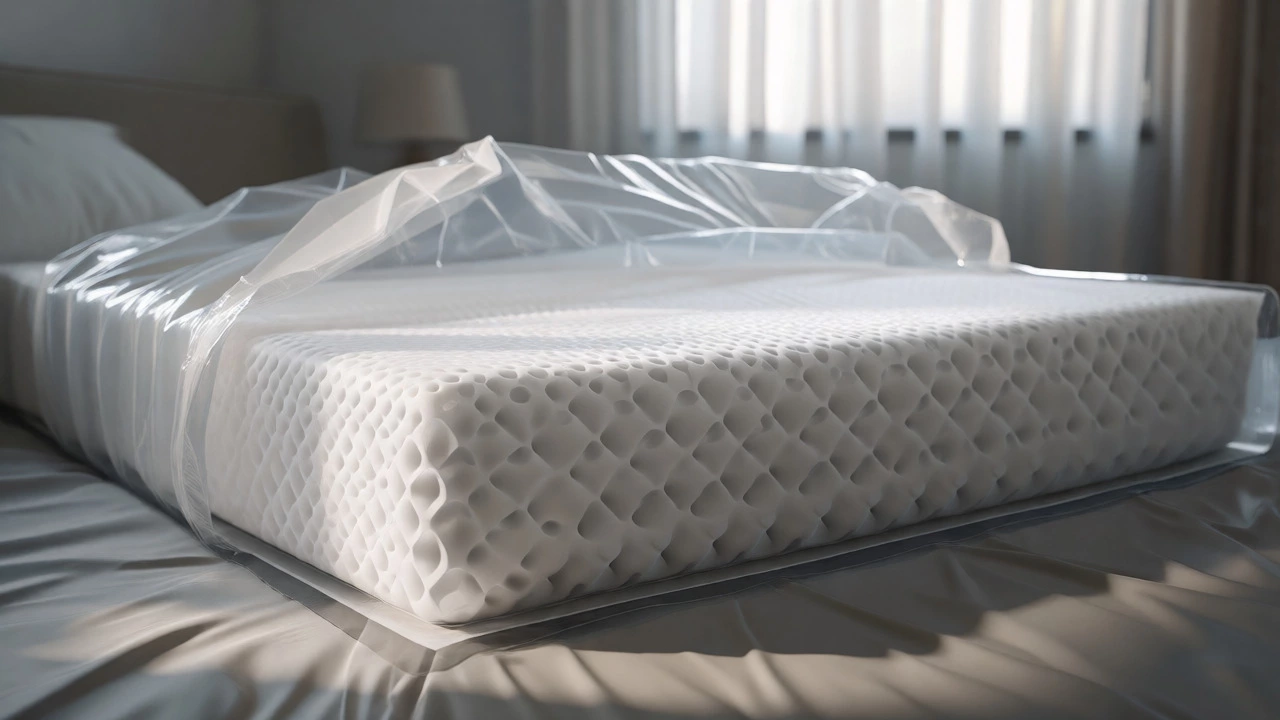
Discover what the bedding period is and why new mattresses feel different at first. Learn how long break-in lasts for foam, latex, and springs, plus tips to speed it up.

Medicare rarely covers Sleep Number beds. Learn why mattresses are excluded, when adjustable bases might be covered under DME rules, and alternative payment options like HSAs.
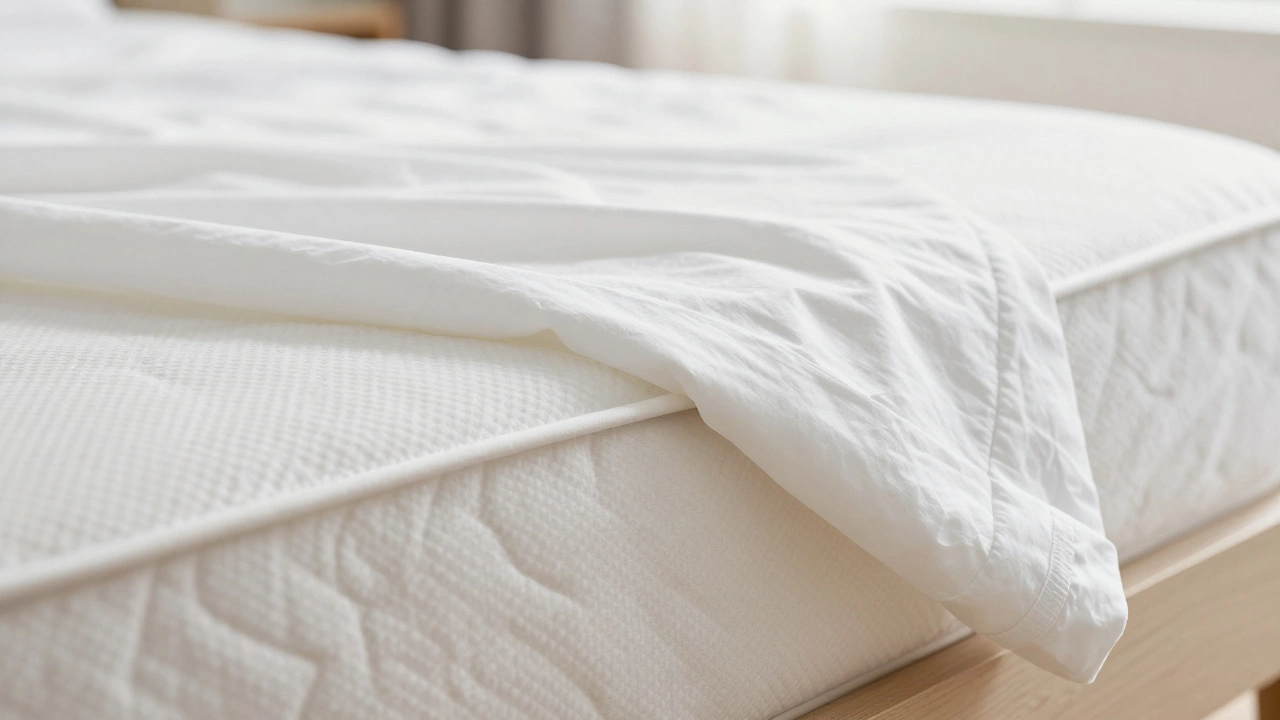
Confused by sheets, duvets, and comforters? Learn exactly what bedding is, how to layer it for maximum comfort, and how to choose the best fabrics for your sleep style.

Learn the true meaning of "bedding" in slang, its origin in hip‑hop, regional differences, and how to use it correctly in everyday conversation.
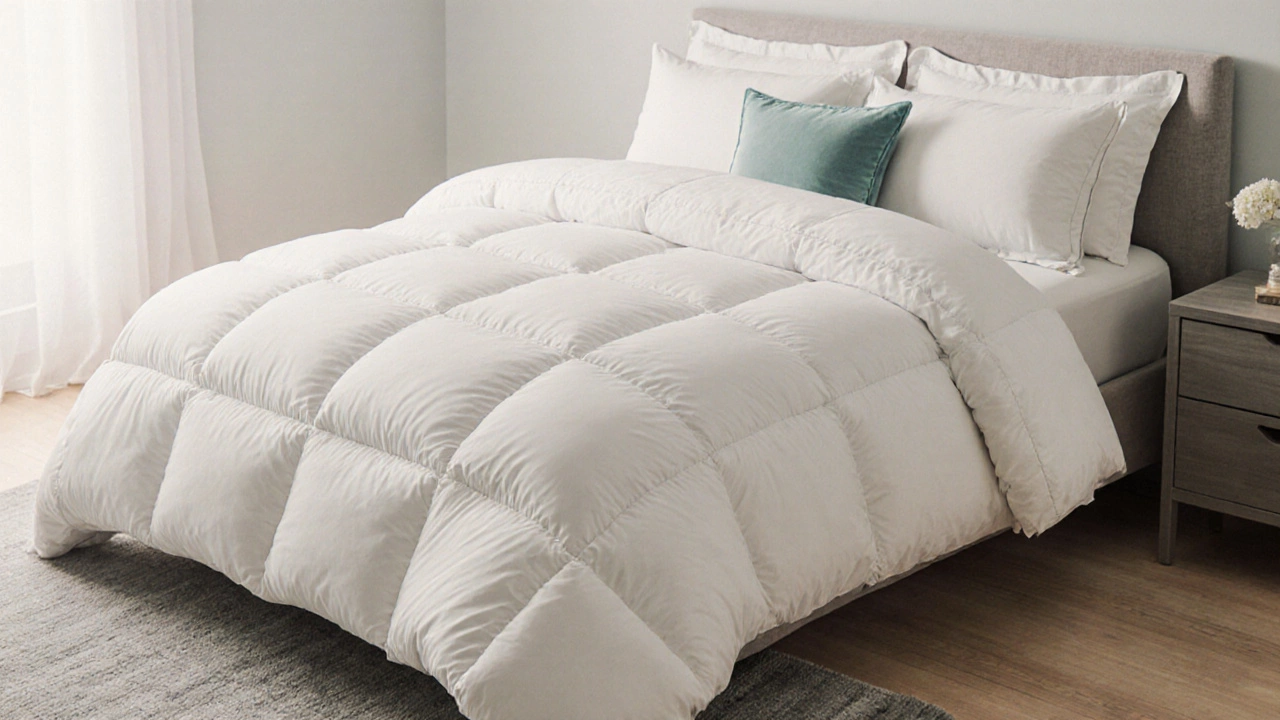
Learn the exact meaning of bedding, its grammar rules, common collocations, and real‑world examples. Follow a clear checklist and FAQ to use the word correctly in any context.

Explore why most Europeans skip the top sheet, covering climate, duvet culture, hygiene, and how to decide the best bedding setup for your sleep.

Learn what items make up bedding, explore common fabrics, pick the right pieces for your sleep style, and master care tips for lasting comfort.

Explore all the synonyms for bedding, from linens and bedclothes to duvets and sheets. Get tips, facts, and a deep dive into what really counts as bedding.

Get to know exactly what counts as bedding, how it's classified, and tips for choosing the right bedding sets. Discover types, materials, and care tips.