Formal Cutlery Placement Simulator
Choose a course to build your place setting. The simulator shows which utensils appear for that course and where each one goes on the table.
You’re hosting a dinner party, or maybe you just want to sound a bit more polished when describing your kitchen. You reach for the utensil in your hand and think, “I need a fancy word for fork.” It’s a common moment of linguistic hesitation. We use these tools every day, yet we rarely pause to consider their formal names or the specific distinctions between them. Knowing the right terms isn’t just about showing off; it helps you shop for the right items, set a table correctly, and understand what chefs and sommeliers are actually talking about.
The Core Terms: Beyond 'Fork' and 'Spoon'
First, let’s clear up the biggest misconception. There is no single "fancy" word that replaces both fork and spoon simultaneously. They are distinct entities with distinct histories. However, they share a collective umbrella term. When referring to the group of eating implements, the correct formal term is Cutlery or the collective term for knives, forks, and spoons used at the table. In British English, which is standard in Oxford where I live, we often say "cutlery." In American English, you might hear "silverware," though this is technically incorrect unless the items are made of sterling silver. Most modern sets are stainless steel, so "stainless flatware" is the accurate commercial term.
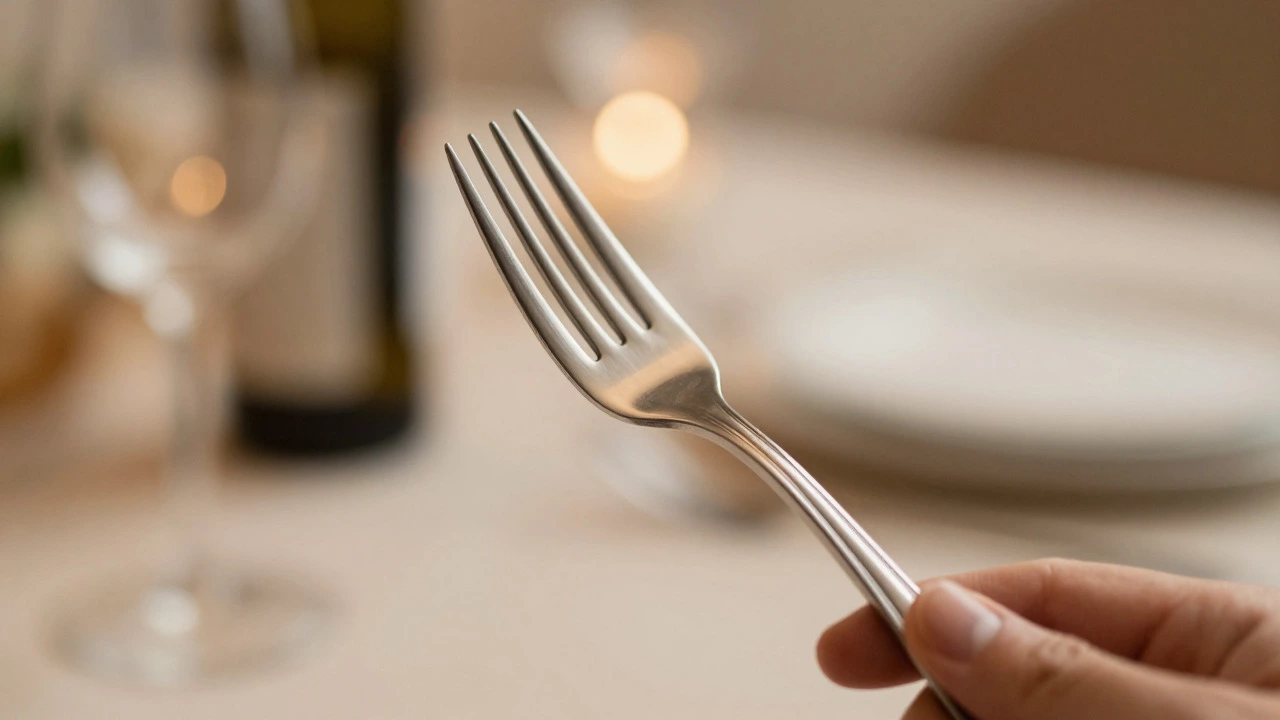
Now, let’s break down the individual pieces. A fork is simply a fork. But there are types. The most common dining fork has four tines (points). If you see a fork with three tines, it’s likely a fish fork or an older style. A spoon is also just a spoon, but its shape dictates its name. A standard soup spoon has a deep bowl. A dessert spoon is smaller and shallower. A tea spoon is even smaller. So, if you are looking for a "fancy" word, you are usually looking for the specific type, not a synonym for the generic tool.
Specific Types: Matching the Utensil to the Course
In formal dining, the order of service dictates which cutlery appears on the plate. This is where the vocabulary gets precise. Understanding these specific names helps you avoid ordering the wrong place settings for a wedding or state dinner.
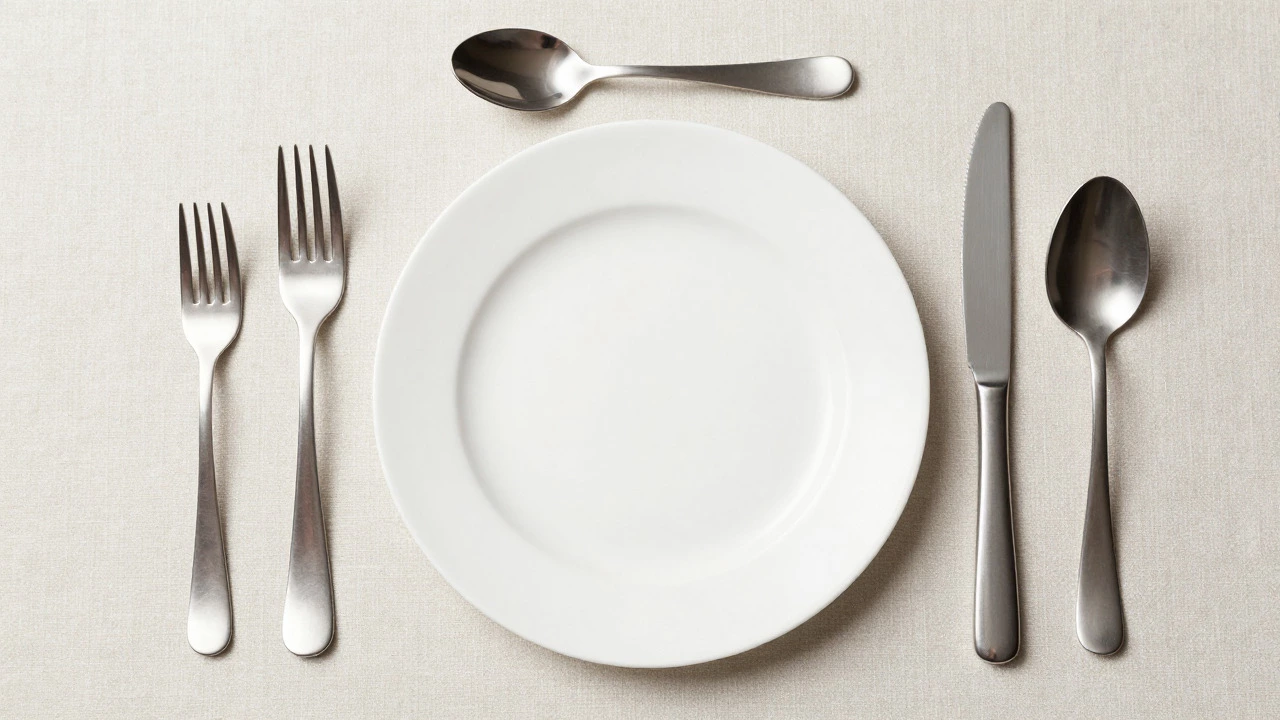
- Dinner Fork: The largest fork, placed to the left of the plate. It has four tines and is used for the main course.
- Salad Fork: Slightly smaller than the dinner fork, placed to the far left. It is used for appetizers.
- Fish Fork: Often has two outer tines bent inward to help hold fish fillets. It may have only three or four tines total.
- Dinner Knife: Placed to the right of the plate. It has a serrated edge for cutting meat and a rounded tip (not pointed) for safety.
- Steak Knife: A sharper, often disposable knife used specifically for red meats. It has a pointed tip.
- Tea Spoon: The smallest spoon, placed above the knives. Used for coffee, tea, and condiments.
- Soup Spoon: Larger and deeper than a tea spoon, used for soups and broths.
- Dessert Spoon: Smaller than a soup spoon but larger than a tea spoon, placed horizontally above the plate. Used for pudding, ice cream, or cake.
Notice how the size and shape change based on function. A soup spoon needs depth to prevent splashing. A dessert spoon needs a shallow bowl to scoop soft foods without breaking them. These aren't just aesthetic choices; they are functional engineering decisions made over centuries of culinary evolution.
Historical Context: Where Do These Names Come From?
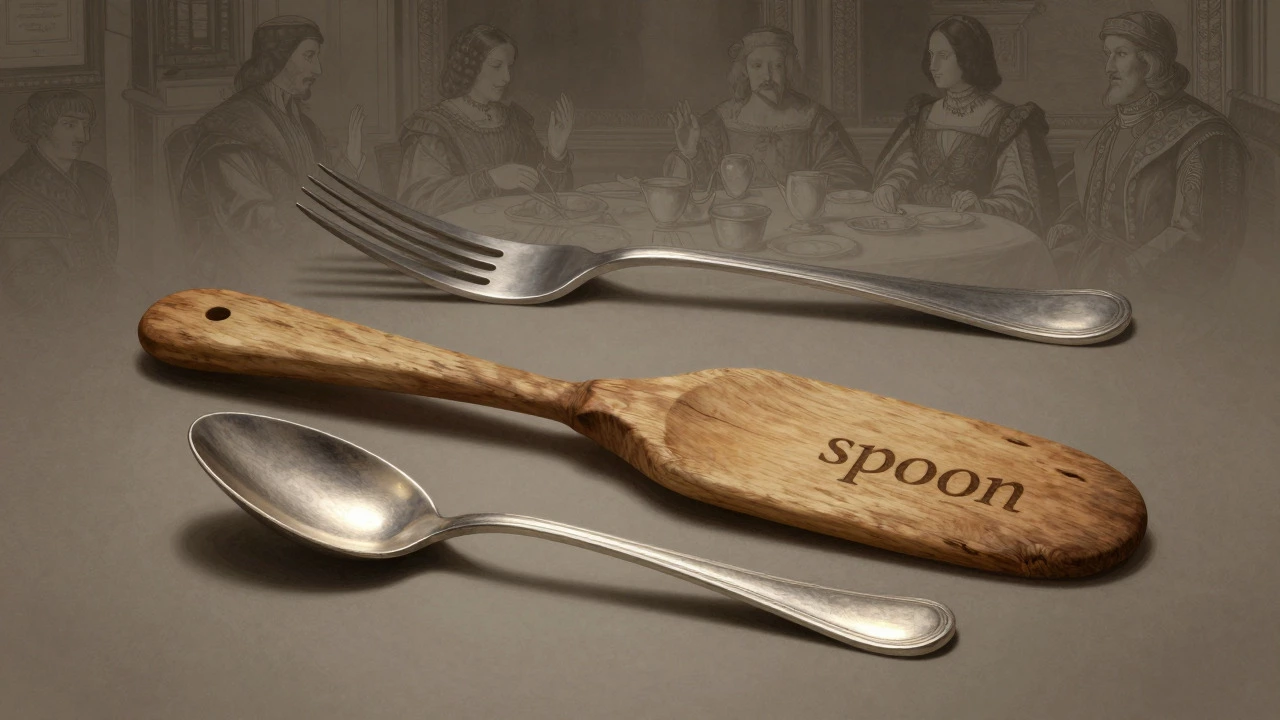
The word "fork" comes from the Old French fourche, meaning "branch" or "prong." It wasn’t always a standard table item. For most of history, people ate with their hands, bread, or simple wooden sticks. The fork became popular in Europe during the Renaissance, particularly after Catherine de’ Medici brought Italian dining customs to France in the 16th century. Before that, using a fork was considered overly delicate or even feminine by some male diners.
The word "spoon" derives from the Old English sponne, related to the Germanic root for "wooden paddle." Spoons were among the first standardized metal utensils because casting a bowl shape was easier than forging tines. Sterling silver spoons were status symbols as early as the 14th century. The shift from wood to metal marked a significant step in hygiene and social signaling.
This historical context matters because it explains why we have so many specific types. As meals became more complex-moving from one-pot stews to multi-course feasts-each course required a specialized tool. The cutlery set evolved to match the complexity of the menu.
Common Confusions and Misconceptions
Even experienced hosts mix up terms. Here are the most frequent errors I see in my own kitchen and those of friends in Oxford.
- Calling all cutlery "Silverware": Unless it’s sterling, it’s not silver. Use "flatware" or "cutlery."
- Mixing up Dessert and Tea Spoons: The dessert spoon is larger. If you’re serving a rich custard, you need the bigger bowl. If you’re stirring sugar into tea, you need the small one.
- Using a Dinner Knife for Steak: A dinner knife is too dull for tough cuts. A steak knife has a sharper edge and a point to pierce the meat.
- Ignoring the Fish Fork: If you’re serving whole fish or delicate fillets, a fish fork prevents tearing. It’s a subtle detail that shows attention to detail.
These mistakes don’t ruin a meal, but they can make a host look uninformed in high-stakes settings. Learning the correct terms is like learning the rules of a game-it makes participation smoother and more enjoyable for everyone involved.
How to Choose the Right Cutlery Set
If you’re buying new cutlery, knowing the terminology helps you navigate the overwhelming variety of options. Look for sets labeled by piece count. A basic set might have 20 pieces (for two people), while a full formal set can have 72 or more pieces (for six people).
| Item | Typical Length | Primary Use | Placement on Table |
|---|---|---|---|
| Dinner Fork | 7-8 inches | Main Course | Left of Plate |
| Salad Fork | 6-7 inches | Appetizer/Salad | Far Left |
| Dinner Knife | 8-9 inches | Main Course | Right of Plate |
| Tea Spoon | 5-6 inches | Beverages/Condiments | Above Knives |
| Soup Spoon | 6-7 inches | Soups/Broths | Right of Dinner Knife |
| Dessert Spoon | 5-6 inches | Desserts | Horizontally Above Plate |
When shopping, check the material. Stainless steel is durable and affordable. Sterling silver is beautiful but requires polishing and is expensive. Plastic is fine for casual family dinners but lacks the heft and balance of metal. Balance is key-a well-made fork feels light in the hand but sturdy enough to pierce food without bending.
Etiquette Tips for Using Formal Cutlery
Knowing the names is half the battle; using them correctly is the other. In formal dining, you work from the outside in. Start with the outermost fork and knife for the first course. Move inward as courses progress. The soup spoon goes on the far right. The dessert spoon and fork are already on the plate or placed above it, ready for the final course.
Hold the fork in your left hand and the knife in your right (European style), or switch the fork to your right hand after cutting (American style). Both are acceptable, but consistency is important. Don’t stab food; spear it gently. And remember, the knife blade should face inward toward the plate, not outward toward your neighbor.
These small details create a sense of order and respect for the meal. They signal that you value the effort put into preparing the food. It’s not about being stiff; it’s about being mindful.
FAQs About Cutlery Terminology
What is the collective term for forks, spoons, and knives?
The collective term is "cutlery" in British English and "flatware" in American English. "Silverware" is a colloquial term that implies the items are made of silver, which is rare in modern households.
Is there a fancy word for a spoon?
There isn’t a single universal "fancy" synonym for spoon. Instead, use the specific type: "soup spoon," "dessert spoon," or "tea spoon." In very formal contexts, you might refer to "eating implements" or "tableware," but these are broader terms.
What is the difference between a dinner fork and a salad fork?
A dinner fork is larger (usually 7-8 inches) and used for the main course. A salad fork is slightly smaller (6-7 inches) and used for appetizers or salads. The dinner fork has stronger tines designed to pierce tougher foods.
Why do fish forks have bent tines?
Fish forks often have two outer tines bent inward. This design helps hold delicate fish fillets together while you eat, preventing them from falling apart. It’s a functional adaptation to the texture of the food.
How do I know which spoon to use for soup?
Use a soup spoon, which is larger and deeper than a tea spoon. It is placed on the far right of your setting. The deep bowl allows you to scoop liquid without spilling, and the curved back helps you drink directly from the spoon if desired.