
Self-Storage Cost-Benefit Calculator
Enter your housing and storage details below to see if the "phantom rent" of your home makes storing items off-site a smarter financial move.
Your Housing Situation
Storage Unit Details
Cost Breakdown
- Home Cost / sq ft: £0.00
- Storage Cost / sq ft: £0.00
- Total Monthly Storage Cost: £0.00
- "Phantom Rent" Paid: £0.00
Monthly Difference (Savings/Loss)
£0
Verdict
You are staring at a pile of boxes in your hallway. The lease is up in three weeks, you have nowhere to put the seasonal gear, and the thought of throwing away that vintage record collection makes your chest tighten. So, you open a tab and search for self-storage. But before you sign that contract, pause. Is renting a metal box really worth the monthly bleed on your bank account, or are you just paying for the inability to make hard decisions?
The answer isn't a simple yes or no. It depends entirely on what you’re storing, how long you’ll need it, and whether the cost of the unit outweighs the value of the items inside. Let’s break down the math, the hidden traps, and the scenarios where renting space actually saves you money.
The Hidden Costs of Storing Your Stuff
Most people look at the advertised rate-say, £50 a month for a small unit-and think that’s manageable. But that number is rarely the whole story. When I helped my neighbour move last year, we realized his "cheap" unit was costing him nearly double due to overlooked fees.
First, there’s insurance. Most facilities require you to prove coverage. If your homeowner’s policy doesn’t extend to off-site storage (and many don’t), you’ll pay an extra £10-£15 a month for facility-provided insurance. Then there’s the climate control premium. In Oxford, dampness is a real enemy. Storing cardboard boxes or wooden furniture in a non-climate-controlled unit can lead to mould within six months. Climate-controlled units often cost 30-50% more than standard ones. Add in administrative fees for setting up the account, potential late fees if your direct debit fails, and the fuel cost of driving back and forth to retrieve items. Suddenly, that £50 unit is closer to £75-£80 per month.
When Storage Makes Financial Sense
So, when does it actually work out? There are three specific scenarios where the ROI is positive.
- Short-term transitional gaps: If you are between leases for less than two months, storage is usually cheaper than hiring professional movers twice. Moving companies charge by volume and distance. Paying for one move plus two months of storage is almost always less expensive than paying for two separate moves.
- High-value, low-frequency items: Think about items you use once or twice a year but cannot replace easily. Ski equipment, camping gear, or specialized hobby tools. If buying new would cost £500+, and storage costs £600 over five years, you break even quickly while retaining the asset.
- Real estate arbitrage: This is the big one. If you live in a city like London or Oxford where square footage is expensive, storing bulky items off-site can effectively lower your rent per usable living space. For example, if your flat costs £1,500/month for 600 sq ft, every foot costs £2.50. A 50 sq ft closet full of unused winter coats costs you £125/month in "phantom rent." A 50 sq ft storage unit might cost £40-£60. You save money by moving the clutter out.
The "Phantom Rent" Calculation
To decide if storage is worth it for you, do this quick calculation. Take your monthly rent (or mortgage payment) and divide it by the total square feet of your home. This gives you the cost per square foot of living space.
| Scenario | Home Cost/ft² | Storage Cost/ft² | Verdict |
|---|---|---|---|
| London City Centre Flat | £3.50 | £0.80 | Store it. Massive savings. |
| Suburban House with Garage | £0.90 | £0.80 | Marginal. Keep garage clean instead. |
| Rural Property with Barn | £0.20 | £0.80 | Keep it. Storage is too expensive. |
If your home cost per square foot is significantly higher than the storage unit rate, you are losing money by keeping items in your house. Conversely, if you own a large property with ample dry, secure space, paying a stranger to hold your belongings is likely a waste of cash.
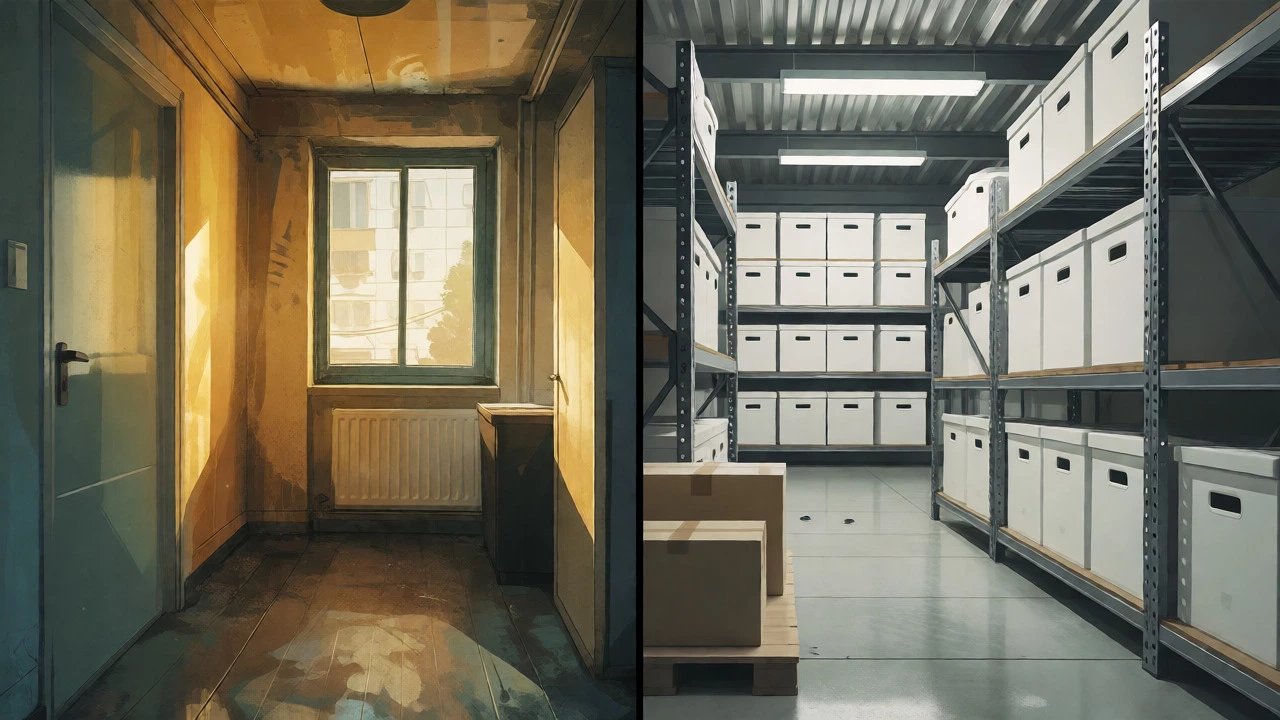
What Should You Actually Store?
Not everything belongs in a unit. The golden rule is: store assets, not liabilities. An asset holds its value or utility; a liability degrades or becomes obsolete.
Furniture is a classic candidate. High-quality solid wood tables or sofas retain value and are expensive to replace. However, cheap particleboard furniture from IKEA tends to warp in varying temperatures and loses resale value rapidly. Unless you plan to keep it for decades, it’s often better to sell it or donate it.
Electronics are tricky. Laptops and phones depreciate fast. Storing them for two years means they’ll be worthless when you take them out. But high-end audio equipment, cameras, or gaming consoles (if kept in original packaging) can hold value well enough to justify short-term storage during renovations.
Avoid storing these items unless absolutely necessary:
- Perishables: Food attracts pests. Even sealed containers can leak or crack.
- Important Documents: Passports, deeds, and birth certificates should stay in a fireproof safe at home or a bank safety deposit box. Insurance payouts for lost documents in storage are often negligible compared to the hassle of replacing them.
- Clothing: Moths and mildew love dark, undisturbed boxes. If you aren’t wearing it in a year, you probably won’t wear it ever. Sell it on Vinted or eBay instead.
Alternatives to Traditional Self-Storage
If the math above suggests traditional units are too pricey, consider these modern alternatives.
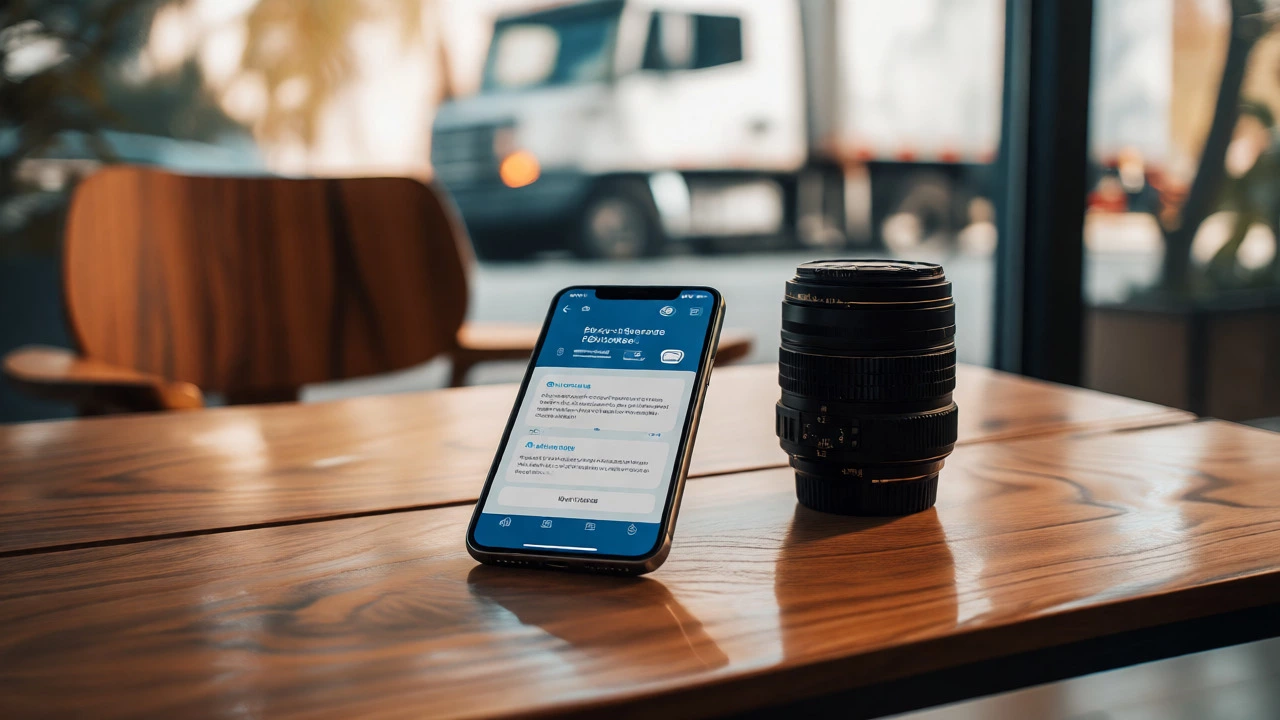
On-Demand Storage services like Clutter or MakeSpace pick up your items, photograph them, and store them in a warehouse. You request items back via an app. This is great for minimalists who want zero physical interaction with their stuff. The downside? It’s usually more expensive per cubic foot than a DIY unit because you’re paying for the labor and logistics.
Peer-to-Peer Storage platforms connect renters with homeowners who have spare garages or basements. Sites like Neighbor allow you to rent space directly from someone nearby. This can be 30-50% cheaper than commercial facilities, but you lack the security gates and climate control guarantees of a professional company.
Selling or Donating is the ultimate alternative. If an item has been in storage for more than 12 months without being touched, it’s dead weight. Calculate the total storage cost paid so far. If it exceeds 50% of the item’s current resale value, sell it immediately. You’ll get cash back and stop the bleeding.
How to Minimize Storage Costs
If you’ve decided storage is necessary, here’s how to keep the bill low.
- Purge ruthlessly first: Use the "one-year rule." If you haven’t used it in a year, it goes. This reduces the size of the unit you need. Dropping from a 10x10 unit to a 5x10 unit can cut your monthly fee in half.
- Stack vertically: Most people only fill their units to 6 feet high. If the ceiling allows, build sturdy shelving or stack boxes securely to reach 8-9 feet. Utilizing vertical space means you can rent a smaller footprint.
- Negotiate the rate: Never accept the first quote. Ask for "move-in specials" or discounts for prepaying six months upfront. Many facilities will waive admin fees if you commit to a longer term.
- Check access hours: Do you really need 24/7 access? Facilities with restricted hours (e.g., 9 AM - 6 PM) are often cheaper. If you only visit once a month, save the money.
Final Verdict: Is It Worth It?
Self-storage is worth it if you are treating it as a temporary bridge during life transitions or as a way to free up expensive urban living space. It is not worth it if you are using it as a graveyard for things you’re afraid to throw away.
Run the numbers. Compare your local rent per square foot against storage rates. Audit your items for true value versus sentimental clutter. If the math supports it, lock it up. If not, sell it, donate it, or find a corner in your garage. Your wallet-and your peace of mind-will thank you.
Does self-storage increase home value?
No, it does not directly increase your property's market value. However, it can improve the perceived value during viewings by making the home appear larger and more organized. Buyers often pay more for homes that feel spacious, so removing clutter to a storage unit can help sell your home faster and potentially at a higher price.
Can I store food in a self-storage unit?
Generally, no. Most contracts prohibit perishable items. Even non-perishables like flour or sugar attract rodents and insects, which can infest your unit and neighboring ones. Always check your specific facility's rules, but assume food is banned unless explicitly stated otherwise.
Is climate control really necessary?
If you are storing wood, electronics, leather, photos, or musical instruments, yes. Temperature fluctuations cause wood to expand and contract, leading to cracks. Humidity causes mould and rust. In climates with extreme heat or cold, or high humidity, climate control protects the integrity of sensitive materials.
How much does a 10x10 storage unit cost?
In the UK, a 10x10 unit typically ranges from £60 to £120 per month depending on location and amenities. Urban centers like London or Oxford command higher prices, while rural areas are cheaper. Climate-controlled units add approximately 20-40% to the base rate.
What happens if I forget to pay my storage bill?
Facilities usually offer a grace period of 10-15 days. After that, late fees accrue. If payment remains outstanding for 30-90 days (depending on local laws and contract terms), the facility may place a lien on your goods and eventually auction them off to recover unpaid rent. You could lose your items permanently.