
Curtain Length Visualizer & Calculator
Room Dimensions
Visual Preview
Ever hung a brand-new set of curtains only to realize they look like tablecloths draped over your windows? It’s a common mistake that throws off the entire vibe of a room. The question isn’t just about style; it’s about perception. Curtain length is the vertical measurement from the rod to the hem of the fabric, and getting it wrong can make high ceilings feel low or large windows disappear.
So, do curtains look better short or long? In almost every case, longer is better. But "long" doesn't always mean dragging on the floor. There are specific rules for different styles, and breaking them can ruin the aesthetic you’re trying to achieve. Let’s break down exactly how to measure, hang, and choose the right drop so your windows frame your view perfectly.
The Golden Rule: Floor-Length Is Usually Best
If you want your room to look spacious, elegant, and intentional, aim for curtains that touch the floor. This is the standard in modern interior design because it creates a continuous vertical line that draws the eye upward. Short curtains stop that flow, cutting the wall in half and making the ceiling appear lower than it actually is.
However, "floor-length" has three distinct variations, each with its own look:
- Kissing the Floor: The hem just barely touches the surface. This is the cleanest, most professional look. It works well in formal living rooms and bedrooms where you want a crisp, tailored appearance.
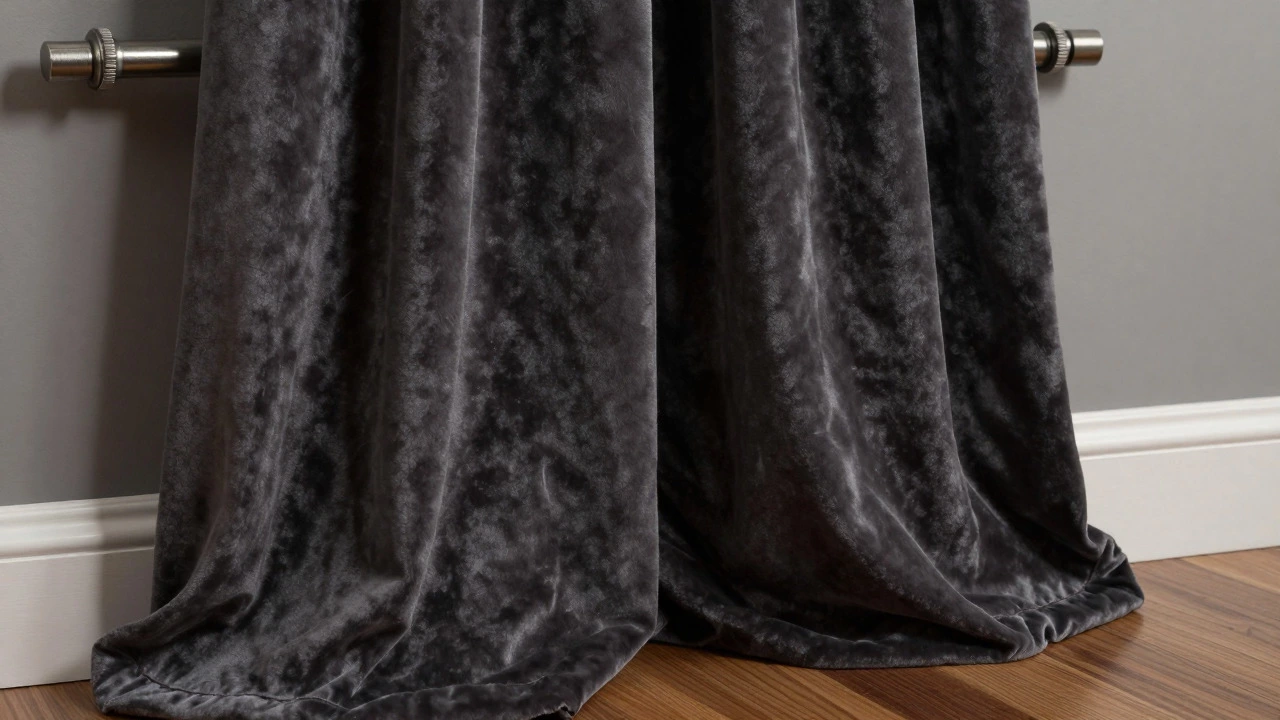
- Slight Break: The fabric pools slightly on the floor, creating a soft fold or two. This adds a luxurious, relaxed feel but requires more frequent vacuuming to keep dust out of those folds.
- Hovering: The curtain ends about half an inch above the floor. This is practical if you have pets or kids who might trip, or if you use a robot vacuum that needs clear access under the window.
Avoid letting curtains drag significantly unless you’re going for a very specific Hollywood glamour look, which requires constant maintenance. Most homeowners find that hovering or kissing the floor strikes the best balance between beauty and practicality.
When Short Curtains Actually Work
Are short curtains ever appropriate? Yes, but only in specific contexts. Shorter lengths-those that end at the sill or just below-are generally reserved for functional spaces rather than decorative ones.
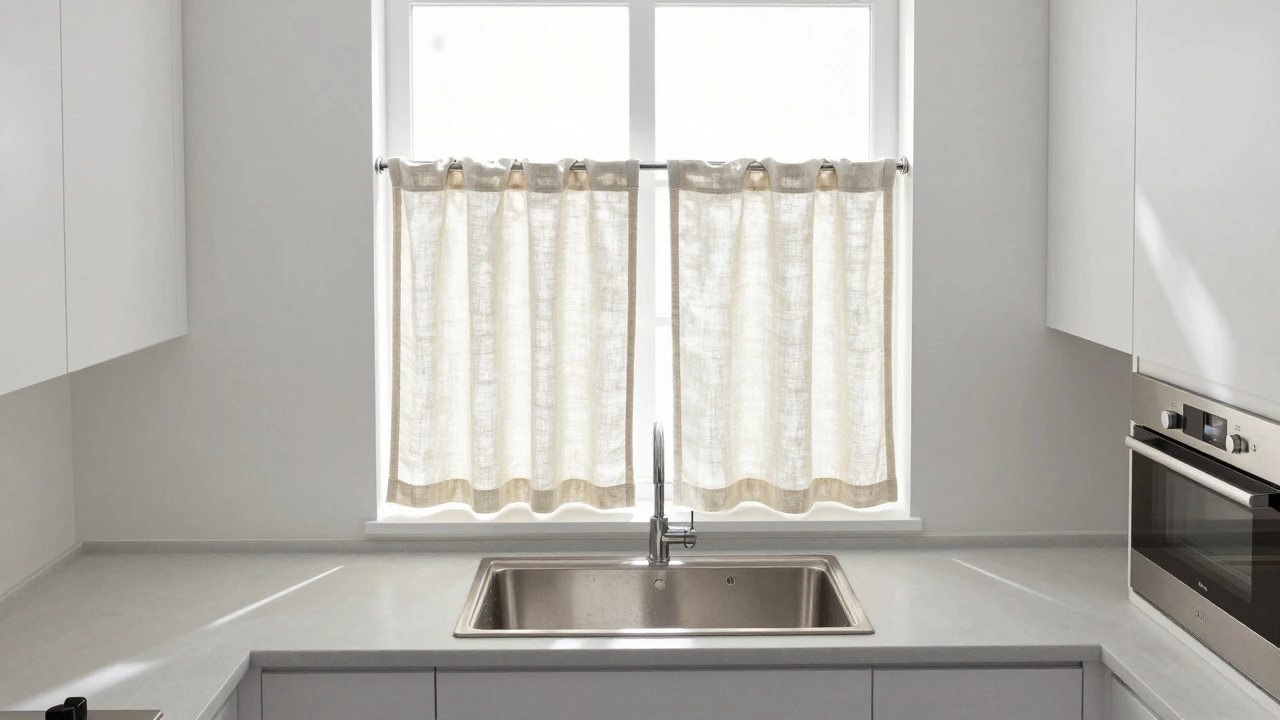
In kitchens and bathrooms, shorter curtains make sense because they are easier to wash and less likely to get splashed with water or cooking grease. If you have a sink directly under a kitchen window, floor-length drapes will eventually become stained. Here, a cafe-style curtain (covering just the bottom half) or a short panel ending at the sill is both stylish and smart.
Another exception is small, narrow windows in cozy nooks. Sometimes, a short, sheer curtain can add charm without overwhelming the space. But be careful: if the window is wide, short panels can look like they’ve been cut off, making the window look smaller than it is.
The Height Illusion: Hanging Rods Higher Than You Think
The secret to making any curtain look good isn’t just the length of the fabric-it’s where you put the rod. Many people mount the rod right above the window frame. This is a mistake. It highlights the actual size of the window, which is often smaller than you’d like.
To create the illusion of taller ceilings, install the curtain rod 4 to 6 inches above the window frame, or even closer to the ceiling line. Then, let the curtains fall all the way to the floor. This elongates the visual space, making the walls seem higher and the room airier. Even if your window is short, hanging the rod high makes the window treatment the focal point, not the window itself.
Also, extend the rod wider than the window frame. Add at least 3 to 6 inches on each side. This allows light to enter when the curtains are open and makes the window appear larger. When combined with floor-length panels, this technique transforms a modest window into a grand feature.
Fabric Weight and How It Affects Length Perception
The material of your curtains changes how the length looks. Heavy fabrics like velvet or thick linen hold their shape and create deep, dramatic folds. With these materials, a slight break on the floor looks intentional and luxurious. Light fabrics like cotton voile or sheer polyester flutter and drape softly. If you go too long with sheer fabrics, they can look messy or tangled.
Consider the pleat style as well. Pinch pleats add volume at the top, which balances the weight of long, heavy drapes. Grommet tops offer a casual, modern look that works well with lighter fabrics and simpler hangs. The key is matching the fabric’s behavior with your desired length. Don’t force a stiff fabric to hover if it wants to pool, and don’t let a flimsy fabric drag where it will get dirty.
Practical Tips for Measuring and Buying
Before you buy, measure twice. Start from the bottom of the rod bracket (where the ring or grommet sits) to the point where you want the hem to land. If you want them to kiss the floor, measure to the floor. If you want them to hover, subtract half an inch.
Remember that curtains shrink after washing. If you buy pre-made panels, check the care label. Natural fibers like linen and cotton often shrink by 5-10%. Synthetic blends stay true to size. If you’re unsure, buy a bit longer and hem them yourself or take them to a tailor. Hemming is cheap compared to buying new curtains because you got the length wrong.
Also, consider ironing or steaming your curtains before hanging them. Wrinkles from packaging can make even perfectly measured curtains look sloppy. A quick steam pass ensures the fabric falls smoothly, enhancing the clean lines of the correct length.
| Room | Recommended Length | Rod Placement | Why? |
|---|---|---|---|
| Living Room | Floor-Kissing or Slight Break | High (near ceiling) | Creates elegance and height |
| Bedroom | Floor-Kissing | High (near ceiling) | Maximizes light control and privacy |
| Kitchen | Sill-Length or Cafe Style | Standard (above frame) | Easy cleaning, avoids splashes |
| Bathroom | Sill-Length or Just Below | Standard (above frame) | Prevents mold and moisture damage |
| Dining Room | Floor-Kissing | High (near ceiling) | Adds formality and sophistication |
Common Mistakes to Avoid
One major error is using multiple panels that don’t align properly. If you need extra width, ensure the seams are hidden behind closed curtains or match the pattern precisely. Another mistake is ignoring the hardware. Thin, flimsy rods can’t support heavy, floor-length drapes. Make sure your rod is sturdy enough to hold the weight, especially if you’re going for a luxurious, full look.
Don’t forget about thermal liners. If you live in a place with extreme temperatures, adding a liner adds bulk and weight. This changes how the curtain hangs. A lined curtain may need a slightly different hem allowance to ensure it still kisses the floor correctly after the added thickness.
How much should curtains overlap in the middle?
Curtains should overlap by at least 4 to 6 inches in the center when closed. This ensures complete privacy and blocks out light effectively. If they meet exactly at the seam, light will peek through, and the look will appear unfinished.
Can I hang floor-length curtains in a room with baseboard heaters?
Yes, but you’ll need to hover them slightly above the heater to allow heat to circulate. Aim for a 2-3 inch gap between the hem and the heater. This prevents overheating the fabric and maintains energy efficiency.
What is the best curtain length for a bay window?
For bay windows, treat each section separately or use one continuous rod across the entire bay. Floor-length is still the best choice. Ensure the curtains stack back neatly on each side so they don’t block the glass when open.
Do I need to hem ready-made curtains?
Often, yes. Ready-made curtains come in standard lengths like 84 or 96 inches. Unless your ceiling height matches these exactly, you’ll likely need to hem them to fit your specific window-to-floor distance. Tailoring ensures a custom, polished look.
How do I keep curtains from blowing in the wind?
Use magnetic weights or curtain clips at the bottom hem. These add subtle weight to keep the fabric grounded without altering the length. Alternatively, heavier fabrics naturally resist wind better than lightweight sheers.