Zen Bathroom Assessment Tool
Create Your Calm Bathroom
Assess your bathroom against Zen principles with this quick checklist. Get personalized recommendations to create your peaceful sanctuary.
Zen Assessment Checklist
Based on your answers
Your Personalized Recommendations
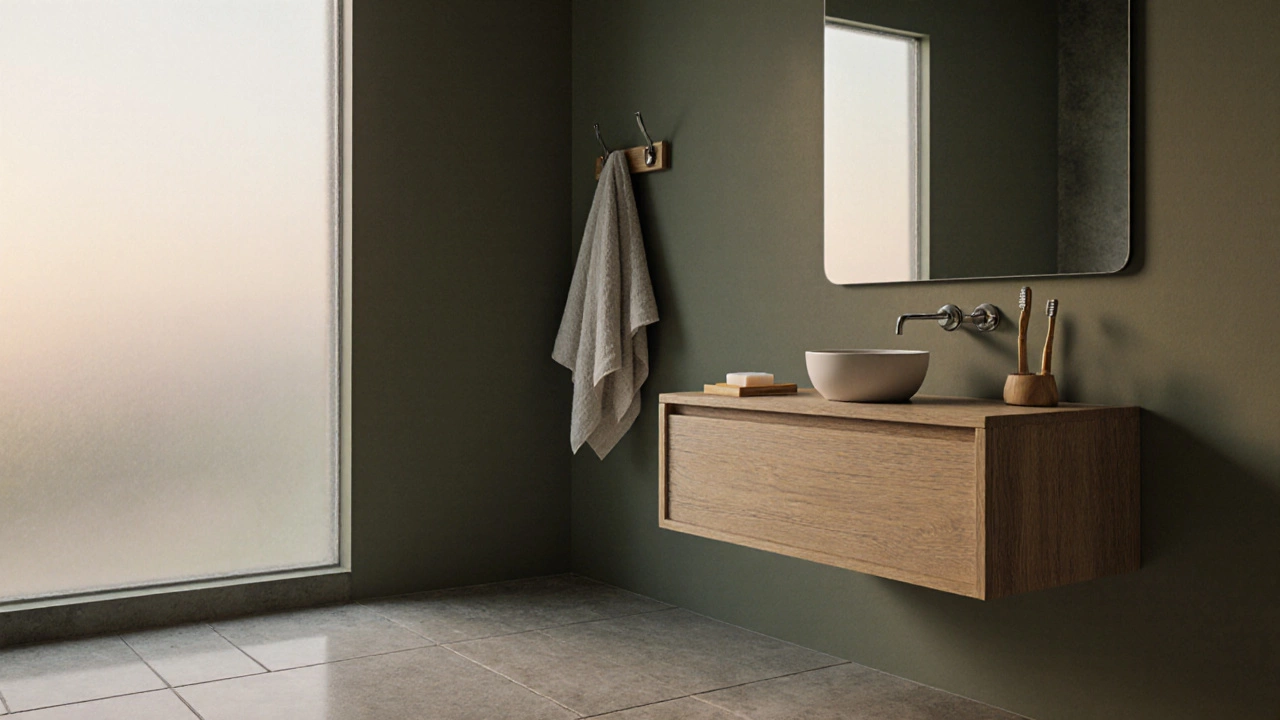
Picture this: you step into your bathroom after a long day. The lights are soft, the air smells like cedar and rain, and there’s not a single cluttered shelf in sight. Your hands glide over smooth stone, your feet touch warm wood, and for the first time in hours, you breathe without thinking. That’s not a spa-it’s a zen bathroom. And you don’t need a million dollars or a renovation to create one.
It’s Not About Luxury, It’s About Space
A zen bathroom doesn’t mean marble floors or gold fixtures. It means breathing room. Real, physical space between objects. Most bathrooms feel like storage closets with a toilet. Zen bathrooms feel like quiet rooms. The key is removing anything that doesn’t serve a purpose-or doesn’t bring peace.
Start by taking everything off the counter. Not just the toothpaste and hairbrush. Everything. The extra towels, the five different shampoos, the half-used candles, the plastic organizer you bought because it looked neat online. Put them away. Keep only what you use daily: soap, a toothbrush, maybe one towel. That’s it.
When you leave only what’s necessary, the space starts to breathe. And so do you.
Materials That Ground You
Zen design leans on natural materials because they feel alive. They age, they change, they hold warmth. Avoid glossy plastic, shiny chrome, and cold ceramic unless it’s textured.
Look for:
- Wood-teak, bamboo, or walnut for shelves, towel racks, or a small stool. It’s warm underfoot and softens the room.
- Stone-soapstone, slate, or travertine for the sink or floor. It’s cool to the touch but never harsh.
- Linens-cotton or linen towels in muted tones. No patterns. No logos. Just texture.
- Clay-a simple ceramic soap dish or toothbrush holder. Handmade, uneven, real.
These materials don’t shout. They whisper. And over time, they develop a patina that tells a story. That’s the point.
Lighting That Feels Like Morning
Harsh overhead lights kill zen. So do dim, yellow bulbs that make everything look like a 1970s bathroom. The right light is soft, even, and warm-not too yellow, not too white.
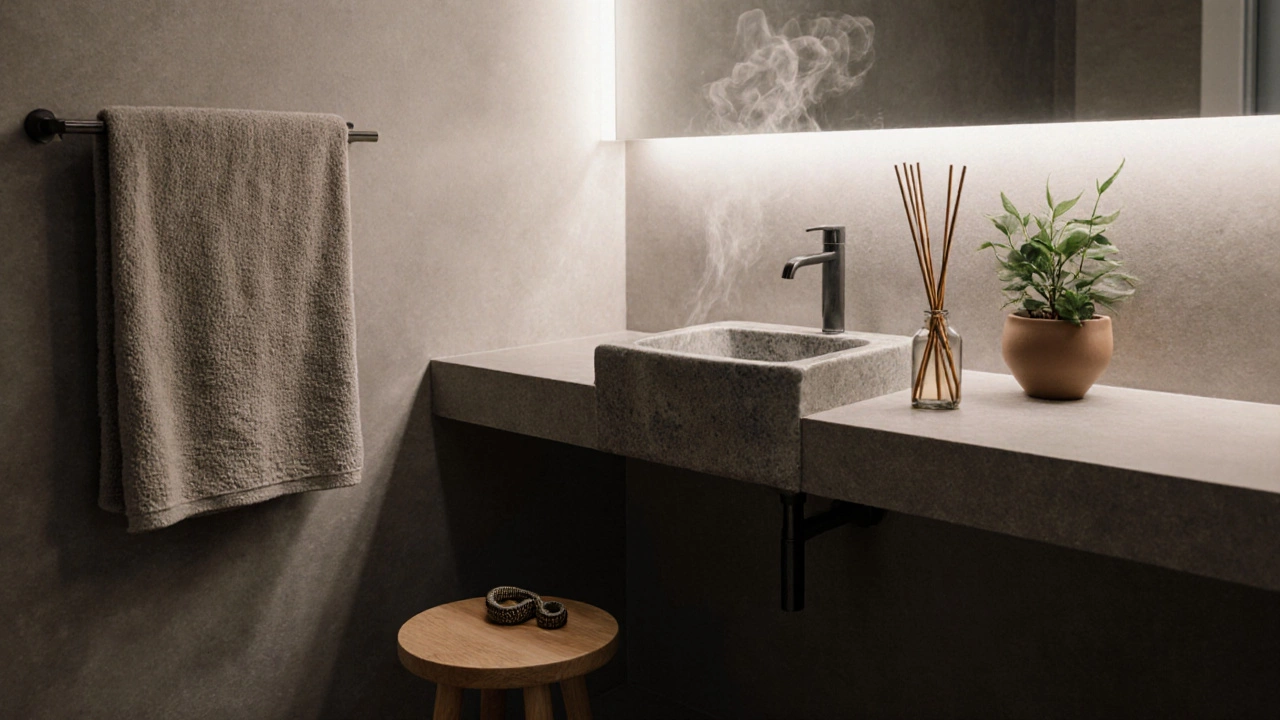
Use indirect lighting. A small LED strip behind the mirror, or a wall sconce with a linen shade. If you can, open a window. Natural light is the best zen tool you already own. Even on cloudy days, daylight changes the mood without you even trying.
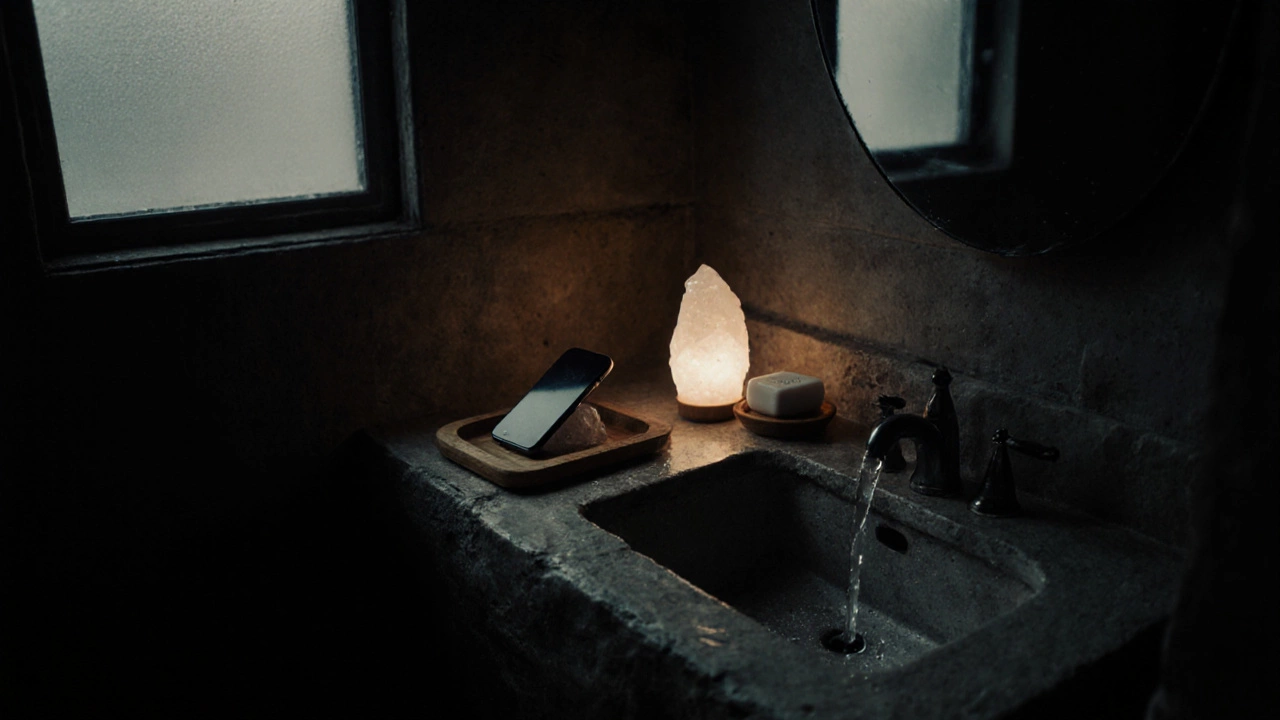
And turn off the main light at night. Use a single small lamp or a salt lamp near the sink. It’s enough to see by, and it doesn’t jolt you awake.
Color That Doesn’t Stress You
White is the default for zen bathrooms-and for good reason. But don’t stop there. Think of colors that appear in nature: soft greys, warm beiges, pale moss greens, dusty blues. These tones don’t compete. They settle.
Paint the walls in a matte finish. Glossy paint reflects too much. Matte absorbs light, which feels quieter. If you’re painting, try Benjamin Moore’s "Pale Oak" or Farrow & Ball’s "Setting Plaster." They’re not "white." They’re the color of a quiet morning.
Avoid black, bright red, or neon anything. They’re not zen. They’re loud.
Accessories That Serve Silence
Accessories in a zen bathroom aren’t decorations. They’re tools with soul. Every item should have a quiet purpose.
Here’s what belongs:
- A single ceramic soap dish-hand-thrown, no glaze on the bottom so it doesn’t stick.
- A bamboo toothbrush holder with three slots, not ten.
- A small wooden tray to hold your phone while you soak. No charging cables.
- A linen towel folded just once, hanging on a wooden hook.
- A single plant-a snake plant or a small bamboo-because it needs nothing and stays calm.
What doesn’t belong?
- Plastic dispensers with pump tops.
- Over-the-door organizers with 12 compartments.
- Decorative figurines, crystals, or "positive energy" signs.
- Anything that says "relax" or "breathe." If you need a sign to remind you, the space isn’t working.
Less is not just more. It’s the only way to feel still.
Sound and Scent Without the Hype
Sound matters. A running toilet, a dripping faucet, a noisy exhaust fan-they break calm. Fix leaks. Replace old fans with quiet ones. Look for models rated under 0.8 sones. That’s quieter than a whisper.
Scent? One, maybe two. A single drop of cedarwood or lavender essential oil in a reed diffuser. Or just open the window. Don’t use plug-ins or scented candles with synthetic fragrances. They’re chemicals disguised as calm.
Real zen doesn’t need to smell like a spa catalog.
How to Start Today
You don’t need to rebuild your bathroom. Start small. Tonight, empty the counter. Put everything in a basket and store it under the sink. Tomorrow, swap one plastic item for wood or ceramic. Next week, change the towel. In a month, you’ll notice something: you linger longer in the bathroom. You don’t rush. You pause.
That’s the goal. Not a Pinterest-perfect photo. A place where you can be still.
Why This Works
Zen isn’t a style. It’s a practice. It’s about removing noise so you can hear yourself. In a bathroom, that means no distractions-no clutter, no harsh light, no fake scents, no digital noise.
Studies from the University of Oxford’s Environmental Psychology Lab show that people who use minimalist, natural-material bathrooms report 40% lower stress levels after morning routines compared to those with cluttered, high-gloss spaces. It’s not magic. It’s design.
Your bathroom isn’t just where you wash up. It’s where you reset. Make it a place that doesn’t ask for anything-except your presence.