Bathroom Coziness Calculator
Assess your current bathroom setup against the "Layered Warmth" method. Check off the features you already have or plan to add to see your Coziness Score.
Lighting
Textiles & Surfaces
Atmosphere & Scent
Decor & Storage
Walk into most bathrooms and you’ll feel it immediately: the cold tile under your feet, the harsh glare of overhead lights, and that sterile, hospital-like echo. It’s functional, sure. But cozy? Not even close. The problem isn’t usually the size or the layout; it’s the lack of texture and warmth. You don’t need a full renovation to fix this. In fact, some of the biggest changes come from swapping out small bathroom accessories and adjusting how light hits the room.
I’ve spent years tweaking spaces in my Oxford home, trying to turn drafty Victorian bathrooms into places where I actually want to linger. The secret isn’t expensive marble or heated floors (though those help). It’s layering. Think about how you dress for winter: you don’t just wear one thick coat. You add layers. Your bathroom needs the same approach. Here is how to build that warmth, step by step.
The Foundation: Softening the Hard Surfaces
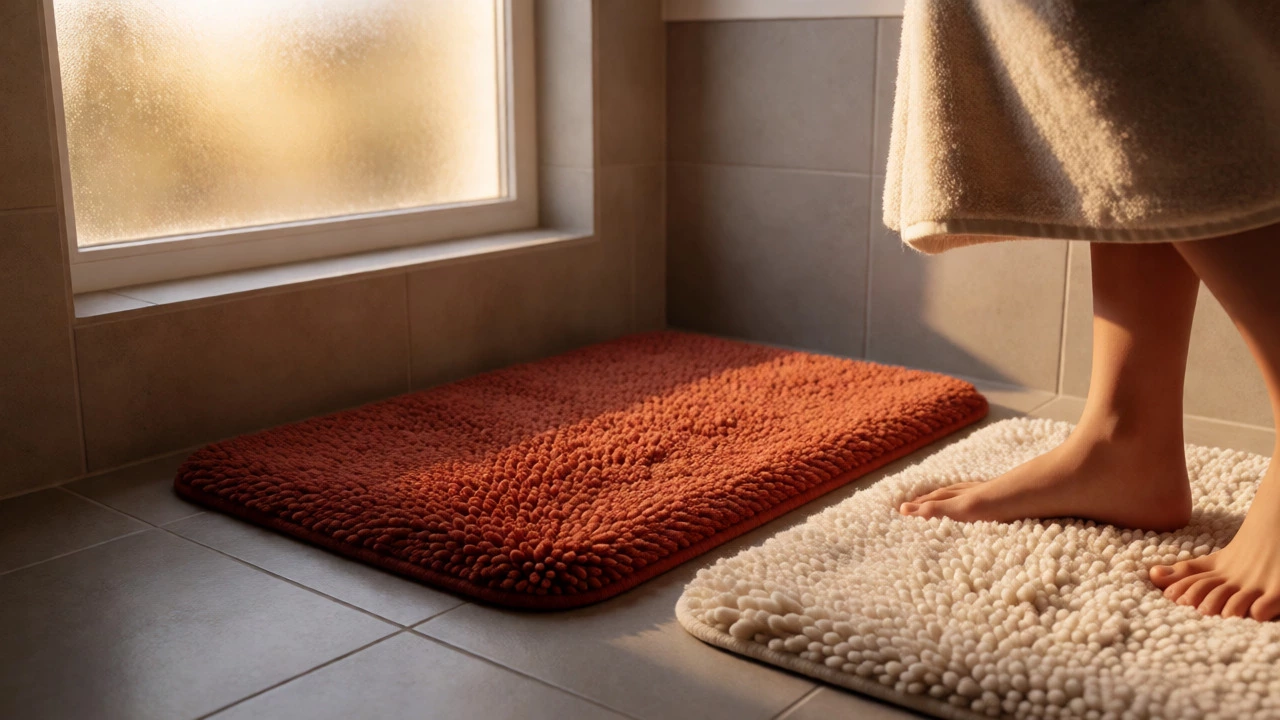
Tiles are great for water resistance, but they absorb heat and reflect sound poorly. To counteract this, you need to introduce materials that trap warmth and dampen noise. This is where textiles become your best friend. Don’t just throw down a thin mat; choose something with substance.
A high-quality bath mat made from cotton, wool, or microfiber makes an immediate difference. Look for dense pile heights-anything under an inch feels like stepping on concrete after a hot shower. If you have space, consider a runner rug near the vanity. These used to be frowned upon in wet areas, but modern synthetic blends and treated wools handle humidity surprisingly well. They define zones and keep your toes warm while you brush your teeth.
| Material | Warmth Level | Drying Speed | Best For |
|---|---|---|---|
| Cotton | High | Moderate | Bath mats, towels |
| Wool | Very High | Slow | Rugs, runners |
| Microfiber | Medium | Fast | Quick-dry mats |
| Bamboo | Low | Fast | Shower mats |
Lighting That Doesn’t Hurt Your Eyes
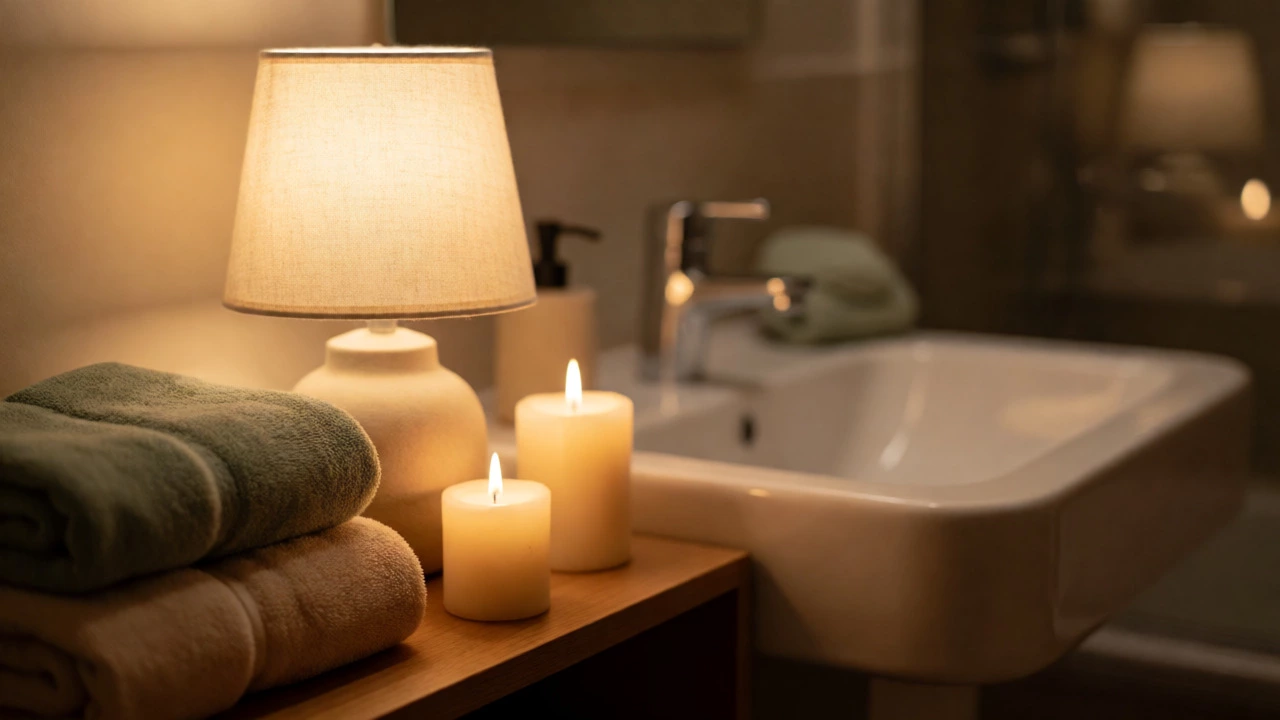
Overhead fluorescent or bright white LED panels are the enemy of coziness. They flatten the room and highlight every flaw. To create ambiance, you need to lower the color temperature and raise the number of light sources. Aim for bulbs between 2700K and 3000K. This range mimics sunset light, which naturally signals relaxation to your brain.
You don’t need to rewire the house to do this. Start with plug-in sconces or wall-mounted fixtures if you’re handy. If not, table lamps are underrated. Placing a small lamp on a shelf or the edge of the bathtub adds instant intimacy. Dimmers are non-negotiable here. Being able to dial the brightness down to 20% transforms the space from "get in, get out" to "soak and unwind."
Scent and Sound: The Invisible Layers
Coziness is multisensory. You can have the softest towels in the world, but if the room smells like bleach and echoes loudly, it won’t feel inviting. Scent plays a huge role in memory and mood. Skip the chemical air fresheners. Instead, use essential oil diffusers or soy candles. Lavender, eucalyptus, and cedarwood are classic choices because they mask dampness without clashing.
Acoustics matter too. Hard surfaces bounce sound around, creating a chaotic auditory environment. Curtains help here. Replacing a standard shower curtain with a heavier fabric option-or adding a secondary decorative curtain outside the tub area-absorbs sound waves. It also adds visual softness. Look for linen or velvet textures that drape heavily rather than stiff polyester.
Greenery and Natural Elements
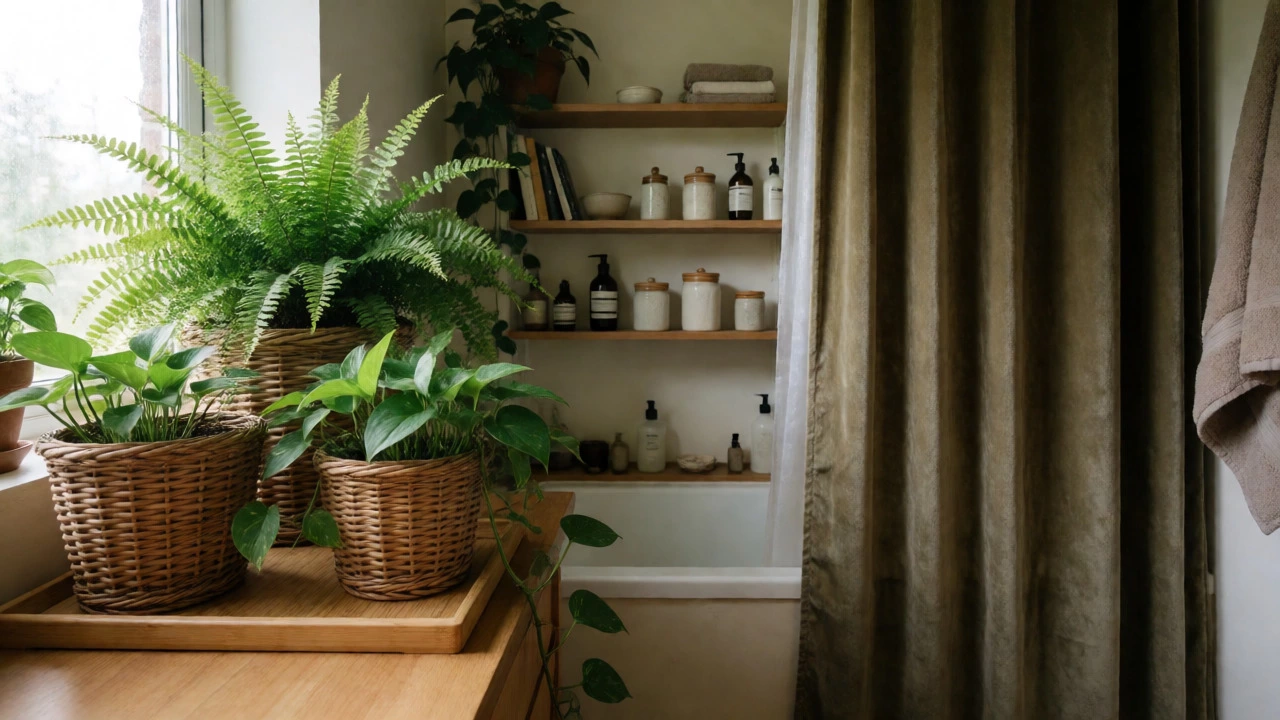
Bringing nature indoors breaks up the sterility of porcelain and chrome. Plants thrive in humid environments, making bathrooms ideal locations for certain species. Ferns, pothos, and snake plants tolerate low light and high moisture beautifully. They add organic shapes and vibrant green, which contrasts nicely against neutral tiles.
If you don’t have enough light for live plants, high-quality faux options work fine. Just ensure they look realistic. Beyond plants, incorporate natural materials like wood or stone. A wooden stool instead of a plastic one, or a bamboo tray for holding toiletries, introduces grain and warmth. These elements connect the space to the outdoors, which psychologically reduces stress.
Towel Management as Decor
Most people hide their towels. That’s a mistake. Towels are large blocks of color and texture. Use them intentionally. Fold them neatly on open shelves or hang them on ladder racks. Choose colors that complement your palette-deep greens, warm terracottas, or soft creams. Avoid stark whites unless you’re going for a spa aesthetic, which can still feel cold if not balanced with other warm tones.
Consider having separate sets for guests and daily use. Guest towels should be plush and luxurious, displayed prominently. Daily towels can be more practical but should still look tidy. A matching set creates visual cohesion, reducing the cluttered feeling that often makes small rooms feel cramped.
Personal Touches and Clutter Control
Finally, a cozy space feels lived-in, not staged. Add personal items that tell a story. A framed photo, a stack of favorite books, or a unique soap dish. However, clutter kills coziness. If surfaces are covered in half-used bottles, it looks messy, not warm. Invest in stylish storage solutions. Wicker baskets, ceramic jars, or sleek acrylic organizers keep essentials accessible but hidden.
Remember, coziness is subjective. What feels warm to me might feel stuffy to you. Experiment with these elements. Start with lighting and textiles-they offer the highest impact for the lowest cost. Then adjust based on how the room makes you feel. If you find yourself lingering longer than necessary, you’ve done it right.
What is the best lighting temperature for a cozy bathroom?
For a cozy atmosphere, aim for warm white light between 2700K and 3000K. This range resembles incandescent bulbs and sunset light, promoting relaxation. Avoid cool white (4000K+) or daylight (5000K+) bulbs, as they tend to feel clinical and harsh.
Can I use rugs in a small bathroom?
Yes, but choose wisely. Opt for smaller mats or runners rather than large area rugs to prevent overcrowding. Ensure they have non-slip backing and are made from quick-drying materials like microfiber or treated wool to handle humidity safely.
Which plants survive best in low-light bathrooms?
Snake plants, pothos, peace lilies, and ferns are excellent choices. They tolerate low light levels and thrive in the higher humidity typical of bathrooms. Ensure they aren't sitting directly in standing water to avoid root rot.
How do I reduce echo in a tiled bathroom?
Add soft furnishings that absorb sound. Thick bath mats, heavy curtains, and upholstered furniture (like a small bench) help dampen echoes. Even hanging art with canvas or fabric covers can make a noticeable difference in acoustic comfort.
Are scented candles safe in bathrooms?
Yes, provided they are placed away from flammable materials like curtains and towels. Soy or beeswax candles burn cleaner than paraffin. Always extinguish them before leaving the room and ensure proper ventilation to manage smoke and scent intensity.