Medicare Coverage & Cost Estimator
Select your details on the left and click calculate to see if Medicare might cover your equipment and estimate your costs.
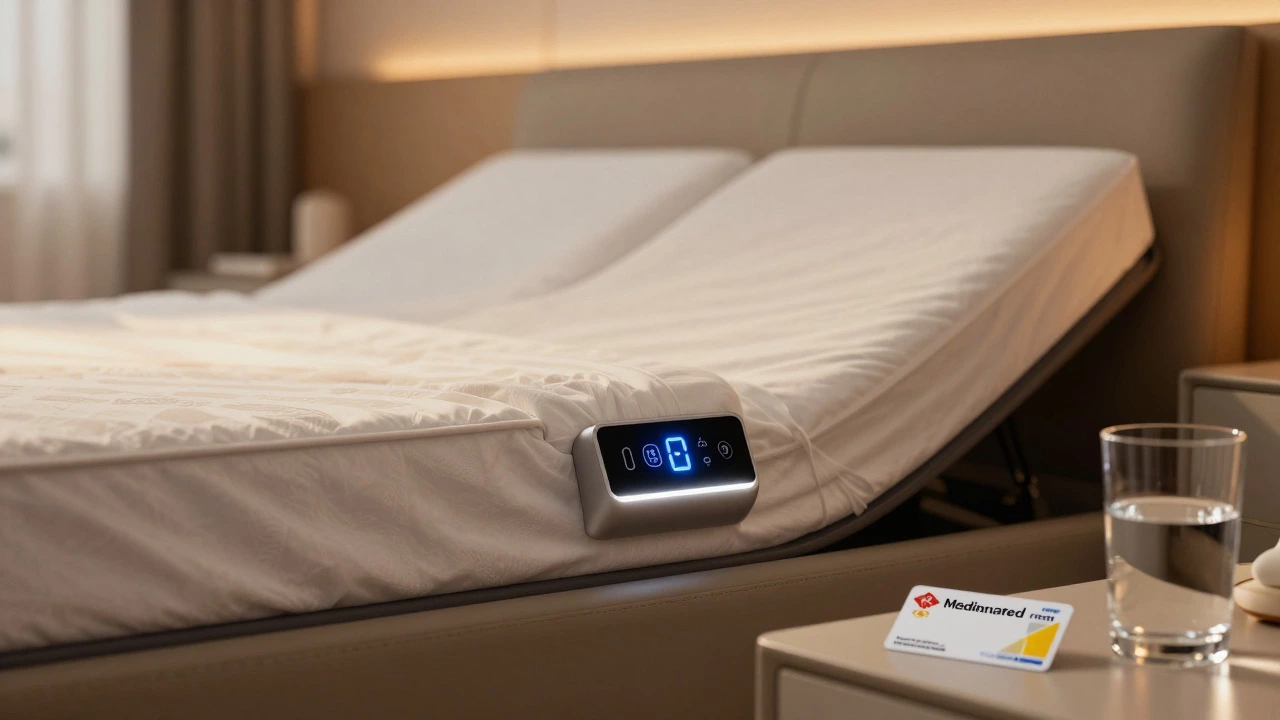
You’ve heard the stories. Someone gets a fancy Sleep Number bed is a premium mattress system with air chambers that allow users to customize firmness levels digitally. It uses digital controls to adjust pressure in separate air chambers for personalized comfort settings. covered by their insurance, and you’re wondering if your Medicare card can do the same. The short answer? Almost certainly not for the mattress itself. But there’s a twist involving the bed frame that might save you some money if you have specific medical needs.
Medicare doesn’t work like a shopping voucher. It’s strictly defined by what counts as "medically necessary" durable equipment. Understanding this distinction is the only way to navigate the billing maze without wasting hours on hold or getting stuck with a surprise bill.
The Hard Truth About Mattress Coverage
Let’s get the biggest misconception out of the way first. Original Medicare is the federal health insurance program for people who are 65 or older, or certain younger people with disabilities, consisting of Part A (hospital insurance) and Part B (medical insurance). Parts A and B generally do not cover mattresses, including Sleep Number beds, Tempur-Pedic, or any other brand. Why? Because they classify mattresses as personal comfort items, not medical devices.
Even if your doctor writes a letter saying a firmer surface helps your back pain, Medicare usually rejects it. They view pain relief from comfort as subjective. Unless the mattress has a specific mechanical function that treats a diagnosed condition, it falls outside the scope of Medicare Part B is the part of Original Medicare that covers outpatient care, preventive services, and durable medical equipment (DME). coverage rules.
This applies whether you buy the bed new, refurbished, or rent it. The digital controls, the cooling technology, and the customizable firmness are features designed for sleep quality, not acute medical treatment. So, if you’re hoping Medicare will pay the $3,000+ price tag for the mattress alone, you’ll likely be disappointed.
When Medicare Might Pay: The Adjustable Base Exception
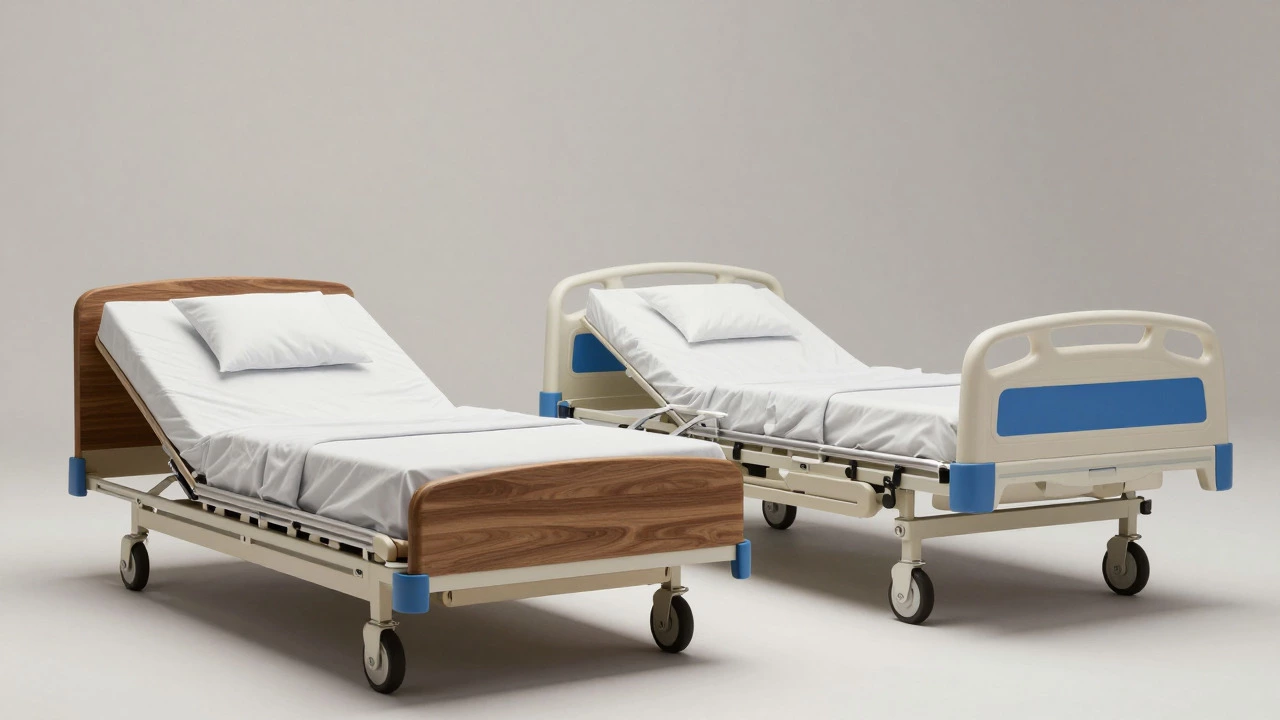
Here is where things get interesting. While the mattress is a no-go, the base might be different. If you need an adjustable bed frame to manage a serious medical condition, Medicare Part B may cover up to 80% of the cost of a basic manual or electric hospital-style bed frame.
To qualify, you must meet strict criteria:
- A Doctor’s Order: Your physician must certify that the bed is medically necessary for your treatment at home.
- Specific Conditions: You typically need a condition that makes it difficult to move in bed, such as severe arthritis, recent major surgery, or limited mobility due to neurological disorders.
- Durable Medical Equipment (DME): The bed must be classified as DME. This means it’s reusable, used primarily for medical purposes, and not generally useful to someone without an illness or injury.
If you qualify, Medicare will cover a standard adjustable bed frame. However, there’s a catch: it won’t be a sleek, wood-trimmed Sleep Number base. It will likely be a utilitarian, metal-framed hospital bed. These beds lack the aesthetic appeal and advanced connectivity of consumer brands but serve the core medical function of elevating your head or legs to aid breathing, circulation, or positioning.
How to Apply for Coverage
If you believe you qualify for the adjustable base, here is the step-by-step process to try and get it approved:
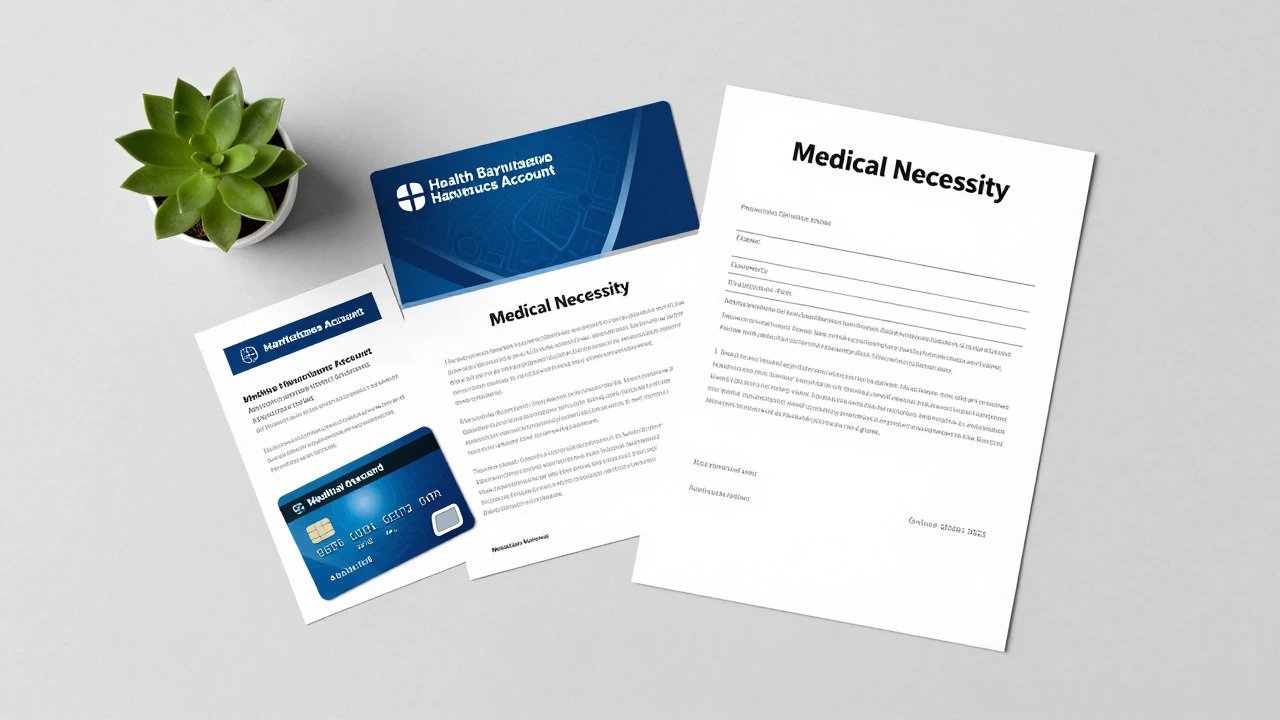
- Talk to Your Doctor: Schedule an appointment specifically to discuss your mobility issues. Ask them to write a Certificate of Medical Necessity (CMN). This form details why you need the equipment.
- Find a Medicare-Approved Supplier: Not every furniture store accepts Medicare. You need a supplier enrolled in the Medicare DME program. You can find these using the Medicare Provider Search tool online.
- Submit the Claim: The supplier will handle most of the paperwork. They submit the CMN and the invoice to Medicare. Do not pay the full amount upfront unless required; you should only be responsible for the 20% coinsurance after meeting your Part B deductible.
- Wait for Approval: Medicare reviews the claim. If denied, you have the right to appeal, but success rates for non-hospital-grade beds are low.
What About Medicare Advantage Plans?
Many seniors opt for Medicare Advantage is also known as Medicare Part C, these are private insurance plans approved by Medicare that bundle Part A, Part B, and usually Part D prescription drug coverage, often offering additional benefits like vision, dental, or gym memberships. (Part C) plans instead of Original Medicare. These private insurers sometimes offer extra perks, such as wellness programs or fitness memberships. Occasionally, they might include small allowances for home safety modifications or comfort items.
However, even with Medicare Advantage, full coverage for a high-end Sleep Number bed is rare. Some plans might offer a discount through a partnership with a retailer, but this is different from direct payment. Always check your specific plan’s Evidence of Coverage document or call member services to ask about "wellness benefits" or "home comfort allowances." Don’t assume one plan’s benefits apply to all.
Alternative Ways to Pay for a Sleep Number Bed
If Medicare says no, don’t lose hope. There are other financial avenues to explore:
| Option | How It Works | Pros | Cons |
|---|---|---|---|
| HSA/FSA | Use pre-tax dollars from a Health Savings Account or Flexible Spending Account. | Tax savings; easy to use if you have funds. | Requires a Letter of Medical Necessity (LMN); not all custodians approve mattresses. |
| Manufacturer Financing | Sleep Number often offers 0% APR financing for 12-36 months. | No interest if paid on time; spreads out cost. | High penalty fees if late; debt remains if not paid off. |
| Medical Credit Cards | Cards like CareCredit specialize in healthcare purchases. | Widely accepted; promotional periods. | Deferred interest can skyrocket costs if balance isn’t cleared. |
| Charitable Grants | Organizations like Good Days or local veterans groups. | Free or heavily discounted equipment. | Strict eligibility; long waitlists; limited availability. |
HSA/FSA Tip: If you have an HSA, you *might* be able to use those funds for a Sleep Number bed if your doctor provides a Letter of Medical Necessity stating it treats a specific diagnosis (like chronic lower back pain). However, IRS rules are strict, and many HSA administrators reject mattress claims. Check with your provider before buying.
Common Pitfalls to Avoid
Scammers love targeting seniors looking for medical equipment coverage. Here’s how to stay safe:
- Beware of "Medicare-Accepting" Furniture Stores: Just because a store displays a Medicare sign doesn’t mean they cover luxury mattresses. They likely only cover the basic DME items like walkers or hospital beds.
- Don’t Pay Out-of-Pocket First: If a supplier asks for full payment before submitting a Medicare claim, walk away. Reputable DME suppliers know how to bill Medicare directly.
- Check Your Deductible: Remember, Medicare Part B has an annual deductible (around $240 in 2026). You pay this first before Medicare starts covering its 80% share of approved DME.
Final Thoughts on Comfort vs. Coverage
While Medicare focuses on keeping you alive and mobile, it rarely pays for luxury comfort. A Sleep Number bed is an investment in better sleep, which indirectly supports health, but it doesn’t meet the rigid definition of medical necessity. Focus your efforts on qualifying for an adjustable base if you have mobility issues, and look to HSAs, financing, or sales events for the mattress itself. Your back-and your wallet-will thank you for doing the research upfront.
Does Medicare ever cover a Sleep Number mattress?
Generally, no. Original Medicare (Parts A and B) does not cover mattresses, including Sleep Number beds, because they are considered personal comfort items rather than medically necessary durable medical equipment (DME).
Can I use my HSA or FSA for a Sleep Number bed?
Possibly. If your doctor provides a Letter of Medical Necessity (LMN) linking the mattress to a specific diagnosed condition like chronic back pain, some HSA/FSA administrators may allow the expense. However, approval is not guaranteed, so check with your plan provider before purchasing.
What type of bed frame does Medicare cover?
Medicare Part B may cover a basic manual or electric hospital-style adjustable bed frame if it is deemed medically necessary for treating a condition that limits mobility. These frames are functional and utilitarian, not luxury models like those sold by Sleep Number.
Do Medicare Advantage plans cover Sleep Number beds?
Rarely. Most Medicare Advantage (Part C) plans follow similar guidelines to Original Medicare regarding DME. While some may offer wellness discounts or partnerships with retailers, direct coverage for a premium mattress is uncommon. Always verify with your specific plan administrator.
How much does Medicare pay for an adjustable bed base?
If approved, Medicare Part B pays 80% of the Medicare-approved amount for the DME after you meet your annual Part B deductible. You are responsible for the remaining 20% coinsurance. The total cost depends on the rental or purchase price set by Medicare fee schedules, which is often lower than retail prices for hospital beds.