Bathroom Budget & Essentials Planner
Select the version of each essential piece to estimate your total project cost and see key benefits.
Project Summary
Quick Summary of Bathroom Essentials
- The Toilet: The non-negotiable center of utility.
- The Sink/Vanity: Your primary station for hygiene and storage.
- The Shower or Tub: The zone for deep cleaning and relaxation.
- The Mirror: A functional necessity for grooming and light.
- The Towel Rack/Bar: The critical piece for drying and organization.
The Foundation: The Toilet
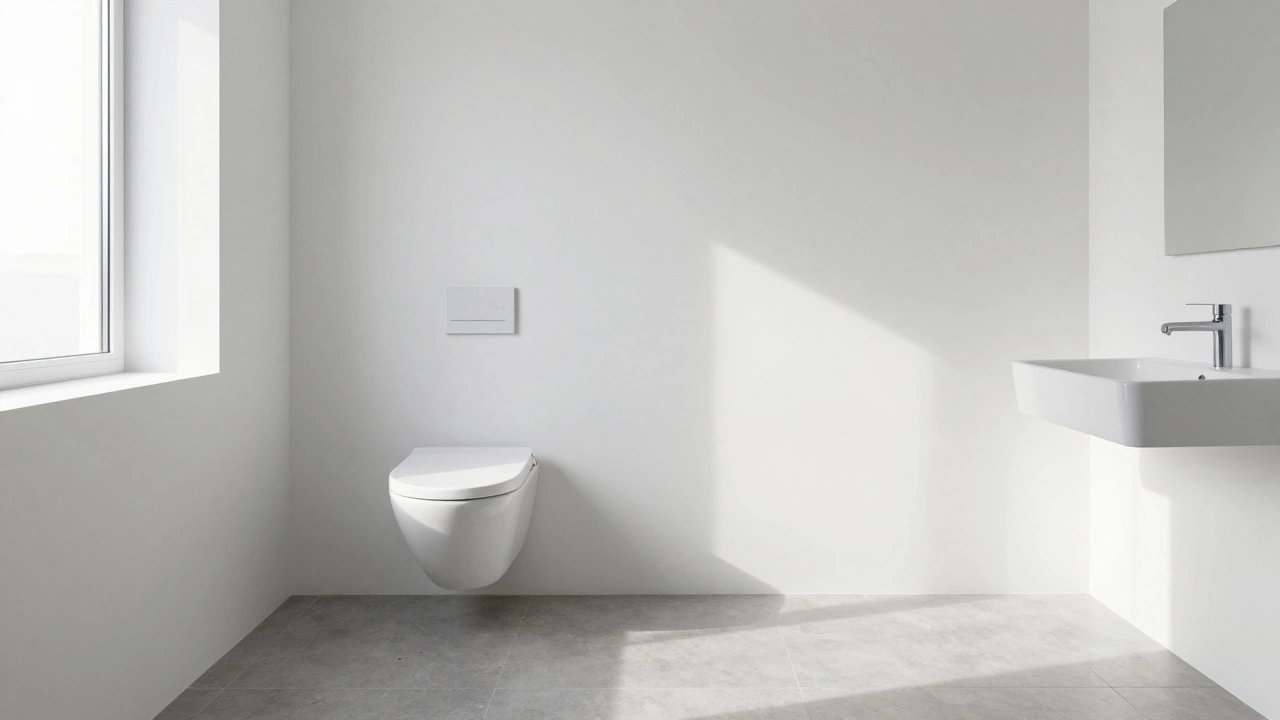
You can't have a bathroom without one. But not all toilets are created equal. Toilet is a sanitary fixture with a bowl and a flushing mechanism used for the disposal of human waste. In 2026, the focus has shifted heavily toward efficiency. For example, high-efficiency toilets (HETs) now use as little as 1.28 gallons per flush compared to the older 3.5-gallon models from the 80s.
If you're choosing a new one, think about the shape. A round bowl saves space in a tiny powder room, while an elongated bowl is generally more comfortable for daily use. Then there's the mounting: wall-hung toilets are great for keeping the floor clear, making it way easier to mop, but they require a more complex installation process inside the wall. Have you ever tried to clean around a pedestal? It's a nightmare. That's why floating designs are winning over homeowners who hate scrubbing corners.
The Grooming Hub: The Sink and Vanity
This is where you spend most of your active time. Vanity is a combination unit consisting of a bathroom sink and a storage cabinet. The sink handles the water, but the vanity handles the chaos. Without a vanity, your countertop becomes a graveyard of half-empty lotion bottles and random hair ties.
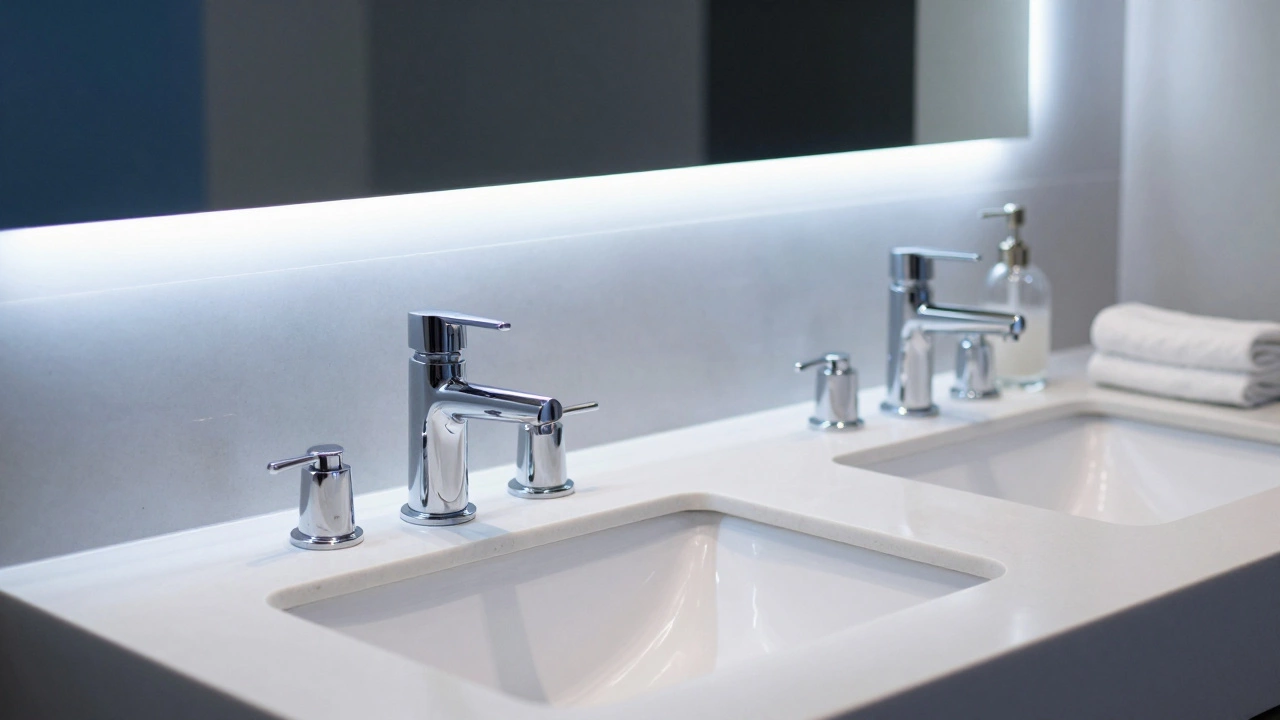
When picking a sink, consider the material. Vitreous china is the standard because it's tough and resists stains. However, if you want a more modern look, cultured marble or quartz is the way to go. If you have a partner or kids, a double vanity is a lifesaver. It stops the "you're in my way" arguments during the morning rush. Just keep in mind that a double sink eats up a lot of your available floor space, so measure twice before you buy. Pro tip: look for vanities with deep drawers rather than just shelves; you can fit way more stuff in a drawer, and it keeps the clutter out of sight.
The Cleaning Zone: Shower or Bathtub
Depending on your lifestyle, this piece is either for a quick scrub or a long soak. Shower is a bathing area where water is sprayed over the body, typically enclosed by a curtain or glass door. If you're tight on space, a walk-in shower with a glass panel makes the room feel twice as big because your eyes can see all the way to the wall.
On the flip side, a Bathtub is a large container for holding water in which a person may bathe. Many people now go for the "wet room" approach, where the tub is inside the shower area. This is a smart move for families with small children. If you're looking for a luxury upgrade, consider a freestanding soak tub. They look stunning, but be warned: they're harder to keep warm than built-in alcove tubs because they lose heat faster to the surrounding air.
The Visual Tool: The Mirror
A mirror is more than just a place to check if there's toothpaste on your chin. It's a tool for manipulating light. Mirror is a reflective surface, typically made of glass with a metal backing, used to see an image of oneself. In a small bathroom, a large mirror can literally double the perceived size of the room by reflecting the opposite wall.
Modern trends have moved toward LED-integrated mirrors. These provide a soft, even light that eliminates the harsh shadows you get from a single overhead bulb-perfect for shaving or applying makeup. If you're dealing with a foggy mirror after a hot shower, look for models with built-in defoggers. It's a small luxury that saves you from the ritual of wiping a circle in the steam with your hand.
The Organization Essential: Towel Rack and Bars
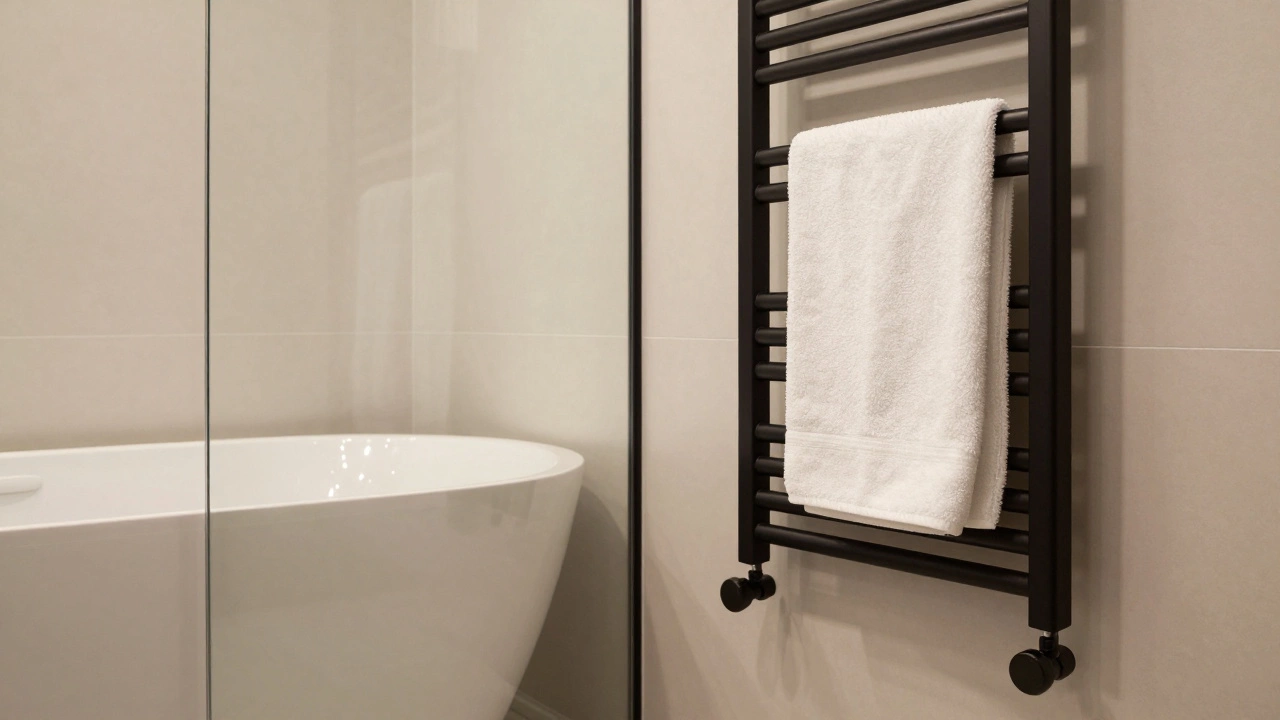
It sounds simple, but without a dedicated place for towels, your bathroom quickly becomes a damp mess. Towel Bar is a horizontal rod mounted to a wall used for hanging and drying towels. While a simple bar is classic, heated towel rails are becoming a standard in many modern homes. They don't just dry the towel; they warm it up, which is a game-changer during a cold winter morning.
If you have a family, a towel ring is better for hand towels, while a wide bar is better for full-sized bath towels. One mistake people make is installing the bar too low. If the towel touches the floor, it won't dry properly and will eventually smell like mildew. Aim for about 48 to 60 inches from the floor to keep everything fresh and off the ground.
| Piece | Budget Option | Luxury Option | Key Benefit |
|---|---|---|---|
| Toilet | Standard Two-Piece | Wall-Hung Smart Toilet | Hygiene & Space |
| Sink/Vanity | Pedestal Sink | Double Quartz Vanity | Storage & Utility |
| Shower/Tub | Acrylic Tub-Shower Combo | Walk-in Rain Shower | Cleanliness & Comfort |
| Mirror | Frameless Flat Mirror | Backlit LED Mirror | Lighting & Depth |
| Towel Rack | Chrome Towel Bar | Electric Heated Rail | Drying Efficiency |
How to Arrange These Pieces for Maximum Flow
Once you have your five pieces, you need to put them where they make sense. The most common layout is the "linear' approach, where the sink, toilet, and shower are along one wall. This keeps all the plumbing in one line, which saves you a fortune in installation costs. If you're remodeling, try to avoid moving the main waste line-that's where the real money disappears.
Think about the "wet-to-dry" transition. You want your towel rack within arm's reach of the shower or tub. There's nothing worse than having to walk across a cold floor to grab a towel while shivering. Also, place the toilet in the most private spot available, usually tucked behind a door or at the end of the vanity run. This creates a natural psychological divide between the "grooming" area and the "utility" area.
Common Pitfalls When Buying Bathroom Essentials
A lot of people focus on the looks and forget the specs. For instance, buying a massive vanity that blocks the door from opening fully. Always check your clearance zones. You need at least 21 to 30 inches of clear space in front of a toilet or sink to move comfortably. If you're squeezing in a small space, look for "compact" or "apartment-sized" fixtures specifically designed for tight quarters.
Another mistake is ignoring the finish. Mixing chrome, brushed nickel, and matte black can look eclectic if you're a pro, but for most people, it just looks accidental. Pick one metal finish and stick with it across all five pieces. It ties the room together and makes it feel like a cohesive design rather than a collection of random parts from a hardware store.
Can I combine the shower and tub into one piece?
Yes, a tub-shower combo is very common and a great way to save space. It's ideal for families with kids or for homes where you only have one bathroom and need it to do everything. However, if you have the space, a separate walk-in shower is generally more accessible and easier to clean as you age.
What is the most important piece for increasing home value?
The vanity and the shower usually offer the highest return on investment. A modern, clean vanity with a stone top and a spacious, glass-enclosed shower are the two things buyers notice first. While a nice toilet is expected, a luxury shower often sells the room.
Where should the towel rack go for best efficiency?
The towel rack should be placed as close to the exit of the shower or tub as possible without interfering with the door. This prevents water from dripping all over the bathroom floor and keeps your towels within easy reach the moment you turn off the water.
Do I really need a vanity, or is a pedestal sink better?
Pedestal sinks are beautiful and make a room feel airy, but they offer zero storage. If this is your only bathroom, you will likely regret not having a vanity. If it's a half-bath (powder room) used only by guests, a pedestal sink is a great, elegant choice.
How do I choose between a round or elongated toilet bowl?
Go with a round bowl if your bathroom is tiny and every inch counts. Choose an elongated bowl for better ergonomics and comfort. Just make sure you buy the correct seat for the bowl shape you choose, as they aren't interchangeable.
Next Steps for Your Bathroom Project
If you're just starting, grab a measuring tape and map out your floor. Mark the locations of your existing pipes-this will dictate where your bathroom accessories can realistically go. If you're on a budget, start by replacing the mirror and towel racks. These are the easiest updates that provide an immediate visual lift without requiring a plumber.
For those doing a full gut renovation, prioritize the "big three" first: the tub/shower, the toilet, and the vanity. Once those are locked in, the mirror and towel bars are simply the finishing touches. Don't forget to check your local building codes regarding ventilation; a high-quality exhaust fan is the invisible sixth piece that prevents your new investment from being ruined by mold and mildew.