Sofa Quality Inspector Tool
Select the features present in the sofa you are inspecting to calculate its estimated quality score and lifespan.
1. The Frame
2. Suspension System
3. Cushion Fillings
4. Upholstery Durability
You’ve seen the photos. You’ve sat on the showroom floor model that feels like a cloud. But when you get home, that same sofa starts to sag within six months. Sound familiar? Buying a sofa is one of the most expensive purchases you’ll make for your living room, yet it’s often the most overlooked until it breaks. Most people judge a sofa by its look or its price tag, but those are terrible indicators of longevity.
Quality isn’t about how much you pay; it’s about what’s hidden underneath the fabric. A high-quality sofa is a durable piece of furniture built with solid wood frames, high-resilience foam, and tightly woven fabrics designed to last decades. If you know where to look, you can spot a well-made sofa in under two minutes. Here is exactly how to inspect every component before you hand over your credit card.
The Frame: The Skeleton of Durability
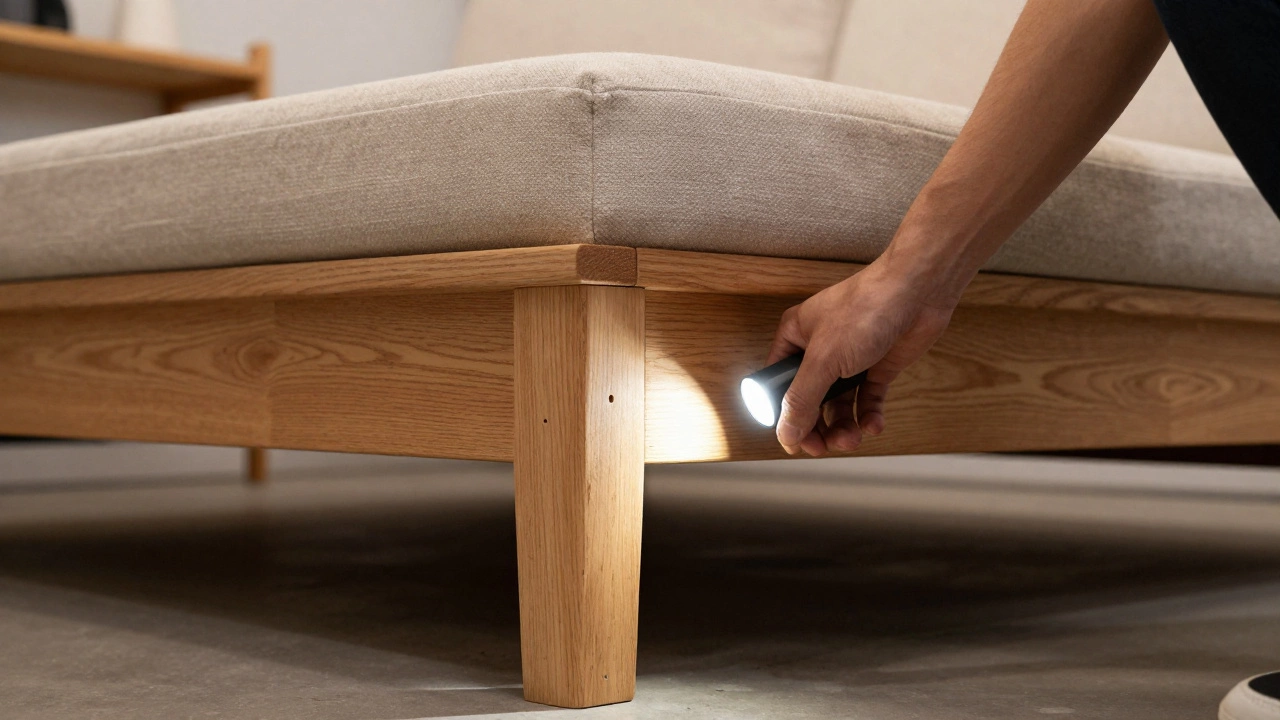
The frame is the backbone of any sofa. If the frame fails, the rest of the sofa doesn’t matter. When you’re shopping, ignore the cushions for a moment and lift the front corner of the sofa. Yes, really. If you can’t lift it, ask the salesperson to help you, or move on to a different store. A quality sofa should feel substantial but not impossibly heavy due to cheap particle board.
Once lifted, shine a flashlight under the base. What do you see?
- Solid Hardwood: Look for kiln-dried hardwoods like oak, ash, maple, or beech. These woods are strong, resist warping, and handle the stress of daily use. Kiln-drying removes moisture from the wood, preventing it from shrinking or expanding with humidity changes.
- Plywood vs. Particle Board: Some manufacturers use plywood for joints, which is acceptable if it’s high-grade. However, avoid particle board, MDF (medium-density fiberboard), or softwoods like pine. These materials compress over time, leading to squeaks and structural failure.
- Joinery Matters: Check how the pieces connect. Dovetail joints, mortise-and-tenon joints, or double-doweled corners reinforced with screws and glue are the gold standard. Staples alone? That’s a red flag. Nails without glue? Another red flag.
If the frame is made of engineered wood or plastic, expect the sofa to last maybe three years. With solid hardwood and proper joinery, you’re looking at ten to twenty years of reliable use.
The Suspension System: Why Bounce Matters
Between the frame and the seat cushions lies the suspension system. This is what gives your sofa its support and resilience. There are three main types, and they vary wildly in quality.
| Type | Durability | Comfort Level | Best For |
|---|---|---|---|
| Eight-Way Hand-Tied Springs | Excellent (20+ years) | Firm, supportive, molds to body | High-end traditional sofas |
| Helical Springs (Sinuous) | Good (10-15 years) | Bouncy, softer feel | Modern, contemporary designs |
| Elastic Webbing | Poor (3-5 years) | Sags quickly, minimal support | Budget rentals, temporary spaces |
Eight-way hand-tied springs are the premium choice. Each spring is individually tied to the frame with twine, allowing them to move independently. This provides superior support and prevents the “hammock effect” where the middle sags. If you can access the underside, look for these small, round coils connected by string.
Helical springs, also known as sinuous springs, are S-shaped metal wires that run across the width of the sofa. They’re cheaper to produce and lighter, making them common in modern sofas. While not as durable as hand-tied springs, good-quality helical systems still offer decent support. Check the gauge of the wire-thicker wire means better durability.
Avoid elastic webbing entirely unless you’re buying a throwaway piece. It stretches out quickly, leaving you sitting on the frame. Sit on the sofa and press down firmly. Does it bounce back immediately? Or does it stay depressed? Immediate rebound indicates a healthy suspension system.
Cushion Fillings: Density Over Fluff
Cushions are what you actually sit on, so their quality dictates your daily comfort. Manufacturers use various fillings, but two factors matter most: density and resiliency.
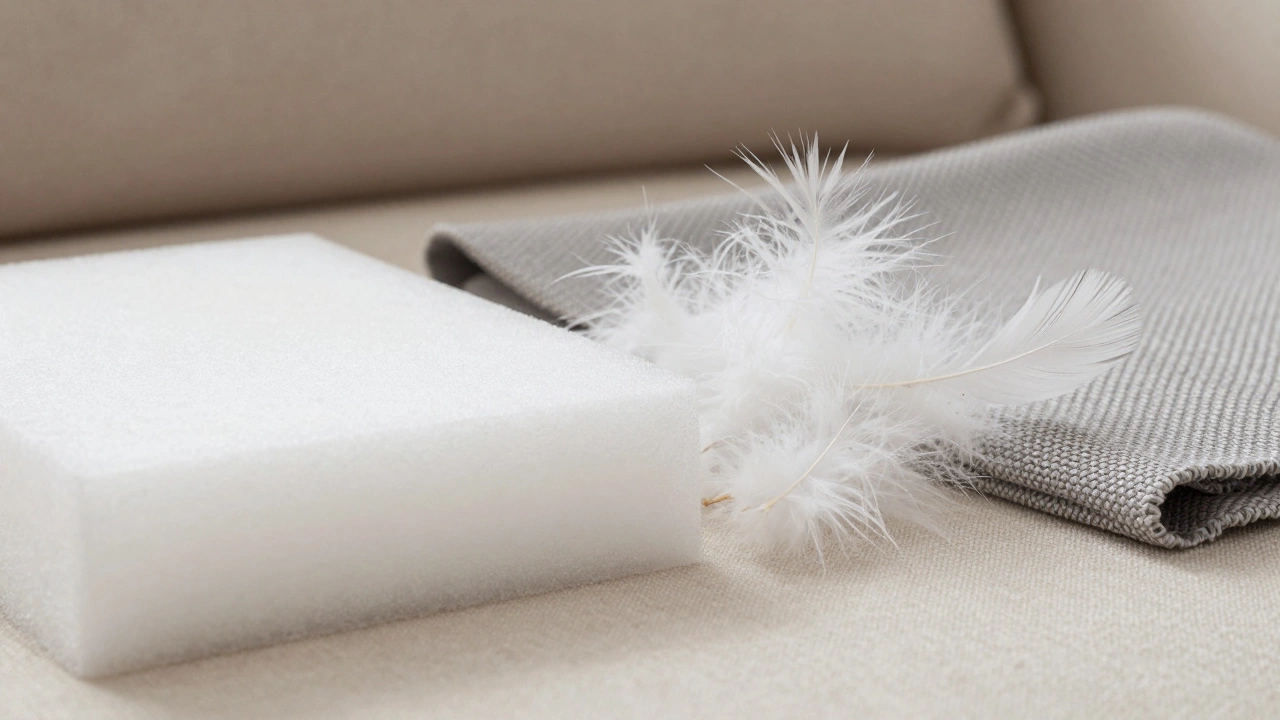
High-Density Foam is the industry standard for quality. Look for foam with a density of at least 1.8 pounds per cubic foot (PCF). Anything below 1.5 PCF will flatten rapidly. You won’t find this number printed on the tag usually, but you can test it. Press your fist into the cushion. If it sinks in too easily and stays indented, the foam is low-density. Good foam offers resistance and slowly returns to shape.
Down and Feather Blends offer luxury comfort but require maintenance. Pure down is incredibly soft but lacks support. A blend of 50% down and 50% feathers or foam provides a balance of plushness and structure. Be prepared to fluff these cushions daily. If you hate tidying up, stick to foam.
Down-Alternative Fibers mimic the feel of down without the allergens or maintenance. They’re lightweight and affordable but tend to clump over time. They’re fine for occasional seating but not for a primary family sofa.
Ask the retailer for the cushion specifications. Reputable brands will proudly share the foam density and filling composition. If they hesitate, assume it’s low-quality polyfill.
Upholstery: Fabric vs. Leather
The covering protects the inner components and defines the style. But not all fabrics are created equal. Durability is measured in "double rubs" using the Wyzenbeek or Martindale tests. This measures how many times a fabric can be rubbed back and forth before showing wear.
- Light Residential Use: 9,000-15,000 double rubs. Suitable for guests who rarely sit on the sofa.
- Heavy Residential Use: 15,000-30,000 double rubs. Ideal for families with kids or pets.
- Commercial Grade: 30,000+ double rubs. Built for restaurants and offices, extremely durable.
Natural Fibers like cotton and linen look beautiful but stain easily and wear faster. Linen wrinkles naturally, which some love and others hate. Cotton blends are more durable than pure cotton.
Synthetic Fabrics like polyester, nylon, and olefin are tough. Olefin is particularly resistant to stains, fading, and moisture, making it great for outdoor or high-traffic indoor use. Microfiber is another excellent option-it’s soft, durable, and easy to clean.
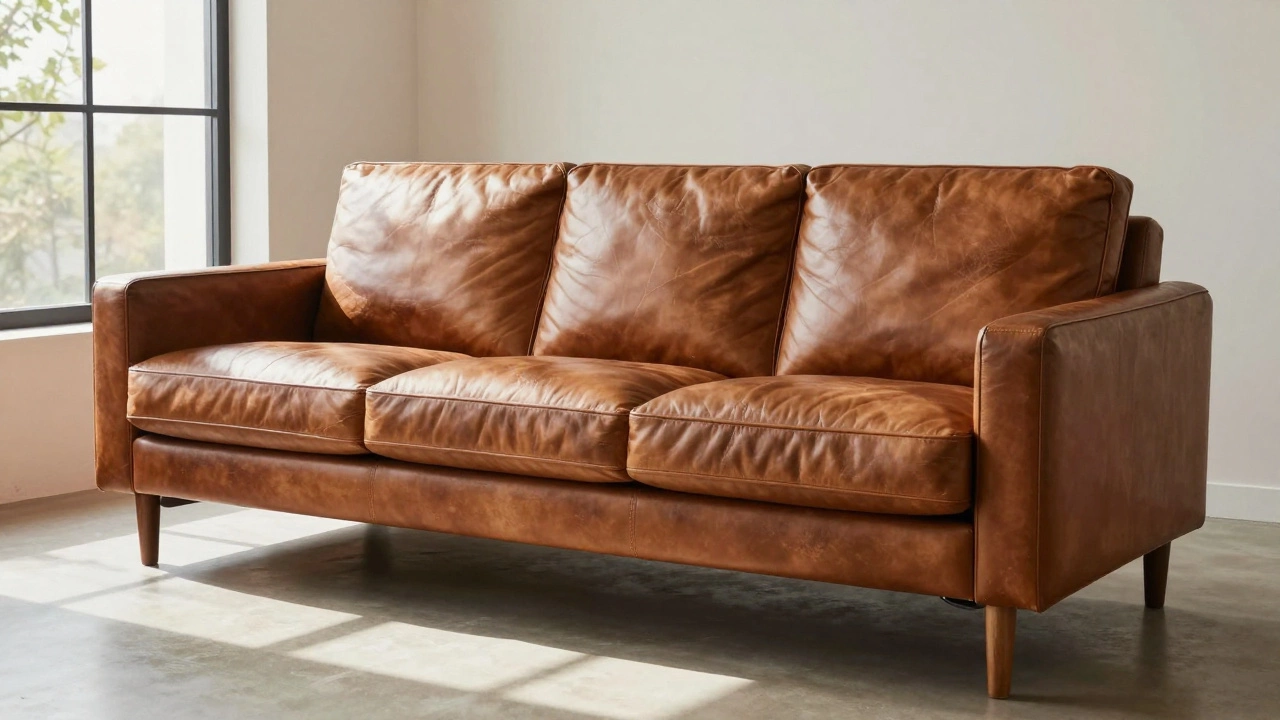
Leather requires a different evaluation. Full-grain and top-grain leather are the best choices. They develop a patina over time and can last decades. Avoid bonded leather or corrected grain leather, which are essentially scraps glued together and coated with plastic. These peel and crack within a few years. Run your hand over the leather. If it feels perfectly uniform and plastic-like, it’s likely corrected grain. Natural variations in texture indicate genuine full-grain leather.
Construction Details: The Devil in the Stitching
Zoom in on the seams and edges. Quality construction shows in the details. Double-stitched seams are stronger and less likely to unravel than single stitches. Check the piping-the trim around the edges of the cushions. Is it tight and straight? Loose or wavy piping suggests rushed assembly.
Look at the arms. Are they attached securely to the frame? Armless sofas or those with loose-back designs often have simpler constructions, but the attachment points must still be robust. Pull gently on the armrest. If it wobbles or shifts, the internal support is weak.
Check the legs. Wooden legs screwed into the frame are preferable to plastic caps or thin metal rods. Ensure the legs are level and sturdy. Uneven legs cause uneven weight distribution, stressing the frame prematurely.
Red Flags to Walk Away From
Even if a sofa looks stunning, certain signs indicate poor quality. Don’t let aesthetics blind you to structural flaws.
- Squeaking: Sit on the sofa and shift your weight. Any creaking or squeaking suggests loose joints or inadequate gluing.
- Visible Gaps: Large gaps between cushions or between the cushion and the frame indicate poor fit and potential sagging.
- Thin Backing: Lift the cushion cover (if possible) or check the underside. Thin, flimsy backing fabric tears easily.
- Lack of Warranty: Reputable manufacturers stand behind their products. A warranty of five years or more on the frame and mechanism is a good sign. One-year warranties suggest expected failure rates.
Making the Final Decision
Buying a high-quality sofa takes patience. Don’t rush. Visit multiple showrooms. Sit on the sofas for at least ten minutes each. Read reviews focusing on long-term ownership experiences, not just first impressions. Ask questions about materials and construction. If a seller can’t explain why their sofa is durable, choose someone who can.
Remember, a quality sofa is an investment. It shapes your living space and supports your relaxation for years. By checking the frame, suspension, cushions, and upholstery, you ensure that investment pays off in comfort and longevity.
What is the most important part of a sofa to check?
The frame is the most critical component. Without a solid hardwood frame and proper joinery, even the best cushions and fabric will fail prematurely. Always check for kiln-dried hardwood and dovetail or mortise-and-tenon joints.
How do I know if a sofa cushion is high quality?
Press firmly into the cushion. High-quality foam has a density of at least 1.8 PCF and offers resistance, bouncing back slowly rather than staying indented. Down blends should feel fluffy but supportive, requiring regular fluffing.
Is expensive always better for sofas?
Not necessarily. Price often reflects brand markup, design trends, or marketing. Focus on construction materials like hardwood frames and high-density foam. A mid-priced sofa with superior internals will outlast a luxury brand with cheap particle board.
What is the difference between eight-way hand-tied springs and sinuous springs?
Eight-way hand-tied springs are individually tied to the frame, offering superior support and longevity (20+ years). Sinuous (helical) springs are continuous S-shaped wires running across the frame, providing a bouncier feel but generally lasting 10-15 years.
How many double rubs should a sofa fabric have?
For heavy residential use with kids or pets, aim for 15,000 to 30,000 double rubs. Light use requires only 9,000+. Commercial grade exceeds 30,000. This rating indicates abrasion resistance and durability.