Sofa Quality & Cost Estimator
Configure Your Needs
Estimated Investment
Good QualityExpected Lifespan: 7 - 15+ Years
Why This Price?
Select your preferences and click calculate to see the estimated price range and quality breakdown.
What Does 'Good Quality' Actually Mean for a Sofa?
You walk into a showroom. You see a sleek, modern sofa is a piece of upholstered furniture designed for seating two or more people. It looks stunning. The tag says £450. Your heart skips a beat-until you sit down. It feels like sitting on a bag of potatoes wrapped in thin fabric. Six months later, the cushions sag, and the frame creaks. Now you’re back at square one, wondering why cheap didn’t mean cheerful.
The real question isn’t just about price tags; it’s about value. When we talk about a "good quality" sofa, we aren’t talking about luxury leather or designer labels. We are talking about structural integrity, material durability, and comfort that lasts years, not months. In 2026, the market is flooded with options ranging from fast-furniture disposables to heirloom-quality pieces. Knowing where to draw the line saves you money in the long run because you won’t be replacing your main living room centerpiece every three years.
The Hidden Costs: What You Are Really Paying For
Price is a reflection of materials and labor. If you ignore these factors, you are guessing. Let’s break down what actually drives the cost up or down. Understanding these components helps you spot a steal versus a rip-off.
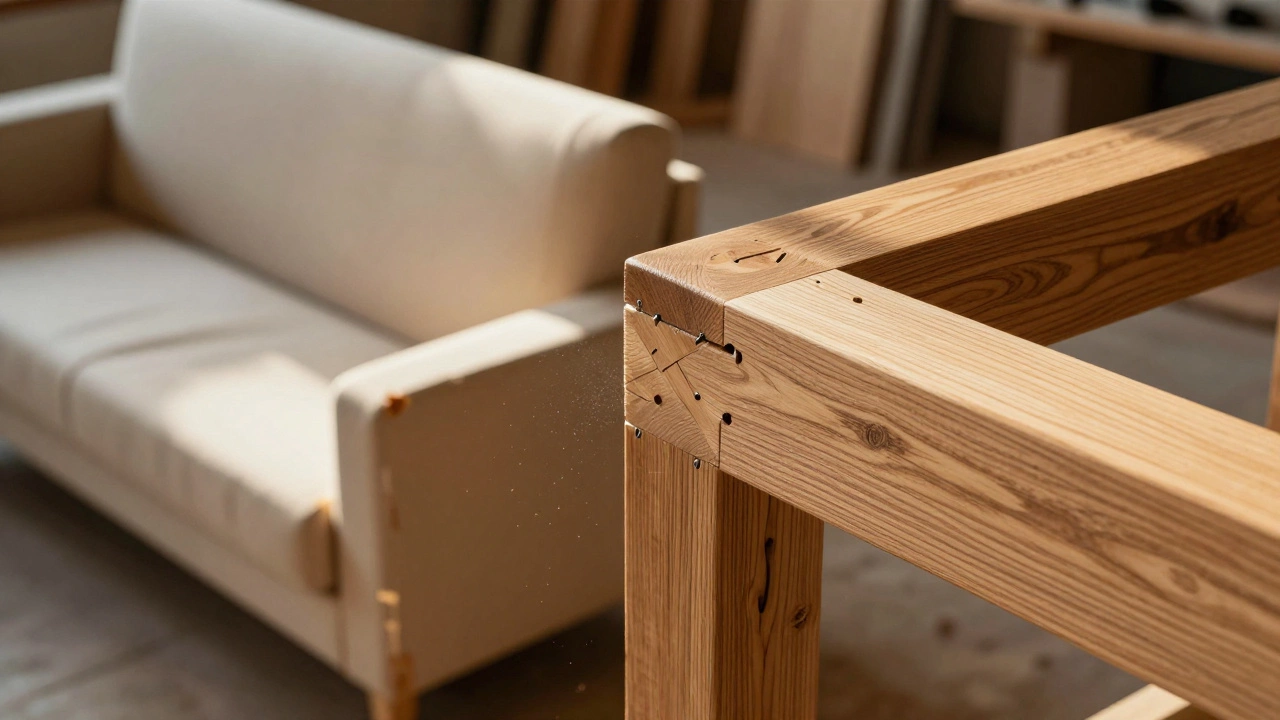
- The Frame: This is the skeleton. Cheap sofas use particleboard, MDF, or glued-together softwoods like pine. These materials warp, crack, and fail under weight over time. A good quality sofa uses kiln-dried hardwoods like oak, ash, or maple, joined with mortise-and-tenon joints or double-doweled connections. This alone adds significant cost but ensures the sofa stays square for decades.
- The Suspension: Look underneath. Do you see zigzag springs (sinuous springs) stapled directly to the frame? That’s budget. Better quality uses eight-way hand-tied coils, which provide superior support and prevent that dreaded "hammock" effect in the middle seat. High-density foam blocks are also common in mid-range options, offering firm support without the bounce of springs.
- The Cushion Fill: Here is where comfort meets longevity. Low-resilience polyurethane foam collapses quickly, leading to permanent indentations. High-resilience (HR) foam retains its shape. Down blends offer plushness but require fluffing. A mix of high-density foam core with a down wrap offers the best balance of support and sink-in comfort, though it costs more than plain foam.
- The Upholstery: Fabric matters. Polyester and acrylic blends are durable and stain-resistant but can feel plastic-like. Natural fibers like cotton and linen breathe better and age gracefully but may wrinkle or fade. Top-grain leather develops a patina and lasts forever, while bonded leather peels within a year. The weave density (rub count) indicates durability-a higher rub count means the fabric resists pilling and tearing.
Price Ranges Breakdown: What to Expect in 2026
Let’s get specific with numbers. Prices vary by region and brand, but here is a realistic breakdown for a standard three-seater sofa in the UK and US markets as of 2026. Keep in mind that shipping and assembly fees can add 10-20% to these base prices.
| Price Range (GBP) | Frame Material | Suspension | Expected Lifespan | Best For |
|---|---|---|---|---|
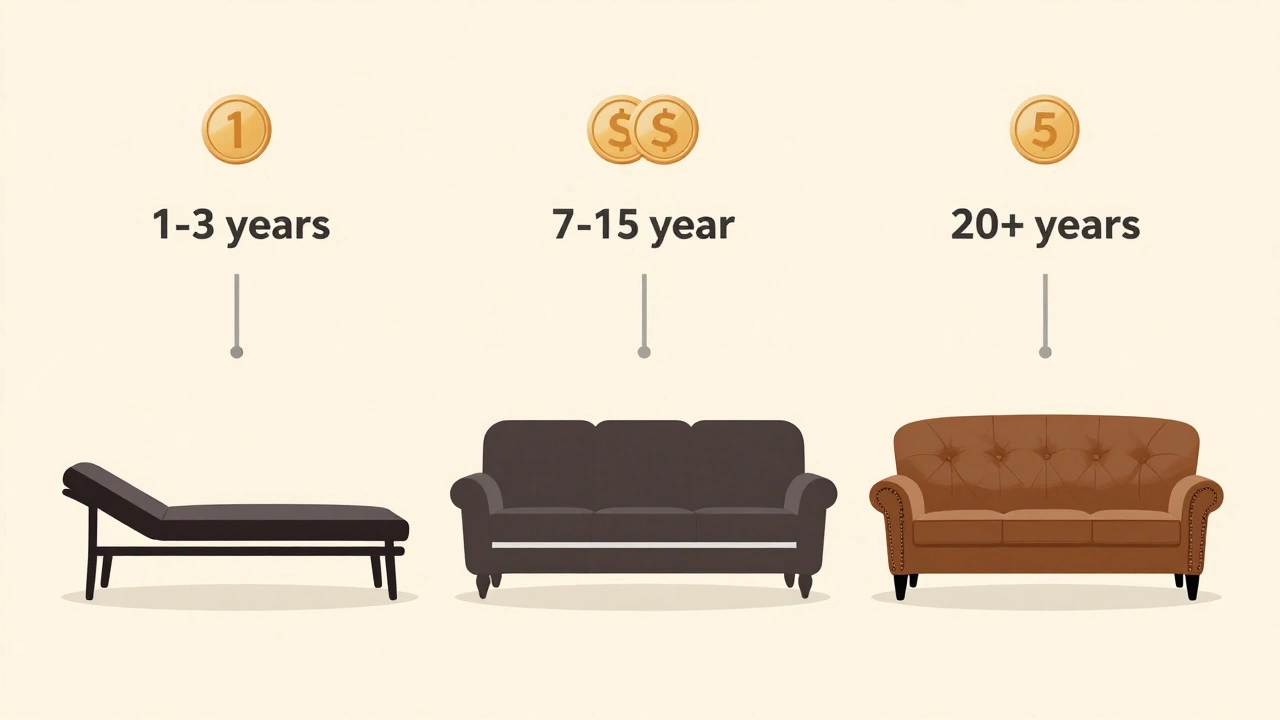
| £300 - £600 | Particleboard / Softwood | Zigzag Springs / Low-Density Foam | 1 - 3 Years | Temporary housing, guest rooms, tight budgets |
| £600 - £1,200 | Kiln-Dried Pine / Plywood | Sinuous Springs / Medium-Density Foam | 3 - 7 Years | Average households, occasional use |
| £1,200 - £2,500 | Oak / Ash / Hardwood | Eight-Way Hand-Tied / High-Density Foam | 7 - 15+ Years | Daily use, families, pet owners, long-term investment |
| £2,500+ | Custom Hardwood / Metal | Custom Coil Systems / Premium Leather/Down | 15 - 25+ Years | Luxury homes, design enthusiasts, heirloom pieces |
If you want a sofa that truly qualifies as "good quality"-meaning it will survive daily life, kids, pets, and moving houses-you should aim for the £1,200 to £2,500 range. Below £800, you are almost always compromising on the frame or suspension. Above £2,500, you start paying for brand prestige, exotic materials, or custom craftsmanship rather than just basic durability.
Brand Reputation vs. Independent Craftsmanship
Big-box retailers often dominate the low-end market. They move volume quickly, which keeps prices down but quality inconsistent. Brands like IKEA or Wayfair have improved their mid-range offerings, but even their "premium" lines rarely match the construction standards of dedicated furniture makers.
On the other hand, independent manufacturers and heritage brands charge more because they source locally, pay fair wages, and use traditional joinery techniques. For example, a sofa made by a small workshop in Yorkshire might cost £1,800, while a similarly sized model from a mass-market chain costs £900. The difference? The independent maker uses solid oak rails and hand-tied springs. The mass-market version uses compressed wood panels and synthetic webbing. Over ten years, the independent sofa holds its shape; the mass-market one sags and breaks. You are paying for engineering, not just aesthetics.
Signs You Are Getting a Bad Deal
Not all expensive sofas are good, and not all affordable ones are terrible. However, there are red flags that indicate poor construction regardless of the price tag. Watch out for these issues before you buy:
- Wobbly Base: Stand up on the sofa. If it rocks side-to-side or front-to-back, the frame is unbalanced or poorly joined. A sturdy sofa should feel like a single, solid unit.
- Thin Backing: Pull the cushion aside. If you can see through the fabric to the frame easily, or if the backing fabric is flimsy and transparent, the internal structure is likely weak.
- No Warranty Details: Reputable brands offer warranties of at least five years on the frame and suspension. If a company refuses to put their warranty in writing or only covers "defects" narrowly, they don’t believe in their product’s longevity.
- Uncomfortable Edges: Sit on the edge. If it feels sharp or hard, the cushioning is insufficient. Good sofas have rolled or eased edges that distribute weight evenly.
- Fabric Pilling: Rub the fabric vigorously with your hand. If it pills immediately or feels rough, it will wear out quickly with regular use.
How to Stretch Your Budget Without Sacrificing Quality
Buying a quality sofa doesn’t have to break the bank. Here are practical strategies to get the most value for your money:
Buy Off-Season: Furniture sales peak around holidays like Black Friday, Easter, and end-of-financial-year sales. Buying in January or August often yields discounts of 10-20% on current stock.
Consider Floor Models: Showrooms display sofas for months. While they’ve been sat on, they are usually inspected and repaired. You can often negotiate a significant discount on floor samples, especially if minor scuffs are present.
Choose Neutral Fabrics: Trendy colors go out of style. A neutral grey, beige, or navy sofa lasts longer aesthetically. If you want color, use throw pillows and blankets, which are cheaper to replace than reupholstering an entire sofa.
Invest in a Slipcover: If you love a specific look but hate the price, consider a well-made slipcover. It protects the underlying fabric from stains and wear, extending the life of a mid-range sofa significantly.
Maintenance Tips to Extend Sofa Life
Even the most expensive sofa will degrade if neglected. Simple maintenance habits can add years to its lifespan:
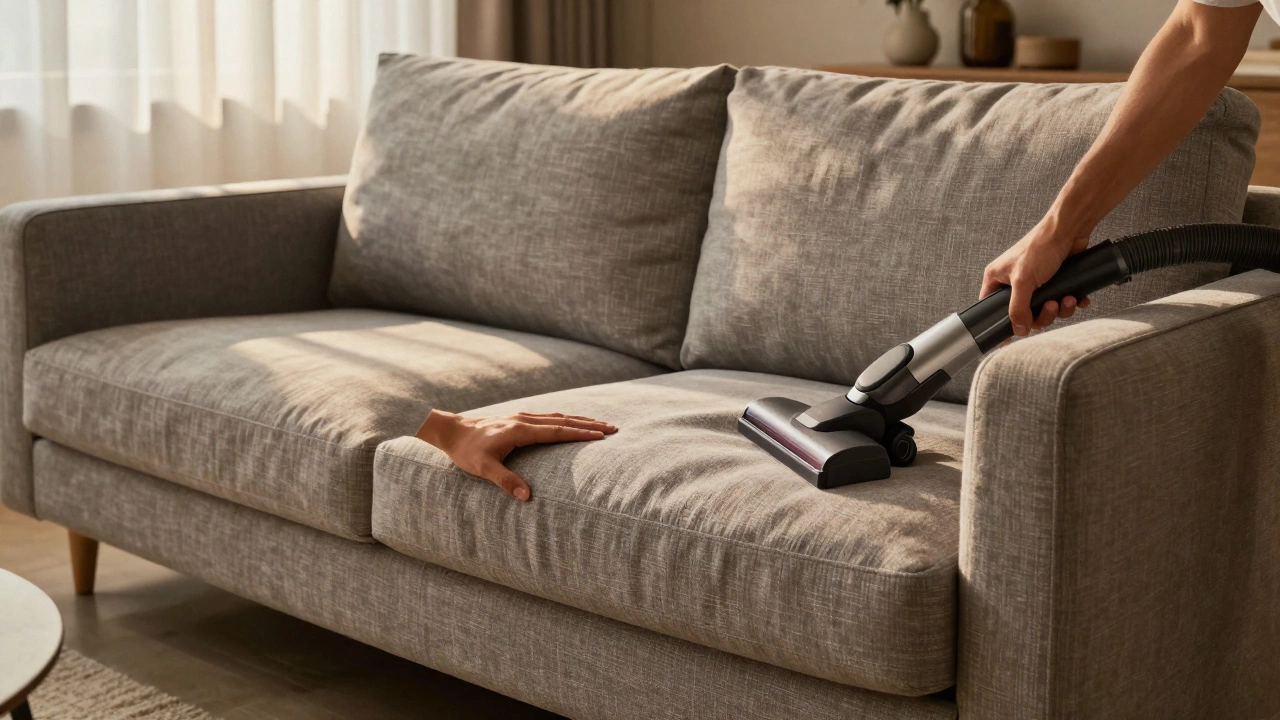
- Vacuum Regularly: Dust and crumbs settle deep into crevices, attracting pests and breaking down fibers. Use the upholstery attachment weekly.
- Rotate Cushions: Flip and rotate seat cushions monthly to ensure even wear. This prevents one side from sagging faster than the other.
- Clean Spills Immediately: Blot, don’t rub. Rubbing pushes stains deeper into the fabric. Use a cleaner appropriate for the fabric type (water-based for synthetics, solvent-based for naturals).
- Avoid Direct Sunlight: UV rays fade fabrics and dry out leather. Use curtains or blinds to protect your sofa during peak sun hours.
- Don’t Sit on the Arms: Unless designed for it, sitting on the armrests stresses the joints and can cause the frame to loosen over time.
When to Upgrade vs. Repair
Sometimes, a sofa is beyond saving. Knowing when to cut your losses is part of smart spending. If the frame is broken, repair costs often exceed the value of the sofa. However, if the issue is just worn cushions or stained fabric, refoaming or reupholstering can cost half as much as a new purchase and breathe new life into a structurally sound piece. Consult a local upholsterer-they can tell you if the frame is worth saving.
Is it worth spending more than £2,000 on a sofa?
It depends on your usage and priorities. If you want a piece that lasts 20+ years, uses premium materials like top-grain leather or high-end linen, and features custom craftsmanship, yes. For average households, a £1,200-£2,000 sofa offers the best balance of durability and cost. Spending more often pays for brand name or aesthetic uniqueness rather than functional superiority.
What is the best fabric for a sofa with pets?
Microfiber, tightly woven polyester, and performance fabrics like Crypton are excellent choices. They resist claws, repel stains, and are easy to clean. Avoid loose weaves like linen or velvet, which snag easily and trap hair. Leather is also a great option as it wipes clean and doesn’t hold odors.
How do I know if a sofa frame is strong?
Look for kiln-dried hardwoods like oak, ash, or maple. Check the joints: mortise-and-tenon or double-doweled joints are stronger than staples or glue. Stand on the sofa-if it wobbles or makes cracking sounds, the frame is weak. Ask the retailer for details on the wood type and joinery method.
Are online sofa reviews reliable?
They can be, but read between the lines. Look for reviews mentioning long-term use (6+ months). Ignore one-star reviews complaining about delivery delays unless multiple people mention it. Focus on comments about comfort, sagging, and fabric durability. Video reviews are often more trustworthy than text-only ones.
Can I return a sofa if it’s uncomfortable?
Many retailers offer trial periods (e.g., 30-100 days), but terms vary. Some charge restocking fees or require you to cover return shipping. Always check the return policy before buying. Test the sofa thoroughly in-store first-sit on it for at least 10 minutes to gauge true comfort.