Rug Layering Suitability Checker
Your Setup Details
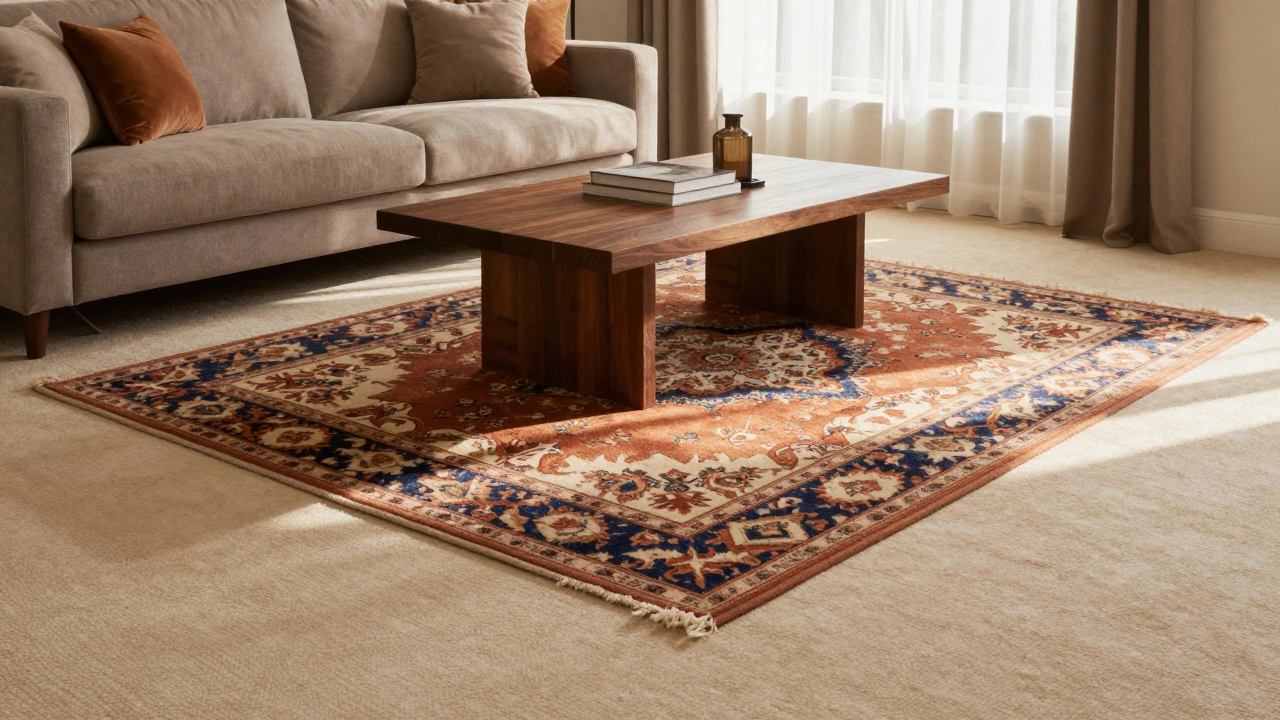
You’ve just moved into a new place, or maybe you’re finally tired of the beige wall-to-wall flooring that has been staring at you for years. You find the perfect area rug is a portable floor covering used to add texture, color, and warmth to a room online-something with character, pattern, and soul. But then the doubt creeps in. Is it dumb to put a rug over carpet? Does it look weird? Will it slide around like an ice rink?
The short answer is no. It is not dumb. In fact, layering rugs is one of the most effective ways to update a space without ripping out expensive flooring. However, doing it wrong can lead to tripping hazards, damaged carpets, or a messy aesthetic. If you want your home to feel curated rather than cluttered, you need to understand the mechanics of why this works and how to execute it properly.
Why People Layer Rugs Anyway
Before we get into the "how," let’s talk about the "why." Most people who ask if this is a bad idea are worried about looking tacky. They aren’t. Here is what drives the trend:
- Defining Zones: In open-plan living areas, a rug anchors the furniture. If your existing carpet is too plain, adding a patterned rug creates a visual boundary between the living room and the dining area.
- Hiding Wear and Tear: High-traffic zones near doorways or under coffee tables often show wear first. A durable rug protects the underlying carpet from further damage.
- Temperature Control: Carpet provides insulation, but not always enough. Adding a wool or jute rug adds another layer of thermal resistance, keeping rooms warmer in winter.
- Aesthetic Upgrade: Builder-grade carpet is rarely stylish. An area rug allows you to inject personality, color, and texture that matches your decor rather than the builder’s catalog from 2015.
When done correctly, this technique transforms a generic room into a designed space. The key is intentionality. You aren’t covering up a mistake; you are enhancing the foundation.
The Risks: When It Actually Goes Wrong
It’s not all sunshine and soft fibers. There are legitimate reasons why some homeowners hesitate. Ignoring these risks can turn a nice idea into a nuisance.
| Risk Factor | The Problem | The Solution |
|---|---|---|
| Slipping | Rugs slide on low-pile carpet, creating tripping hazards. | Use a high-grip non-slip pad designed specifically for carpet. |
| Bunching | Thin rugs wrinkle and fold, causing trips and uneven surfaces. | Choose rugs with natural backing (like jute) or use double-sided tape. |
| Mold & Mildew | Poor ventilation traps moisture between layers, leading to odors. | Ensure proper airflow; avoid placing rugs in damp basements without dehumidifiers. |
| Damage to Carpet | Heavy furniture legs can crush the carpet pile underneath. | Use protective coasters under furniture legs or choose lighter rugs. |
The biggest complaint I hear isn’t about looks-it’s about movement. Nothing ruins the vibe faster than having to kick your rug back into place every time you walk across the room. This happens when you skip the right underlay. Standard rubber pads meant for hard floors often fail on carpet because they don’t have enough friction against the synthetic fibers of wall-to-wall flooring.
Choosing the Right Rug Material
Not all rugs are created equal when it comes to layering. The material you choose dictates how the rug interacts with the carpet beneath it. You want something that breathes, grips, and complements the existing texture.
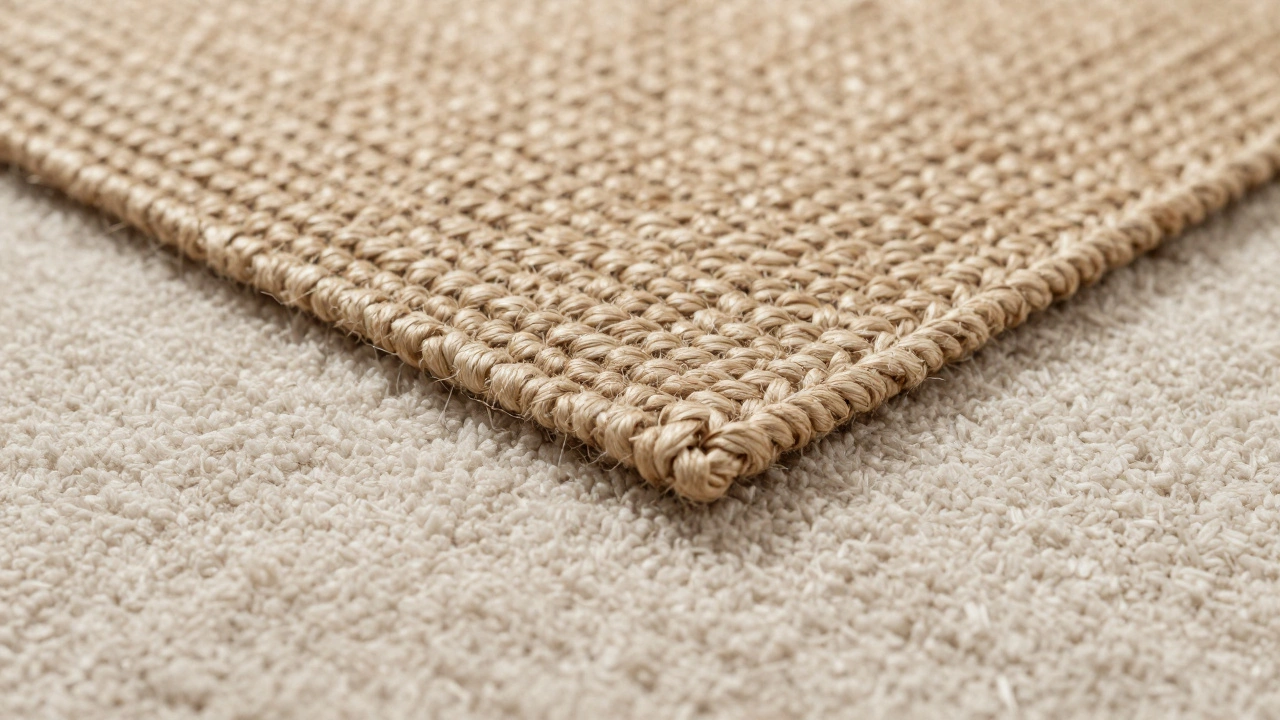
Natural Fibers: Jute, sisal, and seagrass are excellent choices. They have a rougher backing that naturally grips carpet fibers. Plus, their organic texture contrasts beautifully with the smooth, uniform look of most residential carpets. Just be aware that natural fibers can shed initially, so vacuum frequently.
Wool: Wool rugs are luxurious and durable. They provide significant cushioning, which might make the combined thickness of carpet plus rug too high for doorways. Check your clearance before committing to a thick wool pile.
Synthetic Blends: Polyester and nylon rugs are easy to clean and often cheaper. However, many have plastic-like backings that slide easily. If you choose a synthetic rug, you will almost certainly need a specialized non-slip pad to keep it in place.
Avoid rugs with latex or heavy rubber backings if you plan to leave them in one spot for months. These materials can sometimes discolor certain types of carpet fibers over time due to chemical reactions, especially in warm rooms.
How to Secure Your Rug Properly
This is the step that separates a pro look from a DIY disaster. You cannot simply lay the rug down and hope for the best. Here is the process to ensure stability:
- Clean Both Surfaces: Vacuum the wall-to-wall carpet thoroughly. Remove any dust or debris that could cause bumps under the rug. Clean the underside of the area rug as well.
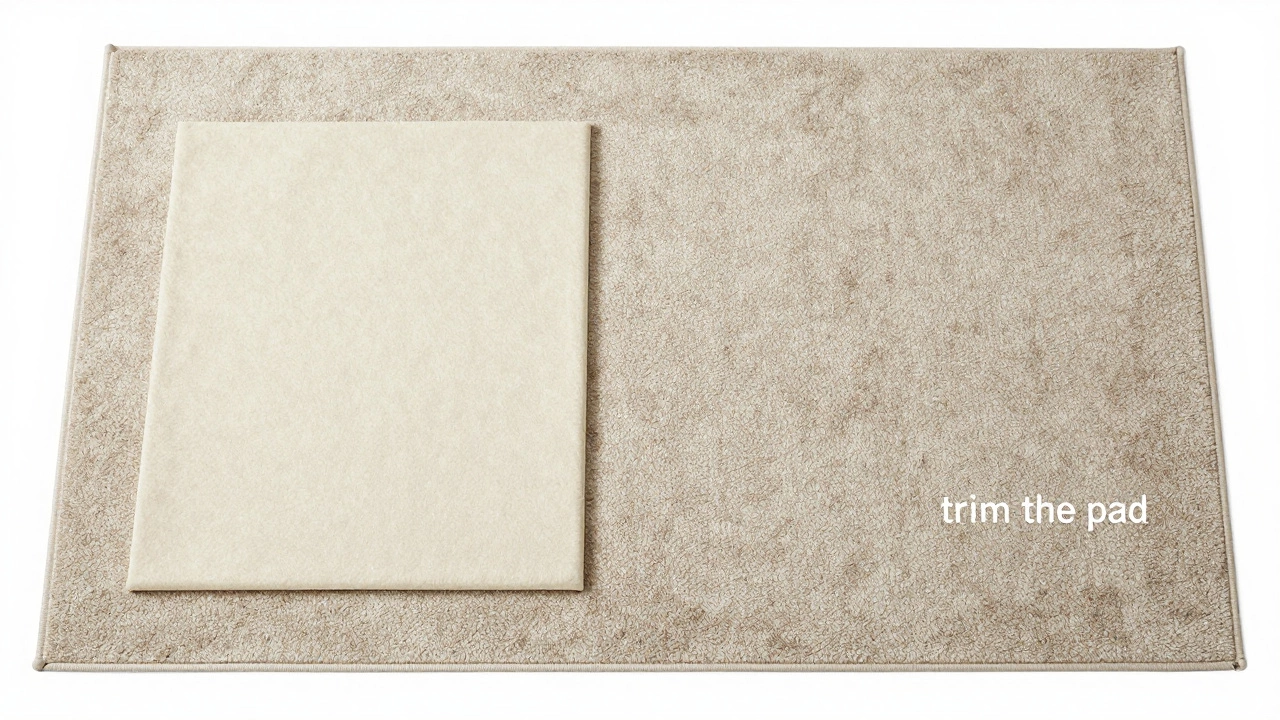
- Select the Right Pad: Look for a "carpet-to-carpet" gripper pad. These are usually made of felt with a silicone or rubberized coating on one side. They add grip without adding excessive height.
- Trim the Pad: Cut the non-slip pad slightly smaller than the rug itself. This ensures the edges of the rug remain flat and visible, while the pad stays hidden underneath.
- Position and Press: Place the pad on the carpet, then lay the rug over it. Walk over the entire surface, pressing down firmly to activate the adhesive properties of the pad.
- Use Tape for Edges (Optional): For extra security, especially in high-traffic areas, use double-sided carpet tape along the perimeter. Make sure the tape is rated for carpet use to avoid residue.
If you live in a rental and worry about damaging the landlord’s carpet, stick to felt-based pads. They are gentle on fibers and remove cleanly. Avoid strong adhesives that might pull out carpet loops when you eventually take the rug down.
Design Rules for a Cohesive Look
Just because you *can* put a rug over carpet doesn’t mean you should ignore design principles. A poorly chosen rug can make a room feel chaotic rather than cozy. Follow these guidelines to keep things looking intentional:
- Contrast is Key: If your wall-to-wall carpet is neutral (beige, gray, cream), choose a rug with bold patterns, dark colors, or distinct textures. If the carpet is already patterned, go for a solid-colored rug to balance the visual noise.
- Scale Matters: The rug should be large enough to anchor your main furniture pieces. At minimum, the front legs of sofas and chairs should rest on the rug. Small throw rugs scattered over carpet can look accidental unless you are going for a specific bohemian style.
- Leave Borders Visible: Don’t cover the entire floor. Leaving 12-18 inches of the original carpet visible around the edges creates a frame effect that makes the rug look deliberate. It also helps define the room’s boundaries.
- Match the Room’s Function: In a bedroom, prioritize comfort and softness. In a living room or entryway, prioritize durability and ease of cleaning. A delicate silk rug over high-traffic carpet is a recipe for frustration.
Think of the wall-to-wall carpet as your canvas and the area rug as your painting. You want the painting to stand out, not blend in until it disappears.
Maintenance and Care
Layering rugs adds complexity to your cleaning routine. Dust and dirt can get trapped between the two layers, leading to allergens and odors if not managed properly.
Vacuum both the top rug and the exposed carpet regularly. Use a brush attachment to gently lift debris from the edges where the rug meets the carpet. Every few months, consider lifting the rug to vacuum the carpet underneath. This prevents matting and keeps the air circulating.
If you spill something, act quickly. Blot, don’t rub, and ensure the liquid doesn’t soak through to the lower carpet layer. Some stains can migrate downward, leaving a ghost mark on your permanent flooring even after the rug is cleaned.
Will putting a rug over carpet damage the carpet underneath?
Generally, no. As long as you use a breathable rug and a proper non-slip pad, there is little risk of damage. However, avoid rugs with harsh rubber backings that may discolor synthetic carpet fibers over time. Also, ensure furniture legs do not crush the carpet pile by using protective coasters.
Do I need a rug pad if I’m placing a rug on carpet?
Yes, you do. While carpet provides some cushioning, it does not prevent slipping. A specialized carpet-to-carpet gripper pad prevents the rug from sliding, bunching, or wrinkling. It also adds an extra layer of insulation and comfort underfoot.
What size rug should I buy for a carpeted room?
Choose a rug that allows at least 12 to 18 inches of the original carpet to show around the edges. The rug should be large enough to accommodate the front legs of all major furniture pieces in the seating area. This creates a cohesive look and defines the space effectively.
Can I put a rug over carpet in a rental property?
Absolutely. It is one of the best ways to personalize a rental without violating lease agreements. Just ensure you use removable non-slip pads and avoid strong adhesives that could damage the carpet when you move out.
Is it safe to put a rug over carpet with stairs or thresholds?
Be cautious. Ensure the rug does not create a tripping hazard at doorways or transitions. The combined height of the carpet and rug should not exceed the clearance of doors or create a steep drop-off at thresholds. Trim the rug carefully to fit these spaces securely.