Curtain Length Calculator & Visualizer
Enter Measurements
Recommended Curtain Length
0 Inches
Calculation details here.
Enter your measurements to see how your curtains will look and get the exact cut length.
There is nothing quite as frustrating as buying beautiful curtains, hanging them up, and realizing they look like they were cut off at the ankles. Or worse, they’re dragging on the floor, collecting dust, and looking messy. Getting the curtain length right isn't just about aesthetics; it changes how your entire room feels. Too short, and the space looks cheap. Too long, and it looks sloppy. So, how many inches should curtains extend past the window frame to get that professional, polished look?
The answer depends entirely on the style you are going for. There is no single "correct" number, but there are three main rules of thumb used by interior designers: the sill stop, the hover, and the puddle. Each creates a different vibe in your home. Let’s break down exactly where those hems should land so you can measure with confidence.
The Three Main Curtain Length Styles
Before you pick up a tape measure, you need to decide on the look. Most people fall into one of these three categories. Knowing which one fits your room helps you calculate the exact inches needed.
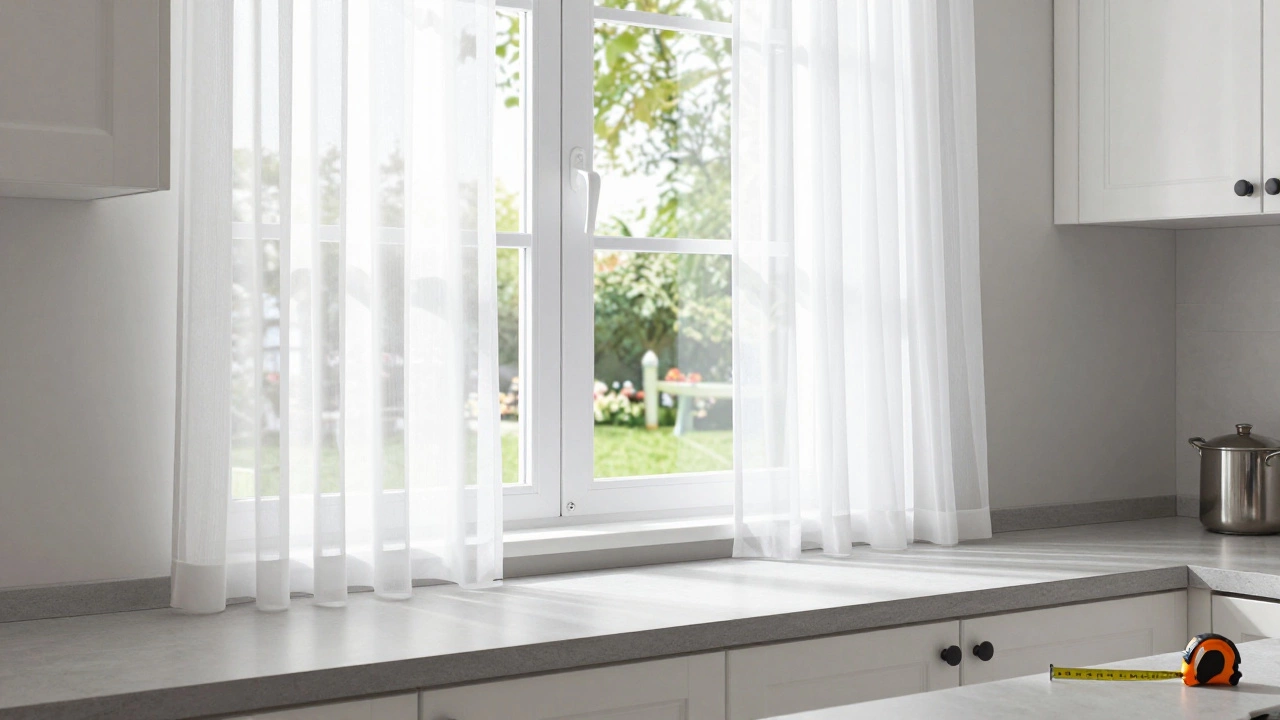
- The Sill Stop (Break): These curtains end exactly at the bottom of the window sill or just below the window frame. This is common in kitchens and bathrooms where functionality matters more than drama.
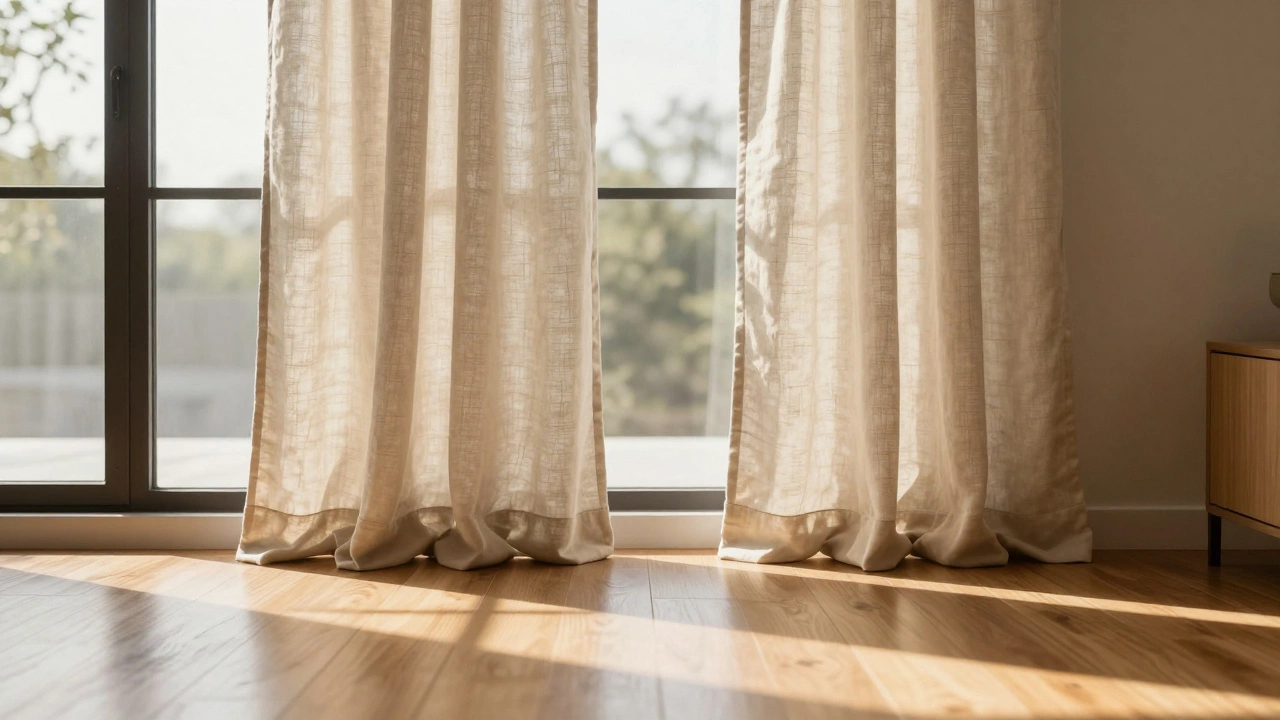
- The Hover: This is the most popular choice for living rooms and bedrooms. The curtains hang just above the floor, typically 1/2 inch to 1 inch off the ground. It looks clean, modern, and practical.
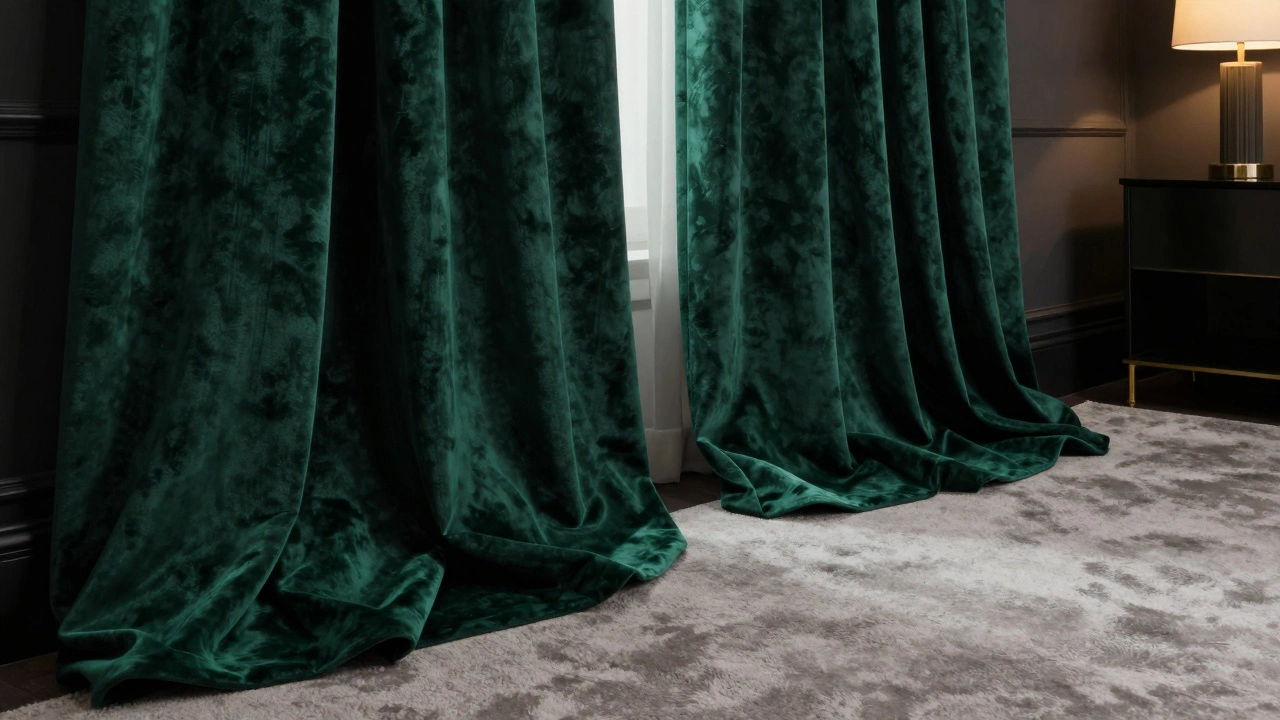
- The Puddle: Here, the curtains rest on the floor and spill over slightly. This creates a luxurious, formal look often seen in high-end hotels or traditional homes.
Choosing the wrong style for the room can throw off the balance. Imagine a casual beach house with heavy, puddled velvet drapes-it might feel too stiff. Conversely, a grand foyer with curtains stopping at the sill might feel underwhelming. Match the length to the formality of the space.
How Many Inches for the "Hover" Look?
If you want a clean, contemporary look that works in almost any room, aim for the hover. This is the sweet spot for most homeowners. You want the curtains to appear as if they are floating just above the floorboards.
For this style, the bottom of the fabric should be 1/2 inch to 1 inch above the floor. Why this specific range? If it’s higher than an inch, it starts to look like the curtains are too short, exposing the wall gap unnecessarily. If it’s lower than half an inch, you risk the hem brushing against the floor when you open and close them, which leads to fraying and dirt accumulation.
This length is also the most practical. If you have pets or small kids, you don’t want them tripping over fabric. Plus, vacuuming becomes a breeze since you aren’t maneuvering around a pool of cloth. When measuring, remember to account for the rod pocket or grommets. The measurement isn't from the top of the window to the floor; it's from the mounting point of the hardware down to that 1-inch mark above the floor.
How Many Inches for the "Puddle" Look?
If you are aiming for elegance and drama, the puddle look is your friend. But here is the catch: it requires precision. A little bit of pooling looks intentional; a lot of pooling looks like you forgot to hem them.
For a subtle puddle, allow the curtains to extend 2 to 4 inches onto the floor. This creates a soft fold without creating a trip hazard. For a more dramatic, formal puddle, you might go up to 6 inches, but rarely more. Anything beyond six inches usually looks messy rather than luxurious.
This style works best in low-traffic areas like master bedrooms or formal dining rooms. It adds weight and sophistication to the room. However, be aware that puddled curtains collect dust and pet hair faster than hovering ones. You will need to vacuum them regularly or use a handheld brush to keep them looking crisp. Also, avoid this look in homes with large dogs who might drag the curtains across the room.
When to Stop at the Window Frame
Sometimes, less is more. In rooms where windows are frequently opened, or where the view is the star, stopping the curtains at the window frame or sill is the smartest move. This is often called the "break" length.
In this scenario, the curtains should extend 0 inches past the window glass, ending precisely at the bottom of the frame or just below the sill. This keeps the fabric out of the way when you slide the window open. It is particularly useful for kitchen windows where you might lean on the sill, or bathroom windows where moisture could damage fabric resting on a wet surface.
This length also draws attention to the window itself rather than the treatment. If you have beautiful architectural details around the window, such as molding or transoms, keeping the curtains shorter ensures those features aren't hidden behind a sea of fabric.
Measuring Tips to Avoid Costly Mistakes
Even if you know the desired length, measuring incorrectly is the most common reason for ruined curtains. Follow these steps to ensure accuracy:
- Measure from the Hardware, Not the Rod: If you are using rings or hooks, measure from the center of the ring or hook down to the floor. If you are using a rod pocket, measure from the top of the rod down. The difference can be several inches.
- Check Floor Levelness: Floors are rarely perfectly level. Measure at the highest point of the floor along the window path. If you measure at a low spot and the floor rises near the corner, your curtains might drag there.
- Account for Hem Allowance: If you are buying ready-made curtains, check the label. Some brands include the hem in the total length, while others require you to add extra fabric for hemming. Custom curtains usually require you to specify the finished length.
- Consider the Treatment Style: Grommet-top curtains often sit slightly lower on the rod than pinch-pleat styles. Add an extra half-inch if you want a consistent hover height across different styles.
A pro tip: Before cutting or buying, drape a piece of scrap fabric or cardboard from the rod to the floor to visualize the length. Stand back and see how it feels in the room. Sometimes, what looks right on paper doesn't feel right in person.
Common Mistakes to Avoid
Even experienced decorators make errors when handling window treatments. Here are a few pitfalls to watch out for:
- The "Knee-High" Error: Never let curtains end halfway between the sill and the floor. This divides the wall awkwardly and makes ceilings look lower. Always go all the way down to the floor area, even if you hover above it.
- Igoring Stack Back: When curtains are open, they bunch up on the sides. Ensure the width of the curtains allows for this stacking without blocking light. While not directly related to length, narrow stacks can make the vertical lines look distorted.
- Forgetting About Blinds: If you have blinds or shades behind the curtains, measure to the bottom of the blind, not the window sill. The curtain should clear the blind by at least an inch to prevent friction and wear.
Also, consider the season. In winter, you might want longer curtains to insulate the window better. In summer, lighter, shorter treatments might feel more airy. Adjustable lengths or tie-backs can offer flexibility if your needs change.
FAQ: Curtain Length Questions
Should curtains touch the floor?
Not necessarily. While touching the floor is classic, hovering 1/2 to 1 inch above the floor is more practical and modern. Touching the floor is only recommended for formal spaces where you want a puddled effect.
How much should curtains overlap in the middle?
Curtains should overlap by at least 4 to 6 inches in the center when closed. This ensures privacy and prevents light from leaking through the gap. If they barely touch, light will seep through, defeating the purpose of blackout or privacy curtains.
Can I hem my own curtains?
Yes, if you have basic sewing skills. Use a iron-on hem tape for a no-sew option, or sew a double-fold hem for a cleaner finish. Make sure to press the hem flat before attaching it to ensure a crisp edge.
What is the best curtain length for a small room?
Floor-length curtains, even in small rooms, make the space feel larger by drawing the eye upward. Avoid knee-length or sill-length curtains in small rooms as they can chop up the visual space and make the ceiling feel lower.
Do curtain rods affect the length calculation?
Yes. Always measure from the point where the curtain hangs (the top of the grommet, the ring, or the rod pocket) down to the floor. Mounting the rod higher also affects the perceived length, making walls look taller.