Curtain Length Calculator & Visualizer
Enter Your Measurements
Recommended Curtain Length:
There is nothing quite as satisfying as a room that feels put together. But there is also nothing quite as jarring as curtains that look like they were measured by someone who guessed. You hang them up, step back, and suddenly your beautiful living room looks unfinished. The culprit? Almost always the length. If you have ever stood in front of a window wondering whether to cut those hems or let them pool on the carpet, you are not alone. Getting this right changes everything.
The short answer to how many inches curtains should be off the floor depends entirely on the style you want to achieve. For most modern homes, the gold standard is half an inch above the floor. This creates a clean, crisp line that makes ceilings look higher and rooms feel larger. However, if you are going for a dramatic, high-end hotel vibe, you might let them just kiss the floor. And if you love softness, you might allow a slight break. Let’s break down exactly which length works for your space, why it matters, and how to measure without making costly mistakes.
The Three Golden Rules of Curtain Length
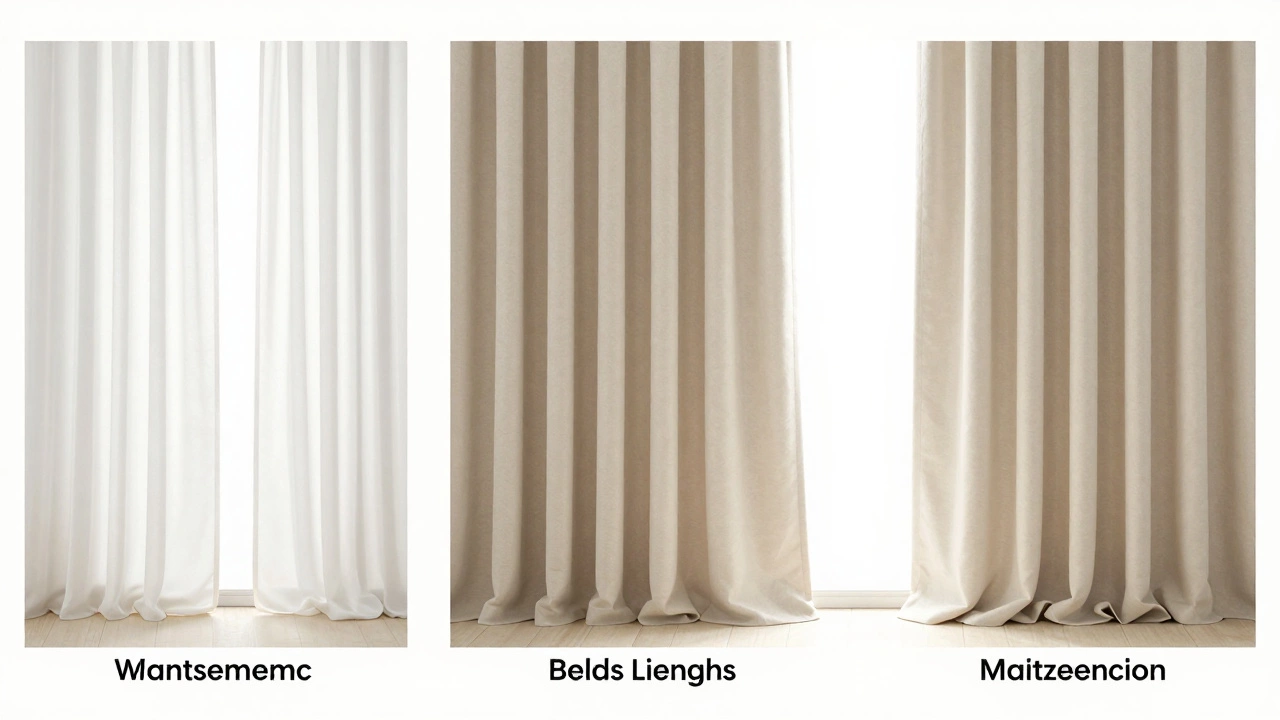
When interior designers talk about curtain hemlines, they generally categorize them into three distinct styles. Each one sends a different visual signal to anyone walking into the room. Understanding these differences helps you choose based on your furniture layout, your flooring type, and the mood you want to create.
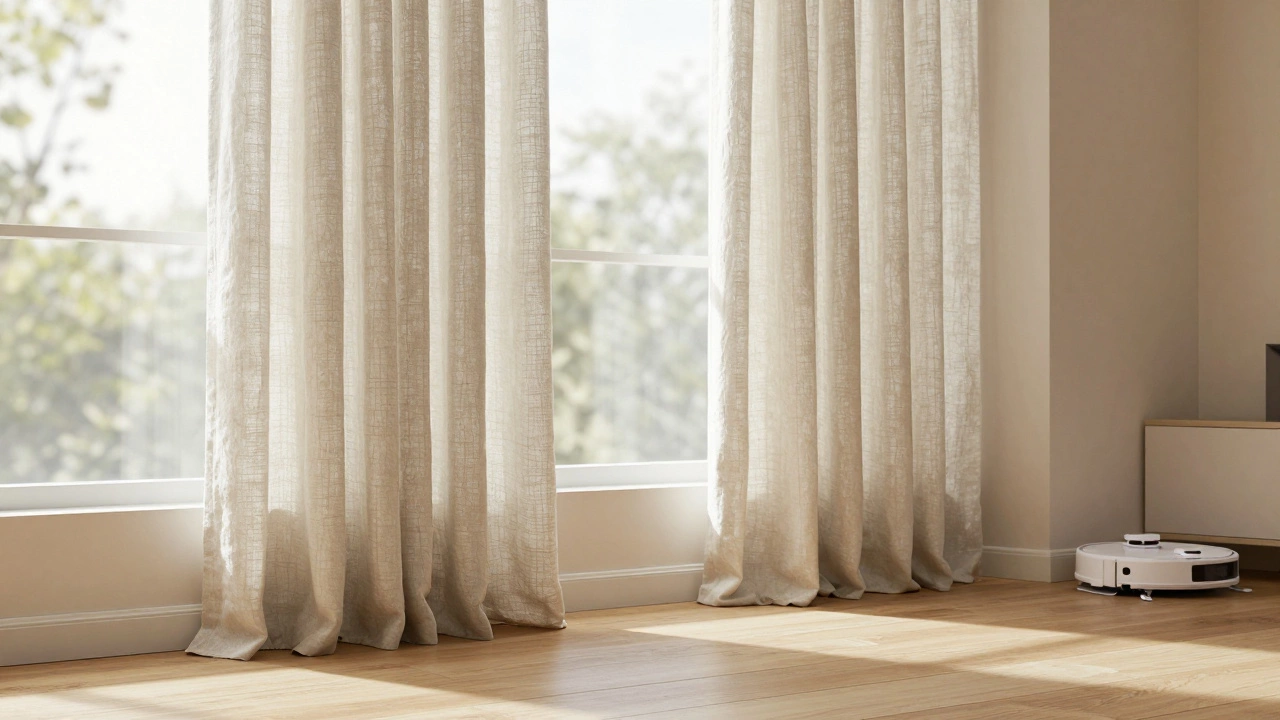
Hanging 1/2 Inch Above the Floor is known as the "floating" or "hovering" style. This is the safest bet for almost any home. It keeps dust away from your fabric, prevents tripping hazards, and gives the eye a clear path to the baseboard. It looks intentional and tidy. In Oxford, where many of us live in older properties with uneven floors, this gap ensures your curtains don’t drag when you open them or close them due to minor floor slopes.
Kissing the Floor means the bottom edge of the curtain touches the ground but does not bunch up. It rests lightly, creating a continuous vertical line from rod to floor. This style feels more formal and elegant than floating. It works beautifully in bedrooms and formal dining rooms where drama is desired. However, it requires precise measuring because even a quarter-inch too long will cause pooling, while a quarter-inch too short will look accidental.
Slight Break (Pooling) allows the curtain to rest on the floor and fold slightly, creating a small pile of fabric. This adds texture and luxury. Think of five-star hotels or grand Victorian parlors. While stunning, this style demands regular vacuuming. If you have pets, kids, or high-traffic areas, this is usually a bad idea unless you plan to hire help to keep them pristine.
Why Precision Matters More Than You Think
You might think that being off by an inch or two doesn’t matter. It does. Human eyes are incredibly good at spotting asymmetry and incorrect proportions. When curtains stop abruptly halfway down the wall, they make the ceiling look lower. When they drag on the floor, they make the room look messy. When they hover perfectly, they elongate the space.
Consider the role of light. Shorter curtains that float slightly above the floor allow air circulation underneath, which can help prevent mold buildup in humid climates. They also make cleaning easier. You can run a robot vacuum under them without stopping. If you have hardwood floors, dragging heavy velvet curtains across them can scratch the finish over time. A half-inch gap protects your investment.
On the other hand, longer curtains provide better insulation. By touching the floor and potentially overlapping the skirting board, they seal gaps better against drafts. In colder months, this small detail can contribute to energy efficiency. So, your choice isn't just aesthetic; it's functional.
Measuring Like a Pro: Avoiding Common Pitfalls
Most people measure wrong because they start from the top of the window frame instead of the rod. Here is the correct way to get it right every time.
- Install the Rod First: Never buy curtains before installing the rod. The height of the rod determines the length of the fabric. Place the rod 4 to 6 inches above the window frame, or even closer to the ceiling for maximum impact.
- Measure from the Bottom of the Finial: If your rod has decorative ends (finials), measure from the very bottom of the finial down to where you want the curtain to end. Do not measure to the top of the rod bracket.
- Account for Hardware: Check how your curtain hangs. If you use grommets, measure from the center of the first grommet hole. If you use hooks or pleats, measure from the top of the fabric where the hook inserts. This difference can be 1 to 3 inches.
- Check Floor Levelness: Use a level to check if your floor is flat. In older homes, corners are often lower than centers. Measure at the longest point to ensure the curtain doesn’t drag anywhere.
- Add the Hem Allowance: If you are buying ready-made curtains, remember that the listed length usually includes the heading tape but may vary by brand. Custom curtains require you to specify the finished length.
A common mistake is measuring to the top of the baseboard. Unless you want a very specific architectural look, avoid this. It creates a visual clutter zone between the curtain and the wall. Stick to the floor as your reference point.
Special Scenarios: Radiators, Pet Doors, and Uneven Floors
Real life rarely matches the perfect square footage of a catalog photo. What do you do when obstacles get in the way?
If you have a radiator behind the curtains, you must leave enough clearance so the heat can circulate. Curtains that cover radiators completely reduce heating efficiency by up to 50%. In this case, aim for the "floating" style with at least 1 inch of clearance, or install a radiator cover that extends outward, allowing the curtain to hang freely in front of it without touching the hot surface.
For homes with pets, especially dogs who like to walk out the door, you need to consider pet doors. If your curtain covers a pet flap, it needs to be short enough to not obstruct the animal but long enough to maintain privacy. A magnetic split curtain system works best here, allowing the pet to push through easily. Otherwise, keep the curtain hem 2-3 inches above the floor to prevent snagging.
In rooms with uneven floors, such as stone slabs or old wooden planks, consistency is key. If one side of the window is lower, the curtain will drag on that side. To fix this, you can angle the hem during installation, cutting the bottom at a diagonal so it clears the lowest point while still looking straight from the front. Alternatively, stick to the 1/2 inch rule everywhere to ensure clearance.
| Style | Distance from Floor | Best For | Maintenance Level | Visual Effect |
|---|---|---|---|---|
| Floating/Hovering | 0.5 - 1 inch | Living rooms, kitchens, casual spaces | Low | Clean, modern, airy |
| Kissing the Floor | 0 inches (touching) | Bedrooms, dining rooms, formal areas | Medium | Elegant, sophisticated, seamless |
| Slight Break/Pooling | -1 to -2 inches (on floor) | Luxury suites, grand entrances | High | Dramatic, luxurious, soft |
| Window Seat/Café Style | Varies (above sill) | Kitchens, bathrooms, low windows | Low | Functional, bright, open |
Material Matters: How Fabric Affects Length Perception
The weight and drape of your fabric change how the length looks. Lightweight linen or cotton tends to flutter and move. If you let linen kiss the floor, it might look messy because the fabric shifts constantly. Linen looks best with a half-inch gap, where its natural texture is visible but controlled.
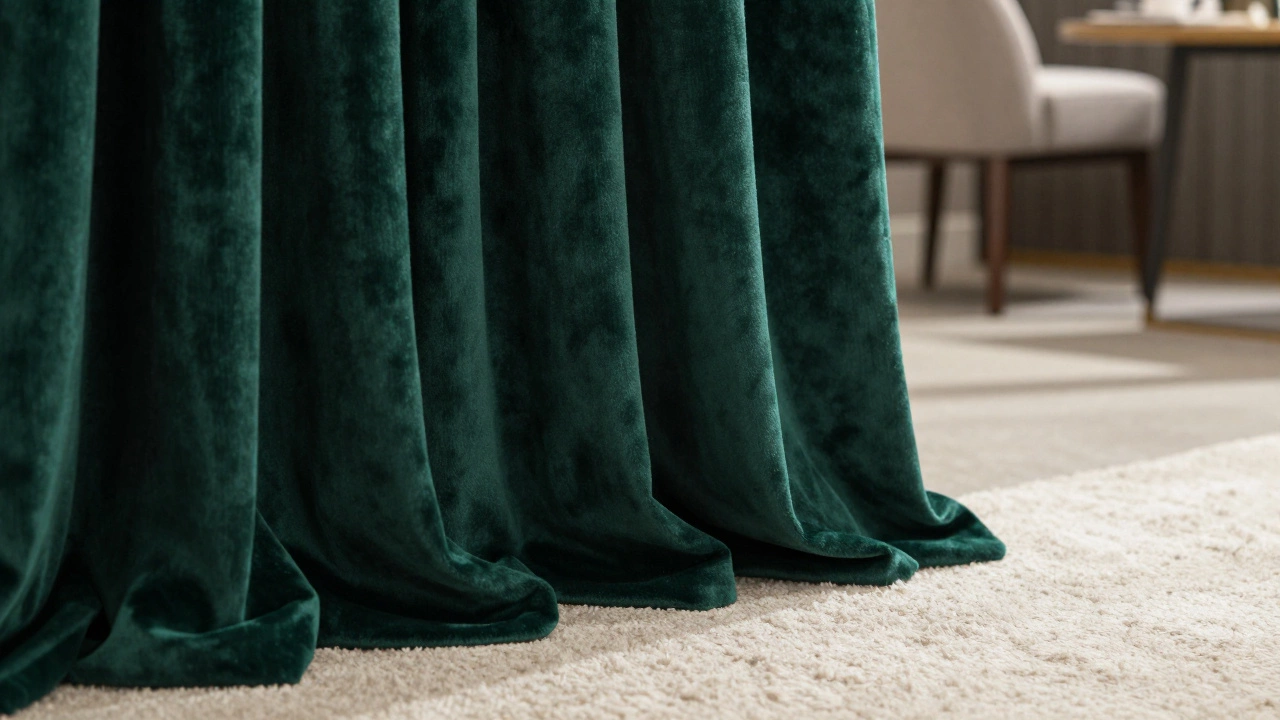
Heavy velvets and silks hold their shape. They fall straight down. These fabrics can handle the "kissing" or even "pooling" style because they don’t wrinkle easily upon contact with the floor. A heavy velvet curtain that pools slightly looks intentional and rich. A lightweight voile curtain that pools looks like a laundry accident.
Also consider the pattern. Large patterns can distort perspective. If your curtains have a bold floral print, ending them cleanly above the floor helps anchor the design. If you go too long, the pattern gets lost in the folds on the floor.
DIY Adjustments: What to Do If You Got It Wrong
Did you hang them and realize they are too long? Don’t panic. You have options.
If they are only slightly too long (less than 2 inches), you can try re-hanging the rod higher. Moving the rod up by an inch raises the entire curtain assembly. Sometimes this simple adjustment solves the problem without sewing.
If you need to shorten them significantly, you can take them down and hem them yourself. Most curtains have a generous hem allowance inside. Use an iron to press the new fold, then pin it in place. Sew with a zigzag stitch to prevent fraying. If you are not confident with a sewing machine, a local tailor can hem curtains for a reasonable fee. It is cheaper than buying new ones.
If they are too short, you cannot easily add length. However, you can install a decorative valance at the top to draw the eye upward, minimizing the noticeability of the short length. Or, replace the rod with a thicker, more substantial one that sits higher, changing the proportion of the window treatment.
Final Thoughts on Finding Your Perfect Length
Choosing how many inches your curtains should be off the floor is a balance of aesthetics, function, and personal preference. There is no single right answer, but there are wrong answers. Avoid letting them drag unless you want a very specific, high-maintenance look. Aim for clarity and intentionality. Whether you choose the crisp half-inch hover or the elegant kiss of the floor, ensure it is consistent across all windows in the room. Consistency creates harmony. Harmony creates comfort. And that is what home decor is all about.
Should curtains touch the floor in a bedroom?
In a bedroom, curtains that kiss the floor or have a slight break are often preferred for a cozy, luxurious feel. However, if you have pets or want easy cleaning, keeping them 1/2 inch above the floor is practical and still looks elegant.
How much should curtains overlap each other in the middle?
Curtains should overlap by at least 4 to 6 inches in the center when closed. This ensures no light leaks through the gap and provides a fuller, more expensive look. If they barely touch, it reveals the window frame and looks cheap.
Can I hang curtains directly on the window frame?
You can, but it is generally not recommended. Hanging rods higher and wider than the window frame makes the window appear larger and lets in more light when the curtains are open. Mounting directly on the frame limits light exposure and makes the room feel smaller.
What is the best curtain length for a kitchen?
In kitchens, functionality is key. Café-style curtains that end just below the window sill are popular because they allow light in while providing privacy. If using full-length curtains, keep them floating 1/2 inch above the floor to avoid grease splatters and ease of cleaning.
Do I need to measure curtains before or after hanging the rod?
Always measure after deciding on the rod placement. The height of the rod dictates the length of the fabric. Install the brackets first, then measure from the bottom of the finial (or rod) to the desired floor clearance. This ensures accuracy.