Rug Comfort & Material Finder
Find the perfect rug based on your room type, budget, and comfort needs.
Recommended:
Best Weave/Style:
Pile Height:
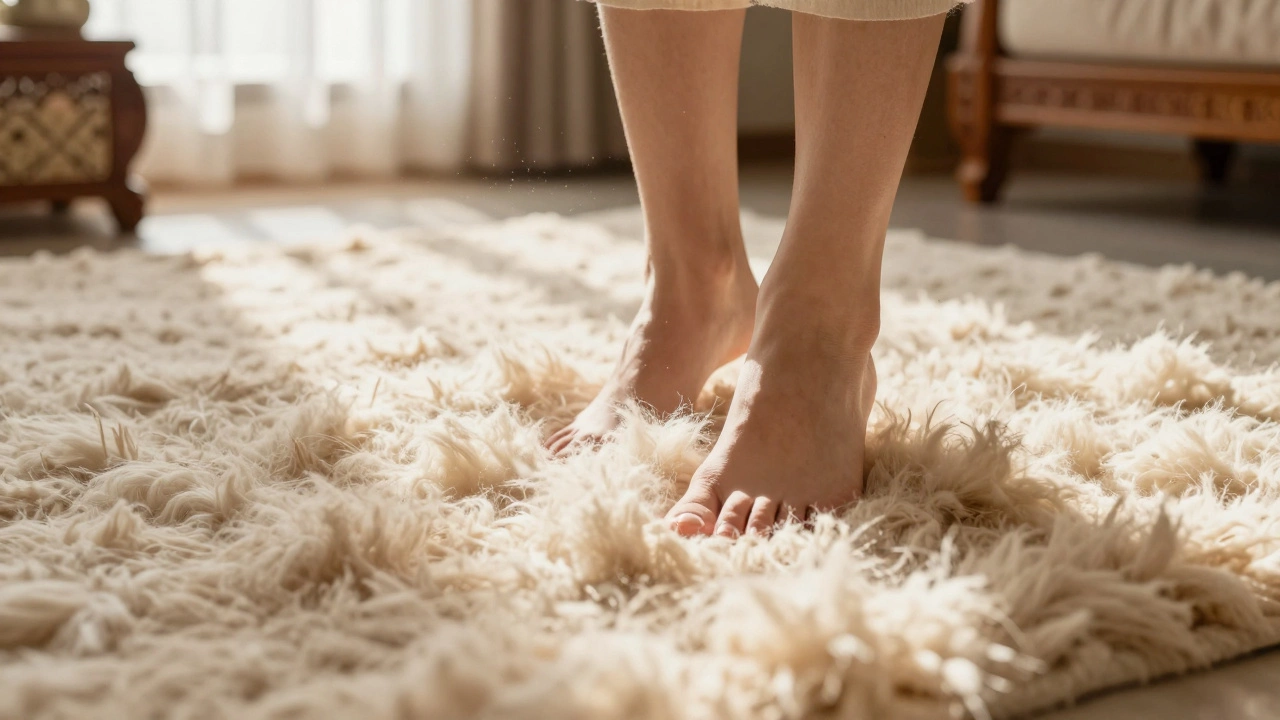
Imagine walking across your living room floor in the morning. Your feet sink into something warm, yielding, and incredibly soft. It feels less like stepping on a surface and more like being hugged by the floor. That is the holy grail of home comfort. But not all rugs deliver that feeling. Some feel stiff, others are scratchy, and many just sit flat without any cushioning at all.
If you are looking for the most comfortable rug, you are likely prioritizing tactile sensation over durability or stain resistance (though we will touch on those too). You want a rug that makes you want to take off your shoes and stay there. Whether you have kids playing on the floor, you work from home, or you just love the feeling of barefoot luxury, choosing the right material and construction is key.
The Top Contenders for Comfort
When we talk about comfort in rugs, we are really talking about two things: pile height (how long the fibers are) and fiber type (what the fibers are made of). High-pile rugs generally feel softer because your foot sinks deeper into them. However, the material itself dictates whether that pile feels luxurious or coarse.
Here are the top materials that consistently rank highest for comfort:
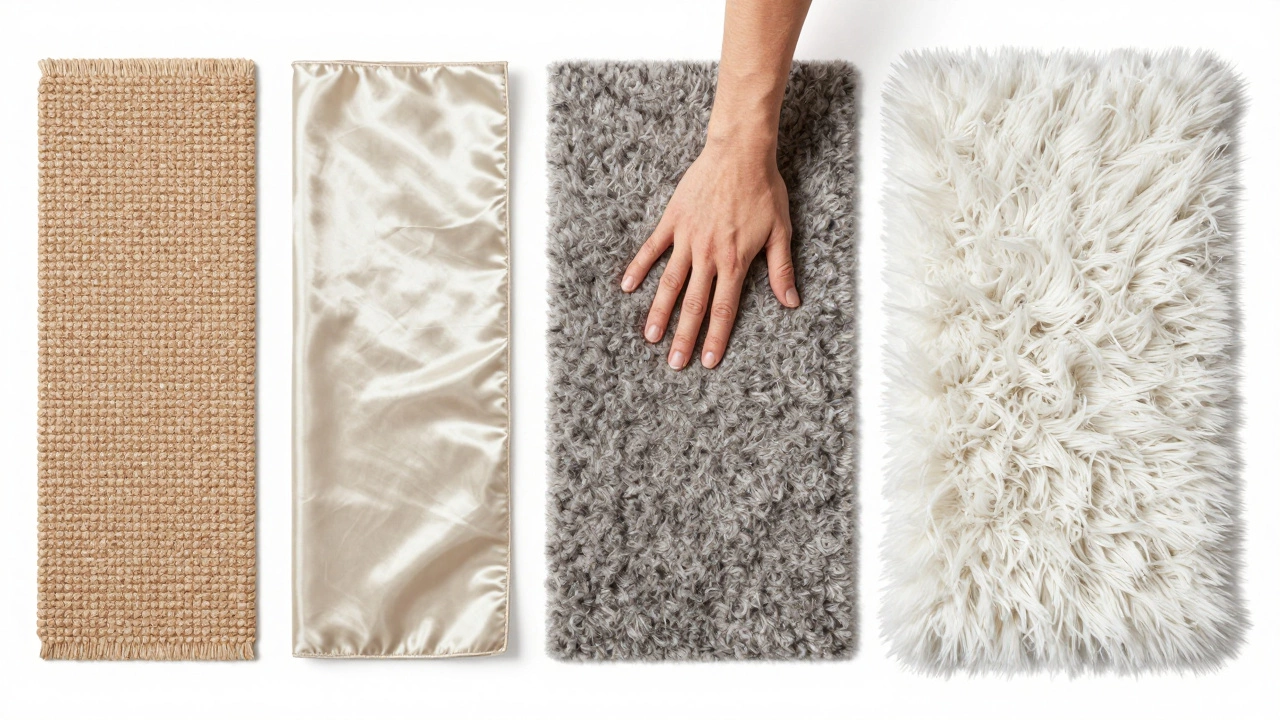
- New Zealand Wool: Known as the gold standard for natural comfort. It is naturally crimped, which creates air pockets that trap heat and provide bounce-back resilience. It feels warm and soft underfoot but isn't so dense that it’s hard to walk on.
- Silk: The ultimate in smoothness. Silk rugs are incredibly soft and have a natural luster. However, they are delicate, expensive, and usually low-pile, so they lack the "cushion" feel of thicker rugs.
- Microfiber (Polyester): A synthetic option that mimics the softness of wool at a fraction of the cost. Microfiber rugs can be made with very high piles, creating a shag-like texture that is extremely cozy.
- Bamboo Silk: Despite the name, this is actually polyester. It is processed to create a silky, smooth finish that feels cool to the touch, making it great for warmer climates while still offering significant softness.
Why Wool Is Often the Best Choice
If you had to pick one winner for overall comfort, Wool is a natural fiber derived from sheep that offers exceptional softness, warmth, and durability. It strikes the perfect balance between plushness and structure. Unlike synthetic fibers that can flatten out quickly, wool has a natural elasticity. This means it springs back after you step on it, maintaining its soft texture for years.
Wool also regulates temperature. In winter, it retains body heat, keeping your feet warm. In summer, it breathes well, preventing that sweaty sock feeling. For families, wool is surprisingly resilient. It resists crushing better than cotton or jute, meaning it stays comfortable longer. The downside? It requires professional cleaning occasionally and can be pricey.
The Case for Synthetic Plush Rugs
Not everyone wants to invest in high-end wool. If budget is a concern, or if you have allergies, synthetic options like Polyester is a man-made fiber known for its vibrant colors, stain resistance, and soft hand-feel. offer incredible value. Specifically, look for "plush" or "velvet" weaves in polyester. These rugs are designed to mimic the look and feel of silk or wool but are often softer because the fibers can be spun finer and denser than natural alternatives.
Polyester is also hypoallergenic, which is a huge plus for people with sensitivities. It doesn’t harbor dust mites as easily as natural fibers. If you want that deep, sinking-in feeling, go for a high-pile polyester shag rug. Just be aware that these can trap dirt and may require more frequent vacuuming.
| Material | Softness Level | Cushioning | Durability | Best For |
|---|---|---|---|---|
| Wool | High | Medium-High | Excellent | Living rooms, bedrooms |
| Polyester (Plush) | Very High | High | Good | Bedrooms, low-traffic areas |
| Silk | Ultra-High | Low | Fair | Formal dining, decor focus |
| Jute | Low | Low | Good | Eco-friendly style, not comfort |
| Cotton | Medium | Low | Fair | Kitchens, bathrooms |
Pile Height Matters More Than You Think
You can have the softest wool in the world, but if it’s cut short (like a carpet tile), it won’t feel comfortable under bare feet. Pile height is the measurement of the fiber length from the backing to the tip. Here is how different heights affect comfort:
- Low Pile (under 0.5 inches): Flatweave or low-cut pile rugs feel firm. They are easy to clean and good for wheelchairs or walkers, but they don’t offer much cushioning. Think of them as a protective layer rather than a comfort layer.
- Medium Pile (0.5 to 1 inch): This is the sweet spot for most homes. It provides enough give to be comfortable when walking or sitting, but it’s not so thick that it trips you up. Most quality wool area rugs fall into this category.
- High Pile / Shag (over 1 inch): These are the ultimate lounging rugs. They feel amazing to sit on and hug your feet. However, they can be difficult to vacuum, and furniture legs can sink in deeply. They are best for bedrooms or quiet reading nooks.
Weave Styles That Enhance Comfort
The way the rug is constructed changes how it feels. Two main weave styles dominate the comfort conversation:
Tufted Rugs: In tufted rugs, yarn is punched through a primary backing using a needle-like tool. This method allows for deeper piles and denser textures. Most plush and shag rugs are tufted. Because the fibers are densely packed, they stand up well and maintain their softness.
Woven Rugs (Hand-Knotted): Hand-knotted rugs are created by tying individual knots around the warp threads. While they are incredibly durable and valuable, traditional hand-knotted rugs often have a flatter profile. However, some modern hand-knotted designs use higher piles to combine luxury aesthetics with comfort. Look for terms like "high-shag hand-knotted" if you want both prestige and plushness.
Where to Place Your Comfort Rug
Your choice of rug should depend on where it will live. Not every room needs the same level of cushioning.
Bedrooms: This is where you deserve maximum comfort. Go for a high-pile wool or plush polyester rug. You’ll be walking on it first thing in the morning and last thing at night. A soft rug here sets a relaxing tone for the entire house.
Living Rooms: Balance is key. You need a rug that is comfortable for bare feet but also sturdy enough for traffic and furniture. A medium-pile wool rug is ideal. It looks sophisticated and feels great without getting crushed under coffee tables.
Nurseries and Playrooms: Safety and comfort merge here. A soft, padded rug is essential for crawling babies and toddlers. Look for rugs with a non-slip backing or use a rug pad underneath. Avoid long shags that might trip small children; instead, opt for a dense, medium-pile synthetic that is easy to clean up spills on.
The Secret Weapon: Rug Pads
Even the most comfortable rug can feel thin if it’s placed directly on a hard floor. A Rug Pad is an underlayment placed between the rug and the floor to add cushioning, prevent slipping, and extend rug life. is not optional if you want true comfort. A good rug pad adds an extra layer of insulation and shock absorption. It prevents the rug from shifting, which reduces tripping hazards, and it protects the rug’s fibers from wearing down against the floor.
For hardwood floors, choose a felt-and-rubber hybrid pad. It provides excellent cushioning without damaging the wood finish. For concrete floors, a thicker rubber pad helps block cold and dampness, making even a thinner rug feel warmer and softer.
Maintenance Tips to Keep Rugs Soft
A dirty rug loses its softness. Dust and grit act like sandpaper, breaking down fibers over time. To keep your rug feeling like new:
- Vacuum Regularly: Use a suction-only setting for delicate rugs or a beater bar for sturdy ones. Vacuum at least once a week to remove abrasive particles.
- Rotate Annually: Traffic patterns cause uneven wear. Rotate your rug 180 degrees every six months to ensure even compression and maintain consistent comfort across the surface.
- Professional Cleaning: Every 12 to 18 months, have your rug professionally cleaned. This removes deep-seated dirt and restores the fiber’s natural loft and softness.
- Blush After Vacuuming: Use a wide-tooth comb or a carpet rake to gently lift the fibers after vacuuming. This helps restore the pile’s direction and keeps the rug looking and feeling plush.
Common Mistakes to Avoid
Many people buy rugs based on looks alone, only to regret the texture later. Here are pitfalls to avoid:
- Ignoring Fiber Content: Don’t assume a rug is soft because it looks fluffy. Some synthetic blends can feel plastic-y or scratchy. Always check the label for fiber composition.
- Skipping the Touch Test: If you’re buying in person, kneel on the rug. Sit on it. Feel the nap in both directions. If it prickles your knees, it won’t feel good under your feet either.
- Choosing Style Over Substance: Flatweave rugs like Kilims are beautiful but often rough. If comfort is your priority, steer clear of these unless you plan to use them purely as wall hangings or decorative accents.
Is wool or synthetic more comfortable?
It depends on what you mean by comfortable. Wool is naturally softer, warmer, and more resilient, making it comfortable for long-term use and varying temperatures. Synthetic fibers like polyester can feel initially softer and smoother, especially in high-pile plush styles, but they may lose their shape faster. For pure tactile luxury and longevity, wool wins. For immediate, budget-friendly plushness, high-quality polyester is a strong contender.
Are shag rugs comfortable to walk on?
Shag rugs are incredibly comfortable to sit on and lounge in, but they can be challenging to walk on. The long fibers can catch toes, causing tripping hazards, especially for elderly individuals or young children. They also tend to compress heavily under furniture. If you want a shag rug, consider a shorter shag (around 1 inch) for a better balance of comfort and functionality.
Does a rug pad make a difference in comfort?
Yes, significantly. A rug pad adds an extra layer of cushioning that absorbs impact, making the rug feel softer underfoot. It also insulates against cold floors and prevents the rug from slipping, which enhances safety and comfort. Without a pad, even a thick rug can feel thin and harsh on hard surfaces like tile or hardwood.
What is the softest rug material for bare feet?
Silk is technically the smoothest and softest natural fiber, but it is rare and expensive. For everyday use, New Zealand wool is widely considered the softest practical option due to its fine fibers and natural crimp. Among synthetics, microfiber polyester offers a very soft, almost velvet-like feel that is gentle on bare skin.
Can I wash a plush rug at home?
Small plush rugs can sometimes be washed in a large-capacity washing machine on a gentle cycle, but this risks matting the fibers. Large area rugs should never be machine-washed. Instead, spot clean stains immediately and hire professionals for deep cleaning. Improper washing can ruin the pile structure, making the rug feel stiff and uncomfortable.