Bristol Stool Chart Analyzer
Select your current bowel movement characteristics below to determine your Bristol Stool Type and receive personalized insights.
Analysis Result
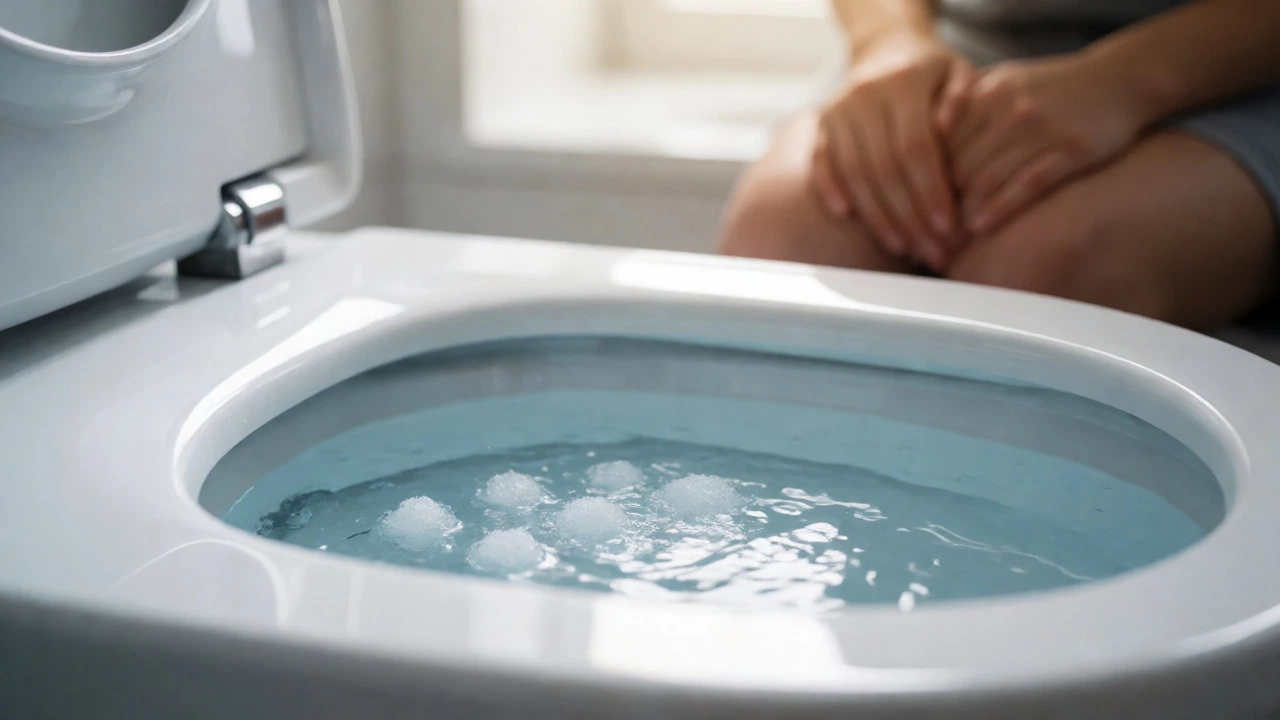
You sit down, do your business, and look back. Instead of a single, cohesive log, you see scattered nuggets floating in the water. It’s a common sight that often triggers immediate worry: Is something wrong with my gut? The short answer is usually no. Seeing poop come out in small, soft pieces is rarely a sign of disease. In fact, it’s often just your body doing its job efficiently, though sometimes it hints at how you’re eating or managing stress.
This phenomenon relates directly to the Bristol Stool Chart, a medical tool used to classify human feces into seven categories based on shape and texture. Developed by gastroenterologists Stephen Lewis and Ken Heaton in 1997, this chart helps people understand their digestive health without needing a doctor’s appointment for every bathroom visit. If your output looks like Type 4 (smooth and snake-like) or Type 5 (soft blobs with clear-cut edges), you are generally in the healthy range. But if it’s consistently fragmented, there are specific reasons why.
Understanding the Bristol Stool Chart
To know why your poop looks the way it does, you need to know what “normal” actually means. Many people think poop should always be long and solid, but that’s a myth. The Bristol Stool Chart categorizes stool from severe constipation to severe diarrhea. Types 3 and 4 are considered optimal. However, Type 5 is also normal-it consists of soft blobs with clear-cut edges that pass easily. If your poop comes out in small, soft pieces, you might be hovering between Type 4 and Type 5.
Here is a quick breakdown of the relevant types:
| Type | Description | Implication |
|---|---|---|
| Type 3 | Sausage-shaped but with cracks on the surface | Normal, mild constipation possible |
| Type 4 | Like a sausage or snake, smooth and soft | Optimal ideal form |
| Type 5 | Soft blobs with clear-cut edges | Lacking fiber, but not necessarily unhealthy |
| Type 6 | Mushy consistency with ragged edges | Mild diarrhea, urgent need to go |
If you are seeing distinct, separate pieces that are soft rather than hard pellets, you are likely producing Type 5 stool. This suggests your colon isn’t holding onto waste long enough to absorb all the water, but it’s not moving so fast that it becomes liquid. It’s a middle ground that many people experience daily.
Dietary Causes: Fiber and Hydration
The most frequent culprit behind fragmented stool is diet. Specifically, it’s about the balance between soluble and insoluble fiber. Fiber is a type of carbohydrate found in plant foods that the body cannot digest acts as the scaffolding for your poop. Without enough of it, waste doesn’t bind together well. Think of it like building a brick wall: if you don’t have enough mortar (soluble fiber), the bricks (insoluble fiber and waste) fall apart.
When you eat low-fiber meals-like processed snacks, white bread, or sugary treats-your stool lacks structure. It passes through the intestines quickly because there’s little bulk to slow it down. The result? Soft, disconnected pieces. On the flip side, if you suddenly increase fiber intake without drinking enough water, you might get bulky but poorly formed stool.
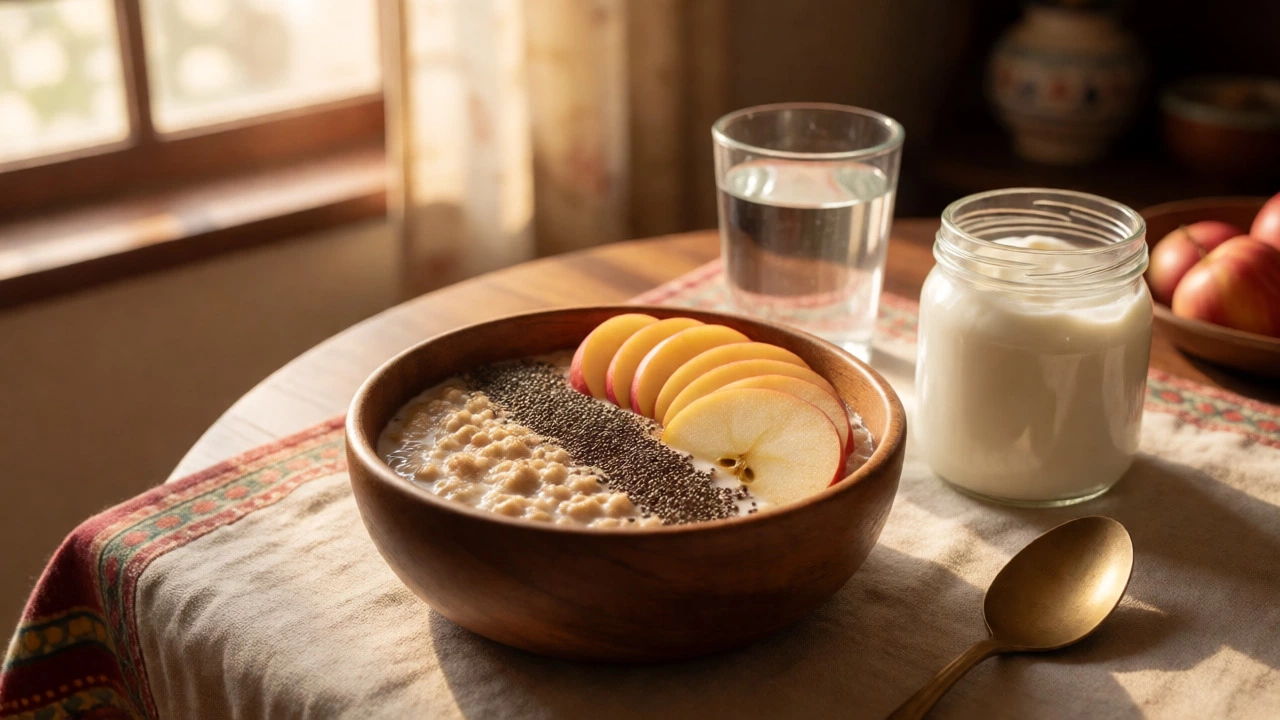
Hydration plays a critical role here too. Your large intestine’s main job is to reabsorb water from waste. If you are mildly dehydrated, the stool can become dry and crumbly. But if you are well-hydrated and eating low-fiber foods, the stool stays soft but fails to cohere. To fix this, try adding one high-fiber food per meal. Oats, chia seeds, apples with skin, and lentils are excellent sources. They provide the gel-like consistency needed to bind waste into a single unit.
The Role of Gut Motility and Stress
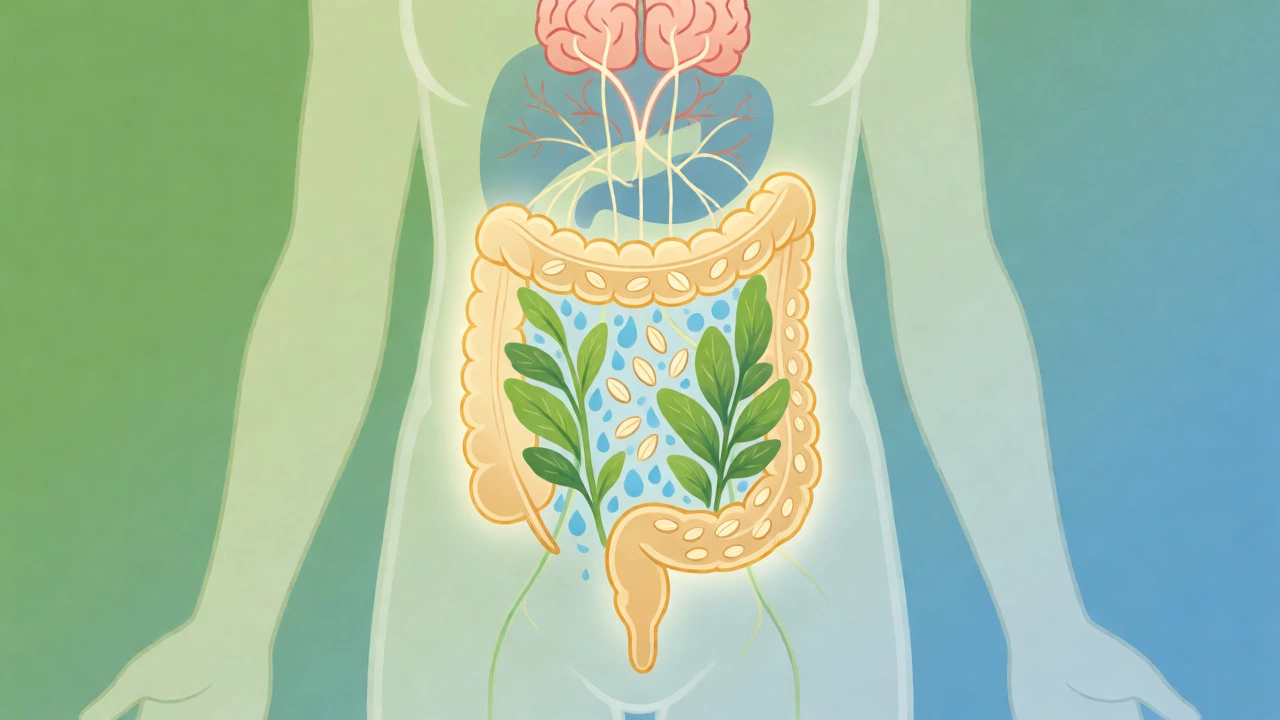
Your nervous system has a direct line to your gut. This connection is known as the Gut-Brain Axis, the bidirectional communication network linking the central nervous system and the enteric nervous system. When you are stressed or anxious, your body releases cortisol and adrenaline. These hormones can speed up gut motility-the rate at which food moves through your digestive tract.
Fast transit time means less water absorption. Less water absorption means softer, less formed stool. Have you ever noticed that after a stressful work meeting or an exam, your bathroom visits change? That’s the gut-brain axis in action. Chronic stress can keep your gut in a state of heightened alertness, leading to frequent, fragmented bowel movements. This isn’t dangerous, but it is uncomfortable and messy.
Another factor is physical activity. Sedentary lifestyles can slow down digestion, leading to constipation (hard lumps). Conversely, intense exercise can sometimes speed things up too much, causing loose or fragmented stools. Finding a moderate rhythm-like a daily 20-minute walk-helps regulate motility naturally.
Microbiome Imbalances
Your gut is home to trillions of bacteria, collectively called the Gut Microbiome, the community of microorganisms living in the digestive tracts of humans and other animals. These microbes help break down food and produce short-chain fatty acids that nourish the colon lining. When this ecosystem is disrupted-a condition known as dysbiosis-stool consistency changes.
Antibiotics are a common cause of temporary microbiome shifts. After a course of antibiotics, many people notice their stool becomes looser or more fragmented for a few weeks. Probiotics can help restore balance. Foods like yogurt, kefir, sauerkraut, and kimchi contain live beneficial bacteria. Introducing these gradually can help your microbiome regain its ability to process waste into well-formed logs.
It’s worth noting that everyone’s microbiome is unique. What causes fragmentation for one person might be perfectly normal for another. If you’ve recently changed your diet significantly or started new supplements, give your body two weeks to adjust before worrying.
When to See a Doctor
Most of the time, small soft pieces are harmless. But context matters. You should pay attention if this change persists for more than three weeks or is accompanied by other symptoms. Look out for blood in the stool, unexplained weight loss, persistent abdominal pain, or a sudden change in bowel habits that doesn’t resolve with dietary tweaks.
Certain conditions like Irritable Bowel Syndrome (IBS) or Inflammatory Bowel Disease (IBD) can present with altered stool consistency. IBS-D (diarrhea-predominant) often results in frequent, loose, or fragmented stools. If you feel urgency, cramping, or bloating along with the fragmented poop, it might be worth discussing with a healthcare provider. They can rule out infections or intolerances, such as lactose or gluten sensitivity.
Practical Tips for Better Formation
You don’t need a medical degree to improve your stool quality. Here are actionable steps you can take today:
- Increase Soluble Fiber: Add psyllium husk or ground flaxseed to your morning smoothie. These absorb water and create a gel that binds waste.
- Hydrate Strategically: Drink a glass of water upon waking and another before each meal. Don’t wait until you’re thirsty.
- Manage Stress: Practice deep breathing or mindfulness for five minutes before eating. Eating in a relaxed state aids digestion.
- Chew Thoroughly: Digestion starts in the mouth. Chewing food well reduces the workload on your intestines.
- Track Your Habits: Use a simple app or notebook to log what you eat and your stool type. Patterns will emerge within a month.
Remember, the goal isn’t perfection. Occasional variations are normal. If your poop comes out in small soft pieces occasionally, it’s likely just your body processing a lighter meal or reacting to a busy day. Focus on consistency over time rather than obsessing over every single bathroom visit.
Is it bad if my poop comes out in small pieces?
Not necessarily. Small, soft pieces often correspond to Type 5 on the Bristol Stool Chart, which is considered normal. It may indicate a lack of fiber or faster digestion, but it is rarely a sign of serious illness unless accompanied by other symptoms like pain or bleeding.
What foods cause soft, fragmented stool?
Low-fiber diets, high-sugar foods, dairy (if lactose intolerant), and caffeine can lead to softer, less formed stool. Increasing intake of whole grains, vegetables, and fruits with skins can help bind stool together.
Does dehydration cause small pieces of poop?
Dehydration typically causes hard, pellet-like stool (constipation). However, if you are dehydrated but also have rapid transit due to stress or irritants, you might still see fragmented soft pieces. Proper hydration supports overall stool formation.
How long does it take to change stool consistency?
Changes in diet can affect stool consistency within 24 to 48 hours. For lasting improvements in formation, consistent dietary changes over 1 to 2 weeks are usually needed to allow the gut microbiome to adapt.
Can stress really change my poop shape?
Yes. The gut-brain axis links emotional states to digestive function. Stress can accelerate gut motility, reducing water absorption and leading to softer, fragmented stools. Managing stress often improves bowel regularity.