Rug Shedding Predictor Tool
Configure Your Rug Scenario
Select the characteristics of your current or future rug to see the estimated shedding level.
Result Analysis
Select options and click "Check Shedding Risk" to begin.
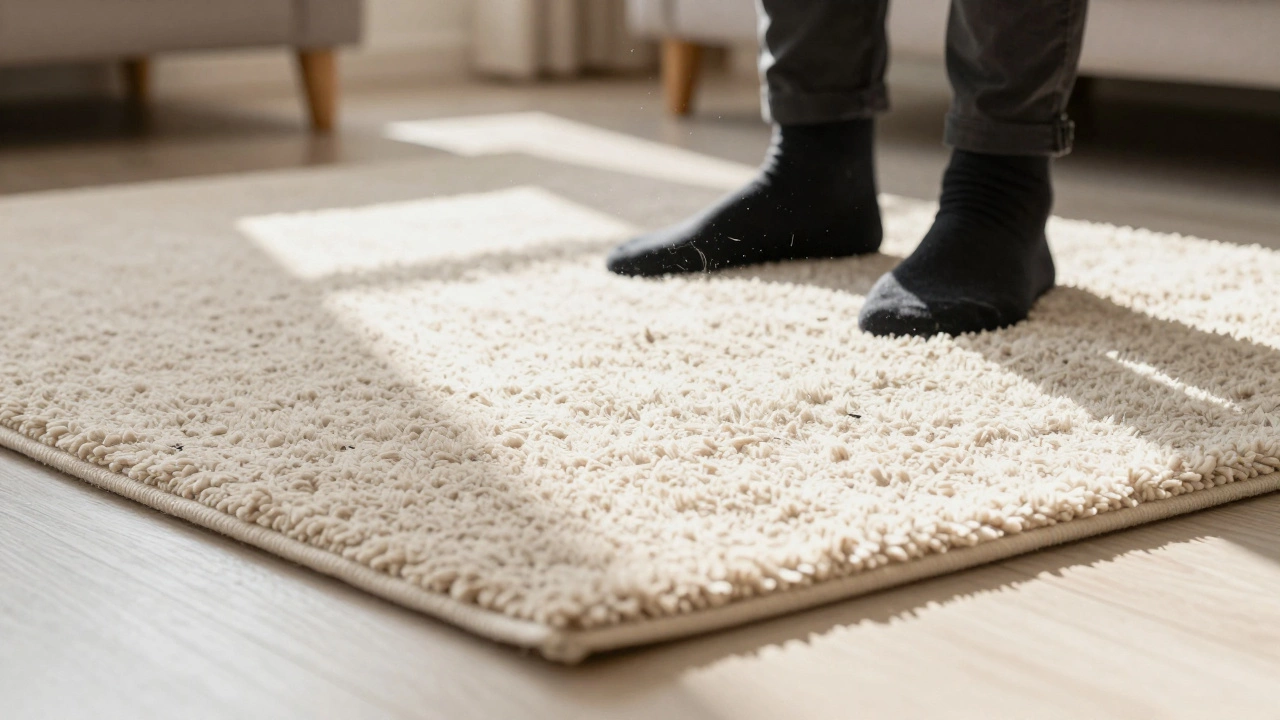
There is nothing quite as annoying as finding tiny fibers stuck to your black socks or watching dust bunnies multiply under your sofa. If you have recently bought a new rug, you might be wondering why it seems to be falling apart. The truth is, shedding is normal for many rugs, but some materials are notorious offenders. Understanding which rugs shed the most can save you from unnecessary frustration and help you choose the right floor covering for your home.
Not all shedding is created equal. Some rugs release loose fibers because they are new and need time to settle. Others shed continuously due to their construction or material quality. By looking at fiber types, weave structures, and manufacturing methods, we can identify exactly which rugs will leave you sweeping up lint every day and which ones will stay intact for years.
The Science Behind Why Rugs Shed
Before judging a rug by its fluffiness, it helps to understand what shedding actually is. When you buy a new rug, especially one made of natural fibers, it often contains loose fibers that were not tightly secured during the weaving process. These fibers work themselves out over time with foot traffic and vacuuming. This initial phase is called "breaking in."
However, persistent shedding usually points to two main issues: low-quality materials or a loose pile construction. Short fibers do not anchor well into the backing of the rug, meaning they pull out easily. Long fibers, on the other hand, tangle together and resist being pulled free. The length of the fiber is just as important as the type of material used.
Is it normal for a new rug to shed?
Yes, it is completely normal for a new rug to shed for the first few months. This is part of the breaking-in process where loose fibers from the manufacturing stage are released. Regular vacuuming helps speed up this process.
Natural Fibers: The Heavy Shedders
Natural fibers are popular for their softness and durability, but they also tend to shed more than synthetic alternatives. Let’s look at the most common natural fibers and how they perform.
Wool is a natural protein fiber known for its resilience and warmth. Wool rugs are a staple in many homes, but they are also significant shedders, especially when new. Sheep’s wool has scales that lock together, but short staples (the length of the hair) can break off. Lower-grade wool, often labeled as "mohair blend" or "shaggy wool," sheds excessively because the fibers are too short to hold onto the backing. High-quality New Zealand wool, with longer staples, sheds much less once the initial loose fibers are gone.
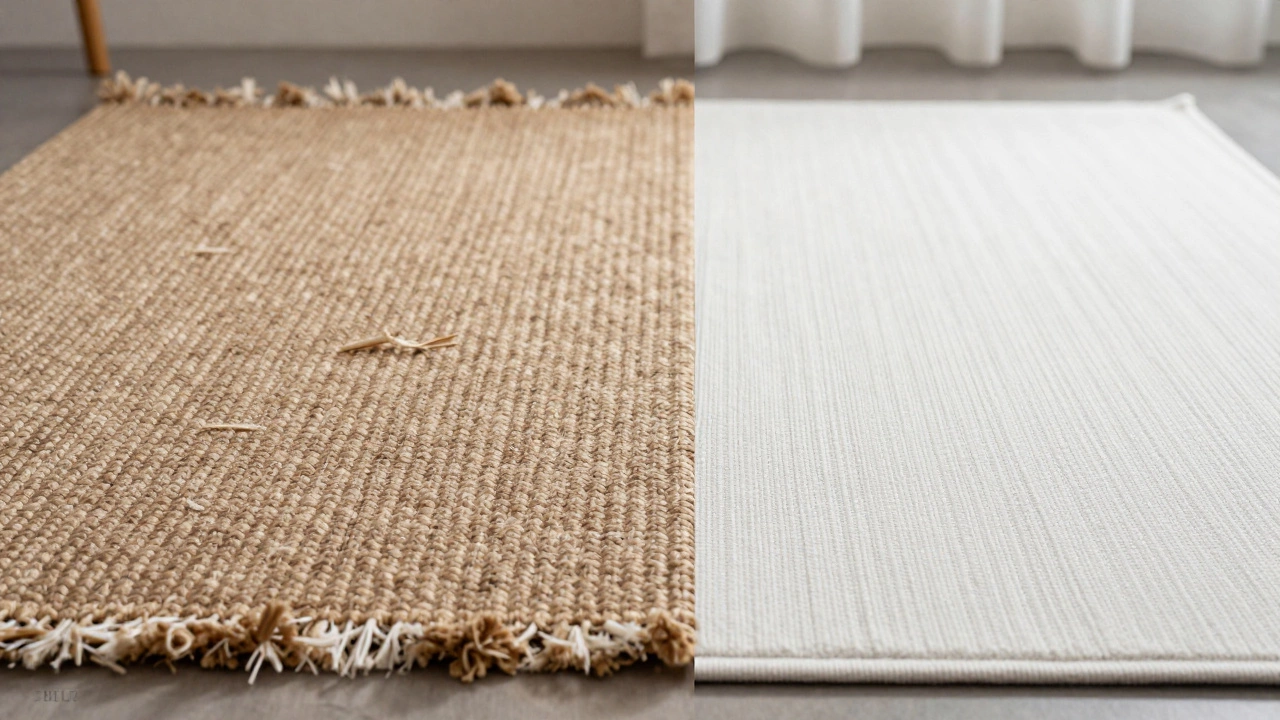
Jute is a plant-based fiber that is biodegradable and eco-friendly. Jute rugs are beautiful and earthy, but they are notorious for shedding. Because jute fibers are brittle and short, they snap easily under friction. If you walk on a jute rug without shoes, you will likely find strands sticking to your skin. They are best used in low-traffic areas like bedrooms or dining rooms where heavy foot traffic won’t accelerate the shedding.
Sisal is a durable grass fiber often used for woven rugs. Similar to jute, sisal sheds moderately when new. However, because it is often woven tightly rather than tufted, it tends to stop shedding sooner than jute. Sisal is rougher underfoot, which means it doesn’t attract as much dust, but it still requires regular cleaning to remove loose particles.
Synthetic Fibers: The Low-Shed Champions
If shedding is your primary concern, synthetic fibers are usually the better choice. They are engineered for consistency and strength, meaning fewer loose ends.
Polypropylene, also known as Olefin, is a synthetic polymer widely used in affordable rugs. Polypropylene is the king of low-shedding rugs. The fibers are smooth and continuous, so they don’t fray easily. You will find polypropylene in most indoor-outdoor rugs and budget-friendly options. It holds up well against pets and kids, making it a practical choice for high-traffic zones. While it may not feel as luxurious as wool, it stays clean and intact with minimal effort.
Nylon is a synthetic fiber known for its exceptional durability and elasticity. Nylon is another excellent option for minimizing shedding. It is incredibly strong and resists crushing, which means the fibers stay anchored in place. Nylon rugs are often found in commercial settings and busy households. They are easy to clean and maintain their appearance for years, shedding very little even after heavy use.
Polyester is a synthetic fiber prized for its vibrant colors and soft texture. Polyester rugs are soft and colorful, but they can shed more than nylon or polypropylene if the pile is cut loosely. Cheap polyester rugs often suffer from shedding because the fibers are weak and break under pressure. Look for high-density polyester rugs to avoid this issue.
Weave Types That Influence Shedding
The material is only half the story. How the rug is constructed plays a huge role in how much it sheds. Different weaving techniques secure fibers differently.
Tufted Rugs are rugs where yarn is punched into a backing using a needle-like tool. Tufted rugs are the most common type found in stores. They shed the most because the fibers are inserted individually and then glued down. Over time, the glue can weaken, or the fibers can pull out if the density is low. Shag rugs, which are a type of tufted rug with long piles, are particularly prone to shedding and tangling.
Hand-Knotted Rugs are luxury rugs made by tying individual knots around a warp thread. Hand-knotted rugs shed very little. Each knot is tied securely, creating a tight structure that resists unraveling. While they may release a few loose fibers when brand new, they are built to last generations with minimal maintenance. Their high price tag reflects this durability.
Flat-Weave Rugs, including Kilim and Suzani, are rugs woven on a loom without a pile, resulting in a flat surface. Flat-weave rugs shed almost nothing. Since there is no pile to pull out, the structure is stable and tight. They are ideal for people who want a decorative element without the mess. However, they can be harder to clean because dirt settles into the weave rather than sitting on top.
| Rug Material | Shedding Level | Durability | Best For |
|---|---|---|---|
| Wool | High (initially) | High | Living rooms, bedrooms |
| Jute | Very High | Medium | Low-traffic areas, decor accents |
| Polypropylene | Low | High | Kitchens, entryways, pet areas |
| Nylon | Low | Very High | High-traffic zones, hallways |
| Sisal | Moderate | High | Dining rooms, offices |
| Flat-Weave | None | Medium | Decorative displays, low-use spaces |
How to Reduce Shedding in Your Current Rug
If you already own a shedding rug, don’t panic. There are several steps you can take to minimize the problem and extend the life of your rug.
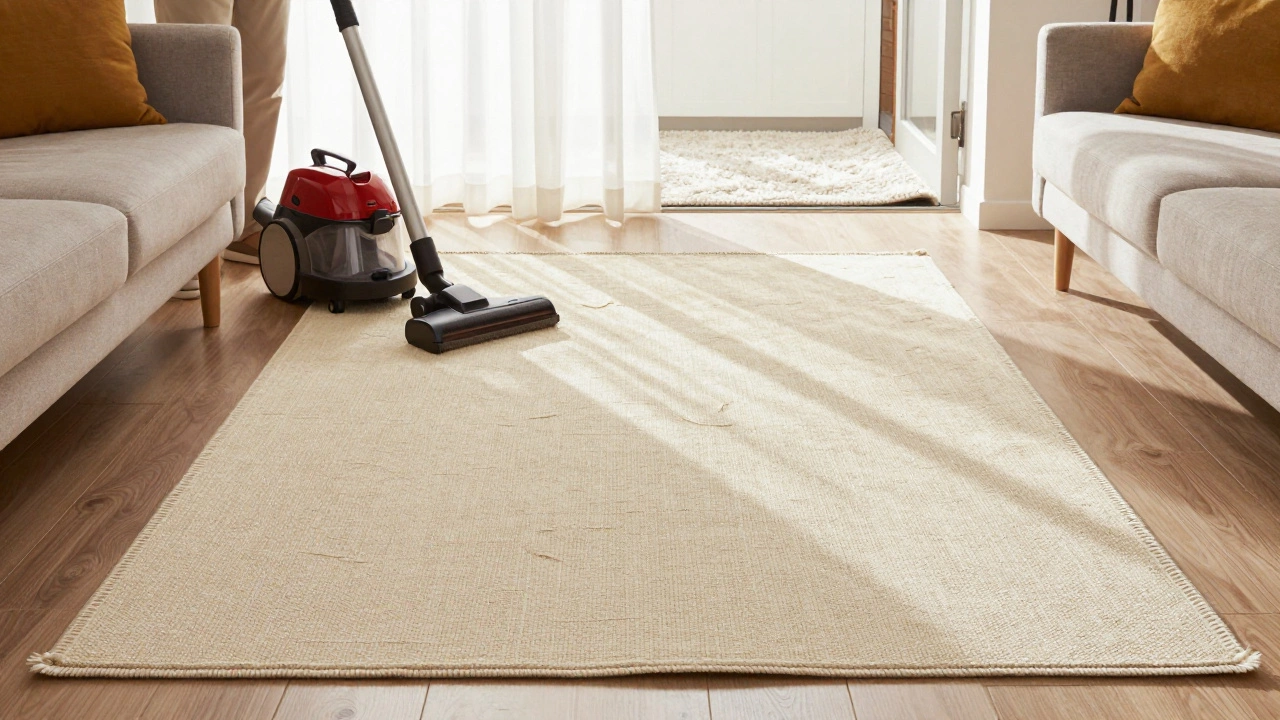
- Vacuum regularly: Use a vacuum with a brush roll to gently lift loose fibers. Do this frequently in the first few months to remove the excess material before it embeds itself deeper.
- Avoid steam cleaning initially: Steam cleaning can loosen the backing of new tufted rugs, causing more shedding. Wait at least six months before professional cleaning.
- Use a rug pad: A good rug pad provides cushioning and reduces friction between the rug and the floor. This prevents fibers from being pulled out by movement.
- Trim loose threads carefully: If you see long, dangling threads, trim them with scissors instead of pulling them. Pulling can unravel the entire row of knots.
- Rotate your rug: Rotating the rug every few months ensures even wear, preventing certain areas from becoming bald or overly shed.
Choosing the Right Rug for Your Lifestyle
Your lifestyle should dictate your rug choice. If you have pets, children, or a busy household, prioritize low-shedding materials like polypropylene or nylon. These fibers withstand abuse and keep your floors cleaner.
If you prefer the luxury of wool, invest in high-quality, long-staple wool rugs. They shed less than cheaper alternatives and offer superior comfort. Avoid shag styles if you want to minimize maintenance.
For those who love the look of natural fibers but hate the mess, consider blended rugs. A mix of wool and synthetic fibers can offer the best of both worlds: the softness of wool with the durability of synthetics. Always check the label for fiber content and construction method before buying.
Common Mistakes That Make Rugs Shed More
Even the best rugs can shed if treated poorly. Here are some common errors to avoid.
First, ignoring the initial shedding phase. Many people think their rug is defective when it sheds after purchase. In reality, it needs time to settle. Vacuuming daily for the first month can speed up this process significantly.
Second, using harsh chemicals. Bleach and strong detergents can degrade the fibers and backing, leading to increased shedding. Stick to mild cleaners recommended by the manufacturer.
Third, placing rugs in direct sunlight. UV rays can weaken fibers over time, making them brittle and prone to breaking. Use curtains or blinds to protect valuable rugs from sun damage.
Do cheap rugs shed more than expensive ones?
Generally, yes. Cheap rugs often use shorter fibers and weaker backings, which lead to excessive shedding. Higher-priced rugs typically use longer staples and tighter constructions, resulting in less shedding over time.
Can I stop my wool rug from shedding?
You cannot stop it entirely, but you can minimize it. Vacuum frequently, use a rug pad, and avoid dragging furniture across the rug. Over time, the shedding will decrease as the loose fibers are removed.
Are shag rugs bad for allergies?
Yes, shag rugs trap dust, pollen, and pet dander deep within their long fibers. They also shed more, adding to the allergen load. Low-pile or flat-weave rugs are better choices for allergy sufferers.
What is the least shedding rug material?
Polypropylene and nylon are the least shedding materials. Flat-weave constructions, regardless of material, also shed very little due to their tight structure.
How long does it take for a new rug to stop shedding?
Most new rugs stop shedding significantly after 3 to 6 months of regular use and vacuuming. If shedding continues beyond this period, the rug may be of poor quality or damaged.
Understanding which rugs shed the most empowers you to make smarter purchasing decisions. Whether you prioritize aesthetics, durability, or ease of cleaning, knowing the facts about fibers and weaves helps you find the perfect balance for your home. Remember, a little maintenance goes a long way in keeping your floors clean and your rugs looking fresh.