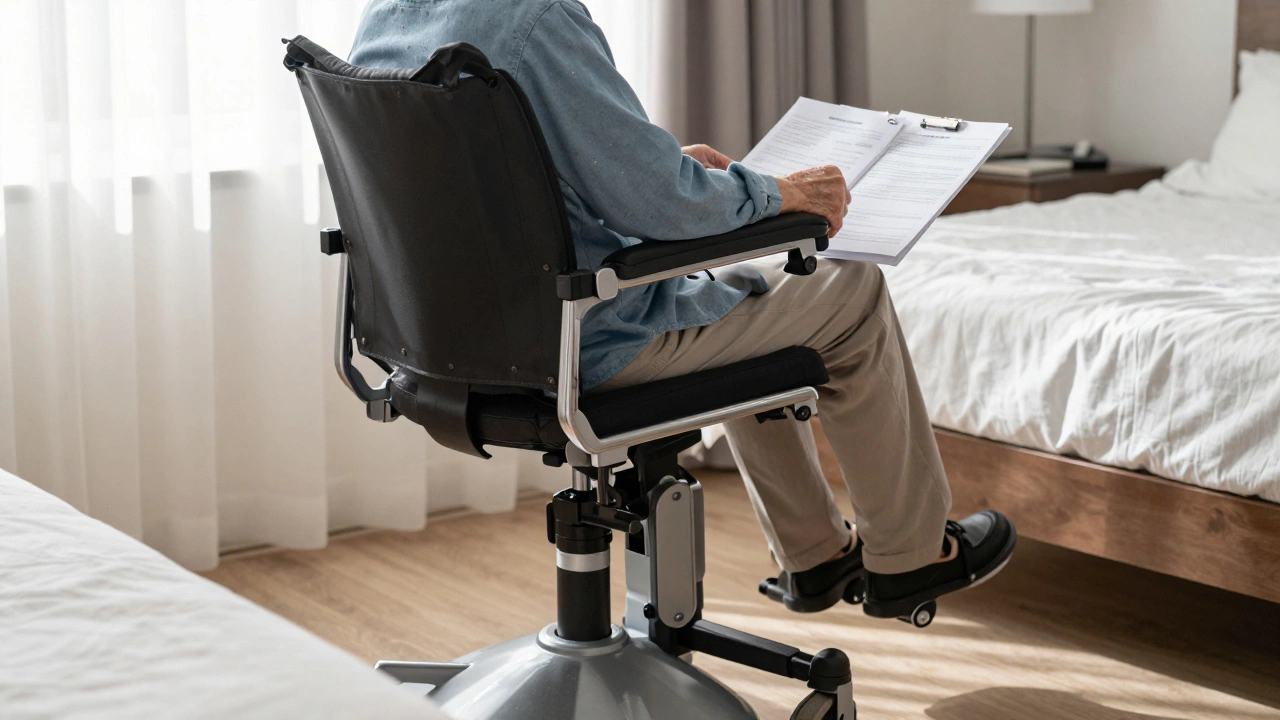
Medicare Recliner Coverage Checker
Determine if your situation qualifies for Medicare coverage of a lift recliner chair. This tool helps you understand if your condition and circumstances meet Medicare's strict medical necessity requirements.
If you’re struggling to stand up from a regular chair or sitting for long periods causes pain, a recliner might feel like a lifeline. But can Medicare actually pay for one? The short answer: Medicare might cover a recliner - but only if it meets strict medical criteria and is classified as durable medical equipment (DME). Most standard recliners you see in furniture stores won’t qualify. This isn’t about comfort - it’s about medical necessity.
What Medicare Actually Covers
Medicare Part B covers durable medical equipment that’s prescribed by a doctor and needed for use in your home. That includes wheelchairs, walkers, hospital beds, and yes - specialized recliners - but only if they’re medically necessary. A regular La-Z-Boy with a footrest won’t cut it. Medicare looks for features that directly support your health condition.
Examples of qualifying recliners include power lift recliners with motorized mechanisms that help you rise from a seated position. These aren’t luxury items; they’re mobility aids. If you have severe arthritis, advanced COPD, heart failure, or neuromuscular conditions like Parkinson’s or MS, a lift recliner may be the only way you can sit and stand safely without risking a fall.
Medicare doesn’t cover the chair just because you’re tired or want to relax. It covers it because you can’t get up without help. Your doctor must document that your condition limits your ability to stand from a regular chair, and that a lift recliner is the most appropriate solution.
How to Get Approved
Getting Medicare to pay for a recliner isn’t a quick online order. It’s a process with clear steps.
- See your doctor - Schedule an appointment specifically to discuss mobility issues. Don’t just mention you want a recliner. Talk about how sitting and standing affects your daily life. Do you use your arms to push off? Do you feel dizzy or unstable? Do you need help from someone else?
- Get a written prescription - Your doctor must write a detailed order stating that the lift recliner is medically necessary. The prescription should include your diagnosis, why a regular chair won’t work, and why a lift recliner is the best option.
- Use a Medicare-approved supplier - You can’t buy from Amazon or IKEA. The recliner must come from a supplier enrolled in Medicare. These suppliers handle the paperwork and billing directly with Medicare. Ask your doctor for a list, or check Medicare’s supplier directory online.
- Get a certificate of medical necessity - Some suppliers require this extra form, signed by your doctor, confirming the equipment is needed for home use and directly related to your condition.
- Wait for approval - Medicare will review the documentation. If approved, you’ll pay 20% of the Medicare-approved amount after meeting your Part B deductible. The supplier usually handles the rest.
Be prepared for delays. Some suppliers take weeks to process paperwork. If Medicare denies your request, you’ll get a letter explaining why. You can appeal, but you’ll need stronger documentation - maybe a physical therapist’s evaluation or a letter from a specialist.
What Features Qualify
Not all lift recliners are the same. Medicare has specific expectations for what counts as medical equipment.
- Power lift mechanism - Must use electricity to raise the entire seat and footrest. Manual tilt or push-back recliners don’t count.
- Adjustable positioning - Should allow you to find a position that reduces pain or breathing difficulty. For example, zero-gravity positioning helps with COPD and edema.
- Sturdy frame and support - Must hold your weight safely. Most Medicare-approved models support up to 350 pounds or more.
- No decorative extras - Leather upholstery, built-in speakers, massage functions, or USB ports? Medicare won’t pay for those. You can upgrade later, but the base medical model is all they cover.
Brands like Golden Technologies, Pride Mobility, and Invacare make Medicare-approved lift recliners. They’re often sold through medical supply stores, not furniture showrooms. The average Medicare-approved lift recliner costs between $800 and $1,500. Medicare typically pays $640-$1,200 after your 20% coinsurance.

What Medicare Won’t Cover
It’s just as important to know what doesn’t qualify.
- Standard recliners without lift motors
- Recliners bought online from non-approved sellers
- Recliners for general comfort or relaxation
- Replacement cushions or pillows, even if they’re orthopedic
- Recliners for temporary injuries (like after surgery)
Medicare doesn’t cover cushions separately unless they’re part of a wheelchair or hospital bed. A memory foam cushion you put on a regular chair? Not covered. A pressure-relieving cushion for a wheelchair that’s prescribed for a stage 3 pressure ulcer? That’s different - but it’s not a recliner.
Alternatives If Medicare Denies Coverage
If you’re denied, don’t give up. Here are other options:
- Medicaid - If you qualify for dual Medicare/Medicaid coverage, Medicaid may pay the 20% coinsurance or even cover the full cost.
- Veterans benefits - VA may provide lift recliners for eligible veterans with mobility issues.
- Charities - Organizations like the United Way, local senior centers, or the Arthritis Foundation sometimes offer grants or loan programs for DME.
- Rental programs - Some suppliers rent lift recliners for $50-$100/month. This can be a good short-term fix while you appeal or save up.
- Payment plans - Many medical suppliers offer 0% interest financing for 12-24 months.
Also check with your local Area Agency on Aging. They often have resource specialists who know which programs in your county help seniors afford mobility equipment.
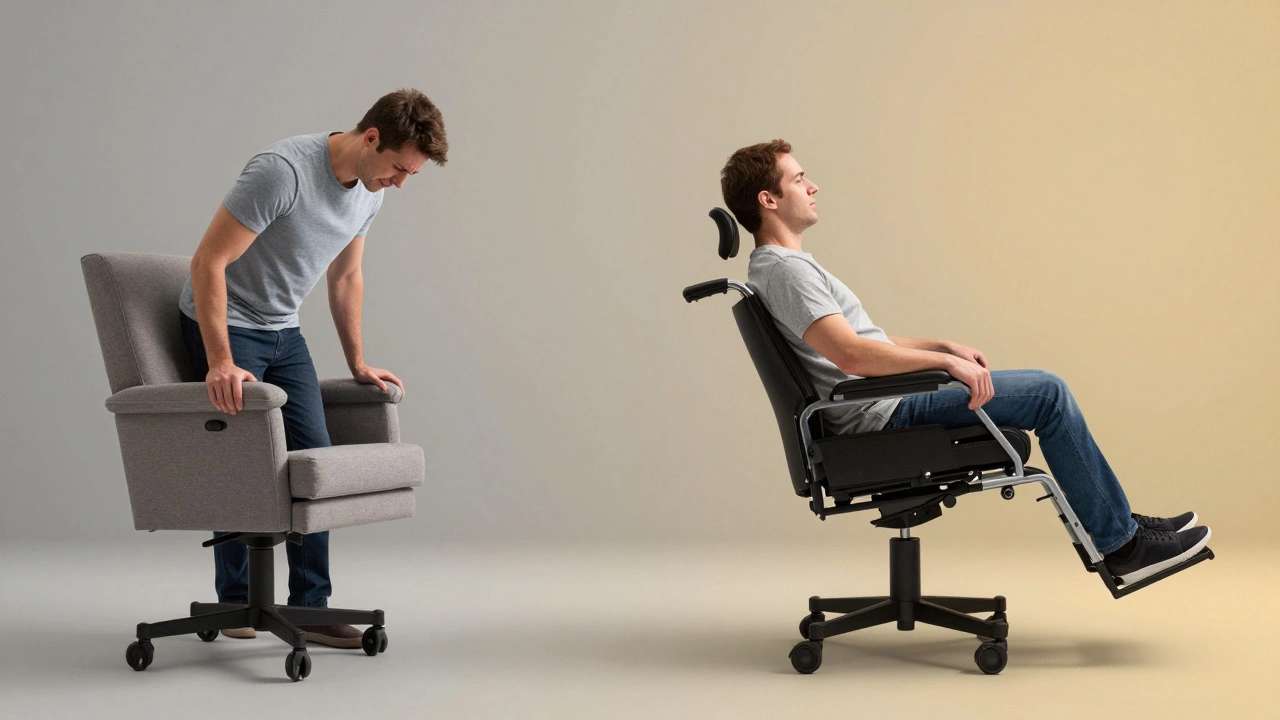
Common Mistakes to Avoid
People often mess up the process in ways that are easy to avoid.
- Buying first, asking later - If you buy a recliner before approval, Medicare won’t reimburse you. You’re stuck with the full cost.
- Using a non-approved supplier - Even if the chair is the right model, if the seller isn’t enrolled in Medicare, you’ll pay everything out of pocket.
- Not documenting symptoms clearly - Saying “I’m tired” isn’t enough. Document how often you fall, how much help you need, and what activities you can’t do because of sitting/standing pain.
- Assuming insurance covers everything - Medicare doesn’t cover 100%. You still pay 20%. If you have a Medigap plan, it might cover that part.
One woman in Ohio got denied twice because her doctor just wrote “mobility issues.” On the third try, she brought in a log showing she needed help standing 5-7 times a day and had fallen twice in the past month. That’s the kind of detail Medicare responds to.
When to Act Now
If you’re currently using your arms to push off a couch, avoiding sitting because it hurts, or relying on someone to help you up - don’t wait. The longer you delay, the more your mobility can decline. A lift recliner isn’t a luxury. For many, it’s the difference between living independently and needing full-time care.
Start with your doctor. Get the prescription. Find a Medicare supplier. Don’t shop for style - shop for function. The right chair won’t just make sitting easier. It might keep you safe, reduce pain, and let you stay in your home longer.
Can Medicare cover a recliner for back pain?
Medicare will only cover a recliner if your back pain is caused by a diagnosed medical condition - like spinal stenosis, severe degenerative disc disease, or neuromuscular disorders - and a lift recliner is proven to reduce pain or prevent falls. General back discomfort from sitting too long won’t qualify.
Do I need a doctor’s note for a lift recliner?
Yes. Medicare requires a written prescription from your doctor that states the recliner is medically necessary. A note saying “patient needs comfort” won’t work. It must link your diagnosis to the equipment’s function.
Can I rent a lift recliner instead of buying?
Yes. Many Medicare-approved suppliers offer rentals for $50-$100 per month. This is useful if you need it temporarily, like after surgery, or if you’re unsure about long-term use. Rental payments don’t count toward your deductible, but they can help you test if the chair meets your needs.
Does Medicare cover replacement cushions for a lift recliner?
No. Medicare covers the lift mechanism and frame as durable medical equipment, but not replacement cushions, covers, or pillows. These are considered maintenance items. You’ll need to pay for those yourself.
What if I already bought a recliner before getting approval?
Medicare won’t reimburse you for equipment bought before approval. You can still try to appeal, but you’ll need strong evidence that the chair was medically necessary at the time of purchase. It’s better to wait until you have the prescription and supplier approval before buying.