Rug Durability & Lifespan Estimator
Select your preferences below to estimate how long your new rug will last and see which materials fit your lifestyle best.
Your Rug Profile
Enter your details to see estimated lifespan and care tips.
Material Name
Recommendation...
You just spent a small fortune on a rug that looks stunning in the shop. Six months later, it’s shedding like a cat in summer, or worse, it’s flattened out in the high-traffic hallway. It’s frustrating, right? We’ve all been there. The truth is, not all rugs are created equal. Some are built to survive decades of foot traffic, while others are essentially disposable decor items. If you want a floor covering that actually holds up, you need to look past the pattern and focus on the fiber.
| Material | Lifespan (Years) | Traffic Resistance | Cleanability |
|---|---|---|---|
| Wool | 20-50+ | High | Moderate (needs professional cleaning for deep stains) |
| Polypropylene | 10-15 | Very High | Excellent (stain resistant) |
| Nylon | 15-20 | High | Good (if treated) |
| Jute/Sisal | 3-7 | Low | Poor (absorbs spills quickly) |
| Cotton | 5-10 | Medium | Easy (often machine washable) |
Why Wool Is Still the Gold Standard
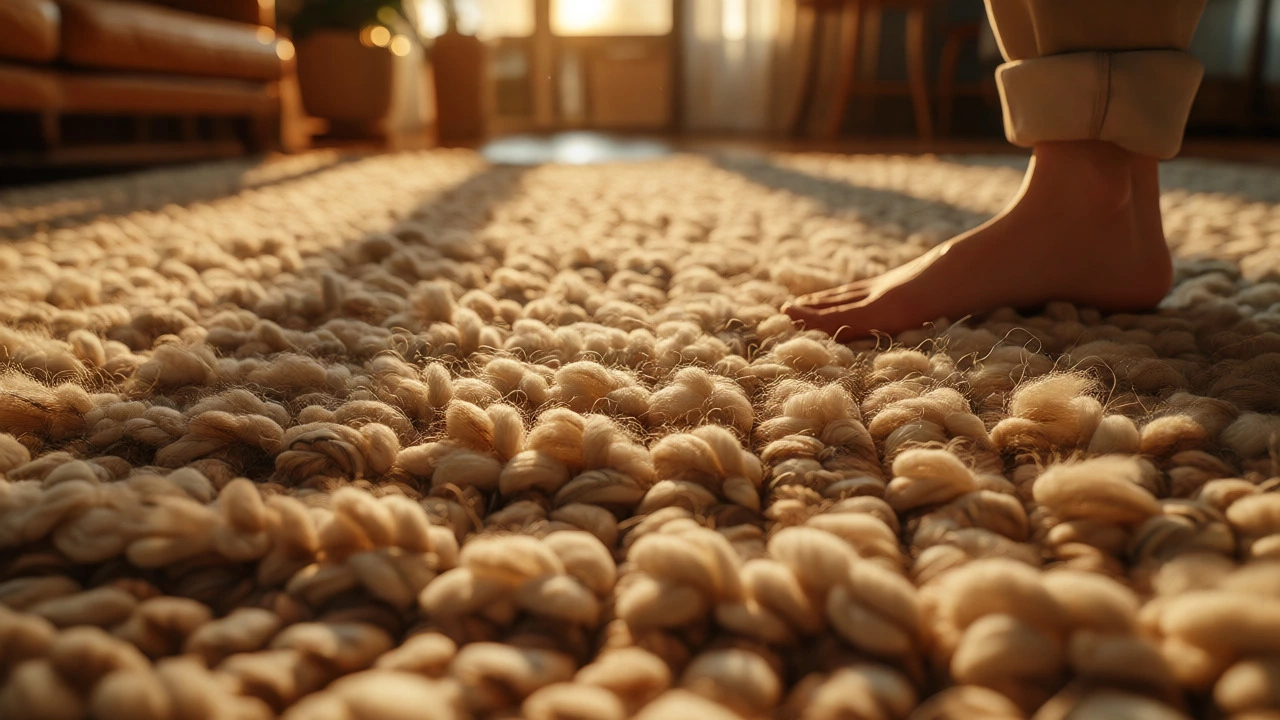
If budget allows, wool is a natural protein fiber harvested from sheep that offers superior resilience and stain resistance due to its lanolin content. Also known as sheep's wool, it has been used in textiles for millennia because it simply refuses to quit. When you step on a wool pile, the fibers bend but don’t break. They spring back into shape once the weight is removed. This elasticity is what prevents those ugly permanent dents in your living room rug.
Beyond durability, wool handles messes surprisingly well. The outer layer of each fiber has a waxy coating called lanolin. This repels liquids initially, giving you time to blot up a spilled glass of red wine before it soaks through. Sure, you can’t throw a large wool rug in the washing machine, but with regular vacuuming and occasional professional cleaning, a hand-knotted wool rug can easily outlive your children. In Oxford, where we see plenty of damp weather, wool also helps regulate humidity in the home, making it a practical choice beyond just aesthetics.
The Synthetic Powerhouses: Polypropylene and Nylon
Not everyone wants to spend thousands on a rug. For high-traffic areas like entryways, kitchens, or homes with pets, synthetics often win the longevity battle for a different reason: they’re cheap enough to replace when they eventually wear out, yet tough enough to last a decade. Polypropylene (also known as olefin) is a synthetic thermoplastic polymer that is inherently stain-resistant, moisture-proof, and fade-resistant. It’s the go-to material for indoor-outdoor rugs and basements.
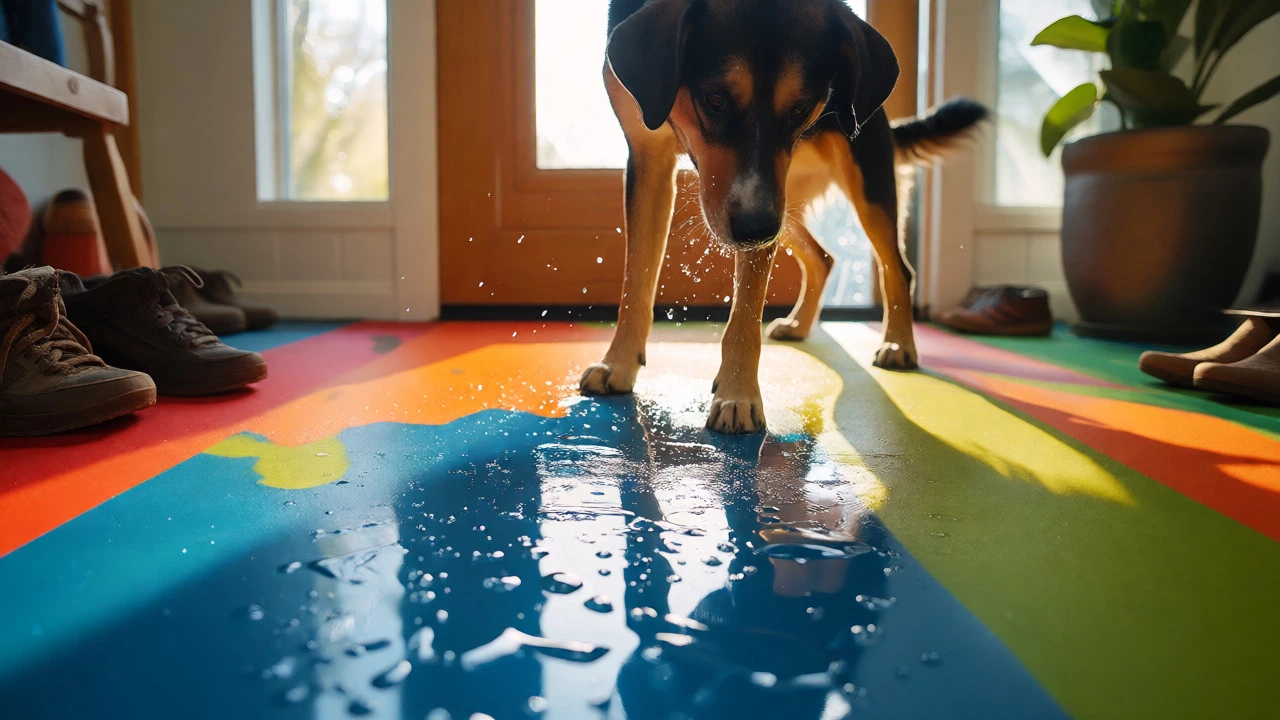
Here’s the catch with polypropylene: it crushes easily. If you put a heavy sofa on it, you might get permanent matting. However, if you keep furniture off it or use coasters under legs, it lasts ages. It doesn’t absorb water, so mold and mildew aren’t an issue. This makes it ideal for our rainy UK climate.
Then there’s nylon. Unlike polypropylene, nylon is a synthetic polymer known for its exceptional abrasion resistance and ability to hold dye vibrant colors. It’s the most durable synthetic fiber available. If you have kids running around or a dog that loves to scratch at the door, nylon takes a beating and keeps on ticking. The downside? It’s more expensive than polypropylene and can be prone to static buildup unless treated with anti-static agents.
Natural Fibers That Don’t Last (And Why You Might Want Them Anyway)
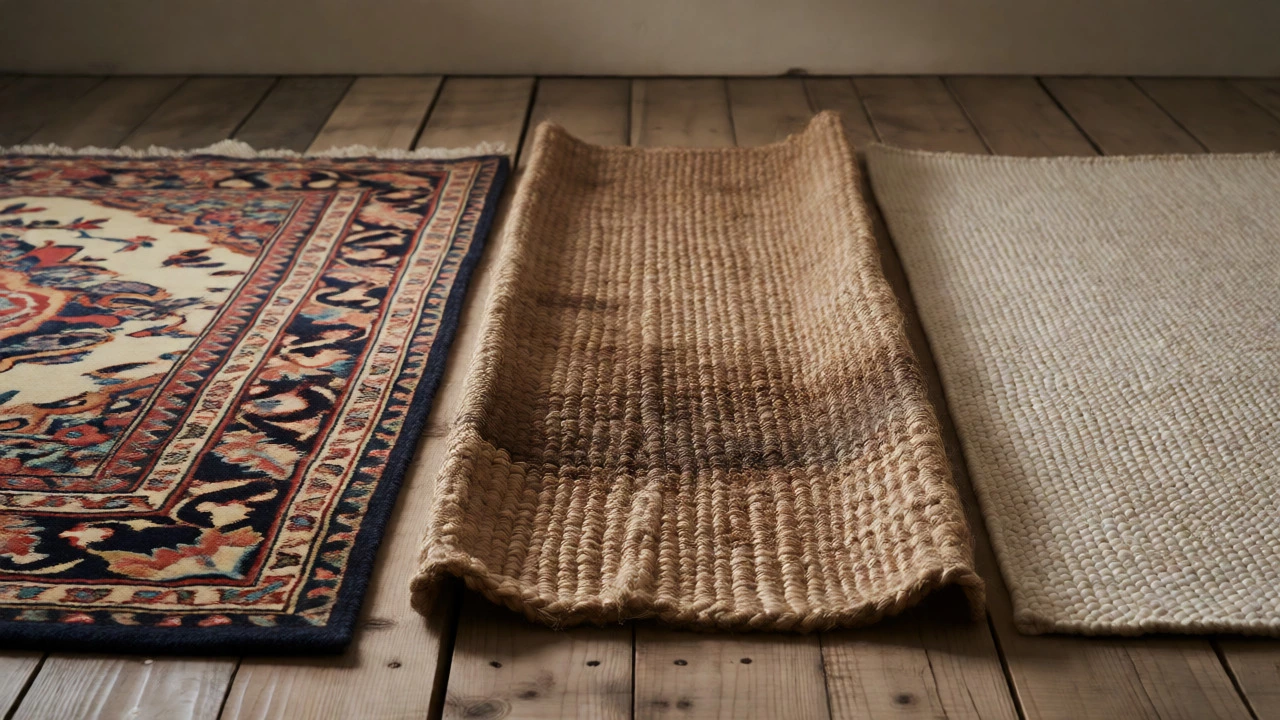
We need to talk about jute, sisal, and seagrass. These plant-based fibers look incredible. They bring texture and warmth to a minimalist space. But let’s be real: they are fragile. Jute is a long, soft, shiny vegetable fiber spun into coarse, strong threads. While strong in tension, it hates moisture. Spill coffee on a jute rug, and you’ll likely see a dark stain within minutes. The fibers swell and weaken when wet.
Sisal is tougher than jute but still absorbs liquids. Seagrass is slightly more water-resistant but lacks the softness people crave. If you love the eco-friendly vibe of these rugs, buy them for low-traffic zones like a bedroom or a formal dining room. Do not put them in the kitchen or the front hall. You’ll regret it the first time someone tracks in mud.
Construction Matters as Much as Material
You can buy the toughest wool in the world, but if it’s glued together poorly, it will fall apart. How a rug is made determines its lifespan significantly. Hand-knotted rugs are the champions here. Each knot is tied by hand around warp threads. This creates a dense, flexible structure that can be repaired indefinitely. If a section wears thin, a skilled weaver can re-knot it. Machine-made tufted rugs, however, rely on latex glue to hold the yarn backing in place. Over time, especially in humid environments, this glue breaks down. The backing crumbles, and the rug starts to shed or separate.
Flatweaves (kilims) are another option. Since they have no pile, there’s nothing to crush. They last longer in terms of appearance, but they offer less cushioning. If you drop something heavy on a flatweave, it hits the floor hard. For comfort and sound insulation, a thick pile rug wins. For pure longevity in a busy corridor, a tightly woven flatweave is a smart, low-maintenance pick.
How to Make Your Rug Last Longer
Buying the right material is half the battle. Maintenance is the other half. Even the toughest nylon rug will fail if you ignore basic care rules. Here is how to extend the life of whatever rug you choose:
- Vacuum regularly: Dirt acts like sandpaper underfoot. Every step grinds grit into the fibers, cutting them short. Vacuum weekly in high-traffic areas. Turn off the beater bar for delicate rugs like silk or antique wool to avoid fraying.
- Rotate seasonally: Sunlight fades colors, and foot traffic compresses pile. Rotate your rug 180 degrees every six months. This ensures even wear and fading.
- Use a rug pad: This is non-negotiable. A good felt-and-rubber pad cushions the rug, prevents slipping, and stops the rug from bunching up. Bunching causes excessive friction in one spot, leading to premature holes.
- Blot, don’t rub: When you spill something, press a clean cloth onto the stain. Rubbing pushes the liquid deeper into the fibers and damages the weave. Work from the outside in to prevent spreading.
Matching Rug Type to Room Usage
Where you place the rug dictates which material survives best. Let’s break it down by room:
The Living Room: This is usually the heart of the home. People walk here, pets sleep here, and kids play here. Go for wool if you want luxury and longevity. It hides dirt well because of its natural color variations. If you have young children who draw with markers, consider a high-quality polypropylene rug that mimics the look of wool. Modern manufacturing has gotten pretty good at making olefin feel soft.
The Kitchen: Grease, crumbs, and dropped eggs. You need something washable. Flat-weave cotton or braided cotton rugs are great because you can toss them in the washing machine. If you prefer a larger area rug, go for polypropylene. It won’t absorb grease stains permanently, and you can hose it down in the garden if things get really bad.
The Bathroom: Moisture is the enemy. Avoid wool and jute here. Look for microfiber or chenille mats that dry quickly. Or, stick to polypropylene, which resists mold and mildew effectively.
The Bedroom: Low traffic means you can afford to be delicate. Silk, viscose, or fine wool blends work well here. Viscose (rayon) looks like silk but is much cheaper. However, it hates water. Never clean a viscose rug with steam or water; it will leave yellow rings. Stick to dry cleaning only.
Common Myths About Rug Durability
There’s a lot of misinformation out there. One big myth is that "handmade" always means "lasts forever." Not true. A poorly made handmade rug with loose knots will unravel faster than a well-made machine-woven rug. Always check the back of the rug. If you see the design clearly mirrored on the back, it’s likely hand-knotted or hand-tufted with good quality control. If the back is fuzzy and indistinct, it’s probably glued tufted.
Another myth is that darker rugs hide dirt better. Actually, light-colored rugs show dust, but dark rugs show pet hair and lint prominently. Medium tones with patterns are the best camouflage for everyday messes. If you want a rug that looks clean between cleanings, pick a busy pattern in mid-range colors.
When to Replace vs. Repair
So, how do you know when a rug has reached the end of its life? If the fringe is gone and the edge binding is unraveling, it’s time for repair. A cobbler or rug specialist can re-bind edges for a fraction of the cost of a new rug. However, if the pile is bald in the center, or the backing is crumbling into powder, replacement is usually the better financial decision. Repairs on severely worn rugs often cost more than buying a new entry-level model.
Consider the sentimentality factor. An heirloom Persian rug might be worth repairing even if it’s threadbare, because of its historical value. But a mass-produced IKEA rug? Just replace it. There’s no shame in swapping out a rug that has served its purpose. It’s part of the cycle of home decorating.
Which rug material is most stain-resistant?
Polypropylene is generally the most stain-resistant synthetic material because it does not absorb liquids. Wool is naturally stain-resistant due to lanolin but requires quicker attention to spills than polypropylene. Nylon is durable but needs chemical treatments to achieve similar stain resistance.
Do wool rugs last longer than synthetic rugs?
Yes, high-quality wool rugs typically last longer than synthetic ones, often surviving 20 to 50 years with proper care. Synthetics like nylon and polypropylene usually last 10 to 15 years. However, synthetics may resist specific types of damage, like mold or extreme moisture, better than wool.
Is sisal or jute more durable?
Sisal is more durable than jute. Sisal fibers are harder and more resilient to wear, whereas jute is softer and more prone to staining and degradation from moisture. Neither is recommended for high-moisture areas like bathrooms or kitchens.
Can I wash a wool rug at home?
Small wool rugs can sometimes be gently hand-washed with cold water and mild detergent, but large or antique wool rugs should never be soaked. Water can cause shrinking, felting, or dye bleeding. Professional cleaning is the safest option for preserving their lifespan.
Does rug density affect longevity?
Absolutely. Higher knot density or tighter weaving means more fibers per square inch. This distributes weight more evenly and reduces individual fiber stress. A densely packed rug will take far longer to show wear paths than a loosely woven one.