Cast Iron Skillet Size Calculator
Find Your Perfect Skillet Size
Select your cooking needs to determine the ideal skillet size:
Skillet Size Guide
- 6-inch: Single servings, small meals, ideal for one person or side dishes
- 8-inch: Perfect for 1-2 people, great for eggs, pancakes, and small portions
- 10-inch: Goldilocks size for most households (3-4 people), versatile for multiple dishes
- 12-inch: Ideal for families, large gatherings, and baking bread or pizza
- 15-inch: Best for large parties, camping, or professional kitchens
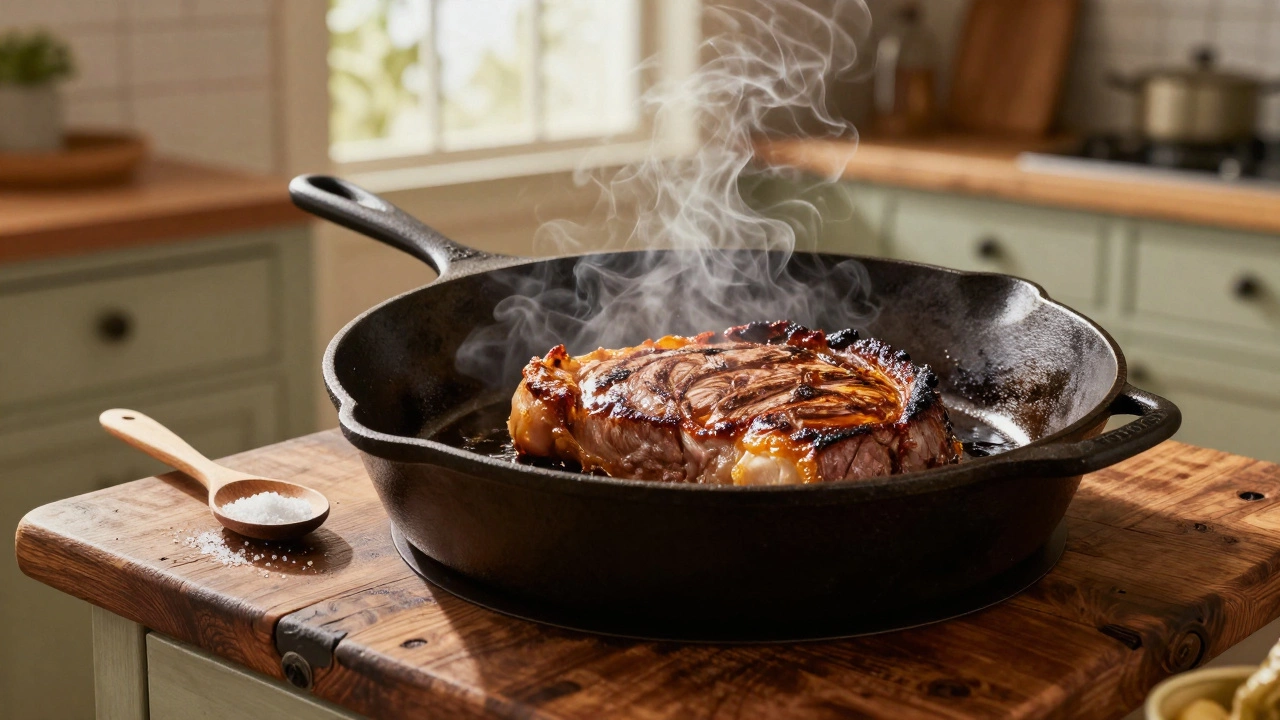
If you’ve ever watched a chef sear a steak until it crackles, or flipped a perfect cornbread in a blackened pan that’s been passed down for generations, you’ve seen the power of a great cast iron skillet. It’s not just cookware-it’s a workhorse that gets better with age. But with dozens of brands and models on the shelf, which one do real cooks keep coming back to? In 2025, the most sought-after cast iron skillet isn’t the fanciest or the most expensive. It’s the one that delivers consistent heat, lasts decades, and feels like an extension of your hand. That skillet is the Lodge Cast Iron Skillet.
Why Lodge Dominates the Cast Iron Market
Lodge Manufacturing has been making cast iron in the U.S. since 1896. That’s nearly 130 years of refining the same basic recipe: molten iron, sand molds, and a simple pre-seasoning process. You won’t find fancy coatings, ceramic finishes, or ergonomic handles designed by interior designers. Lodge keeps it raw, rugged, and reliable. And that’s exactly why home cooks, professional chefs, and outdoor enthusiasts all choose it.
What sets Lodge apart isn’t magic-it’s consistency. Every skillet is made in South Pittsburg, Tennessee. The same foundry. The same molds. The same team. That means if you buy a 10-inch Lodge skillet today, it will behave just like the one your grandparent used in the 1970s. No surprises. No guesswork. Just dependable performance.
What Makes a Cast Iron Skillet Truly Sought-After?
People don’t buy cast iron for looks. They buy it for function. And when you break down what makes a skillet stand out, four things matter most:
- Heat retention - Can it hold a sear for minutes without cooling down?
- Surface smoothness - Does food stick, or does it slide like butter?
- Handle comfort - Can you hold it for 20 minutes without your hand aching?
- Longevity - Will this still be usable in 20 years?
Lodge checks all four boxes. Its pre-seasoned surface-made with soybean oil-isn’t perfect out of the box, but it’s close enough that even first-time users can fry eggs without scraping. After a few uses, it becomes naturally nonstick. No Teflon. No chemicals. Just carbonized oil forming a protective layer that gets stronger over time.
The handles are designed for balance, not just grip. The long, curved shape lets you swing the pan like a baseball bat when flipping pancakes, yet it stays cool enough to hold with a kitchen towel. The bottom is thick enough to resist warping on gas, electric, or induction stoves. And unlike some imported skillets that chip or crack after a few years, Lodge skillets are built to survive a drop on the kitchen floor.
How It Compares to Other Top Brands
There are other good cast iron skillets out there. But none match Lodge’s combination of price, availability, and reliability.
| Brand | Origin | Price (10-inch) | Pre-Seasoned? | Weight (lbs) | Warranty |
|---|---|---|---|---|---|
| Lodge | USA | $25 | Yes | 4.8 | Lifetime |
| Le Creuset | France | $180 | Yes | 5.5 | Lifetime |
| Staub | France | $165 | Yes | 5.7 | Lifetime |
| Smithey | USA | $140 | Yes | 4.5 | Lifetime |
| Victoria | China | $20 | No | 5.0 | 1 year |
Le Creuset and Staub are beautiful-enamel-coated, colorful, and great for braising. But they’re overkill for daily frying. Smithey is hand-finished and smoother than Lodge, but it costs six times as much. Victoria is cheap, but you’ll need to season it yourself, and the metal is thinner. Lodge hits the sweet spot: affordable, ready to use, and built to last.

Real-World Use Cases
People don’t just buy Lodge skillets-they rely on them. In rural kitchens across the U.S., it’s the only pan used for Sunday fried chicken. In New York City apartments, it’s the go-to for weeknight stir-fries. In the Pacific Northwest, it’s the centerpiece of campfire cooking.
One chef in Austin told me he uses his 12-inch Lodge for everything: searing salmon, baking cornbread, even making pizza on the grill. He’s had it for 14 years. It’s darker than his coffee pot. He doesn’t wash it with soap. He just wipes it with a paper towel and heats it on the stove to dry. That’s the ritual. That’s the magic.
Another user, a single mom in Ohio, bought her first Lodge skillet on sale at Walmart. She used it to cook meals for her kids every night. When her oldest went off to college, she handed it to him. He sent her a photo last year-still in use, still black as night, still cooking perfect eggs.
How to Care for Your Lodge Skillet
It’s not complicated. You don’t need a PhD in metallurgy. Just follow three rules:
- Don’t soak it. Rinse with hot water and scrub with a brush or sponge. No dish soap unless you’re dealing with sticky residue.
- Dry it immediately. Place it on the stove over low heat for a minute to evaporate any moisture.
- Lightly oil it. After drying, rub a thin coat of vegetable oil inside with a paper towel. That’s it.
That’s all it takes to keep your skillet from rusting and to keep the seasoning building. Over time, the surface becomes smoother and more nonstick. You’ll notice the difference after just a few uses. By year three, you’ll wonder why you ever used anything else.
What to Buy: Size, Shape, and Style
Lodge offers a range of sizes-from 6 inches for single servings to 15 inches for family meals. For most households, the 10-inch is the Goldilocks size: big enough for 3-4 servings, small enough to handle easily.
There are two main styles: the classic round skillet and the square griddle. The classic is what you want for frying, searing, and baking. The griddle is great for pancakes or bacon, but less versatile overall.
Don’t get distracted by fancy lids or pour spouts. Lodge’s basic model-with its slightly rounded edges and smooth interior-is the one professionals recommend. The only upgrade worth considering is the Pre-Seasoned Cast Iron Skillet with Helper Handle if you plan to carry heavy loads from oven to table.
Where to Buy and What to Avoid
You can find Lodge skillets at Walmart, Target, Amazon, REI, and local hardware stores. Prices rarely go above $30, even during sales. If you see one priced over $40, you’re likely paying for branding, not quality.
Avoid skillets labeled “European-made” or “artisan-cast” unless you’re prepared to spend $100+ and accept that they may not be pre-seasoned. Many of these are marketed as premium but require months of seasoning to become usable. Lodge skips that hassle.
Also, skip the enamel-coated or colored versions unless you’re decorating your kitchen. They’re not better for cooking-just prettier. And they chip. Once they chip, moisture gets in, and rust follows.
Is It Worth It?
Yes. Not because it’s the fanciest. Not because it’s the most expensive. But because it’s the most dependable. A Lodge skillet costs less than a pair of good hiking boots. Yet it lasts longer. It doesn’t break. It doesn’t wear out. It doesn’t need replacing. It just gets better.
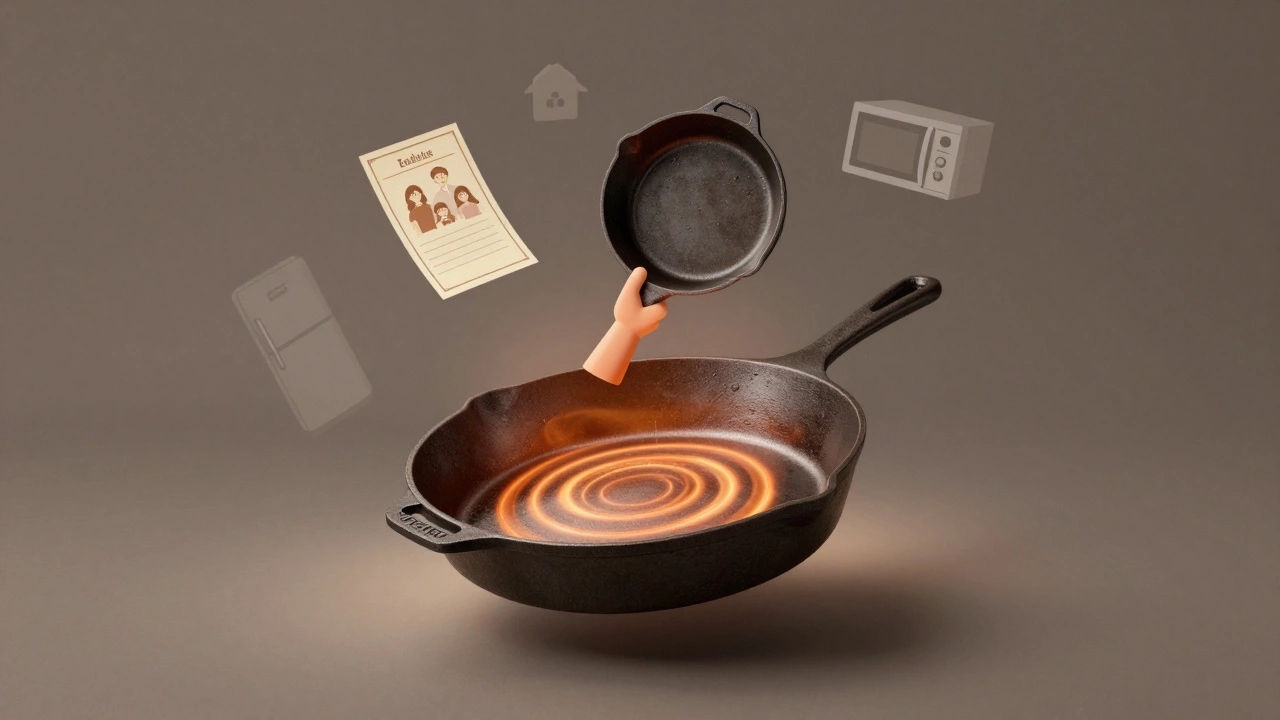
When you buy a Lodge skillet, you’re not buying a kitchen tool. You’re buying a legacy. One that you’ll use every week. One that your kids might use one day. One that, if cared for, will outlive your microwave, your fridge, and maybe even your house.
That’s why it’s the most sought-after cast iron skillet in 2025. Not because of marketing. Not because of influencers. But because real people-cooking real meals-keep choosing it, again and again.
Can I use metal utensils on a Lodge cast iron skillet?
Yes. Unlike nonstick pans, cast iron is incredibly durable. Metal spatulas, tongs, and whisks won’t damage the seasoning. In fact, using them helps smooth out the surface over time. Just avoid sharp knives that could scratch the interior.
Is Lodge cast iron good for induction stoves?
Absolutely. Lodge skillets are made from pure cast iron, which works perfectly on induction cooktops. The magnetic properties of iron allow it to heat quickly and evenly. Just make sure the bottom is flat and clean for maximum contact.
Why does my new Lodge skillet feel rough?
New cast iron has a slightly textured surface from the sand casting process. This isn’t a defect-it’s normal. With regular use and proper seasoning, that roughness will smooth out naturally. After 3-5 uses, you’ll notice food sliding more easily. By the end of the first year, it’ll feel like glass.
Can I put my Lodge skillet in the dishwasher?
Never. Dishwashers use harsh detergents and prolonged water exposure that strip away seasoning and cause rust. Always hand-wash your skillet with hot water and dry it thoroughly. A quick wipe with oil after drying is all it needs.
How do I fix a rusty Lodge skillet?
Scrub the rust off with steel wool or a stiff brush under hot water. Dry it completely on the stove. Then, apply a thin layer of oil and bake it upside down in a 375°F oven for one hour. Let it cool. Repeat if needed. It’ll come back to life-just like new.