Saucer vs. Coaster: What Do You Need?
Choose a drink and setting above to see if you need a saucer or a coaster.
Quick Comparison
- Material: Porcelain/Ceramic
- Thickness: Thin (3–5mm)
- Use: Formal service
- Material: Wood/Cork/Felt
- Thickness: Thicker (5–10mm)
- Use: Casual protection
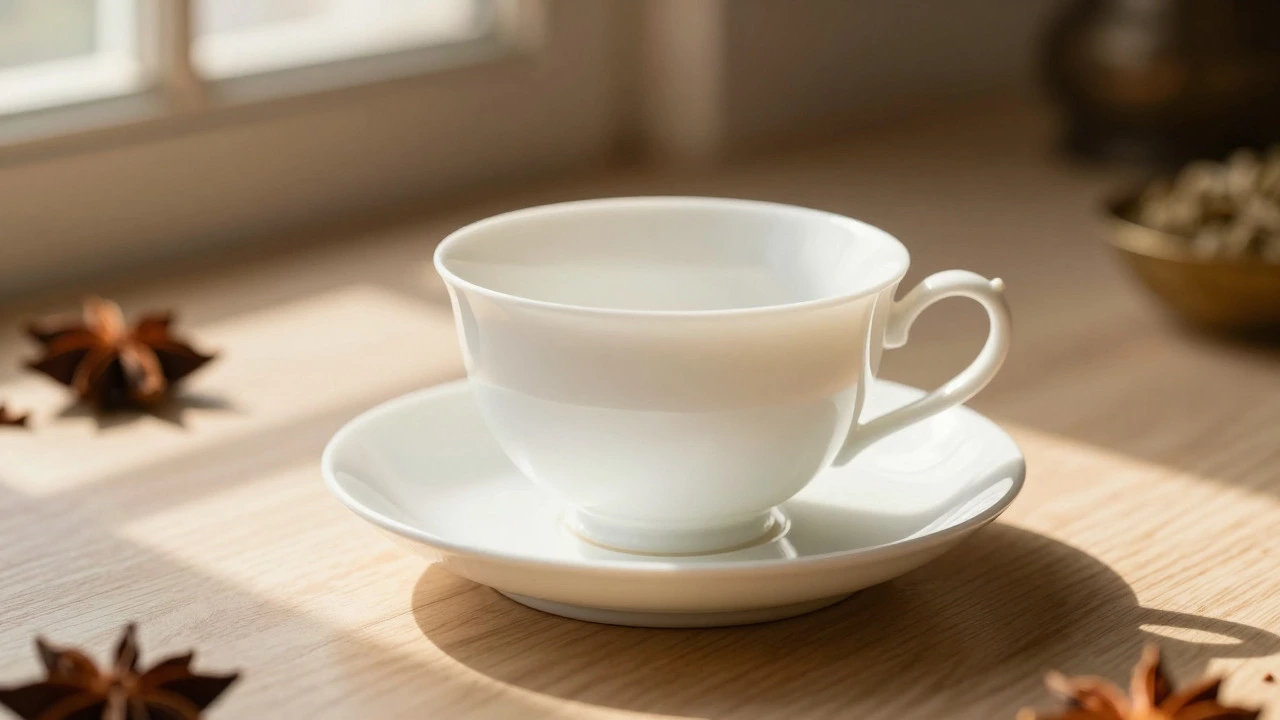
Ever stared at a delicate teacup resting on a smaller dish and wondered what that bottom piece is actually called? It’s one of those words that feels right on the tip of your tongue but refuses to stick. The answer is simple: it’s a saucer.
But just knowing the name doesn’t explain why we use them, how they differ from similar items, or when you should actually put one under your coffee mug. In this guide, we’ll clear up the confusion around saucers, their history, and their place in modern kitchens.
Key Takeaways
- The small plate under a cup is officially called a saucer.
- Saucers serve three main purposes: catching spills, protecting surfaces, and holding condiments.
- A "coaster" is different; it’s usually thicker, made of wood or cork, and not part of formal tableware sets.
- In formal dining, the cup and saucer are treated as a single unit during service.
- You don’t need a saucer for every drink, but they add elegance and practicality to tea and coffee service.
Why Is It Called a Saucer?
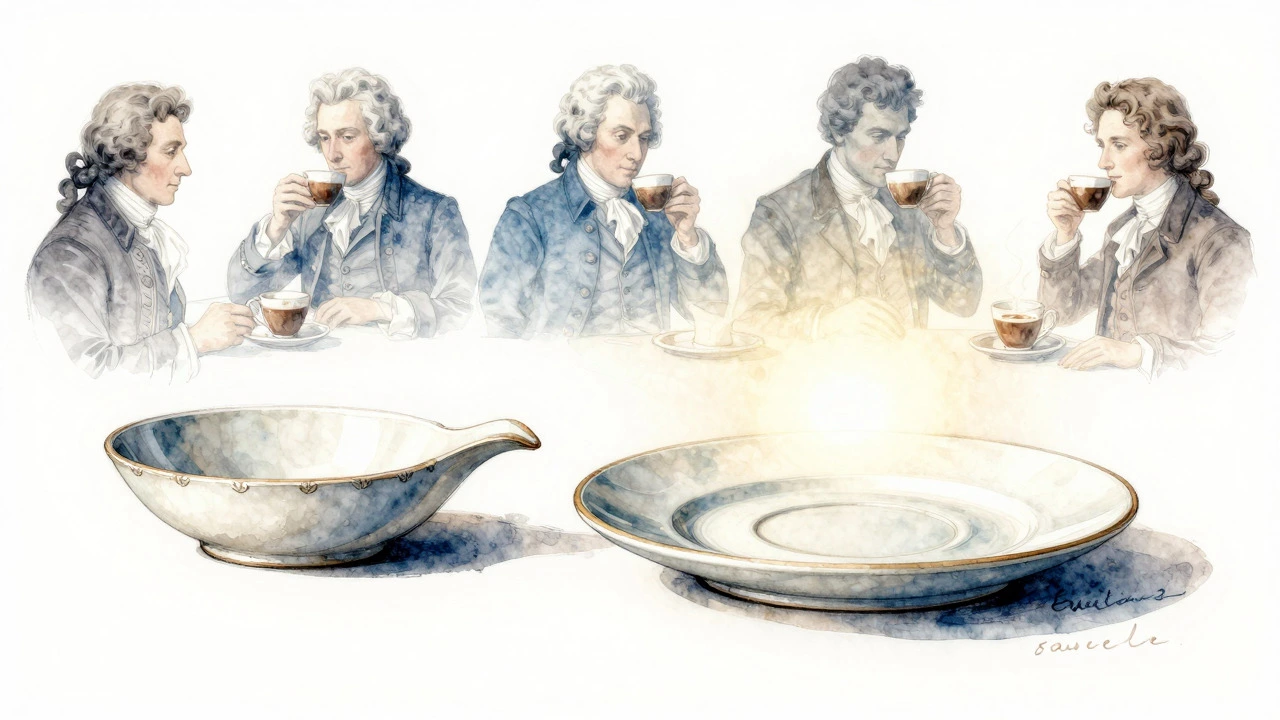
The word "saucer" comes from the Old French word saucele, which meant a small dish for sauce. Over time, its purpose shifted from holding liquid condiments to supporting cups. This etymological root helps explain why early saucers were shallow and wide-designed to catch drips rather than just sit there decoratively.
In the 18th century, as porcelain became more common in Europe, saucers evolved into matching pieces for teacups. They weren’t just functional; they signaled status. Owning a full set of matched cups and saucers was a sign of refinement. Today, while the social signaling has faded, the design principle remains: the saucer complements the cup both visually and functionally.
Saucer vs. Coaster: What’s the Difference?
Many people use the terms interchangeably, but they refer to different objects with distinct uses. Here’s how to tell them apart:
| Feature | Saucer | Coaster |
|---|---|---|
| Material | Porcelain, ceramic, glass, metal | Wood, cork, felt, plastic, leather |
| Thickness | Thin, often 3-5mm | Thicker, often 5-10mm |
| Design | Matches cup set, decorative | Standalone, often textured or branded |
| Primary Use | Formal tea/coffee service | Casual drink protection |
| Placement | Part of table setting | Placed ad hoc on any surface |
If you’re serving guests in a nice dinnerware set, you want saucers. If you’re pouring beer on a wooden table, a coaster will do the job. Mixing them up can look awkward-imagine placing a thick cork coaster under a fine bone china cup. It works, sure, but it breaks the aesthetic harmony.
How to Use a Saucer Properly
Using a saucer isn’t just about aesthetics; it follows certain conventions, especially in formal settings. Here’s how to handle it correctly:
- Lift the cup only. When drinking, hold the cup by the handle. Don’t lift the saucer unless you’re moving the entire set to a new location.
- Place the spoon on the saucer. After stirring, rest the teaspoon on the saucer, not inside the cup or on the table.
- Keep crumbs off the saucer. If you’re eating biscuits or cookies alongside your tea, eat them directly from the plate or napkin, not from the saucer.
- Don’t stack cups on saucers. Unlike coasters, saucers aren’t designed to bear the weight of multiple stacked items. One cup per saucer is the rule.
In casual home settings, you can relax these rules. But if you’re hosting a formal dinner or attending a high-end event, following these norms shows attention to detail and respect for tradition.
When Do You Actually Need a Saucer?
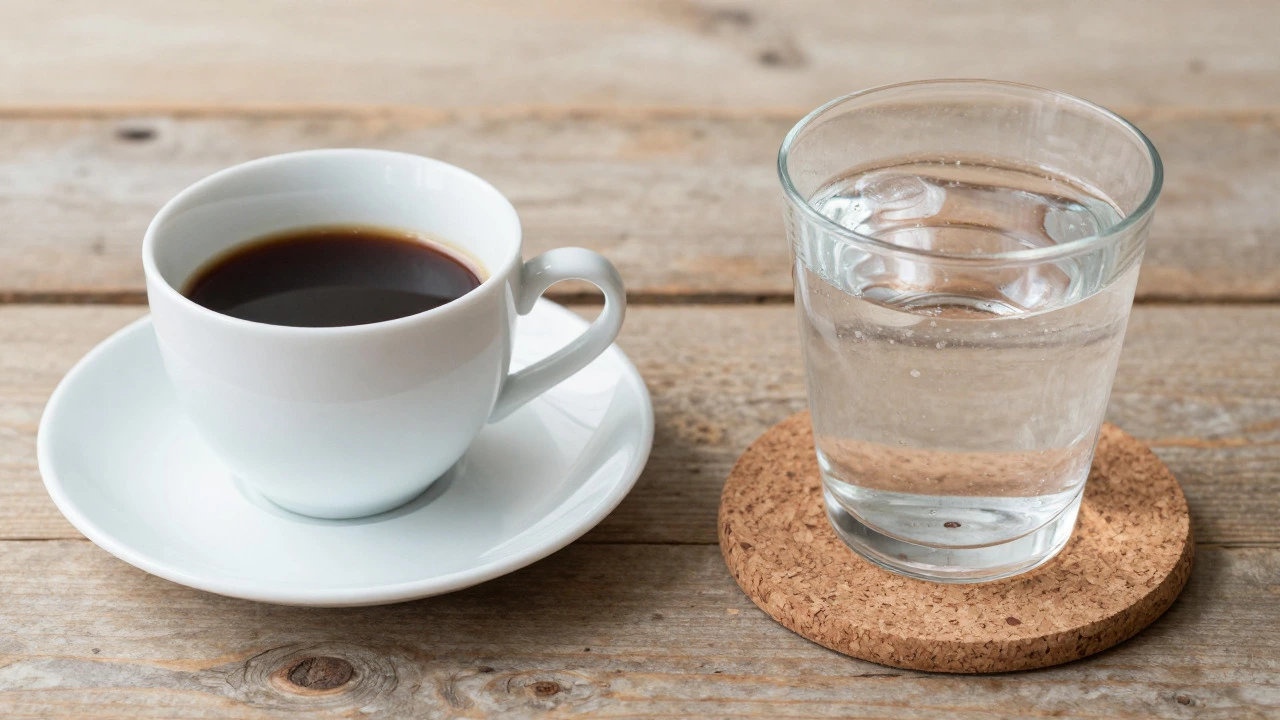
Not every drink requires a saucer. Hot beverages like tea, espresso, and cappuccino traditionally come with saucers because they’re served in cups that can spill easily. Cold drinks like water, juice, or soda are typically served in glasses without saucers.
That said, some modern cafes and homes use saucers for aesthetic reasons even with cold drinks. For example, a chilled glass of lemonade might be placed on a small ceramic dish to match the table setting. In these cases, the "saucer" functions more like a decorative base than a traditional spill-catcher.
Here’s a quick guideline:
- Use a saucer: Tea, espresso, cappuccino, hot chocolate, any drink in a handled cup.
- Skip the saucer: Water, soda, juice, smoothies, any drink in a tumbler or glass without a handle.
Common Misconceptions About Saucers
There are a few myths floating around that deserve debunking:
Myth 1: Saucers are only for tea. False. While tea culture popularized saucers, they’re equally appropriate for coffee, especially in European traditions where espresso is always served with a saucer.
Myth 2: You must sip from the cup, never from the saucer. Mostly true. In formal settings, you drink from the cup. However, in very casual contexts, some people tilt the cup over the saucer to avoid spills. It’s not wrong, just less polished.
Myth 3: All saucers are the same size. Not quite. Espresso saucers are smaller (around 9cm diameter) than teacup saucers (around 15cm). Matching the saucer size to the cup type ensures stability and visual balance.
Choosing the Right Saucer for Your Home
If you’re building your kitchenware collection, consider these factors when selecting saucers:
- Material durability: Porcelain is elegant but fragile. Ceramic is tougher and easier to clean. Glass saucers are modern but show fingerprints easily.
- Size compatibility: Measure your cups first. A saucer should be slightly larger than the cup’s base to provide support without looking oversized.
- Style consistency: Match the saucer’s pattern and finish to your cups. Mixing plain white saucers with floral cups can look disjointed unless you’re going for an eclectic vibe.
- Heat resistance: If you’re serving hot drinks, ensure the saucer can withstand thermal shock. Thick ceramics handle temperature changes better than thin glass.
Investing in a good set of saucers can elevate your daily coffee or tea ritual. It’s a small touch that makes a big difference in how your home feels.
Frequently Asked Questions
Is a saucer the same as a plate?
No. A saucer is specifically designed to support a cup, making it smaller and shallower than a standard plate. Plates are used for food, while saucers are for beverage service. Using a plate under a cup would be impractical and visually overwhelming.
Do I need a saucer for my morning coffee?
It depends on your preference. If you’re using a mug, a saucer isn’t necessary. But if you’re using a handled coffee cup, a saucer adds stability and style. Many people find it enhances the experience, even if it’s not strictly required.
Can I use a coaster instead of a saucer?
Yes, in casual settings. A coaster will protect your table from heat and moisture. However, it won’t match your tableware aesthetically. For everyday use, coasters are fine. For entertaining, stick with proper saucers.
What is the correct way to hold a cup and saucer?
Hold the cup by its handle with your index finger through the loop and your thumb underneath. Keep the saucer flat on the table. Only move the saucer if you need to reposition the entire set. Never hold the saucer while sipping.
Are saucers still fashionable in modern kitchens?
Absolutely. Modern designers love minimalistic saucers in matte finishes or bold colors. They’re seen as a nod to classic elegance without being stuffy. Many contemporary home decor trends incorporate saucers as part of curated tablescapes.