Luxury Curtain Calculator
Ever walked into a hotel lobby or a high-end boutique and felt that immediate sense of calm and sophistication? Chances are, you didn't notice the furniture first. You noticed the windows. The way light filtered through heavy, perfectly hung fabric can transform a cheap rental into a sanctuary. It’s not magic; it’s physics and psychology wrapped in textile engineering.
Most people buy off-the-rack panels from big-box stores, hang them too low, and wonder why their living room feels flat. If you want your space to look curated and expensive, you have to stop treating curtains as mere window coverings and start treating them as architectural elements. Here is exactly what makes a room look expensive, down to the thread count and the hardware.
The Fabric Factor: Weight and Texture Matter
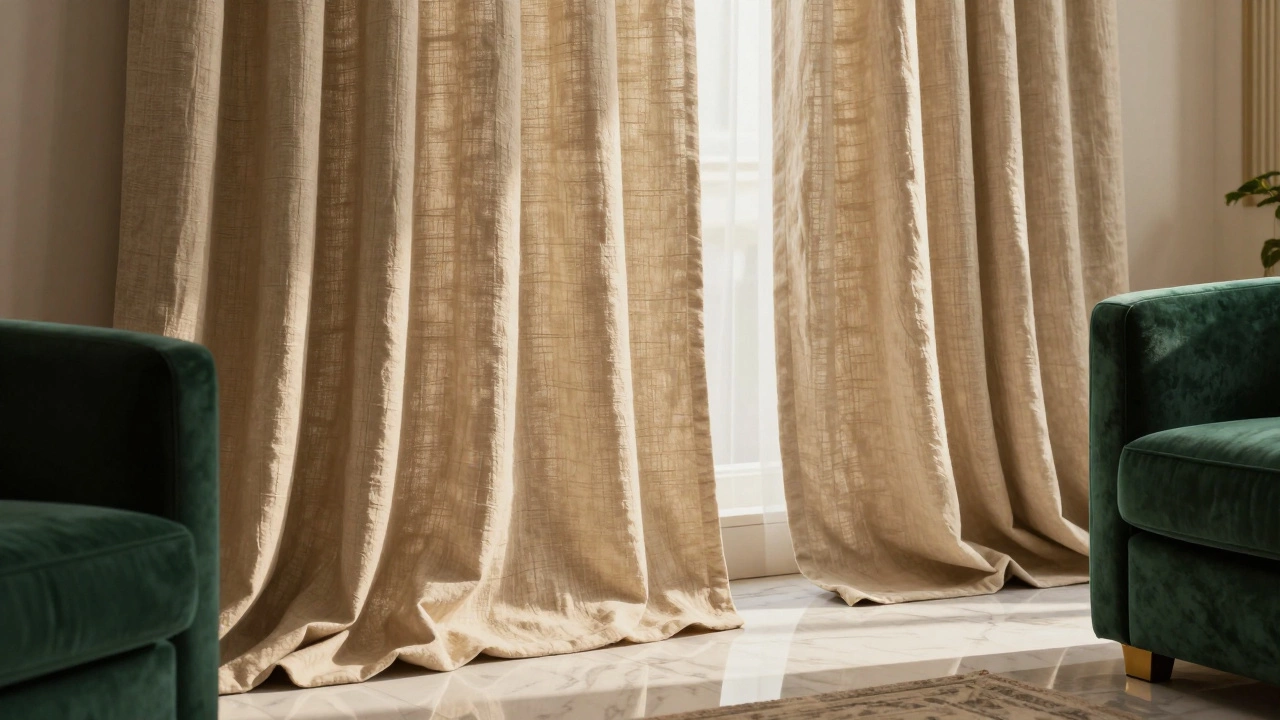
The single biggest giveaway of cheap curtains is thin, shiny fabric. When sunlight hits synthetic polyester blends with a sheen, they reflect light harshly and often look like plastic. To achieve that luxurious look, you need natural fibers or high-quality blends that absorb light rather than reflecting it.
- Linen: Real linen has a beautiful, irregular texture. It wrinkles easily, but that’s part of its charm. It looks effortless and expensive. Look for "washed linen" if you want a softer drape without the stiffness.
- Cotton Velvet: Velvet adds depth and richness. It changes color slightly depending on how the light hits it. Choose cotton velvet over silk for durability and easier maintenance, unless you’re prepared to dry clean frequently.
- Silk Blends: Pure silk is fragile and fades in sun. A silk-cotton blend gives you the luster of silk with the strength of cotton. This is the gold standard for formal dining rooms or bedrooms.
Avoid anything that feels crinkly or stiff when you touch it. Run your hand along the fabric. If it doesn’t feel substantial, it won’t look substantial. Heavy fabrics also help with soundproofing and insulation, adding functional value to the aesthetic one.
The Power of the Pleat: Heading Styles Explained
How the fabric attaches to the rod defines the silhouette. The most common mistake homeowners make is buying curtains with simple grommets (metal rings sewn into the top). While grommets are easy to install, they create a casual, industrial look that rarely reads as "expensive."
To elevate the look, opt for these heading styles:
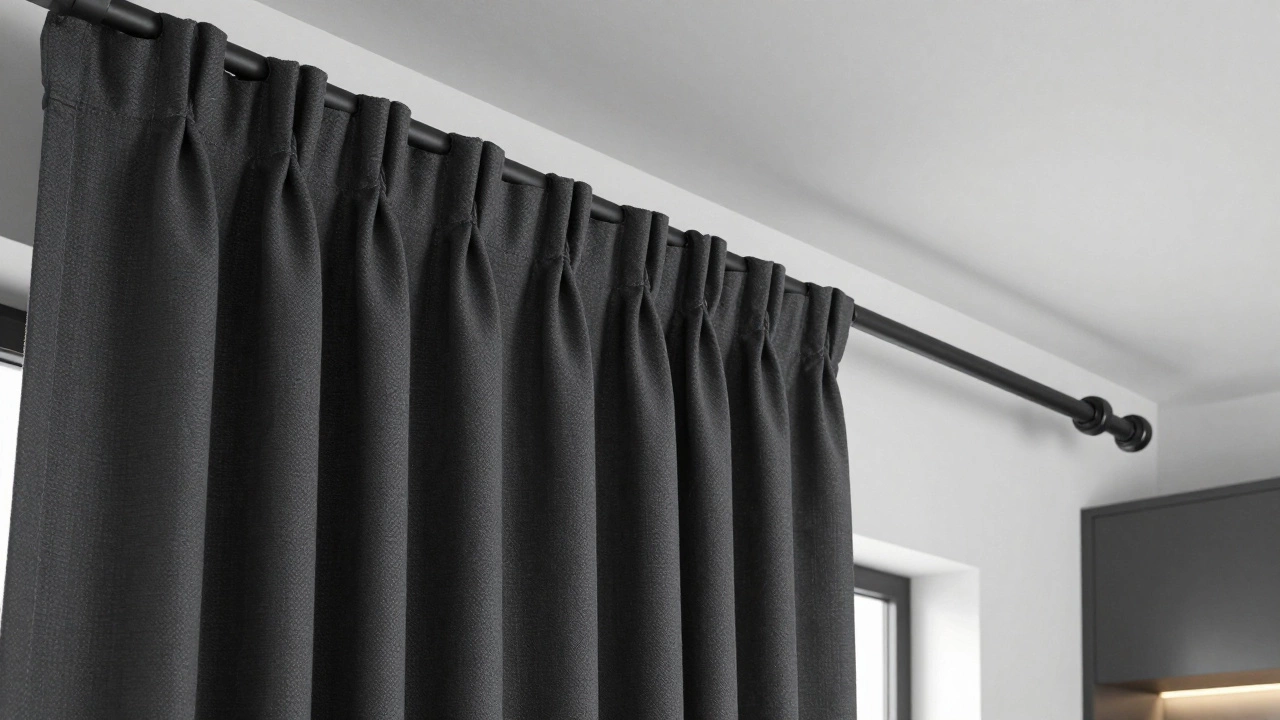
- Pencil Pleats: These are small, tight folds created by cords sewn into the hem. They offer a crisp, tailored look that works well in traditional or minimalist spaces.
- Goblet Pleats: These are wider, more dramatic folds that hold their shape beautifully. They add volume and grandeur, making them perfect for high ceilings.
- Hobble Pleats: Similar to goblet pleats but flatter and more modern. They provide a clean line without excessive bulk.
If you’re sewing your own curtains or hiring a tailor, ensure the pleats are hand-stitched at the top. Machine-stitched pleats can look uniform but lack the softness and movement of hand-finished details. This small detail is often what separates mass-produced goods from bespoke designs.
Hardware Is Not an Afterthought
You can spend thousands on fabric, but if you hang it on a flimsy white plastic rod, the illusion breaks immediately. The hardware anchors the entire look. Think of the curtain rod as the frame for a painting-it needs to be sturdy and visually pleasing.
| Material | Aesthetic | Durability | Best For |
|---|---|---|---|
| Brass/Bronze | Warm, Traditional, Luxurious | High | Living Rooms, Bedrooms |
| Matte Black Steel | Modern, Industrial, Sleek | Very High | Kitchens, Modern Living Spaces |
| Wood | |||
| Natural, Organic, Soft | |||
| Medium | |||
| Scandinavian, Rustic Homes | |||
| Chrome/Nickel | |||
| Cool, Contemporary, Minimalist | |||
| High | |||
| Bathrooms, Offices |
Invest in a rod that extends at least 6 to 10 inches beyond the window frame on each side. This allows the curtains to stack fully outside the glass when open, maximizing natural light and making the window appear wider. A narrow rod makes the window look smaller and the room feel cramped.
The Golden Rule of Hanging Height
This is the secret weapon of interior designers. Most people hang rods just above the window trim. Don’t do this. It draws attention to the size of the window, which might be small or awkwardly placed.
Instead, hang the rod as close to the ceiling as possible, leaving about 4 to 6 inches of space between the top of the rod and the ceiling. This vertical line tricks the eye into thinking the ceiling is higher. It elongates the room and creates a sense of grandeur.
If your ceilings are standard height (8-9 feet), this trick is essential. For vaulted ceilings, go even higher, perhaps using decorative brackets that mount directly to the wall near the crown molding.
Floor Kiss vs. Puddle: Length Matters
The length of your curtains dictates the formality of the room. There are three main options:
- Floating: Ends 1-2 inches above the floor. This is practical for high-traffic areas where pets or children might trip over fabric. It looks clean and modern but less formal.
- Breaking: Touches the floor lightly. This is the most versatile and popular choice. It looks polished without being fussy. It’s the sweet spot for most living rooms and bedrooms.
- Puddling: Excess fabric pools on the floor. This is very formal and traditional. It requires regular vacuuming to keep the pooled fabric clean. Use this only in formal dining rooms or master suites where elegance outweighs convenience.
For a truly expensive look, aim for the "breaking" length. It shows precision and care. Ensure the hems are weighted. A simple lead weight sewn into the bottom hem helps the curtain hang straight and prevents it from blowing around in drafts.
Color Strategy: Neutrals and Depth
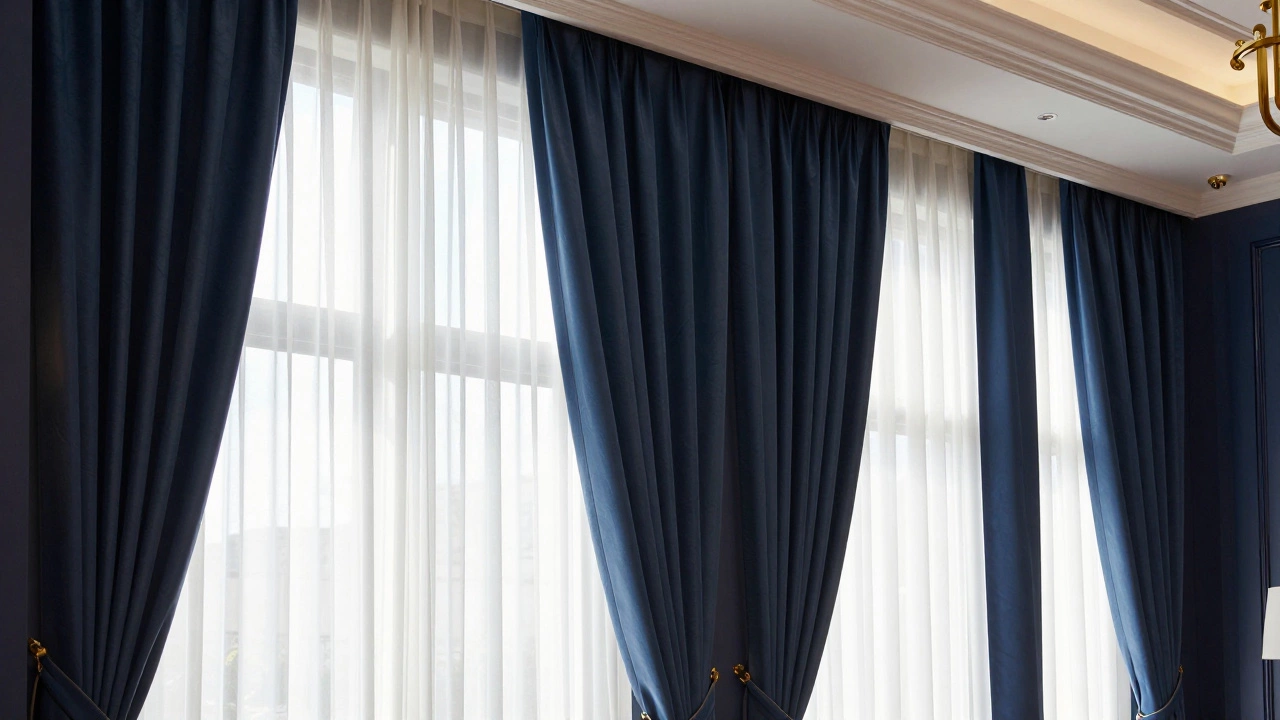
White curtains are safe, but they can look sterile if not chosen carefully. Off-white, cream, or oatmeal tones feel warmer and more inviting. Darker colors like charcoal, navy, or deep emerald can add drama and sophistication, especially when paired with lighter walls.
Consider the concept of "color washing." Painting the wall behind the curtains the same color as the curtains themselves creates a seamless backdrop that makes the window treatment look like an extension of the architecture. This technique is widely used in high-end hotels to create a cohesive, calming environment.
Patterns should be subtle. Large-scale botanical prints or geometric weaves can work, but avoid loud, contrasting patterns that compete with other elements in the room. Texture is often more interesting than pattern in luxury interiors.
Layering for Dimension
Single-panel curtains can look flat. Adding a layer of sheer voile or linen under heavier drapes adds depth and privacy control. During the day, you can close the sheers to diffuse light while maintaining visibility. At night, draw the heavier drapes for privacy and warmth.
This two-layer approach also allows for flexibility. You can change the mood of the room without replacing all the hardware. Sheers act as a soft filter, reducing glare on screens and protecting furniture from UV damage.
Maintenance and Longevity
Expensive-looking curtains require care. Dust accumulates quickly on textured fabrics. Use the brush attachment on your vacuum cleaner to gently remove dust every few weeks. For deeper cleaning, follow the care label strictly. Many natural fibers shrink if washed incorrectly.
Steam ironing is better than dry ironing for removing wrinkles from linen and cotton. Steam relaxes the fibers without crushing them. Avoid pressing hard on velvet, as it can leave permanent shine marks.
Finally, consider professional installation. While DIY is cost-effective, a professional ensures that the rod is level, the brackets are secure, and the hanging mechanism operates smoothly. The difference in finish is noticeable and contributes to the overall perception of quality.
What fabric makes curtains look the most expensive?
Natural fibers like linen, cotton velvet, and silk blends look the most expensive. They have a rich texture and absorb light beautifully, avoiding the shiny, plastic appearance of cheap synthetics. Linen offers a relaxed luxury, while velvet provides opulence and depth.
Should curtains touch the floor or hang above it?
For a polished, expensive look, curtains should lightly touch the floor (known as "breaking"). Floating 1 inch above the floor is acceptable for modern, casual spaces, but puddling (excess fabric on the floor) is reserved for very formal rooms due to maintenance issues.
How high should I hang my curtain rod?
Hang the rod 4 to 6 inches below the ceiling or crown molding. This maximizes the visual height of the room, making ceilings appear higher and windows larger. Never hang the rod directly above the window trim.
Are grommet curtains considered cheap?
Grommet curtains tend to look casual and industrial. For a luxurious aesthetic, pencil pleats, goblet pleats, or back-tab headings are preferred because they create softer, more tailored folds that mimic high-end tailoring.
What color curtains make a room look bigger?
Light, neutral colors like off-white, beige, or light gray make a room feel airier and larger. Matching the curtain color to the wall color creates a seamless background that expands the perceived space. Dark colors can make a room feel cozier but smaller.