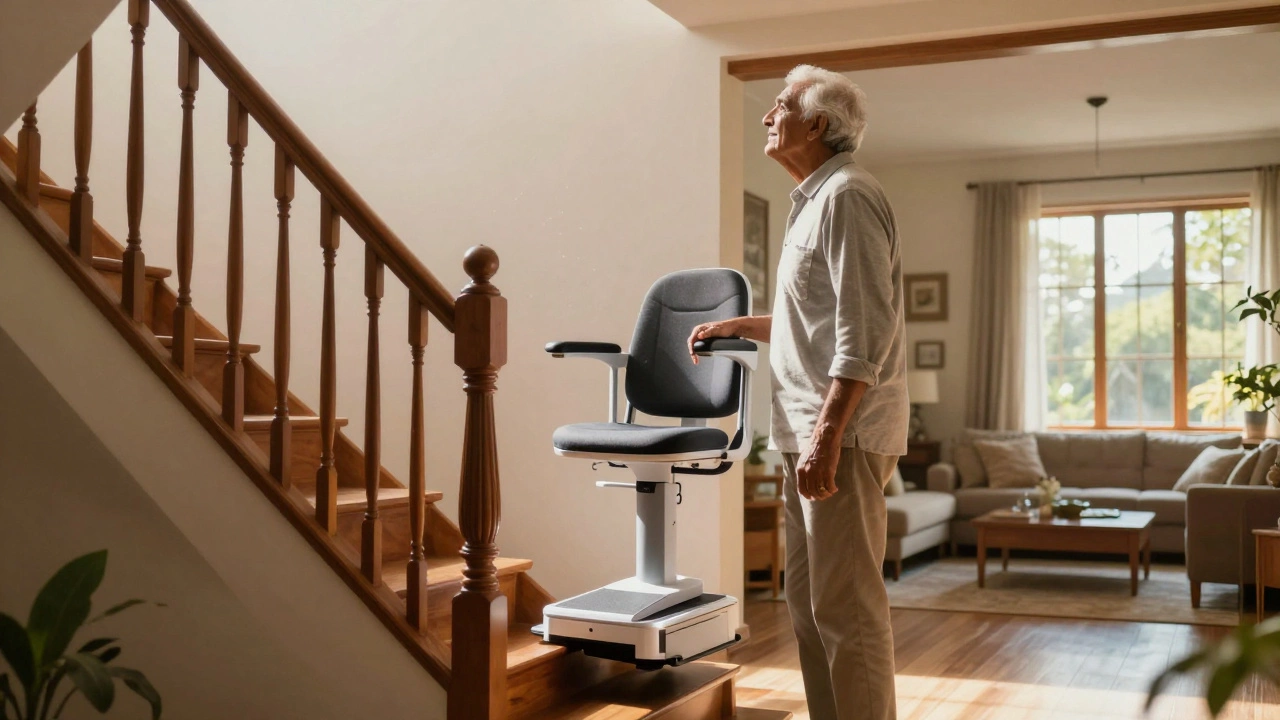
Stair Lift Cost Estimator & Comfort Guide
Imagine standing at the bottom of your staircase, looking up. For most people, it’s just a few steps to the kitchen or bedroom. But if you have limited mobility, that flight of stairs can feel like an insurmountable wall. You’re not alone. Millions of households are finding ways to age in place, and one of the most effective solutions is a stair lift. But before you make a call, there’s the big question hanging over your head: how much does it actually cost?
In 2026, prices have shifted due to supply chain stabilizations and new battery technologies. A standard straight-run stair lift typically costs between $3,000 and $5,000 installed. If your stairs curve or turn, expect to pay anywhere from $10,000 to $15,000 or more. These numbers might shock you, but they include critical components like safety sensors, durable upholstery, and professional installation.
But here’s what most price guides miss: comfort isn’t just a luxury; it’s a necessity for daily use. The seat cushion on your stair lift determines whether you’ll use it willingly every day or dread the ride. That’s why we’re going to break down the true cost of ownership, including hidden fees, financing options, and the often-overlooked importance of high-quality seating.
The Base Price: Straight vs. Curved Stair Lifts
Not all staircases are created equal, and neither are the lifts designed for them. The single biggest factor driving the price of your stair lift is the geometry of your stairs. Understanding this distinction is crucial for budgeting accurately.
Straight Stair Lifts
If your staircase goes up without any turns, landings, or switches in direction, you qualify for a straight stair lift. These are modular units. Manufacturers mass-produce the rail sections, which keeps the manufacturing costs low. In 2026, the average retail price for a straight stair lift ranges from $3,000 to $4,500. This usually includes the chair, the rail, the motor, and basic installation. Because the parts are standardized, repairs are also cheaper and easier to source.
Curved Stair Lifts
Now, imagine your stairs have a landing halfway up, or they switch from going left to going right. This requires a curved stair lift. Unlike straight models, these are custom-built. A technician must measure your staircase with millimeter precision, and the rail is fabricated specifically for your home. This customization drives the price up significantly. Expect to pay between $10,000 and $15,000, with complex multi-turn designs costing upwards of $20,000. The wait time for delivery is also longer, often taking 8 to 12 weeks because the unit is built to order.
| Feature | Straight Stair Lift | Curved Stair Lift |
|---|---|---|
| Average Cost (2026) | $3,000 - $5,000 | $10,000 - $15,000+ |
| Customization Level | Low (Modular) | High (Bespoke Rail) |
| Installation Time | 1-2 Days | 1-3 Days |
| Lead Time | 2-4 Weeks | 8-12 Weeks |
| Best For | Simple, direct flights | L-shaped, U-shaped, spiral stairs |
Hidden Costs You Need to Budget For
The sticker price is rarely the final price. When you get a quote for a stair lift, it’s essential to ask about additional charges that can creep in during the process. Being aware of these upfront prevents unpleasant surprises later.
- Professional Installation: While some companies bundle installation into the base price, others charge separately. Professional installation typically costs between $200 and $500. Never attempt to install a stair lift yourself. It involves heavy electrical work, structural mounting, and precise calibration of safety sensors. Improper installation can void warranties and pose serious safety risks.
- Electrical Upgrades: Most modern stair lifts require a nearby power outlet for the charger. If your staircase doesn’t have an accessible outlet, an electrician may need to run new wiring. This can add $300 to $800 to your total bill, depending on the complexity of the job.
- Staircase Modifications: Sometimes, door frames, handrails, or bulky furniture interfere with the path of the stair lift rail. Minor modifications, like trimming a door frame or removing a banister section, might be necessary. These carpentry jobs can range from $100 to $1,000.
- Maintenance Contracts: Like any mechanical device, stair lifts need regular servicing. Annual maintenance contracts typically cost $100 to $300 per year. This covers lubricating the track, checking battery health, and testing safety features. Skipping maintenance can lead to costly breakdowns down the line.
The Comfort Factor: Why Cushions Matter More Than You Think
You might be wondering why we’re talking about cushions in an article about stair lift costs. Here’s the truth: if the seat is uncomfortable, you won’t use the lift consistently. And if you don’t use it, you risk falling on the stairs-the very thing the lift was meant to prevent.
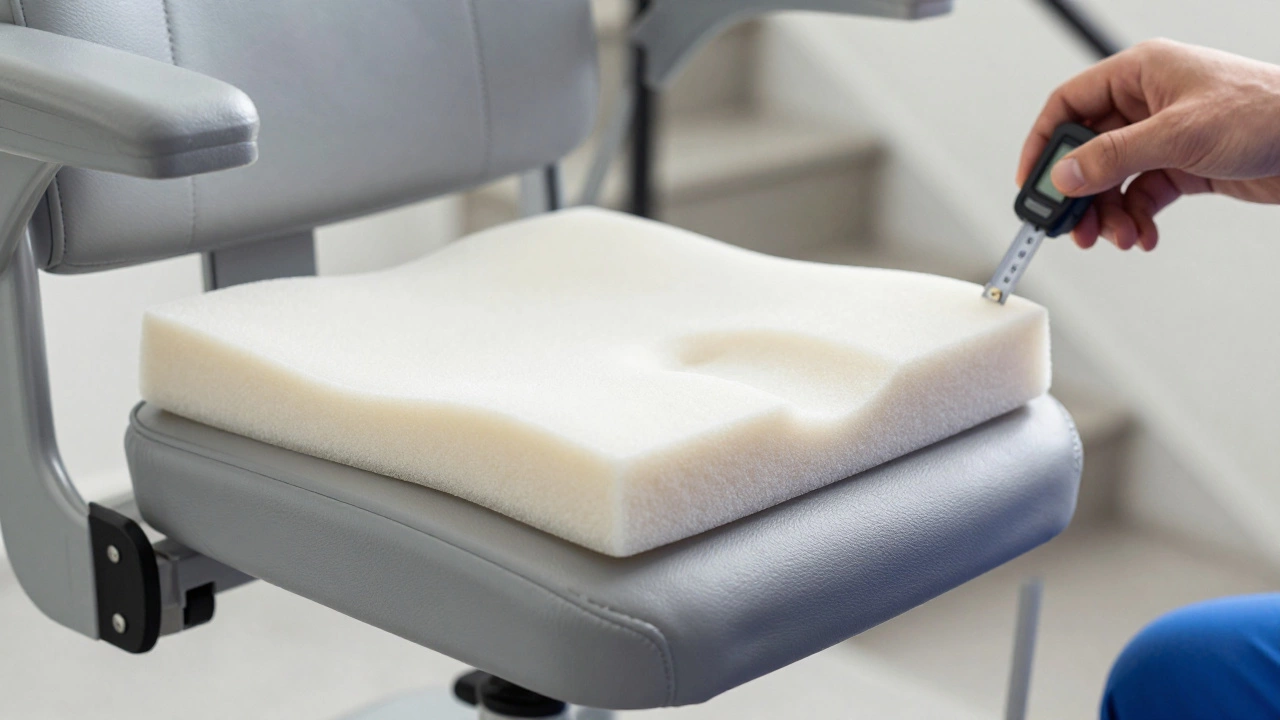
Standard stair lift seats come with basic vinyl upholstery. It’s easy to clean, but it lacks pressure relief. For users who spend significant time sitting, or those with conditions like arthritis, diabetes, or poor circulation, this can cause pain and even skin breakdown. Upgrading to medical-grade foam cushions can transform the experience.
Pressure-Relieving Foam:
High-density, viscoelastic foam (often called memory foam) distributes weight evenly across the seat. This reduces pressure points on the hips and tailbone. While a basic cushion might cost $50, a premium medical-grade cushion can range from $150 to $300. However, consider this an investment in health rather than a luxury. It reduces the risk of pressure ulcers and makes the daily commute up and down the stairs tolerable.
Swivel Seats and Footrests:
Comfort isn’t just about the cushion material. Look for lifts with fully swivel seats that allow you to sit comfortably while waiting for the lift to arrive at your floor. Adjustable footrests ensure your legs are supported properly, reducing strain on the knees and lower back. Some models offer extra-wide seats for larger body types, which may incur an additional fee of $200 to $400.
When evaluating quotes, ask specifically about the seat specifications. Don’t settle for thin, hard padding if you plan to use the lift multiple times a day. The extra cost for better cushions pays off in comfort and consistent usage.
Financing Options and Insurance Coverage
Paying thousands of dollars out of pocket is daunting. Fortunately, there are several avenues to help offset the cost of a stair lift in 2026.
Medicare and Private Insurance:
Medicare Part B covers stair lifts only if they are deemed "medically necessary" by a doctor and if no other safe alternative exists (like moving to a single-story home). Even then, Medicare typically only covers the rental or purchase of the lift itself, not the installation or modifications. Many private insurance plans follow similar guidelines. Always check with your provider directly and get pre-authorization in writing.
Veterans Affairs Benefits:
If you or a family member is a veteran, the VA may cover the full cost of a stair lift through the Home Modification Grant program. This benefit is available to veterans with service-connected disabilities who require home adaptations for independent living. Applications can take time, so start early.
Financing Plans:
Most reputable stair lift companies offer financing options. Low-interest or zero-interest payment plans spread the cost over 12 to 60 months. For example, a $4,000 straight stair lift could be paid off in monthly installments of around $70 to $100, making it comparable to a utility bill. Credit unions often offer competitive rates for home accessibility equipment.
Tax Deductions:
In many jurisdictions, medically necessary home improvements, including stair lifts, may be tax-deductible as medical expenses. Consult with a tax professional to see if you qualify. Keeping detailed receipts and documentation from your doctor is essential for this process.
New vs. Refurbished: Is Used Worth the Risk?
To save money, some buyers consider refurbished or used stair lifts. While the initial price tag is lower-often 30% to 50% less than new-there are significant trade-offs to consider.
Pros of Refurbished Units:
- Lower upfront cost
- Environmentally friendly (reusing existing materials)
- Faster availability if the unit is already in stock
Cons of Refurbished Units:
- Shorter warranty periods (often 6 months instead of 3-5 years)
- Older technology with potentially less efficient batteries
- Worn-out cushions and upholstery that may need immediate replacement
- Compatibility issues with current home electrical systems
If you choose a refurbished unit, insist on a thorough inspection report. Ensure the battery has been replaced, the motor serviced, and the safety sensors tested. Also, verify that the supplier offers ongoing support and spare parts availability. Buying a used lift from a private seller online is generally not recommended due to lack of accountability and support.
Choosing the Right Provider
The company you choose matters as much as the product. A cheap quote from an unreliable installer can lead to headaches, delays, and safety hazards. Look for providers with the following credentials:
- Certified Installers: Technicians should be certified by recognized bodies such as the National Association for Home Care & Hospice or local trade associations.
- Transparent Pricing: Avoid companies that give vague estimates. Get a detailed written quote that breaks down equipment, labor, taxes, and potential extras.
- Strong Warranty: Look for warranties that cover both parts and labor for at least three years. Check what happens if the company goes out of business-will the warranty still be honored?
- Local Support: Choose a provider with technicians in your area. Faster response times mean less downtime if something goes wrong.
Ask for references from recent customers. Visit their website to read reviews, but also look for testimonials on third-party platforms like Trustpilot or the Better Business Bureau. A company with a long history in your community is often a safer bet than a national chain with distant support centers.
Making the Final Decision
Deciding on a stair lift is a personal choice that balances budget, safety, and comfort. Start by getting a free in-home assessment from two or three reputable providers. Compare their quotes side-by-side, paying close attention to what’s included in the price.
Don’t forget to factor in the long-term value. A well-made stair lift can last 10 to 15 years with proper maintenance. If you plan to sell your home, a professionally installed stair lift can be a selling point for buyers seeking accessible housing. Some models can even be removed and reinstalled in a new location, preserving their value.
Finally, prioritize comfort. Invest in quality cushions and ergonomic features. Your daily well-being depends on it. By understanding the true costs and available resources, you can make an informed decision that enhances your independence and peace of mind.
Does Medicare cover stair lifts?
Medicare Part B may cover stair lifts if they are deemed medically necessary by a physician and if no other safe alternative exists. However, coverage typically applies only to the equipment itself, not installation or home modifications. Always verify with your specific Medicare Advantage plan or private insurer, as policies vary widely.
How long does it take to install a stair lift?
A straight stair lift usually takes one to two days to install, including any minor electrical or carpentry work. Curved stair lifts may take two to three days due to the custom nature of the rail and more complex alignment requirements. Lead times for delivery can range from two weeks for straight models to up to twelve weeks for curved ones.
Can I move a stair lift to a new house?
Yes, straight stair lifts can often be removed and reinstalled in a new home, provided the new staircase is similar in width and configuration. Curved stair lifts are custom-built and generally cannot be transferred unless the new home has identical staircase dimensions. Reinstallation costs typically range from $500 to $1,500.
Are stair lifts safe for elderly users?
Modern stair lifts are equipped with multiple safety features, including obstacle detection sensors, seatbelt reminders, and emergency stop buttons. They are rigorously tested to meet strict safety standards. As long as the user follows operational guidelines and the lift is regularly maintained, they are considered very safe for elderly individuals with limited mobility.
What is the lifespan of a stair lift battery?
Most stair lift batteries last between three to five years, depending on usage frequency and charging habits. Regular maintenance checks can help identify battery degradation early. Replacing a battery typically costs between $100 and $200, including labor. It’s advisable to keep the lift plugged in at all times to maintain optimal battery health.