Medicare Cushion Coverage Checker
Answer these questions to find out if Medicare might cover your cushion and explore alternative funding options.
Estimated Cost Breakdown
| Cushion Type | Typical Cost | Your Estimated Cost |
|---|
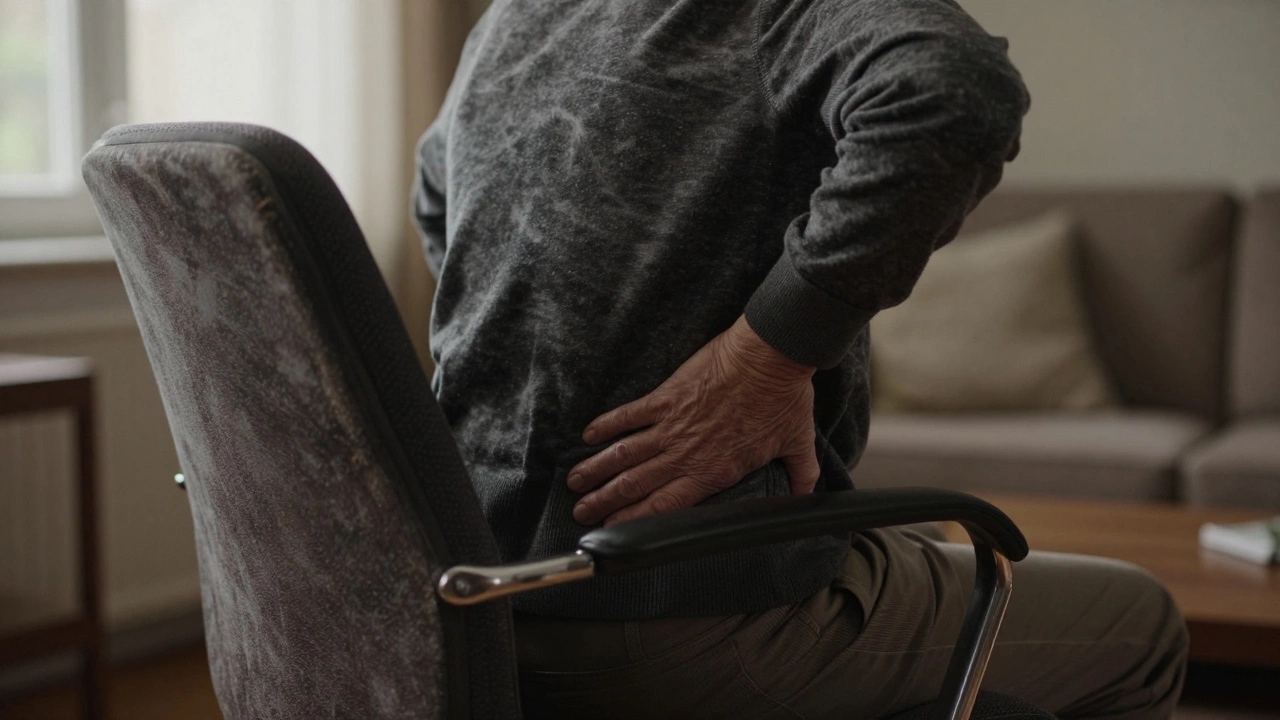
You’ve been sitting in that same office chair or recliner for years. Your back aches by noon, and your hips feel like they’re on fire after dinner. You ask your doctor about a specialized cushion, and they nod, saying it would help with your posture and pain. Then comes the question that stops you cold: Does Medicare pay for chair cushions?
The short answer is no. Not usually. But the longer answer depends entirely on why you need the cushion and what kind of cushion it is. If you’re buying a plush foam pad to make your favorite armchair more comfortable, Medicare won’t touch that bill. But if you have a specific medical condition that requires a specialized support device to prevent injury, there might be a path to reimbursement.
Understanding the difference between "comfort" and "medical necessity" is the key to navigating this system. Let’s break down exactly what Medicare covers, what it doesn’t, and where else you might find financial help.
What Is Considered Durable Medical Equipment (DME)?
To understand why regular cushions are excluded, you first need to know how Medicare defines eligible items. Medicare Part B covers Durable Medical Equipment (DME), which is defined as medical-grade equipment that can withstand repeated use, serves a primarily medical purpose, and is generally not useful to someone without an illness or injury.
Examples of covered DME include wheelchairs, walkers, hospital beds, and oxygen concentrators. These are tools that treat a specific condition. A standard chair cushion, however, falls into a gray area. Most generic cushions-whether memory foam, gel, or feather-filled-are considered personal comfort items. They improve quality of life but do not treat a disease or injury in the eyes of federal insurance guidelines.
If you buy a cushion from a furniture store or a home goods website, it is classified as household furniture or decor. Medicare explicitly excludes items that are primarily for convenience or comfort rather than medical treatment. This is why you won’t see a receipt for a "luxury seat pad" reimbursed by your carrier.
When Might Medicare Cover a Support Cushion?
There is an exception, but it is narrow. Medicare may cover certain types of seating supports if they are deemed medically necessary to treat a specific condition. This usually applies to patients with severe mobility issues, spinal deformities, or conditions that cause significant pain when sitting.
The key here is documentation. You cannot simply walk into a pharmacy, buy a cushion, and submit the receipt. The process requires:
- A face-to-face examination by your treating physician.
- A detailed written order specifying the type of cushion needed (e.g., wedge cushion, contour cushion).
- Proof that less expensive alternatives have failed or are inappropriate for your condition.
- Purchase through a Medicare-enrolled DME supplier.
Even then, Medicare typically only covers basic models. High-end ergonomic chairs or premium custom-molded cushions often exceed the allowable amount, leaving you with a large copay. Furthermore, the cushion must be used in the home setting. Office chairs provided by employers are generally not covered under personal health insurance plans.
The Difference Between Comfort Cushions and Medical Supports
It helps to look at the two categories side-by-side. Here is how Medicare distinguishes between what you can buy on your own and what might qualify for partial coverage.
| Cushion Type | Primary Purpose | Medicare Coverage | Typical Cost Range |
|---|---|---|---|
| Standard Foam/Gel Pad | General comfort, slight pressure relief | No | $15 - $40 |
| Ergonomic Seat Cushion | Posture correction, mild back support | No | $30 - $80 |
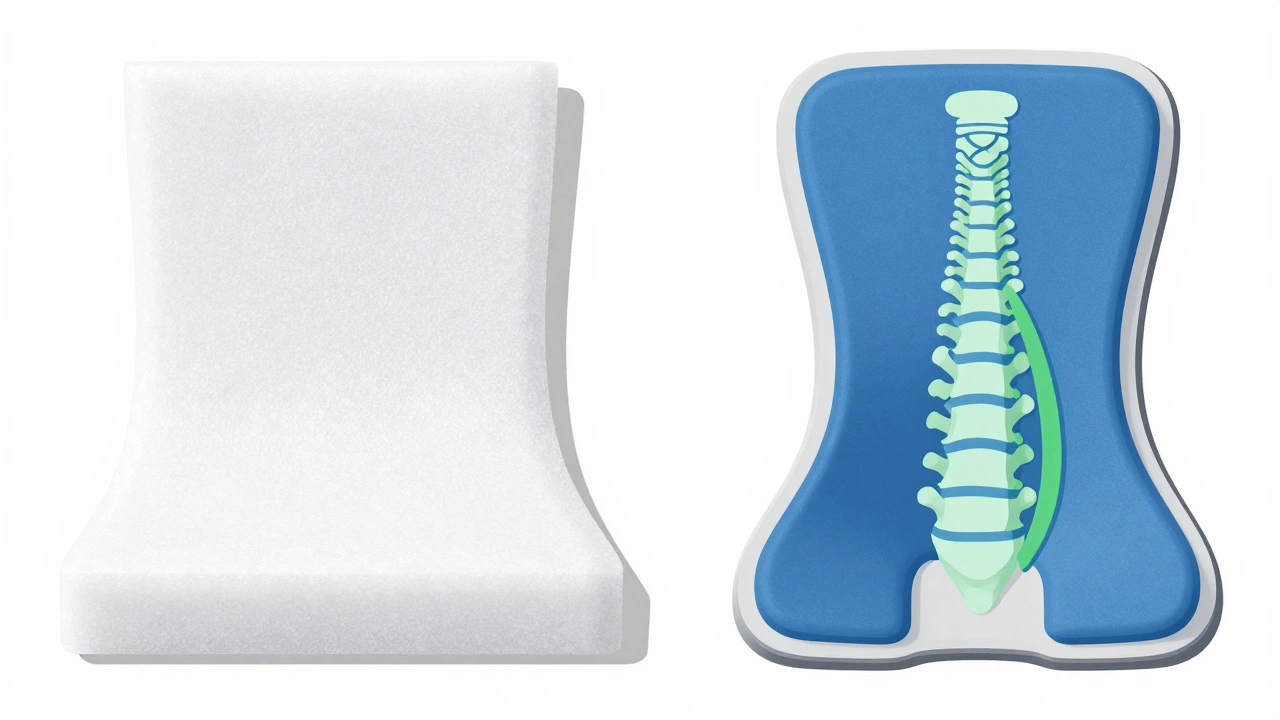
| Wedge/Contour Cushion | Treats pelvic tilt, sciatica, spinal alignment | Possible (with prescription) | $50 - $150 |
| Pressure-Relief Wheelchair Cushion | Prevents bedsores, manages paralysis | Yes (if prescribed) | $100 - $500+ |
Notice the pattern? As the medical specificity increases, so does the chance of coverage. A simple gel pad for your car seat is out. A specialized orthopedic wedge designed to correct hip alignment for a patient with arthritis has a fighting chance, provided your doctor advocates for it strongly.
How to Get a Prescription for a Covered Cushion
If you believe your situation qualifies for medical coverage, start with your primary care provider or specialist (such as an orthopedist or physiatrist). Do not assume they will automatically write the script; you may need to explain the severity of your symptoms.
- Document your pain. Keep a log of when the pain occurs, its intensity, and how it limits your daily activities. Mention if you are unable to sit for long enough to eat meals or attend social events.
- Request a specific evaluation. Ask your doctor to evaluate you for "seating instability" or "pressure ulcer risk." Use medical terminology if possible.
- Get the order in writing. The prescription must state that the cushion is "medically necessary" and describe the required features (e.g., non-skid bottom, specific density).
- Find an enrolled supplier. Call local DME providers who accept Medicare assignment. They will handle the billing directly with your insurer.
Be prepared for pushback. Some doctors hesitate to prescribe DME because of the paperwork involved. If your primary care physician says no, consider asking a physical therapist for a referral. Therapists often have a clearer view of how seating impacts functional movement.
Alternatives When Medicare Says No
Let’s be realistic: most people seeking a chair cushion do not meet the strict criteria for DME coverage. That doesn’t mean you have to suffer. There are other avenues to explore before paying full price out of pocket.
Medicaid Waivers: If you have dual eligibility (both Medicare and Medicaid), check your state’s Medicaid waiver programs. Many states offer Home and Community-Based Services (HCBS) waivers that cover assistive devices, including specialized seating, for individuals with disabilities. These rules vary significantly by state, so contact your local Department of Social Services.
Flexible Spending Accounts (FSA) or Health Savings Accounts (HSA): While Medicare won’t pay, your employer-sponsored FSA or HSA might. The IRS allows these accounts to reimburse for medical expenses. However, the cushion must be primarily for the diagnosis, cure, mitigation, treatment, or prevention of disease. A letter of medical necessity from your doctor can strengthen your claim if the administrator questions the purchase.
Private Insurance Supplements: If you have a Medigap policy or a Medicare Advantage plan, review your Summary of Benefits. Some private insurers offer additional allowances for durable medical equipment beyond what Original Medicare provides. It’s worth a quick call to customer service.
Non-Profit Organizations: Groups like the United Way, local Area Agencies on Aging, or disability advocacy organizations sometimes have funds or partnerships with suppliers to provide low-cost seating solutions for seniors and veterans.

Choosing the Right Cushion Without Coverage
If you end up paying out of pocket, don’t just grab the cheapest option. Since you’re spending your own money, invest in a product that actually addresses your problem. Here is a quick guide based on common issues:
- For Sciatica: Look for a coccyx-cutout cushion. These have a U-shaped or V-shaped opening at the back to relieve pressure on the tailbone.
- For Tailbone Pain: Choose a wedge cushion that tilts your pelvis forward slightly, taking weight off the sacrum.
- For Circulation Issues: Gel or air-cell cushions distribute weight evenly and reduce heat buildup, which is better for blood flow.
- For General Back Pain: Lumbar-support cushions that attach to the back of the chair are often more effective than seat pads alone.
Read reviews carefully. Look for mentions of durability. Cheap foam flattens out within months, rendering the investment useless. Brands like Everlasting Comfort, Tempur-Pedic, and Purple offer higher-quality materials that retain their shape longer, even if they cost $50 to $100 upfront.
Common Mistakes to Avoid
Many people waste time and money trying to get Medicare to cover ineligible items. Avoid these pitfalls:
- Buying online without a prescription. Even if you think you qualify, buying from Amazon or Walmart makes reimbursement nearly impossible. You must buy from a certified DME supplier.
- Assuming all "orthopedic" labels count. Marketing terms like "orthopedic" or "doctor recommended" on retail packaging do not equal medical necessity in the eyes of Medicare.
- Skiping the appeal process. If Medicare denies your claim for a medically necessary cushion, you have the right to appeal. Many initial denials are overturned during the reconsideration phase if proper documentation is submitted.
Knowing your rights saves frustration. If you were denied, ask for the denial letter in writing. It will list the specific reason for rejection, which helps you prepare a stronger case for the next step.
Does Medicare Part B cover ergonomic office chairs?
No. Medicare Part B generally does not cover ergonomic office chairs, even if they are prescribed for back pain. Chairs are considered furniture unless they are specifically designed as part of a wheelchair or mobility aid system. Standard desk chairs, regardless of adjustability or lumbar support features, are excluded from DME coverage.
Can I use my HSA or FSA to buy a chair cushion?
Yes, potentially. If you have a letter of medical necessity from your doctor stating that the cushion is required to treat a specific condition (like sciatica or tailbone pain), you can likely reimburse yourself through an HSA or FSA. Keep the receipt and the doctor’s note together for tax purposes.
What is the difference between a DME cushion and a regular cushion?
A DME cushion is prescribed by a doctor to treat a medical condition, such as preventing bedsores or correcting spinal alignment. It must be purchased from a Medicare-enrolled supplier. A regular cushion is bought over-the-counter for general comfort and is not eligible for insurance reimbursement.
Will Medicare cover a cushion for my car seat?
Generally, no. Medicare does not cover accessories for personal vehicles. However, if you use a wheelchair-accessible vehicle and require a specific transfer cushion for safety and medical reasons, some aspects might be covered under complex rehabilitation technology provisions, but this is rare and requires extensive documentation.
How much does Medicare pay for DME if it is approved?
If a cushion is approved as DME, Medicare Part B typically pays 80% of the Medicare-approved amount after you meet your annual deductible. You are responsible for the remaining 20% coinsurance. If you have supplemental insurance (Medigap), it may cover some or all of that 20%.