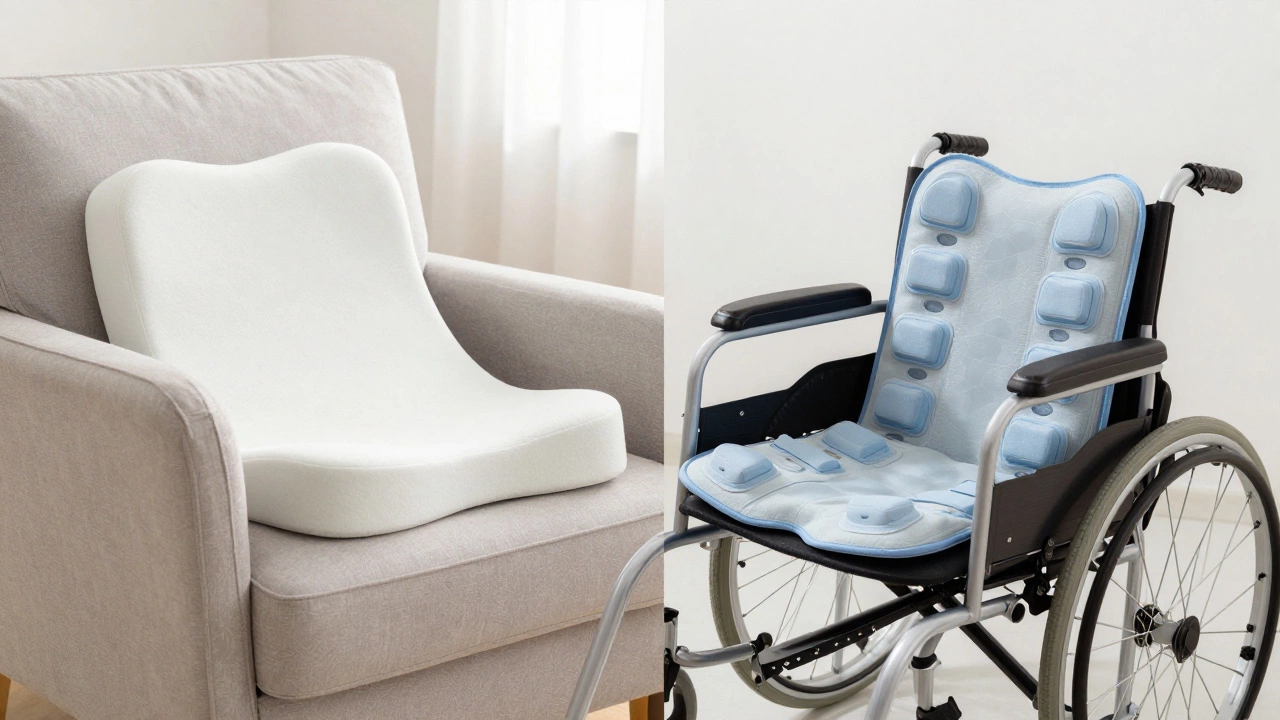
The Reality of Getting Your Seat Cushion Covered
Most people assume that if a doctor prescribes a piece of equipment, the government will foot the bill. But when it comes to seat cushions, the answer isn't a simple yes or no. It's more of a "maybe, if you meet very specific criteria." If you're just looking for a bit of extra comfort while sitting at your desk or in your favorite armchair, you're likely paying out of pocket. However, for those dealing with serious skin breakdown or mobility issues, there is a path to getting these items covered.To understand this, we first have to look at Medicare is the federal health insurance program in the United States that provides coverage for people age 65 or older and certain younger people with disabilities. It operates under different "Parts," and for seat cushions, we are primarily talking about Medicare Part B, which covers outpatient services and medical equipment.
What Exactly is Durable Medical Equipment?
Medicare doesn't just categorize a cushion as "furniture." Instead, they classify it under Durable Medical Equipment (or DME), which is medical equipment that is primarily used for a medical purpose and can withstand repeated use. For a seat cushion to qualify as DME, it can't just be a memory foam pad from a big-box store. It has to be a medical-grade device designed to prevent or treat a specific condition. The most common reason for coverage is the prevention of pressure ulcers, also known as bedsores. If you spend most of your day in a wheelchair, your skin is at risk of breaking down due to constant pressure. That's where a specialized cushion comes in.The Specific Requirements for Coverage
You can't just walk into a store, buy a cushion, and send the receipt to the government. Medicare has a strict process. First, the equipment must be "medically necessary." This means your doctor has to prove that without this cushion, your health would be at risk. Typically, coverage is limited to people who use a Wheelchair as their primary means of mobility. If you have a wheelchair but only use it occasionally, Medicare might deny the claim. They want to see that the cushion is essential for your daily functioning and skin integrity. Here is a quick breakdown of what usually happens during the approval process:- Medical Evaluation: Your doctor assesses your skin and mobility.
- Written Order: The doctor writes a prescription specifically for a pressure-relief cushion.
- DME Provider Selection: You must get the cushion from a DME Provider that is recognized by Medicare.
- Documentation: The provider submits the medical records to Medicare to prove the need.
Types of Cushions and Their Likelihood of Approval
Not all cushions are created equal. Some are designed for luxury, and others are designed for survival. Medicare is interested in the latter. For example, a standard gel seat for a car ride isn't going to fly. However, high-tech options designed for pressure redistribution often are covered.| Cushion Type | Primary Purpose | Coverage Probability |
|---|---|---|
| Standard Memory Foam | General Comfort | Low |
| Air-Cell Cushions | Pressure Redistribution | High (with MD order) |
| Gel-Infused Medical Pads | Skin Protection | Moderate |
| Custom Molded Foam | Anatomical Support | High (for severe cases) |
The Cost: Who Actually Pays?
Even if Medicare approves your cushion, you aren't necessarily getting it for free. Medicare Part B generally follows a cost-sharing model. Usually, they pay 80% of the Medicare-approved amount, and you (or your supplemental insurance) pay the remaining 20%. It's also worth mentioning that Medicare has "allowable amounts." If your doctor wants a fancy, top-of-the-line brand that costs $800, but Medicare decides the "fair market price" for that type of cushion is $400, you might be responsible for the difference. This is why it's vital to work with a certified provider who knows exactly which brands and models are fully covered.Common Pitfalls and Denials
Many people get frustrated when their claim is denied. Often, it's not because they don't need the cushion, but because the paperwork is wrong. A common mistake is using a generic description like "seat cushion" on the prescription. Medicare wants specifics. They want to know *why* you need it. Instead of "patient needs a cushion," the notes should say "patient has Stage II pressure ulcers on the coccyx and requires a pressure-relieving air-cell cushion to prevent further skin breakdown." Another hurdle is the "replacement cycle." You can't get a new cushion every six months. Medicare has a set lifespan for DME. For most cushions, you'll have to wait several years before they will pay for a replacement, unless there is a documented medical change in your condition.Alternatives When Medicare Says No
If you find yourself in a position where Medicare denies your request, you still have options. Many state-level Medicaid programs have different rules and might cover items that Medicare rejects. Additionally, some non-profit organizations and disability grants provide funding for those who cannot afford essential medical equipment. If you have private insurance, check if they have a "gap coverage'" policy that kicks in where Medicare leaves off. Even a Health Savings Account (HSA) or Flexible Spending Account (FSA) can be used to buy a medical-grade cushion using pre-tax dollars, which saves you about 20-30% depending on your tax bracket.Steps to Take Before You Buy
To avoid wasting money or getting a surprise bill, follow this sequence:- Schedule a visit with your primary care physician or a physical therapist.
- Ask for a formal assessment of your skin and posture.
- Ensure the doctor uses specific medical terminology (e.g., "pressure redistribution") in the notes.
- Contact a Medicare-approved DME supplier and ask for a list of cushions that are "pre-approved" or commonly covered.
- Verify your deductible status to see if you'll have to pay the first few hundred dollars of the year before coverage starts.
Can I buy a cushion on Amazon and get reimbursed by Medicare?
Generally, no. Medicare requires that Durable Medical Equipment be purchased through an approved supplier. If you buy a consumer-grade cushion from a retail site, it likely won't meet the medical specifications required for reimbursement.
Do I need to be in a wheelchair to get coverage?
While not an absolute rule, it is the most common requirement. Medicare typically covers these cushions for people who spend significant portions of their day in a wheelchair and are at risk for pressure sores. If you only need it for an office chair, it is usually considered "comfort equipment" and is not covered.
How often can I get a new cushion replaced?
Medicare sets "reasonable durability" guidelines. For most seat cushions, the replacement period is several years. You can only get a replacement sooner if your medical condition changes significantly or the equipment is completely unusable.
What is the difference between a comfort cushion and a medical cushion?
A comfort cushion is designed to make sitting feel better (like a soft foam pillow). A medical cushion is designed to redistribute weight and lower the pressure on specific parts of the body to prevent skin death and ulcers.
What if my doctor prescribes it but Medicare still denies it?
You have the right to appeal. Your doctor can submit a "Letter of Medical Necessity" (LMN) providing more detailed evidence of why the specific cushion is required for your health. This often reverses a standard denial.