Storage Cost Estimator & Breakdown
Adjust the controls to estimate your monthly rate, then explore where every dollar goes.
Have you ever looked at a quote for self-storage or commercial warehousing and felt your eyes glaze over at the price tag? It feels like a premium is being added just for keeping things still. But why is storage so expensive in 2026? The answer isn't just greed; it's a complex mix of land scarcity, rising labor costs, and the sheer physical reality of moving heavy items around the world.
Whether you are a small business owner trying to house inventory or a homeowner clearing out a garage, understanding these cost drivers helps you make smarter decisions. You might be paying for more than just space-you're paying for security, climate control, accessibility, and the infrastructure that keeps your belongings safe.
The Real Estate Factor: Land is the Biggest Cost
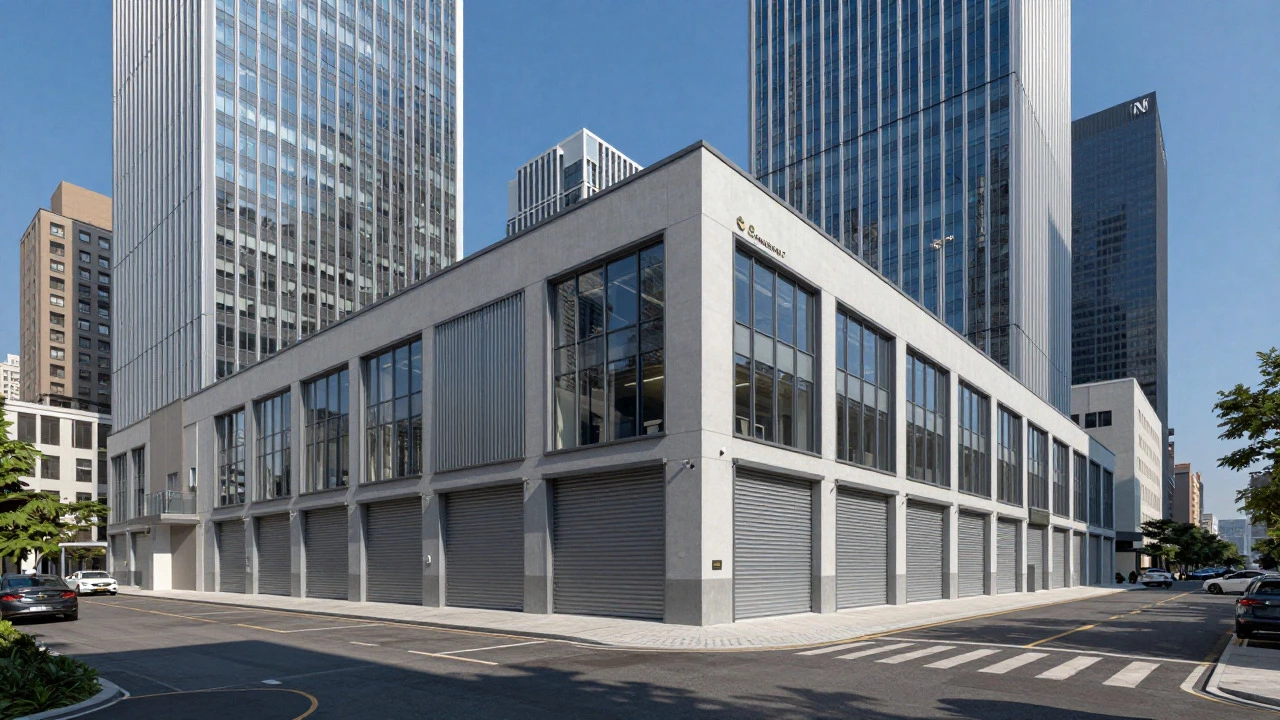
At its core, storage is a real estate game. When you rent a unit, you are renting square footage. In major cities, land values have skyrocketed over the last decade. Developers compete for prime locations near highways and urban centers, driving up the base price per square foot. If a facility is located in a high-demand area like London or New York, the overhead cost of owning that land is passed directly to you.
This creates a direct correlation between location and price. A unit in a suburban industrial park will always cost less than one in a dense city center. However, convenience has a price. If you need frequent access to your items, paying a premium for a central location often makes financial sense compared to the fuel and time costs of traveling to a cheaper, remote facility.
Operational Expenses: More Than Just Renting Space
Once the building is built, the bills don't stop. Operating a storage facility requires significant ongoing investment. These operational expenses include:
- Utilities: Lighting, HVAC systems for climate control, and security cameras consume vast amounts of energy. In 2026, with energy prices remaining volatile, this is a major line item for operators.
- Maintenance: Roofs, doors, floors, and electrical systems require regular upkeep. Neglecting this leads to liability issues, so reputable facilities invest heavily here.
- Staffing: Security guards, customer service representatives, and maintenance crews all require salaries. Labor costs have risen significantly due to minimum wage increases and competition for skilled workers.
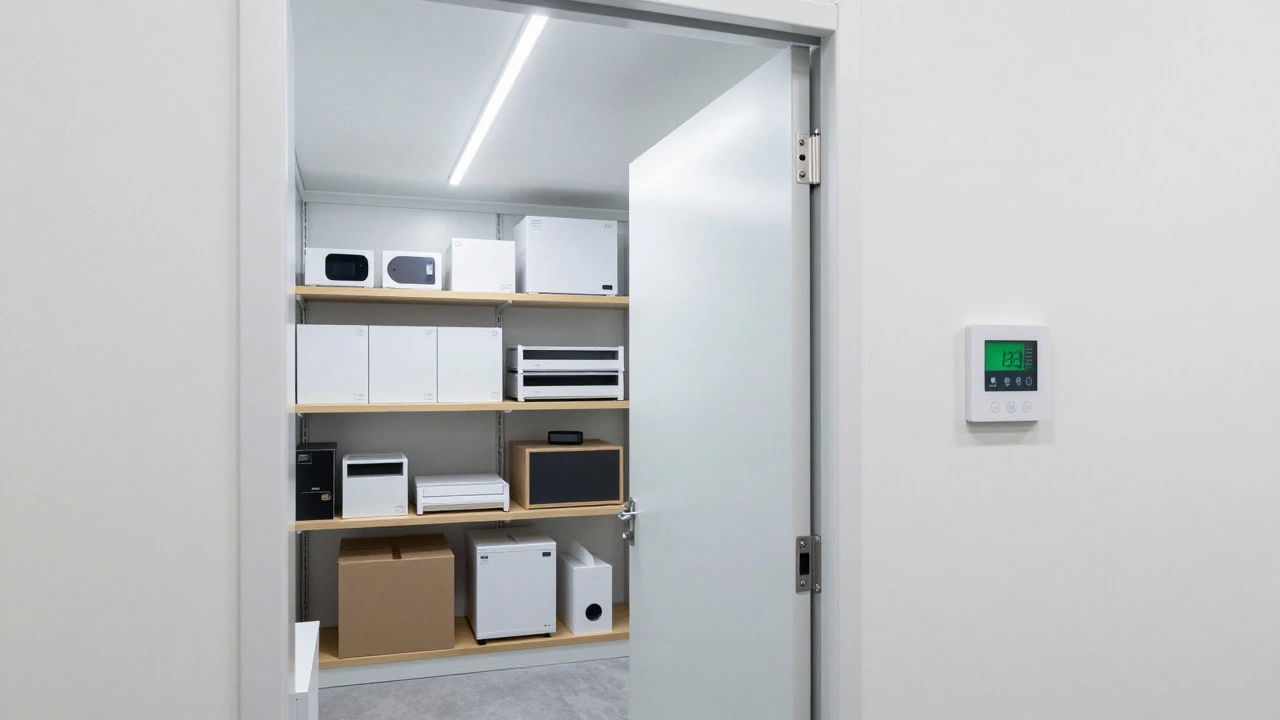
Climate-controlled units, for example, can cost 30-50% more than standard units. This isn't arbitrary; it reflects the higher energy consumption required to maintain stable temperatures and humidity levels, which protects sensitive items like documents, electronics, and furniture from mold and warping.
Supply Chain and Construction Costs
The construction of new storage facilities has become more expensive due to material costs. Steel, concrete, and lumber prices have fluctuated wildly in recent years. When a developer builds a new multi-story steel frame building, they face higher upfront capital costs. To recoup this investment, they set higher rental rates.
Additionally, the supply chain for storage equipment itself adds to the cost. Shelves, pallets, and specialized racking systems are manufactured goods subject to global trade dynamics. If import tariffs rise or shipping delays occur, the cost of equipping a warehouse increases, which eventually trickles down to the end-user through higher service fees or product pricing.
Security and Insurance Overheads
You pay for peace of mind. Modern storage facilities offer 24/7 video surveillance, gated access, individual unit alarms, and on-site management. These features require technology investments and monitoring services. While some of these costs are covered by insurance premiums, the baseline security infrastructure is a fixed cost that must be amortized across all tenants.
Insurance is another hidden factor. Facilities carry liability insurance to protect against theft, fire, or water damage. As property values increase and natural disaster risks grow (such as flooding in coastal areas), insurance premiums rise. This risk mitigation is crucial but adds to the monthly rate you see on your invoice.
Comparison of Storage Types and Average Costs
To better understand where your money goes, let's look at typical pricing structures for different types of storage in 2026. Prices vary by region, but the relative differences remain consistent.
| Unit Size | Standard Unit | Climate-Controlled | Commercial Warehouse |
|---|---|---|---|
| 5x5 ft | $60 - $80 | $90 - $110 | N/A |
| 10x10 ft | $120 - $150 | $180 - $220 | N/A |
| 10x20 ft | $200 - $250 | $300 - $350 | $0.75 - $1.50/sq ft |
| 20x30 ft | $350 - $450 | $500 - $600 | $0.60 - $1.20/sq ft |
Note that commercial warehouses charge per square foot rather than per unit, allowing for flexible layout but requiring larger minimum commitments. The jump in price for climate-controlled options highlights the energy premium discussed earlier.
How to Reduce Your Storage Costs
Knowing why storage is expensive gives you leverage to negotiate or optimize your spending. Here are practical strategies to lower your bill without sacrificing safety or accessibility.
- Right-Size Your Space: Many people rent larger units than necessary because they fear running out of room. Measure your items before signing a contract. Moving from a 10x20 unit to a 10x10 unit can save you 40% or more.
- Negotiate Long-Term Rates: Most facilities offer discounts for annual prepayment. If you know you need storage for 12 months, ask about a 10-15% discount for paying upfront.
- Consider Off-Peak Locations: If you don't need daily access, look at facilities further from the city center. The savings can be substantial, and you only visit once or twice a month.
- Audit Your Inventory: For businesses, dead stock ties up valuable space. Implement a first-in-first-out (FIFO) system to ensure slow-moving items aren't occupying prime real estate. Sell or donate unused items to free up capacity.
- Compare Promotional Rates: New customers often get introductory offers. Don't be afraid to switch providers if your current rate rises significantly above market average. Loyalty rarely pays off in the storage industry.
The Future of Storage Pricing
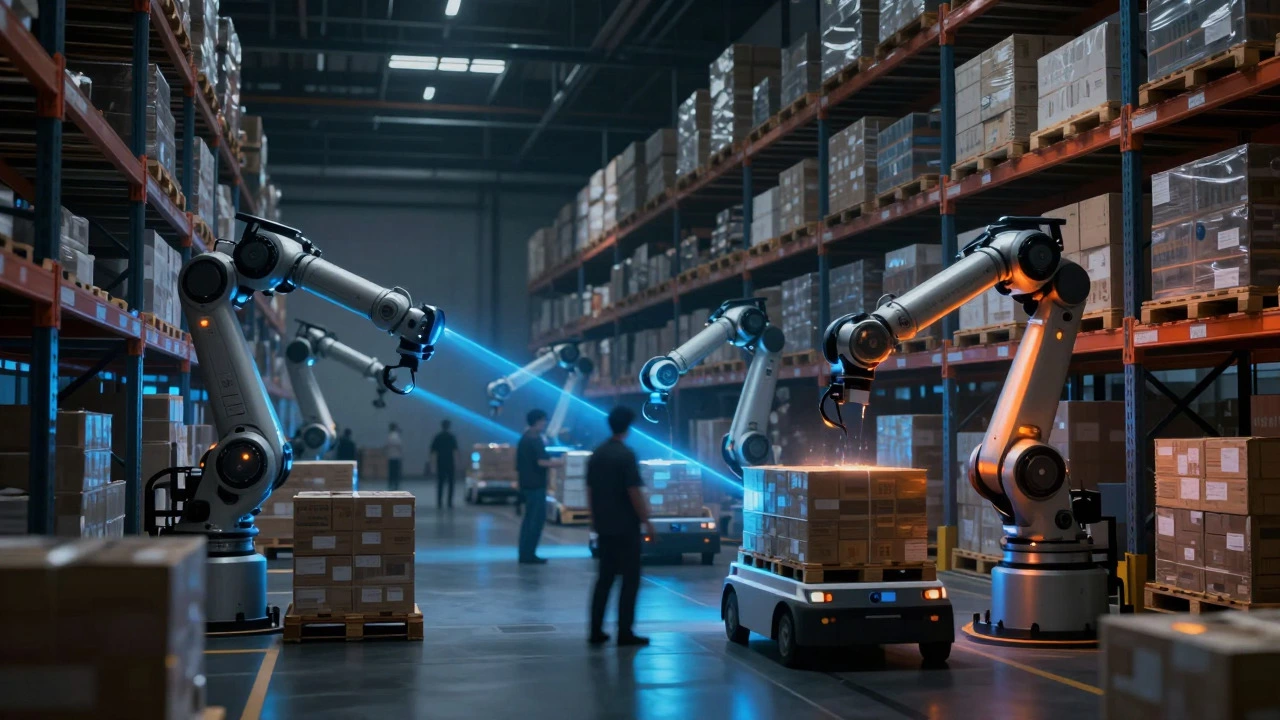
Looking ahead, automation may change the equation. Automated storage systems use robots to retrieve shelves, reducing the need for large human workforces and maximizing vertical space efficiency. While the initial setup cost is high, the long-term operational savings could lead to more competitive pricing in densely populated areas.
Sustainability is also playing a role. Green buildings with solar panels and energy-efficient LED lighting reduce utility bills. As more facilities adopt these technologies, we may see a slight stabilization in rates driven by lower energy costs. However, land scarcity remains the ultimate cap on how much prices can drop. Urbanization continues, making available land for new storage facilities increasingly rare and expensive.
Frequently Asked Questions
Is storage getting more expensive every year?
Generally, yes. Due to inflation, rising labor costs, and increasing land values, storage rates tend to increase annually. However, the rate of increase varies by location and economic conditions. Some markets see double-digit jumps, while others remain stable.
What is the most affordable type of storage?
Standard, non-climate-controlled outdoor units in rural or suburban areas are typically the cheapest option. They lack amenities like air conditioning and advanced security, making them suitable for durable items like furniture, boxes, or vehicles that don't require specific temperature controls.
Do I really need climate-controlled storage?
It depends on what you are storing. If you have wood furniture, paper documents, leather goods, or electronics, climate control is highly recommended to prevent warping, mold, and corrosion. For plastic bins containing clothing or sturdy tools, a standard unit is usually sufficient and saves you money.
Can I negotiate my storage rent?
Yes, especially if you are a long-term tenant or planning to pay annually. Managers often have discretion to offer discounts to retain customers or fill empty units. Always ask about loyalty discounts or promotional rates before renewing your contract.
Why are commercial warehouses so much cheaper per square foot?
Commercial warehouses operate on volume. Businesses lease large spaces (thousands of square feet) for longer terms, reducing turnover costs and administrative overhead. The economies of scale allow operators to charge a lower rate per square foot compared to small residential units, which have higher per-unit management costs.