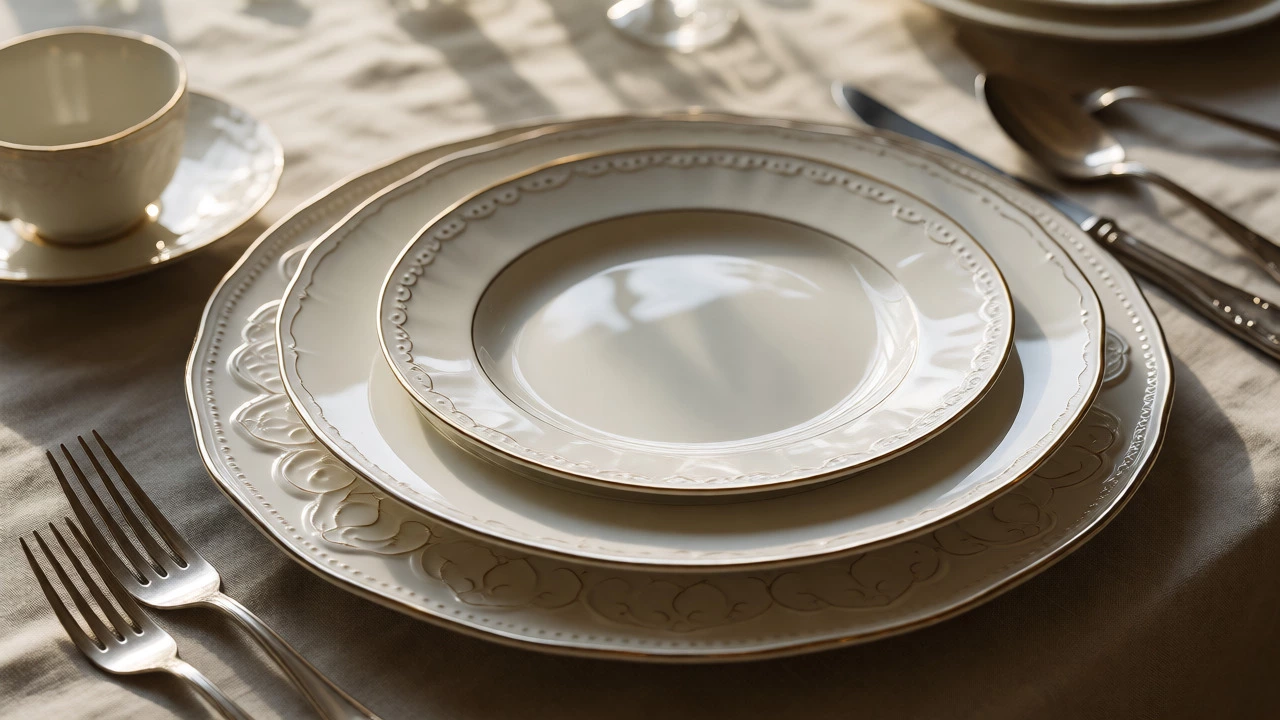
Tableware Terminology Guide
Select an item or scenario below to find the precise industry term and technical details.
You’re setting the table. You grab a plate, place a cup on a saucer, and maybe add a fork. Simple enough. But then you pause. What do you actually call this collection of items? "Dishes" feels too generic. "Kitchen stuff" is lazy. And if you’re trying to buy a set online or describe your wedding registry, using the wrong term can lead to confusion-or worse, buying the wrong thing.
Here’s the truth: English is messy when it comes to kitchen items. We have dozens of words for similar objects, often used interchangeably but with distinct technical differences. Knowing another word for cups saucers and plates isn’t just about vocabulary; it’s about precision. Whether you are a collector, a retailer, or just someone who wants to sound like they know their way around a dining room, understanding these terms matters.
The Big Umbrella: Tableware vs. Dinnerware
Let’s clear up the biggest confusion first. People often use "tableware" and "dinnerware" as if they mean the same thing. They don’t. Think of it like this: "Tableware" is the broad category. It includes everything you put on the table for eating and serving. That means plates, bowls, cups, saucers, but also cutlery (forks, knives), glassware (wine glasses, water goblets), and even cloth napkins in some contexts.
Dinnerware is a subset of tableware. It specifically refers to the ceramic, porcelain, bone china, or stoneware items used for holding food. If it holds your soup, salad, or main course, it’s dinnerware. If it’s the metal fork you use to eat that soup, it’s flatware or silverware. If it’s the glass you drink from, it’s stemware or glassware.
Why does this distinction matter? Imagine searching for "blue tableware." You might get blue napkins, blue placemats, and blue forks. If you want blue plates, you need to search for "blue dinnerware." This semantic difference saves you hours of scrolling through irrelevant products.
Cups and Saucers: More Than Just Coffee Mugs
When people ask for another word for cups and saucers, they are usually looking for specific terminology related to tea or coffee service. A standard mug is rarely called a "cup" in formal settings, though technically it is one. In the world of fine china, there are precise names based on shape and size.
A teacup is typically wider and shallower than a coffee cup. Why? Because tea cools faster, and the wide rim allows you to sip comfortably without burning your tongue. A coffee cup, conversely, is taller and narrower to retain heat. The saucer underneath isn't just decorative; it catches drips and provides a resting place for the spoon.
Are there other words for these? Yes, but they are niche. In antique circles, you might hear terms like "demasseuse" (a tiny cup) or "bouillon cup" (for broth). For everyday conversation, stick to "tea set," "coffee set," or "china service." If you see a small plate designed to hold a teacup, that’s strictly a "saucer." If it’s larger and meant for cookies or cakes, it’s a "side plate" or "dessert plate," even if it looks similar.
Plates: The Hierarchy of Flatware
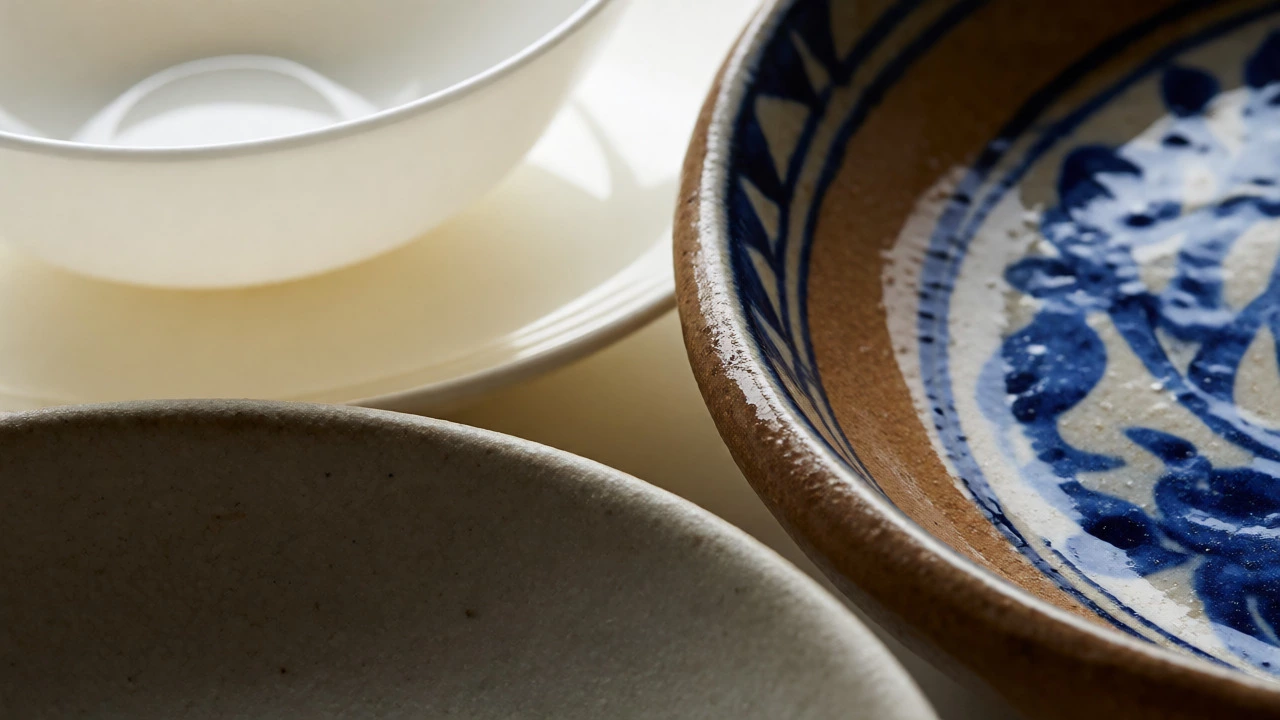
Not all plates are created equal. If you tell a shop assistant you want "plates," they’ll look at you blankly. Which plates? The industry uses a strict hierarchy based on diameter and function. Understanding this helps you build a functional table setting.
| Plate Type | Typical Diameter | Primary Use | Synonyms/Related Terms |
|---|---|---|---|
| Charger Plate | 12-14 inches | Decorative base under other plates | Underplate, Service Plate |
| Dinner Plate | 10-11 inches | Main course | Entrée Plate |
| Salad Plate | 8-9 inches | Appetizers, salads, sides | Bread & Butter Plate (if smaller) |
| Bread Plate | 6-7 inches | Bread, butter, condiments | Side Plate |
| Dessert Plate | 7-9 inches | Cake, pie, fruit | Fruit Plate |
Notice the overlap? A "side plate" can be a bread plate or a dessert plate depending on context. But a "charger" is never eaten off of directly. It’s purely aesthetic, adding height and color to the table. If you’re hosting a formal dinner, knowing that a charger goes down first, followed by the dinner plate, makes you look professional. If you’re just having tacos, you probably only need the dinner plate. Don’t overcomplicate casual meals.
Crockery, Chinaware, and Stoneware: Material Matters
Sometimes, "another word for cups saucers and plates" depends entirely on what they are made of. This is where regional dialects and material science collide.
In the UK and Australia, you’ll often hear the term crockery. This is a catch-all term for household vessels made of clay, including pots, pans, and dishes. It sounds old-fashioned to American ears, where we prefer "dishes" or "dinnerware." However, if you are shopping on a British website, searching for "crockery" will yield results for mugs, plates, and bowls.
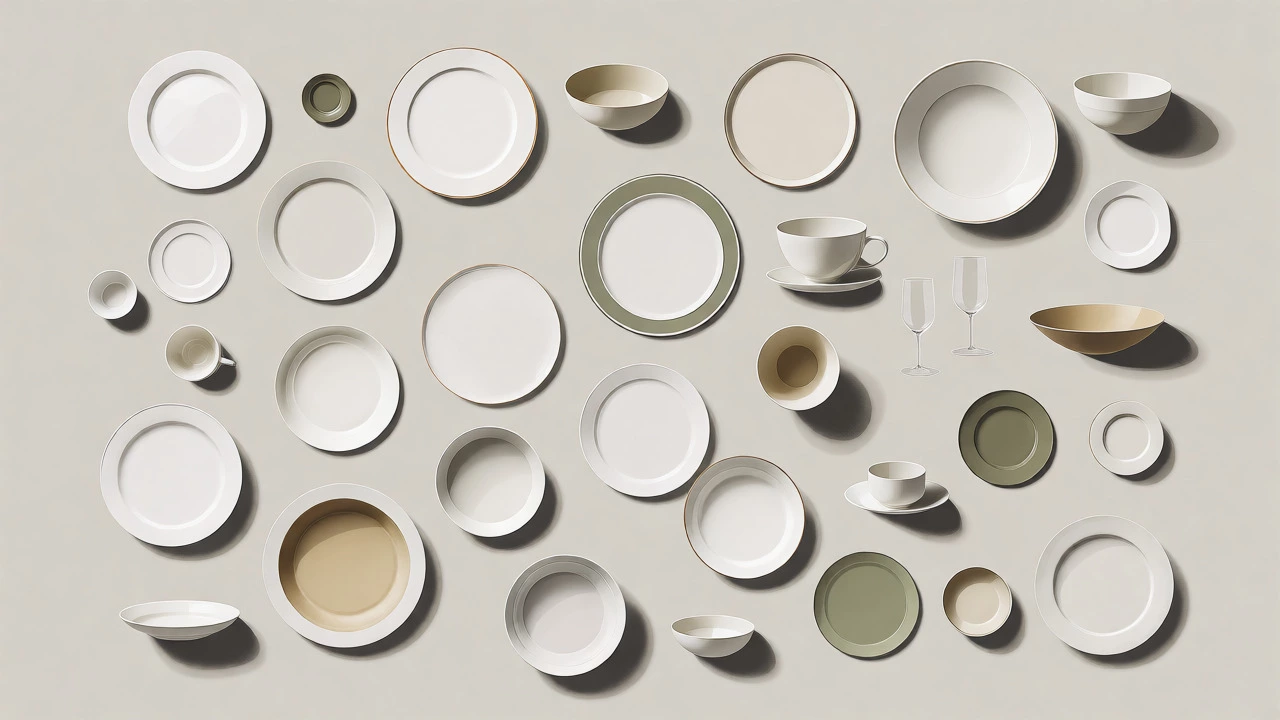
Then there is chinaware or simply "china." True bone china contains ash from cattle bones, making it thin, translucent, and incredibly strong. Porcelain is denser and whiter but lacks the translucency. Stoneware is heavy, opaque, and durable-perfect for rustic cafes. Earthenware is porous and usually glazed, common in Mexican or Italian pottery.
Why care about materials? Because they dictate care instructions. Bone china is fragile and expensive; stoneware can survive a dishwasher cycle and a drop on the floor. If you’re looking for durable daily plates, avoid "fine china" searches. Look for "stoneware dinnerware" instead.
Regional Variations: Dishware, China, and Crockery
Language changes across borders. If you move between the US, UK, and Europe, the vocabulary shifts dramatically.
- United States: "Dinnerware" is the standard retail term. "Dishes" is colloquial. "China" implies formal sets.
- United Kingdom: "Crockery" is widely used. "Tea things" is a charmingly vague phrase for cups and saucers. "Cutlery" refers to forks/knives/spoons (not "silverware").
- France: "Vaisselle" covers all dishes. "Assiette" is a plate. "Tasse" is a cup.
- Germany: "Geschirr" is the general term for tableware.
If you are traveling or buying imported goods, check the origin. A listing for "German Geschirr" is just German tableware. Don’t let foreign terms intimidate you; they usually map directly to the concepts above. The key is consistency within your own region. Using "crockery" in New York might get you strange looks, while using "dinnerware" in London is perfectly understood but slightly formal.
How to Choose the Right Term for Your Needs
So, which word should you use? It depends on your goal.
For Shopping: Use "Dinnerware Set" if you want plates and bowls. Use "Tableware Set" if you want everything including glasses and utensils. Use "Stoneware" or "Porcelain" if material durability is your priority.
For Hosting: Say "Please pass the serving platter," not "the big dish." Say "The soup bowl," not "the deep plate." Precision reduces awkwardness at the dinner table.
For Writing/Blogging: Vary your language. Instead of repeating "plates," use "dishware," "serveware," or "flatware" (if referring to the entire setup). This keeps readers engaged and demonstrates expertise.
Remember, there is no single "correct" synonym for all three items together. You can’t say "I bought a set of [one-word-solution] for my cups, saucers, and plates." You have to group them logically. Usually, "dinnerware" covers the plates and bowls. "Glassware" covers the drinks. "Flatware" covers the tools. Grouping them correctly shows you understand the ecosystem of the dining table.
Is 'dishes' the same as 'dinnerware'?
Colloquially, yes. Technically, no. "Dishes" is a broad, informal term that can include pots, pans, baking sheets, and storage containers. "Dinnerware" specifically refers to the ceramic items used for serving food at the table, such as plates, bowls, and serving platters.
What is the difference between a saucer and a side plate?
A saucer is specifically designed to hold a cup or teacup, catching drips and providing stability. A side plate (or bread plate) is larger, usually 6-7 inches in diameter, and is used for bread, butter, appetizers, or desserts. While a saucer can double as a small side plate in a pinch, they serve different primary functions.
Why is it called 'china' if it's made in many countries?
The term "china" originates from China, where porcelain was first invented and perfected. Even though Japan, Germany, England, and the US now produce high-quality porcelain, the name stuck globally. Today, "china" generally refers to fine, white, translucent porcelain or bone china, regardless of its country of manufacture.
Is 'flatware' the same as 'silverware'?
In the US, "silverware" is the common term for eating utensils (forks, knives, spoons), even if they aren't made of real silver. "Flatware" is the more accurate industry term because it describes the shape (flat) rather than the material. In the UK, these are called "cutlery." All three terms refer to the same category of tools, but "flatware" is the most neutral and technically correct option.
Can I use 'crockery' in the United States?
You can, but it will sound unusual. Americans rarely use "crockery" in everyday speech. They might understand it if you are an immigrant or quoting a British source, but standard American English prefers "dinnerware," "dishes," or "kitchenware." Save "crockery" for when you are shopping on UK-based websites or speaking to British expats.