Flatware Set Cost Calculator
Set Composition
Estimated Total Cost
$0.00
$0.00 per place setting
Material Insights
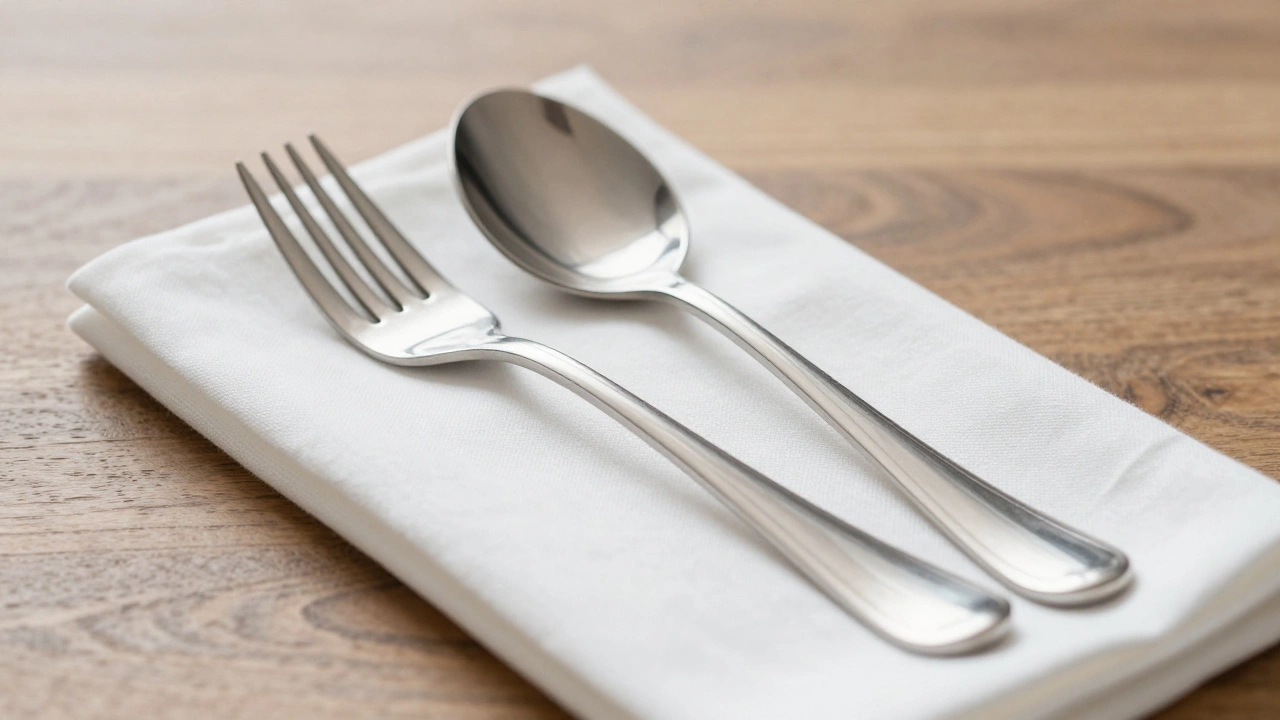
You’ve just finished a great meal. You look down at your plate and see a shiny spoon resting next to a sturdy fork. It’s a common sight, but if you’ve ever wondered what that specific pairing-or the collection of these tools-is called, you aren’t alone. We use them every day, yet we rarely stop to name them collectively. Is it silverware? Flatware? Cutlery? Or is there a specific term for just the two?
The short answer is that a spoon and a fork together are simply part of your cutlery or flatware set. There isn’t a unique, single English word that means *only* "a spoon and a fork" (like how "brunch" means breakfast and lunch combined). However, depending on where you live and the context-whether you’re buying dinnerware or setting a formal table-the terminology shifts. Let’s break down exactly what these terms mean, why they differ, and how to use them correctly.
Defining the Core Terms: Cutlery vs. Flatware
To understand what a spoon and fork are called together, we first need to look at the broader categories they belong to. In the world of dining, three main terms dominate: cutlery, flatware, and silverware. While often used interchangeably in casual conversation, they have distinct historical and regional meanings.
Cutlery is the collective term for handheld eating utensils, including knives, forks, and spoons. The word originates from the Old French "coustel," meaning knife. Historically, this makes sense because the knife was the primary tool for cutting food. In British English, "cutlery" is the standard term for the entire set of eating implements. If you go to a department store in London, you will find a section labeled "Cutlery." This category includes everything from steak knives to dessert spoons.
Flatware is an American English term for eating utensils, emphasizing their flat shape when stored. This term became popular in the United States because early metal eating tools were often made of pewter or other soft metals that didn't hold an edge like steel knives. Because many of these items were flat (spoons and forks), the term stuck. Today, "flatware" is the most accurate technical term in North America for a set containing forks, spoons, and sometimes knives.
Silverware is a colloquial term for eating utensils, originally referring to those made of sterling silver. Even if your utensils are made of stainless steel, plastic, or bamboo, Americans still call them "silverware." This is a linguistic relic from a time when fine dining required actual silver, which had to be polished regularly. Using this term today is perfectly acceptable in casual settings, even if technically inaccurate for non-silver materials.
| Term | Primary Region | Literal Meaning | Includes Knives? |
|---|---|---|---|
| Cutlery | UK, Europe, Commonwealth | Knife-related tools | Yes, primarily |
| Flatware | USA, Canada | Flat-shaped utensils | Yes, as part of a set |
| Silverware | USA (Colloquial) | Silver-made items | Yes, regardless of material |
Is There a Specific Name for Just a Spoon and Fork?
If you are looking for a word that specifically excludes knives, you won’t find a widely accepted single noun in English. However, in specific contexts, phrases emerge.
In casual dining or buffet settings, you might hear the phrase "fork and spoon service." This implies a self-service style where diners take their own utensils, often excluding knives for safety or simplicity. For example, a salad bar or a soup kitchen might offer "forks and spoons only."
Another context is the "place setting." A basic place setting typically consists of a dinner fork and a dinner spoon (or teaspoon). If you are buying a minimal set for children or for outdoor picnics, you might describe it as a "two-piece set" or a "basic duo." But again, there is no magical word like "sporkle" (which is actually a portmanteau of spoon and fork, referring to a hybrid utensil).
The Spork: The Hybrid Alternative
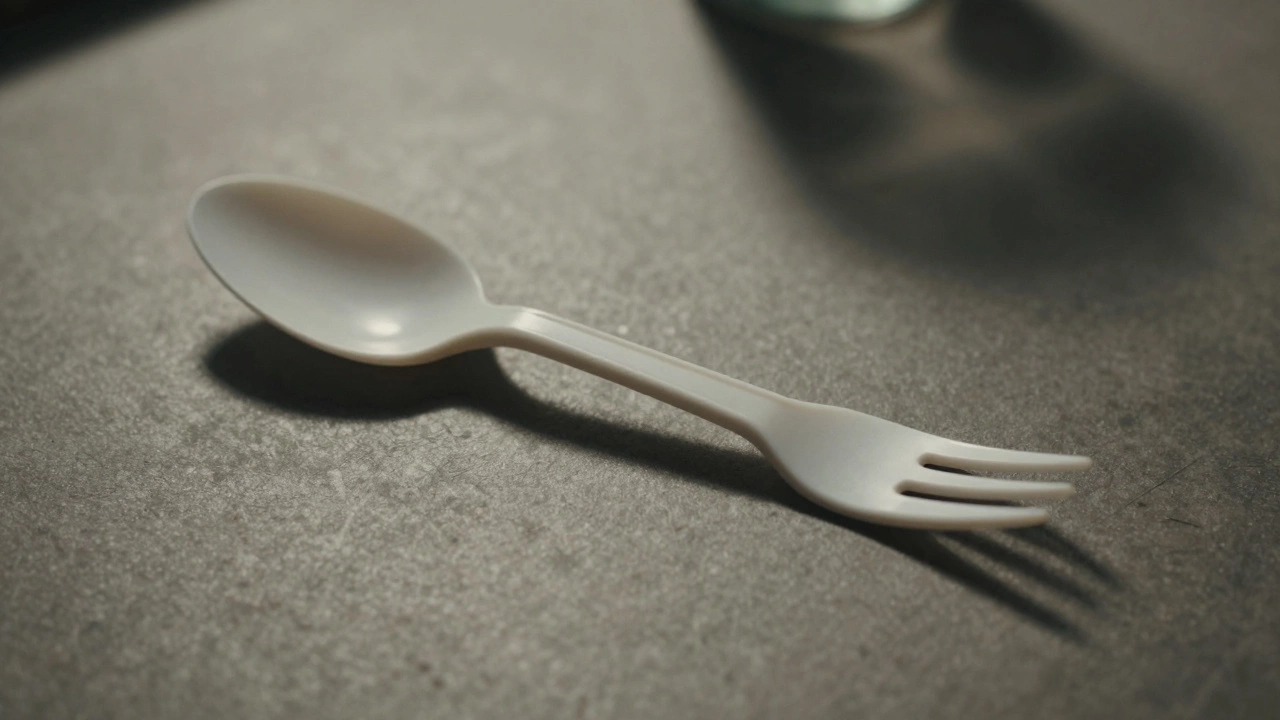
While there isn’t a word for a spoon and fork *together* as separate items, there is a very famous word for a spoon and fork *combined* into one object: the spork.
The Spork is a hybrid eating utensil with tines like a fork and a bowl-like shape like a spoon. Originally patented in the 19th century, the spork gained massive popularity in the late 20th century through disposable plastic versions used by airlines and fast-food chains. It is designed to scoop liquids (like soup) while also piercing solid foods (like pasta or fruit). If you want a single tool that does the job of both a spoon and a fork, the spork is your answer.
Understanding Place Settings and Etiquette
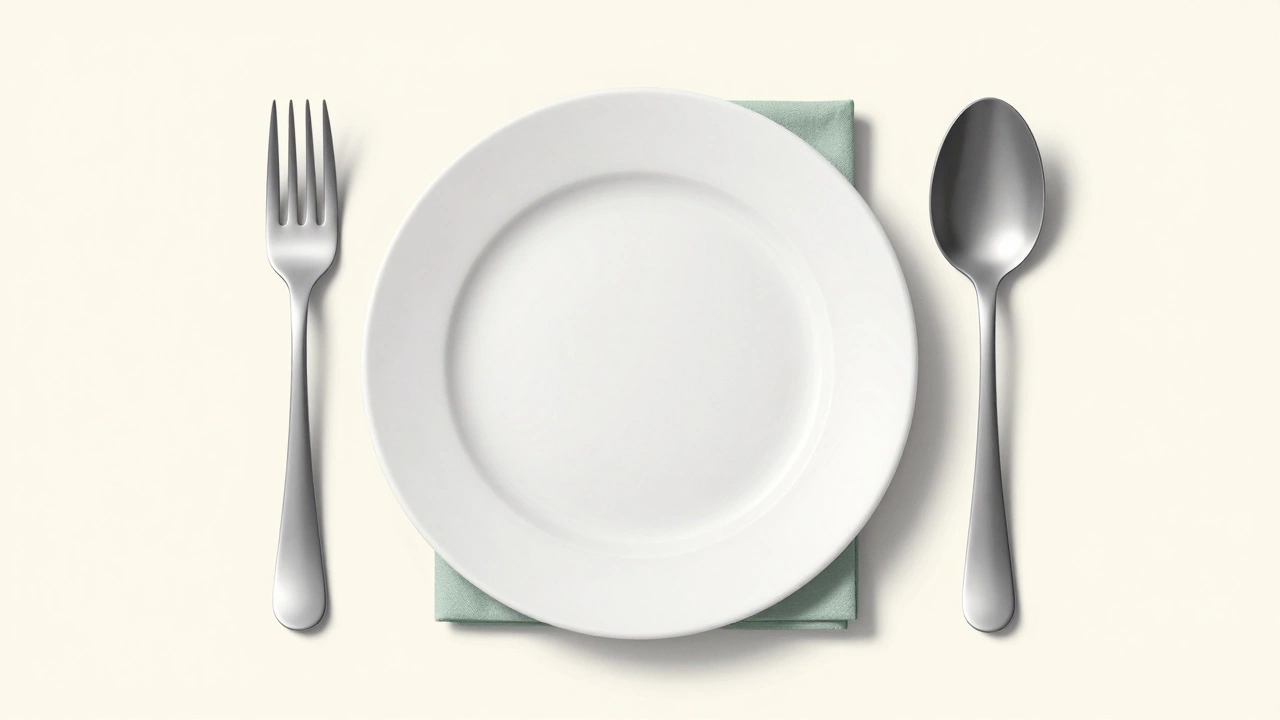
When you sit down to eat, the arrangement of your spoon and fork tells a story about the meal. Understanding this helps clarify why we group these items together.
In a standard Western place setting:
- Dinner Fork: Placed to the left of the plate. Used for the main course.
- Dinner Spoon (or Soup Spoon): Placed to the right of the plate, usually outside the knife if present. Used for soups or desserts.
- Teaspoon: Often placed above the plate or with the coffee cup. Used for stirring drinks or eating small desserts.
If you are attending a formal event, you might encounter a "salad fork" and a "dinner fork" on the left, and a "soup spoon" and a "teaspoon" on the right. The rule of thumb is to work from the outside in. You start with the outermost utensil and move inward as the courses progress.
This structure reinforces the idea that spoons and forks are partners in the dining experience. They are rarely used in isolation; they are components of a larger system designed to make eating efficient and polite.
Materials Matter: Beyond Silver
What you call your utensils can also depend on what they are made of. While "silverware" persists, modern kitchens use a variety of materials, each with its own pros and cons.
- Stainless Steel: The most common material for household flatware. It is durable, rust-resistant, and affordable. Look for grades like 18/10 (18% chromium, 10% nickel) for higher quality and shine.
- Sterling Silver: Contains 92.5% silver and 7.5% other metals (usually copper). It is heavy, luxurious, and requires regular polishing to prevent tarnish. True "silverware" falls here.
- Pewter: An old-fashioned material, mostly tin with small amounts of copper or antimony. It is soft and cannot hold a sharp edge, so pewter sets often exclude knives or have dull blades.
- Bamboo/Wood: Eco-friendly options often used for children’s sets or outdoor dining. They are gentle on teeth and gums but require hand-washing and oiling to maintain integrity.
- Plastic/Melamine: Used for disposables or kids’ meals. Durable but not suitable for hot foods or long-term daily use due to potential chemical leaching and environmental impact.
Buying Tips: Building Your Set
If you are looking to buy a new set of spoons and forks, knowing the terminology helps you navigate retail aisles and online stores. Here is what to keep in mind:
Count the Pieces: A "20-piece set" usually serves four people. It typically includes four dinner forks, four dinner knives, four teaspoons, four dinner spoons, and four salad forks. If you only want spoons and forks, look for "service for four" packs that specify the contents. Some budget sets omit knives entirely, making them perfect for vegetarian households or casual dining.
Check the Weight: Heavier utensils often feel more substantial and expensive. Light, flimsy flatware can bend easily and feels cheap in the hand. Pick up a sample if possible. The balance should feel comfortable, not top-heavy.
Consider the Finish: Polished finishes show fingerprints and water spots. Brushed or satin finishes hide wear and tear better, making them ideal for high-use families. If you choose a high-polish finish, be prepared to wipe them dry after washing.
Global Variations in Dining Tools
It’s worth noting that the spoon-and-fork combination is not universal. In many cultures, hands are the primary eating tool. In others, chopsticks dominate. The fork itself is a relatively recent addition to global dining history.
In Italy, the fork was adopted earlier than in other parts of Europe, leading to the development of distinct Italian cutlery styles. In contrast, in many Asian countries, the spoon is the dominant utensil for rice and soups, while the fork is secondary or non-existent. For example, in Thailand, a spoon is held in the right hand to push food into the mouth, while a fork is held in the left hand to push food onto the spoon. The fork never touches the lips.
Understanding these differences highlights that our "spoon and fork" pair is a cultural construct, not a biological necessity. Yet, within Western-influenced dining, this pair remains the gold standard for versatility.
What do you call a set of just spoons and forks?
There is no single specific word for a set containing only spoons and forks. They are generally referred to as a "cutlery set," "flatware set," or "silverware set," even if knives are excluded. In retail, you might find them labeled as "basic place settings" or "two-piece sets" per person.
Is cutlery the same as flatware?
They refer to the same objects but are used in different regions. "Cutlery" is the standard term in the UK and Europe, while "flatware" is the preferred term in the US and Canada. Both include forks, spoons, and knives.
Why is it called silverware if it's not made of silver?
The term "silverware" is a historical leftover. In the past, fine dining utensils were made of sterling silver. Even though modern utensils are mostly stainless steel, the name stuck in American English as a colloquialism for all eating utensils.
What is a spork?
A spork is a hybrid utensil that combines the features of a spoon and a fork. It has a bowl-like shape to hold liquids and tines to pierce solid food. It is commonly used for salads, macaroni and cheese, and airline meals.
How many pieces are in a standard flatware set?
A standard flatware set for four people usually contains 20 pieces: four dinner forks, four dinner knives, four teaspoons, four dinner spoons, and four salad forks. Larger sets may include butter knives, serving spoons, and dessert forks.
Can I put my cutlery in the dishwasher?
Most stainless steel flatware is dishwasher safe. However, silver-plated items, wooden handles, and delicate decorative pieces should be hand-washed to prevent tarnishing, warping, or damage. Always check the manufacturer’s instructions.