Medicare Bathroom Coverage Checker
Select your insurance type and the item you are looking for.
Ready to Check
Waiting for inputSelect a plan and item above to see if Medicare will cover the cost.
Imagine you just fell in the shower. It happens more often than we like to admit, especially as we age. You pick yourself up, dust off, and then the real question hits: how do I fix this so it doesn’t happen again? You need a grab bar, maybe a walk-in tub, or at least some non-slip mats. Then comes the financial panic. You check your bank account, sigh, and wonder if Medicare is the federal health insurance program for people aged 65 and older, as well as certain younger people with disabilities. going to cover it.
The short answer? No. Medicare does not pay for bathroom remodels. Not even a little bit. If you are hoping that Original Medicare (Parts A and B) will write a check for a new tile floor, a widened doorway, or a luxury shower seat, you are out of luck. But before you throw in the towel, there is a nuance here that could save you hundreds of dollars on specific safety items-like those sturdy shower cushions you might be looking at.
The Hard Line: Medical vs. Home Improvement
To understand why Medicare says no to renovations, you have to look at how the program defines "medical necessity." Medicare is designed to pay for services and items that treat a medical condition. A bathroom remodel, by definition, is a home improvement project. Even if the goal is safety, the act of construction-tearing down walls, installing plumbing, laying tiles-is considered a structural change to your residence.
Think of it this way: if you break your leg, Medicare pays for the cast and the physical therapy. It does not pay for a ramp to get into your house. The logic is that the ramp is a permanent fixture of the home, while the cast treats the injury. Similarly, widening a hallway to fit a wheelchair is a home modification. Installing a hospital bed in your bedroom? That’s different. The bed is movable medical equipment. The wall is not.
This distinction is crucial because it sets the boundary for what you can claim. Any work that involves contractors, permits, or permanent alterations to the building structure falls squarely outside Medicare’s purview. This includes:
- Installing grab bars (unless they are part of a larger DME setup, which is rare)
- Pouring concrete ramps
- Lowering countertops
- Replacing bathtubs with walk-in showers
- Tiling floors with non-slip materials
These are all excellent ideas for aging in place, but they are considered capital improvements to your property, not healthcare expenses.
The Exception: Durable Medical Equipment (DME)
Here is where things get interesting. While Medicare won’t pay for the remodel, it will pay for certain pieces of equipment that make the bathroom safer. This falls under Part B coverage for Durable Medical Equipment (DME) is medical devices that can withstand repeated use, are primarily used for a medical purpose, and are generally not useful to an individual in the absence of illness or injury.. To qualify, the item must be prescribed by a doctor, medically necessary, and usable in the home.
So, what about that shower cushion? Or a shower chair? This is a common point of confusion. Let’s break it down.
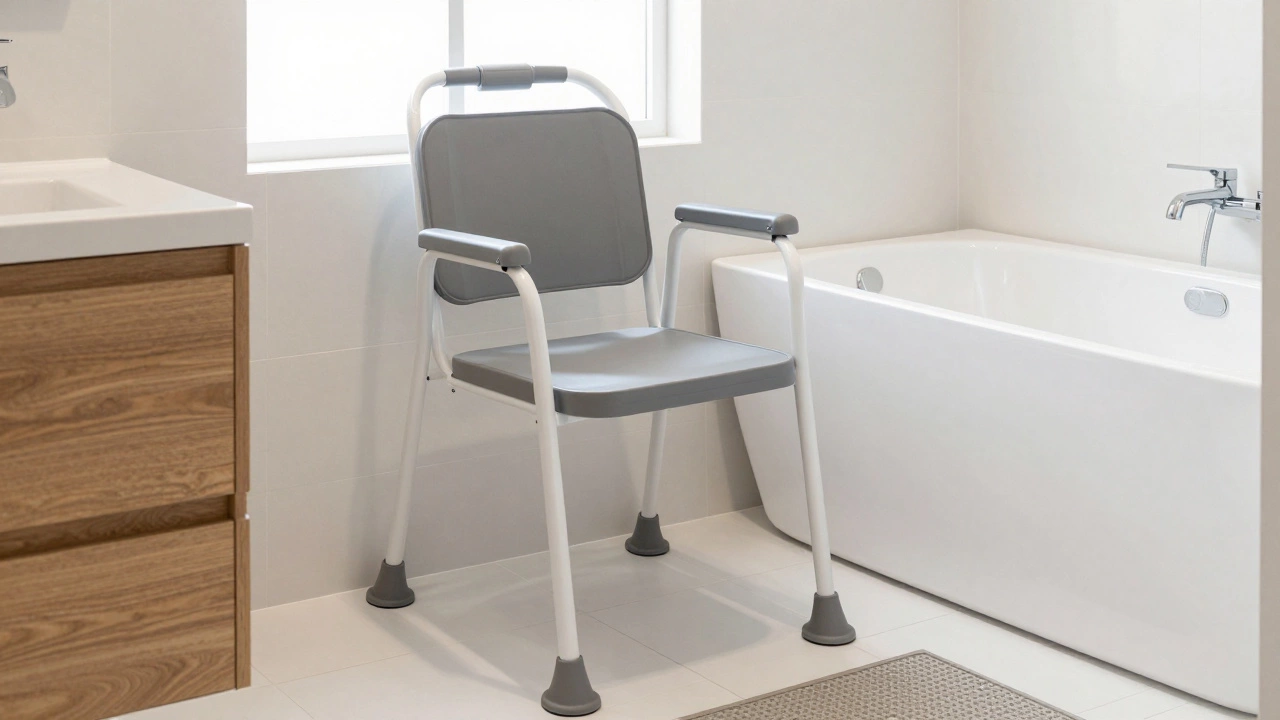
Shower Chairs and Benches: Medicare often covers these if your doctor certifies that you cannot stand safely during bathing due to a medical condition. You need a prescription stating that standing is unsafe. Once you have that, you can buy the chair from a Medicare-enrolled supplier. You will typically pay 20% of the approved amount after meeting your Part B deductible.
Shower Cushions: This is trickier. A simple foam cushion is usually considered a comfort item, not medical equipment. However, if you have a severe condition that requires you to sit for extended periods and a standard chair isn't enough, a specialized pressure-relieving cushion *might* be covered. But don’t hold your breath. Most standard bath cushions sold at retail stores are not covered. They are seen as accessories, not essential DME.
Grab Bars: Generally, no. Medicare considers grab bars a home modification. However, some Medicare Advantage plans (Part C) offer extra benefits that might include small grants for home safety modifications. This is a growing trend, so it’s worth checking your specific plan details.
| Item | Coverage Status | Requirements |
|---|---|---|
| Walk-in Tub/Shower Installation | Not Covered | Considered home improvement |
| Shower Chair/Bench | Covered (Part B) | Doctor’s prescription; medically necessary |
| Standard Shower Cushion | Not Covered | Considered a comfort accessory |
| Pressure-Relief Cushion | Possibly Covered | Strict medical necessity criteria |
| Grab Bars | Generally Not Covered | Home modification exception may apply in MA plans |
| Ramps | Not Covered | Structural home alteration |
Medicare Advantage: The Wild Card
If you are enrolled in Original Medicare, the rules above are rigid. But if you have a Medicare Advantage Plan is an alternative way to receive Medicare benefits through private insurance companies approved by Medicare. (Part C), the landscape changes slightly. These private insurers compete for members by offering perks beyond standard care.
In recent years, many Medicare Advantage plans have started offering "wellness" or "home safety" benefits. Some provide direct payments for home modifications, including bathroom safety upgrades. Others partner with vendors to offer discounts on grab bars, ramps, or smart home devices. The amounts vary wildly-from $100 to $1,000 per year-and the rules are strict. You usually need to pre-authorize the expense.
Here is what you should do if you have a Medicare Advantage plan:
- Call the number on the back of your insurance card.
- Ask specifically about "home safety benefits" or "in-home support services."
- Find out if they cover "bathroom modifications" or "fall prevention equipment."
- Get any approval in writing before you hire a contractor or buy expensive gear.
Don’t assume. Just because one neighbor got reimbursed for a ramp doesn’t mean your plan will do the same. These benefits are optional for insurers, meaning they can add them, remove them, or change the limits at any time.
What About Medicaid?
If Medicare says no, who says yes? Enter Medicaid is a joint federal and state program that helps with medical costs for some people with limited income and resources.. Unlike Medicare, Medicaid is means-tested. If you have low income and limited assets, you might qualify for help with home modifications.
Each state runs its own Medicaid program, so the rules differ. In many states, Medicaid offers a benefit called "Personal Care Services" or "Home and Community-Based Services" (HCBS). These waivers can sometimes fund bathroom renovations if they prevent institutionalization (i.e., keeping you out of a nursing home). For example, if you need a roll-in shower to stay independent, Medicaid might cover the cost if you prove that without it, you would need 24-hour care.
This process is bureaucratic and slow. You’ll need assessments from social workers and doctors. But for those who qualify, it is one of the few ways to get significant funding for major bathroom overhauls.
Alternative Funding Sources
If neither Medicare nor Medicaid helps, you aren’t completely out of options. Here are a few places to look:
Veterans Affairs (VA): If you are a veteran, the VA has robust programs for home adaptations. The Specially Adapted Housing (SAH) grant and the Special Housing Adaptation (SHA) grant can pay for extensive bathroom modifications, including roll-in showers and widened doors. Eligibility depends on your service-connected disability rating.
Area Agencies on Aging: Every county has an Area Agency on Aging. They often have small grants or know of local charities that provide free or discounted safety equipment. Call 211 to find your local agency. They might not pay for a full remodel, but they could hook you up with free grab bars or a shower chair.
Home Equity Loans or HELOCs: If you own your home outright or have significant equity, borrowing against it is a common way to fund accessibility upgrades. These improvements can also increase your home’s resale value, which is a nice bonus.
Insurance Claims: Check your homeowner’s or renter’s insurance policy. Sometimes, if a fall occurred due to a maintenance issue (like a leaky roof causing mold that led to a slip), there might be a claim angle. It’s a stretch, but worth asking.

Practical Steps for a Safe Bathroom on a Budget
Let’s say you’ve exhausted all avenues and still have to pay out of pocket. How do you maximize safety without breaking the bank? Focus on high-impact, low-cost changes first.
1. Start with Non-Slip Mats: Before you buy anything else, put down rubberized, non-slip mats in the shower and tub. They are cheap and effective. Look for ones with suction cups that actually stick.
2. Install Tension-Pole Grab Bars: You don’t always need to drill into tiles. Tension-pole grab bars screw into the floor and ceiling, creating a stable support system without permanent installation. They are great for renters or those hesitant to damage walls.
3. Upgrade Lighting: Poor lighting is a major cause of falls. Install motion-sensor nightlights in the bathroom and hallway. Ensure the main switch is easy to reach from the door.
4. Use a Shower Chair: As mentioned, Medicare might cover this. If not, a basic plastic shower stool costs around $30-$50 at most hardware stores. Don’t skimp on quality; look for one with wide, stable legs.
5. Declutter: Remove rugs that bunch up. Keep the path from the bed to the bathroom clear. Store toiletries within easy reach so you don’t have to stretch or balance on one foot.
Frequently Asked Questions
Will Medicare pay for a walk-in tub?
No, Medicare does not cover walk-in tubs. They are considered permanent home improvements and cosmetic upgrades, not durable medical equipment. Even if a doctor recommends it for safety, Original Medicare will not reimburse you for the purchase or installation.
Can I get a rebate for bathroom safety modifications?
Original Medicare does not offer rebates. However, some Medicare Advantage plans provide annual allowances for home safety items. Additionally, certain utility companies offer energy efficiency rebates if you upgrade to water-saving fixtures, though this is unrelated to safety. Check with your local Area Agency on Aging for small community grants.
Does Medicare cover shower chairs?
Yes, Medicare Part B often covers shower chairs and benches if they are deemed medically necessary. You need a written order from your doctor stating that you cannot stand safely during bathing. You must purchase the chair from a Medicare-enrolled DME supplier to ensure reimbursement.
What is the difference between a shower cushion and a shower chair regarding coverage?
A shower chair is a piece of Durable Medical Equipment (DME) that provides structural support and is often covered with a prescription. A shower cushion is typically viewed as a comfort accessory or hygiene item, similar to a pillow, and is rarely covered unless it is a specialized medical device for pressure ulcer prevention.
How can I finance a bathroom remodel if Medicare won't pay?
Options include taking out a home equity loan, using a personal loan, or tapping into retirement savings. Veterans may qualify for VA housing adaptation grants. Low-income individuals might access Medicaid waivers or local nonprofit grants through their Area Agency on Aging. Always compare interest rates and terms before borrowing.
Do Medicare Advantage plans cover grab bars?
Some Medicare Advantage plans do offer benefits for home safety modifications, which may include grab bars. This varies significantly by plan and region. You must contact your plan provider directly to inquire about specific allowances, pre-approval processes, and eligible vendors. Do not assume coverage exists without written confirmation.