Sofa Durability Calculator
Configure your potential purchase to see its estimated lifespan.
Durability Score
Estimated Lifespan:
-- Years
Enter specifications to generate a durability report.
There is nothing more frustrating than buying a beautiful sofa that starts sagging after two years or getting stained by a single glass of wine. You want comfort, style, and something that actually survives daily life. But how do you spot a long lasting sofa before you spend hundreds or thousands of dollars on it?
The secret isn’t just in the brand name or the trendy design. It’s hidden in the construction details: the type of wood used for the frame, the density of the cushion foam, and the weave of the fabric. If you know what to look for, you can buy a piece of furniture that will serve your family for a decade or more.
The Foundation: Why the Frame Matters Most
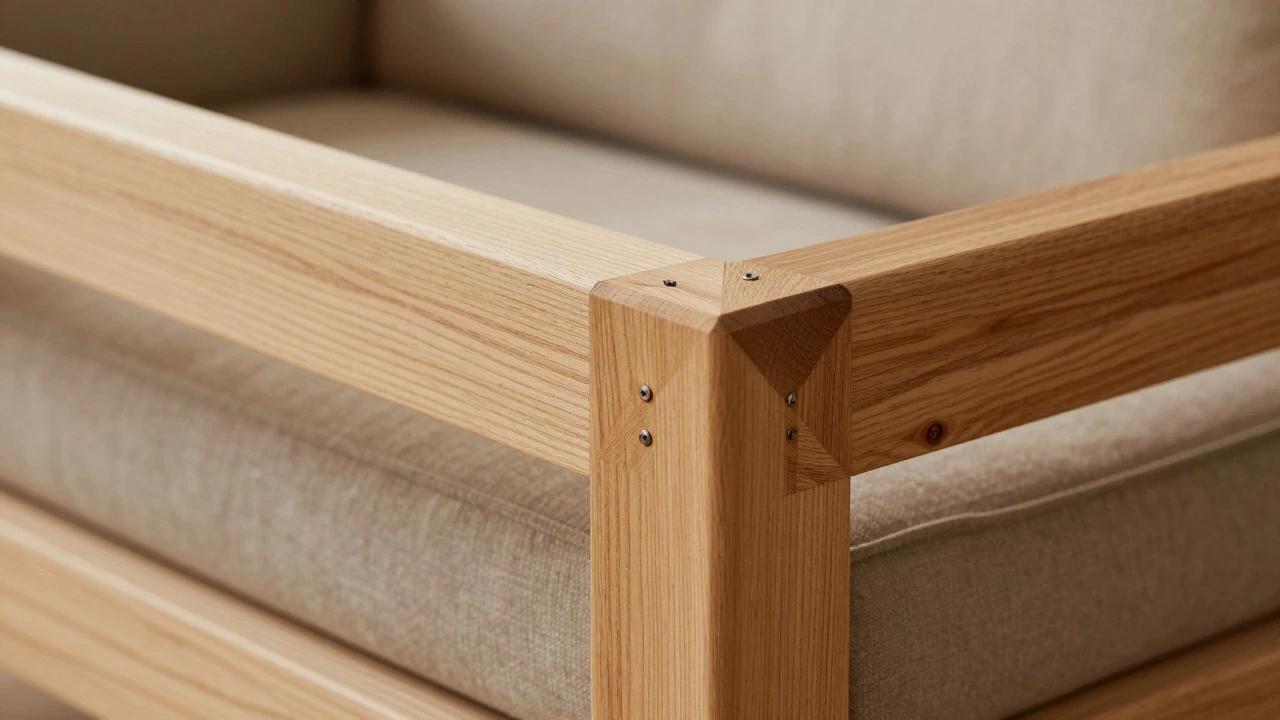
Think of the sofa frame as the skeleton of the piece. If the bones are weak, the whole structure collapses, no matter how nice the skin (fabric) looks. When shopping for durability, the first thing you need to check is the lumber used in the base.
Avoid softwoods like pine or poplar if longevity is your priority. These woods are lightweight and inexpensive, but they warp easily under pressure and humidity changes over time. Instead, look for solid hardwood. Species like oak, ash, maple, and beech are dense and rigid. They resist splitting and provide a stable foundation for heavy cushions and active users.
How is the frame put together? This is crucial. Nails alone are not enough. A quality manufacturer uses dowel joints, corner blocks, and screws. Corner blocks are triangular pieces of wood screwed into the corners of the frame to prevent racking (when the frame twists out of square). Some high-end brands even use mortise-and-tenon joinery, which is incredibly strong but rare in mass-market furniture.
- Pine/Poplar: Cheap, prone to warping, short lifespan (3-5 years with heavy use).
- Oak/Ash/Maple: Durable, resistant to wear, long lifespan (10+ years).
- Metal Frames: Very durable but can feel cold and hard; often found in outdoor or industrial styles.
Cushion Core: Foam Density and Resiliency
You sit on the cushions, so their quality defines your daily comfort and the sofa's visual shape. The biggest mistake buyers make is judging cushions by how firm they feel at the store. Firmness is subjective; density is objective.
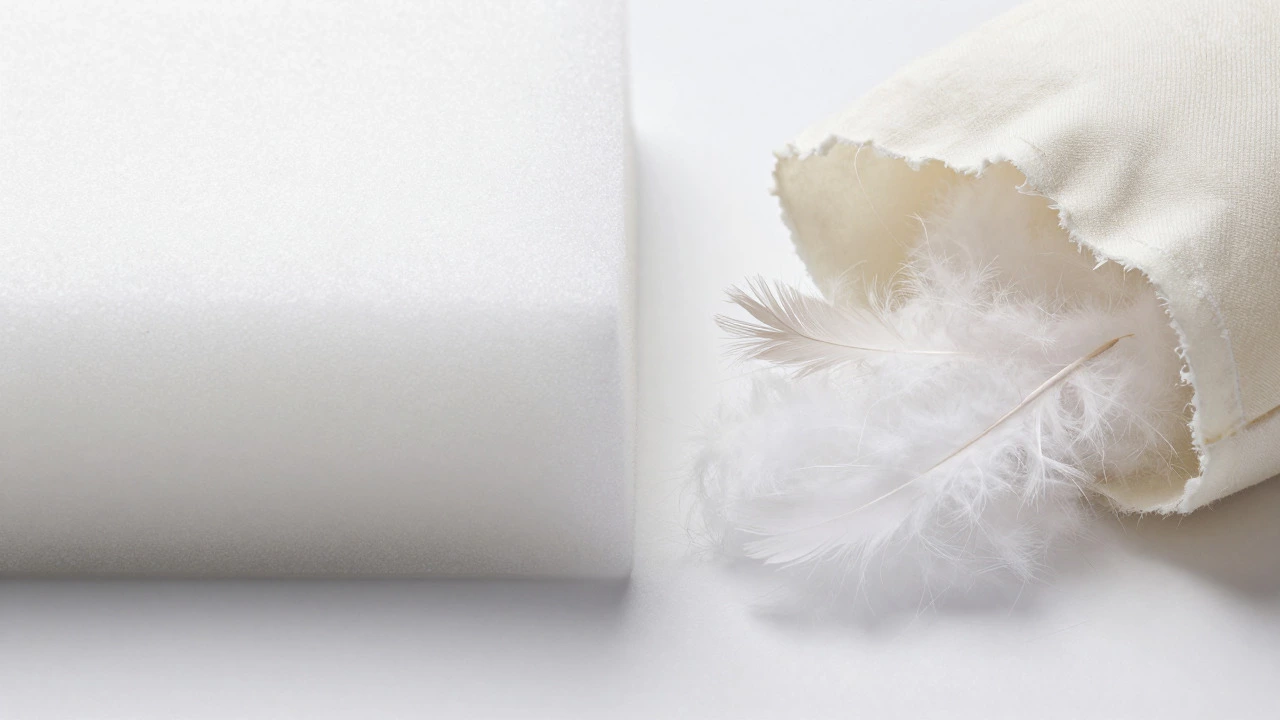
Foam is measured in density (pounds per cubic foot) and Indentation Load Deflection (ILD), which measures firmness. For a high-resilience foam that lasts, you want a density of at least 1.8 pounds per cubic foot. Low-density foam (below 1.5 pcf) breaks down quickly, leading to that dreaded "body dip" where you sink into the middle of the seat.
Many premium sofas use a hybrid approach. They combine high-density foam with down feathers or fiberfill. Down offers a luxurious, moldable feel, but pure down flattens out and needs constant fluffing. A blend-like 80% foam and 20% down-gives you the best of both worlds: support from the foam and plushness from the down.
If you prefer a firmer seat, look for sinuous springs (S-shaped metal coils) or eight-way hand-tied springs. Sinuous springs are common and effective, providing good bounce and support. Eight-way hand-tied springs are the gold standard in luxury furniture, offering individualized support that adapts to your body weight without sagging.
Fabric Choices: Durability vs. Aesthetics
The cover is the first line of defense against spills, pets, and general wear. Not all fabrics are created equal. The industry standard for measuring fabric strength is the Martindale rub test (or Wyzenbeek in the US). This test counts how many times a fabric can be rubbed back and forth before it shows signs of wear.
For residential use, aim for a rating of at least 15,000 double rubs. For households with kids or pets, look for 30,000 or higher. Commercial-grade fabrics often exceed 100,000 rubs and are excellent choices for home use if you don't mind a slightly stiffer hand feel.
Natural fibers like cotton and linen look great but wrinkle easily and can fade or stain unless treated. Synthetic fibers like polyester, nylon, and acrylic are generally more durable and colorfast. Microfiber is particularly popular for its soft texture and incredible resistance to stains and abrasion.
Leather is another option for longevity. Top-grain leather develops a patina over time, aging gracefully rather than cracking. However, bonded leather (made from leather scraps glued to a backing) peels and flakes within a few years. Always specify "top-grain" or "full-grain" when buying leather sofas.
| Fabric Type | Durability Rating | Stain Resistance | Best For |
|---|---|---|---|
| Microfiber | High | Excellent | Pets, Kids, High Traffic |
| Top-Grain Leather | Very High | Good (with conditioner) | Modern Homes, Easy Cleaning |
| Tight-Weave Cotton | Medium | Low (unless treated) | Low-Traffic Areas, Decor Focus |
| Performance Fabric (e.g., Sunbrella) | Very High | Excellent | Spills, Outdoor/Indoor Use |
Construction Details That Signal Quality
Beyond materials, the craftsmanship tells the story. Look closely at the stitching. Tight, even stitches indicate careful manufacturing. Loose or uneven threads suggest rushed production. Check the arms and backrests. Are they attached securely? Can you wiggle them? A sturdy sofa should feel solid, not wobbly.
Lift the sofa if possible. A well-built sofa is heavy because of the hardwood frame and dense foam. If it feels light, it likely uses particleboard or low-density materials. Also, check the legs. Wooden legs attached directly to the frame are stronger than those attached only to the base platform.
Another detail often overlooked is the suspension system. Webbing made from synthetic fibers is common and durable, but some cheaper models use thin, cheap webbing that snaps over time. Ensure the webbing is thick and tightly stretched across the frame.
Brands Known for Durability
While any brand can produce a bad batch, some companies have built reputations on robust construction. Brands like Restoration Hardware (now RH) and Herman Miller invest heavily in material science and testing. More accessible options include Pottery Barn's performance collections and West Elm's eco-friendly lines, which often use FSC-certified hardwoods.
Don't ignore local craftsmen. Many small workshops build custom sofas using traditional joinery and premium materials. While they may cost more upfront, the ability to choose every component ensures maximum longevity.
Maintenance Tips to Extend Lifespan
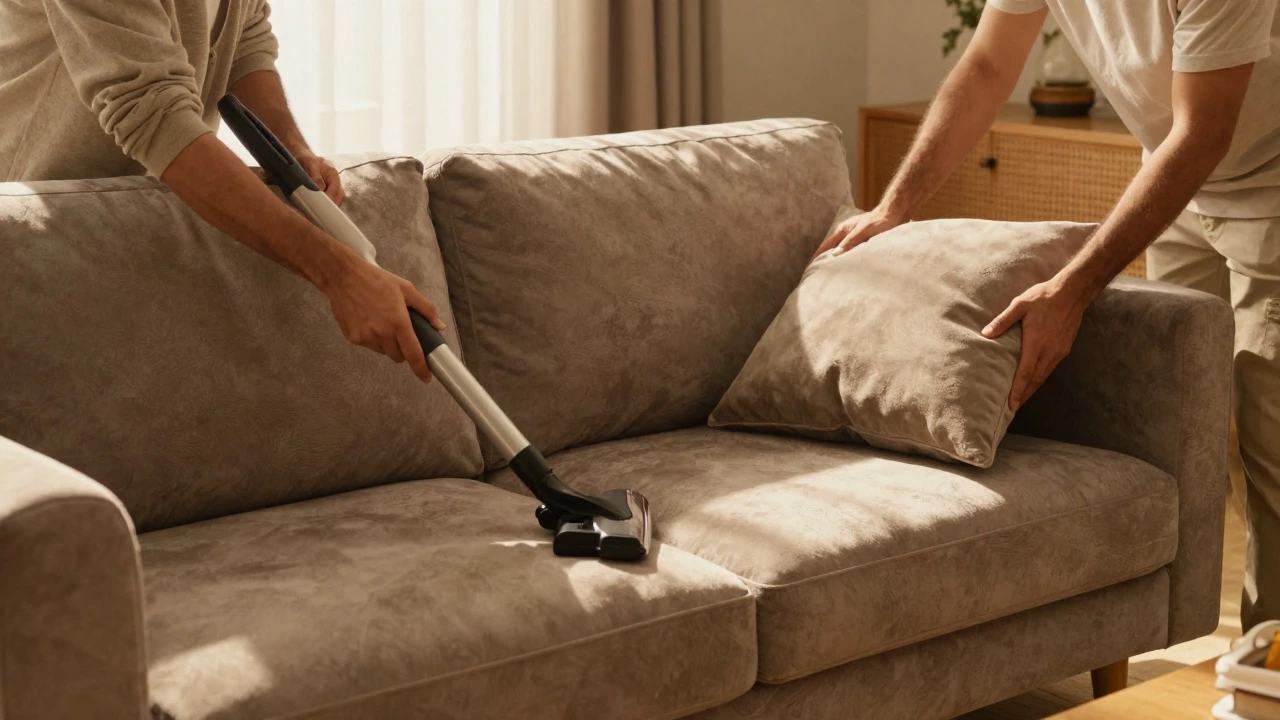
Even the most durable sofa needs care. Vacuum upholstery regularly to remove dust and grit that can grind into fibers. Rotate cushions weekly to ensure even wear. For leather, apply a conditioner every six months to keep it supple. Address spills immediately with a blotting motion-never rub, as this pushes the liquid deeper into the fabric.
Keep your sofa out of direct sunlight to prevent fading. Use curtains or blinds during peak hours. If you have pets, consider a protective throw blanket for high-use areas. These small habits can add years to your sofa's life.
Common Mistakes to Avoid
Buying online without checking return policies or material specs is risky. Photos can hide poor construction. Always read reviews focusing on long-term ownership experiences, not just initial impressions. Avoid "fast furniture" trends that prioritize novelty over substance. Stick to classic designs and proven materials.
Finally, don't sacrifice budget solely for aesthetics. A mid-range sofa with a hardwood frame and high-density foam will outlast a luxury-looking piece made with particleboard and polyurethane foam. Invest in the core structure first, then customize the look.
What is the average lifespan of a good quality sofa?
A well-made sofa with a hardwood frame and high-density foam can last 7 to 15 years, depending on usage. With proper maintenance, some high-quality pieces can last 20 years or more.
Is leather or fabric more durable for sofas?
It depends on the specific materials. Top-grain leather is highly durable and easy to clean but can scratch. Performance fabrics like microfiber or tightly woven synthetics offer superior abrasion resistance and stain protection, making them ideal for families with pets or children.
How can I tell if a sofa has a hardwood frame?
Ask the retailer for the frame material specification. Lift the sofa; hardwood frames are significantly heavier than softwood or engineered wood. Look for visible wood grain on exposed parts like armrests or legs. Pine smells distinctively sweet and resinous, while oak and maple have a more neutral scent.
What does "high-resilience foam" mean?
High-resilience (HR) foam is a type of polyurethane foam with a higher density and better elasticity than standard foam. It bounces back quickly after compression, preventing permanent indentations and maintaining its shape over many years of use.
Are sinuous springs better than eight-way hand-tied springs?
Eight-way hand-tied springs are considered superior for luxury and personalized support, as each spring is individually tied to allow independent movement. Sinuous springs are continuous S-shaped wires that provide uniform support and are very durable, making them an excellent choice for most households seeking value and longevity.