
Couch Cushion Replacement Calculator
Step 1: Assess Your Current Sofa
Step 2: Choose Repair Method
Ready to Calculate
Enter your sofa details above to see if repairing makes financial sense.
There is a specific kind of despair that comes from sinking into your favorite sofa and feeling like you’re sitting on the floor. The springs might be fine, the fabric could still look decent, but the seat cushions have collapsed into sad, lumpy pancakes. You shift around trying to find a comfortable spot, only to end up hunched over with a backache. Before you drag that entire heavy piece of furniture to the curb or drop hundreds on a new sectional, ask yourself: is it actually worth replacing just the cushions?
The short answer is yes, often it is. But it depends entirely on what’s broken. Are the foam cores crumbling? Is the zipper busted? Or has the frame itself started to squeak? Understanding the anatomy of your sofa will save you money and prevent you from wasting time on a fix that won’t hold.
The Anatomy of a Sofa Cushion
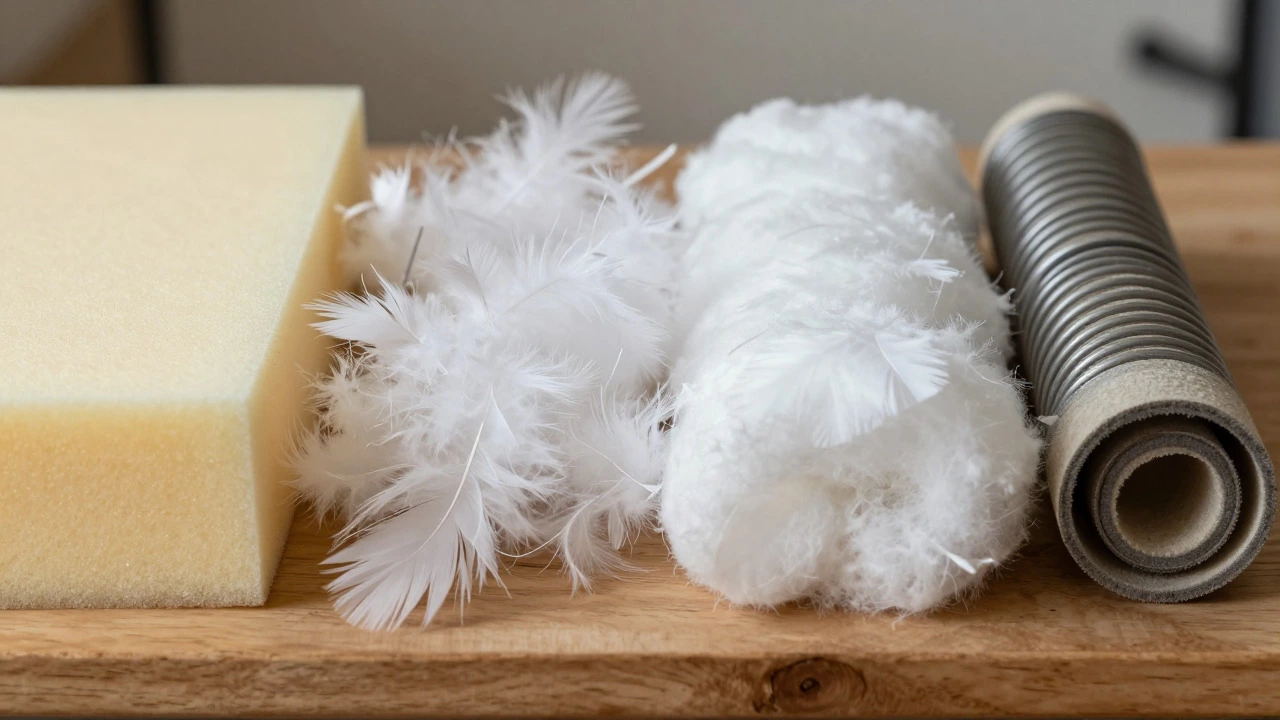
To decide if a replacement is viable, you need to know what you are dealing with. Most modern couch cushions consist of three layers: the outer fabric cover, the inner filling (usually foam), and sometimes a batting layer for softness. Older or higher-end sofas might use down feathers, fiberfill, or even innerspring coils wrapped in fabric.
| Material | Average Lifespan | Feel | Cost to Replace |
|---|---|---|---|
| High-Density Polyurethane Foam | 5-7 years | Firm, supportive | Low ($) |
| Down Feather Blend | 10+ years (with fluffing) | Soft, plush | Medium ($$) |
| Polyester Fiberfill | 3-4 years | Soft, cheap | Very Low ($) |
| Innerspring Core | 10-15 years | Bouncy, durable | High ($$$) |
If your cushion feels hard and unyielding, the foam has likely compressed permanently. If it feels flat and thin, the material may have degraded. Identifying the material helps you estimate the cost of materials versus buying new covers or inserts.
When Replacement Makes Financial Sense
Let’s talk numbers. A mid-range three-seater sofa can cost anywhere from $800 to $2,500. High-end custom pieces go well beyond that. Replacing just the seat cushions usually costs between $150 and $400, depending on whether you buy pre-made inserts or get them custom-tailored. This is a fraction of the price of a new sofa.
Consider this scenario: You have a solid hardwood-framed sofa with high-quality leather or durable linen upholstery. The structure is sound, but the seats are sagging. In this case, replacing the cushions is a no-brainer. You extend the life of a valuable asset by five to ten years for a small investment. However, if your sofa is an IKEA-style particleboard model that you bought for $400 five years ago, spending $300 on new cushions might not make sense. At that point, the total value of the restored sofa barely exceeds the cost of a brand-new one.
Ask yourself these questions:
- Is the frame sturdy? Push down on the arms and sides. Does it wobble or creak excessively?
- Are the armrests intact? Sagging arms often indicate structural failure beyond just the seat cushions.
- Do you love the style? If you’re tired of the look, new cushions won’t fix that.
DIY vs. Professional Restoration
You have two main paths here: doing it yourself or hiring a professional upholsterer. Each has its own set of pros and cons.
The DIY Route
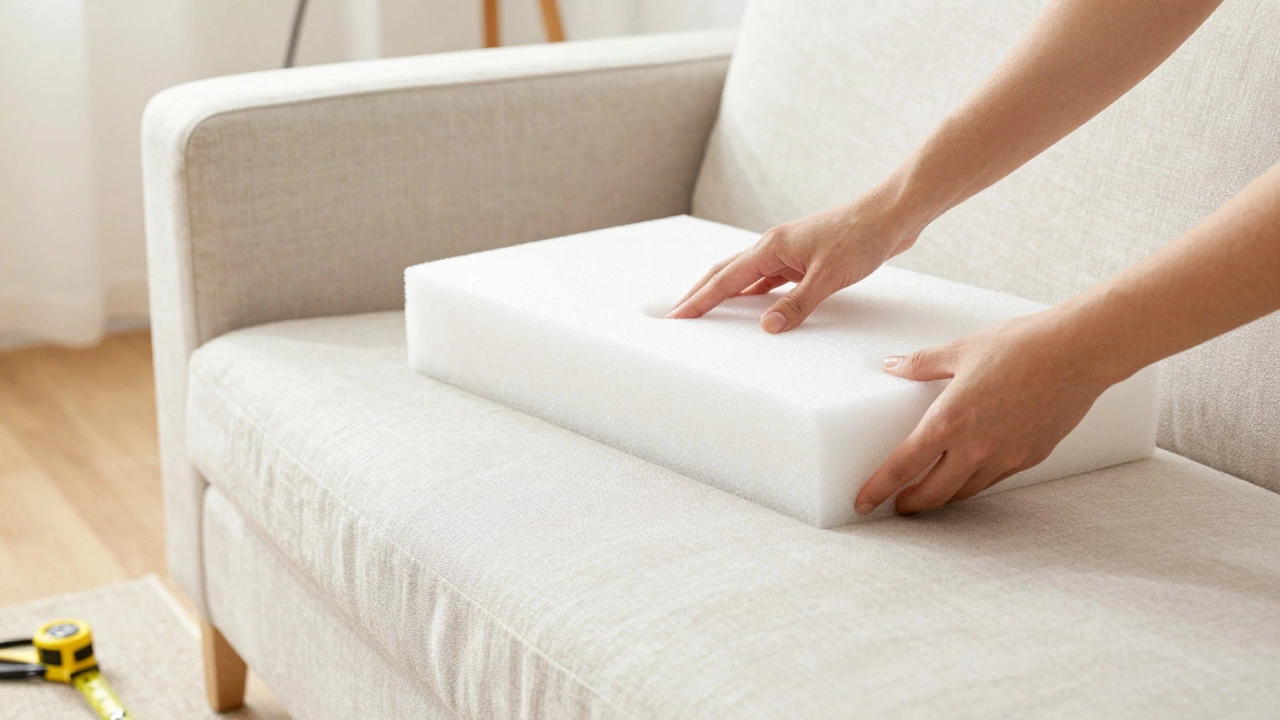
If you have basic sewing skills and access to a foam cutter (or a local hardware store that cuts foam), you can replace cushion inserts yourself. This is ideal if your current covers are in good condition. You simply unzip the old covers, remove the dead foam, measure carefully, and insert new foam blocks. Make sure to match the density. Standard residential foam is usually 1.8 to 2.0 pounds per cubic foot. Anything lower will flatten out quickly again.
Buying pre-made cushion inserts online is another option. Sites like Amazon or specialized foam suppliers sell standard sizes. Measure your existing cushions at their widest and deepest points. Keep in mind that foam compresses over time, so your old measurements might be slightly smaller than the original factory size. Adding half an inch to width and depth often restores the original plumpness.
The Professional Route
Hiring an upholsterer is more expensive but guarantees a better fit. Professionals can rebuild the cushion box (the wooden frame inside the sofa base) if it’s cracked. They can also recover the fabric if it’s stained or worn. Expect to pay $50 to $100 per hour for labor, plus materials. For a complex sectional, this can add up fast. However, if your sofa is a vintage piece or made of exotic leather, professional care preserves its resale value.
Signs It’s Time to Ditch the Whole Sofa
Sometimes, replacing cushions is just a band-aid on a broken leg. Here are the red flags that suggest you should start shopping for a new sofa instead:
- Broken Frame: If the wood frame is split or the joints are loose despite tightening screws, the foundation is gone.
- Unfixable Stains: Wine, pet accidents, or deep-set grease stains that haven’t come out after professional cleaning ruin the aesthetic.
- Allergies: Old cushions trap dust mites, mold spores, and pet dander. If you’ve developed allergies since getting the sofa, deep cleaning might help, but replacing the whole unit ensures a fresh start.
- Outdated Style: If the silhouette is awkward or the color clashes with your current decor, new cushions won’t change the overall shape.
How to Maintain New Cushions
Once you’ve invested in new cushions, you want them to last. Here are some practical tips to prolong their life:
- Rotate Regularly: Flip and rotate your cushions every few months. This distributes wear evenly and prevents permanent body impressions.
- Fluff Daily: If you have down or fiberfill cushions, give them a quick shake and fluff each morning. This restores loft and prevents clumping.
- Use Washable Covers: If possible, choose removable, machine-washable covers. Spot clean immediately to prevent stains from setting.
- Avoid Direct Sunlight: UV rays break down foam and fade fabric. Use curtains or blinds to protect your sofa from prolonged sun exposure.
- Vacuum Frequently: Dust and crumbs settle deep into cushions. Vacuum weekly with an upholstery attachment to keep allergens at bay.
Environmental Impact Considerations
In an era where fast furniture floods landfills, repairing is an eco-friendly choice. Throwing away a perfectly good sofa frame because the cushions are flat contributes to waste. According to the EPA, millions of tons of textiles and furniture end up in landfills annually. By refurbishing, you reduce demand for new resources and keep usable materials out of dumps. Even if you only replace the foam, you’re making a greener choice than buying new.
Can I wash couch cushion covers?
It depends on the fabric. Check the care label first. Cotton and polyester blends are often machine washable on a gentle cycle. Dry clean only labels mean you should take them to a professional. Avoid washing delicate fabrics like silk or velvet unless specified. Always air dry to prevent shrinkage.
How much does it cost to refoam sofa cushions?
DIY refoaming costs between $50 and $150 for materials. Professional refoaming ranges from $150 to $400 depending on the number of cushions and foam density. Custom shapes or high-density foam will increase the price.
Why do my couch cushions slide off?
Sliding cushions are common in slipper-style sofas. You can fix this by adding non-slip grippers, Velcro strips, or elastic bands under the cushions. Another solution is to replace the cushions with ones that have a tighter fit or added weight.
Should I replace cushions or buy a new sofa?
Replace cushions if the frame is solid, the fabric is in good condition, and the cost of repair is less than 50% of a new sofa. Buy a new sofa if the frame is broken, there are major stains, or you dislike the style. Consider long-term comfort and durability.
How do I measure for replacement couch cushions?
Measure the length, width, and height of the existing cushion at its largest points. Add half an inch to each dimension to account for compression. Note any special shapes like wedges or rounded corners. Provide these measurements to the supplier or tailor for an accurate fit.