Bathroom Update Budget Calculator
What can you achieve?
See what vintage-style updates are possible within your budget using the article's cost-effective approach. Calculate without replacing original fixtures.
Old-fashioned bathrooms don’t have to feel dated or dull. Many people assume that if your bathroom has clawfoot tubs, porcelain sinks, or checkerboard tiles, it’s stuck in the past. But with the right touches, you can keep that charm while making it feel fresh, clean, and inviting. The key isn’t to tear everything out-it’s to enhance what’s already there.
Start with the fixtures you love
Clawfoot tubs, pedestal sinks, and brass faucets aren’t flaws-they’re character. Don’t replace them. Clean them. Use a mixture of white vinegar and baking soda to remove mineral buildup from brass fixtures. For porcelain, avoid harsh scrubbers. A soft cloth and non-abrasive cleaner will bring back the shine without scratching. If your faucet drips or feels stiff, replace the internal washer or cartridge. That’s it. You’ve just revived a 1920s fixture without spending a fortune.
Swap out outdated hardware
Those cheap, plastic towel bars and toilet paper holders from the 90s? They’re the real eyesores. Replace them with vintage-style brass or oil-rubbed bronze. Look for pieces with simple lines, fluted details, or scrollwork. You can find reproductions that match original designs from the 1910s to 1940s. A new towel bar costs under $40, but it makes the whole room feel intentional. Same goes for drawer pulls on vanity cabinets. Even if your vanity is laminate, new hardware gives it a custom look.
Use color wisely
Old bathrooms often have white or beige walls, which is fine-but boring. Add depth with soft, muted tones. Sage green, dusty blue, or warm gray work beautifully with vintage fixtures. Paint the walls, not the tiles. If you have original tile, leave it alone. It’s part of the charm. Instead, paint the trim, the ceiling, or even the inside of a medicine cabinet for a surprise pop. A single accent wall behind the tub or sink adds focus without overwhelming the space.
Upgrade lighting with period-appropriate fixtures
Fluorescent ceiling lights kill the mood. Replace them with wall sconces or a pendant that looks like it came from a 1920s hotel. Look for frosted glass shades, brass arms, or enamel finishes. LED bulbs inside vintage fixtures give you the warmth of incandescent light without the heat or energy waste. A dimmer switch makes it even better-you can lower the light for a relaxing bath or brighten it for shaving or applying makeup. Lighting does more than illuminate. It sets the tone.

Choose bathroom accessories that tell a story
This is where most people miss the mark. Don’t buy plastic soap dispensers or generic shower curtains. Go for pieces that match the era. A ceramic soap dish with a hand-painted floral pattern. A glass toothbrush holder with a brass base. A woven cotton bath mat in a neutral tone. Even a vintage-style mirror with a carved wooden frame makes a difference. The right accessories don’t just function-they complete the story. Keep it simple. Three or four well-chosen items look better than a shelf full of clutter.
Bring in texture and warmth
Hard surfaces like tile and porcelain can feel cold. Add softness with a few key textiles. A thick, absorbent cotton towel in a soft gray or cream. A small rug under the sink with a subtle geometric pattern. A linen shower curtain instead of vinyl. These materials feel richer and last longer. Wash them often. Fresh linens make even the smallest bathroom feel spa-like. Don’t forget a small basket for extra towels-it adds storage and style at the same time.
Declutter and organize
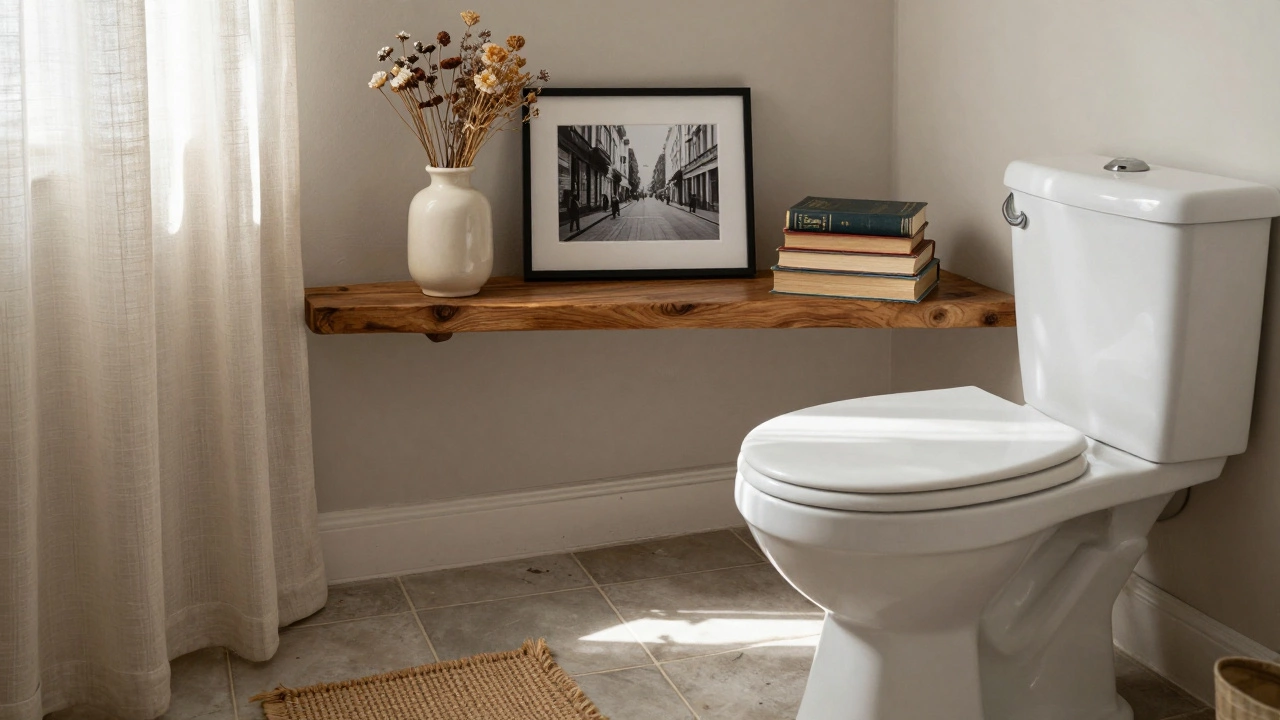
Clutter kills charm. Old bathrooms often have too many bottles, boxes, and random items on the counter. Use a tray to corral soap, lotion, and candles. A wooden tray with raised edges keeps things tidy. If you need more storage, install a small floating shelf above the toilet or beside the mirror. Keep it open-no cabinet doors. Display a few pretty items: a small plant, a ceramic vase, a stack of vintage books. It’s not storage. It’s curation.
Don’t forget the little details
Small things make the biggest difference. A scented candle in a glass jar. A single fresh flower in a tiny vase. A framed black-and-white photo of an old city street. A soap dispenser that looks like a perfume bottle. These aren’t decorations-they’re experiences. They turn a bathroom from a functional room into a quiet retreat. And if you have a window, hang a simple linen curtain. Natural light and a breeze change everything.
What not to do
Don’t go full modern. No sleek glass shower enclosures. No floating vanities with LED strips. No matte black everything. Those styles fight against the old-school vibe. Don’t cover up original tile with vinyl flooring. Don’t paint over stained glass windows. Don’t replace brass with chrome unless you’re going for a full 1980s look-and even then, it’s not better. Respect the bones. Work with them.
Real example: a 1927 bathroom turned inviting
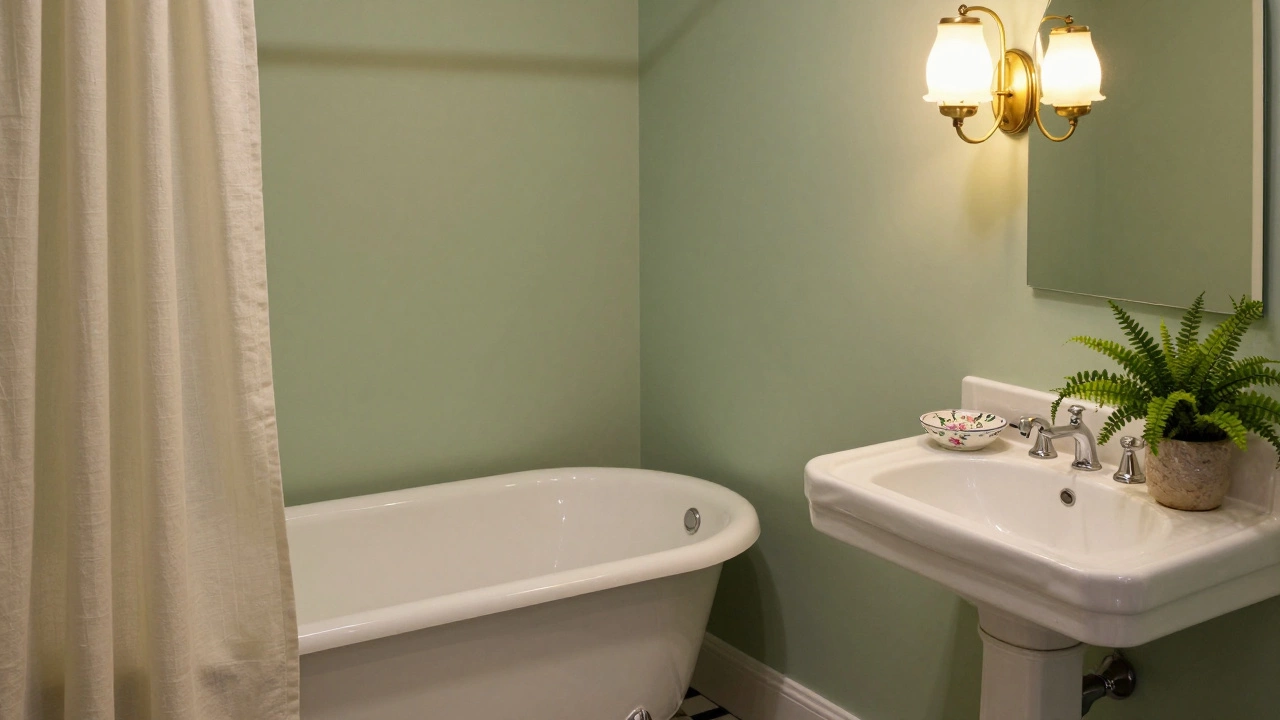
One homeowner kept the original white tile floor, clawfoot tub, and pedestal sink. She painted the walls a soft sage green. Replaced the plastic towel bar with a brass one from an antique dealer. Added a vintage-style wall sconce with a frosted glass shade. Swapped out the shower curtain for a linen one with a subtle stripe. Put a ceramic soap dish and a small potted fern on the sink. The total cost? Under $300. The result? Guests ask if she hired a designer.
Final tip: keep it personal
Your bathroom should feel like yours. Not a catalog. Not a showroom. If you love collecting vintage postcards, frame a few and hang them. If you love lavender, keep a small jar of dried flowers nearby. If you read in the tub, add a small wooden book holder. These aren’t trends. They’re habits that make the space yours. That’s what makes an old-fashioned bathroom look nice-not perfection-but personality.
Can I paint over old bathroom tiles?
It’s possible, but not recommended for floors or shower areas. Tile paint tends to chip or peel in wet zones. If you want to change the look, stick to painting walls, trim, or cabinets. For tiles, clean them thoroughly and seal them with a high-quality grout sealer instead. It’s cheaper and lasts longer.
What’s the best way to clean brass fixtures?
Mix equal parts white vinegar and salt to make a paste. Rub it gently on the fixture with a soft cloth, then rinse and dry immediately. Avoid commercial brass cleaners-they often contain ammonia, which can damage the finish over time. For light tarnish, a microfiber cloth and a little olive oil work wonders.
Should I replace my old bathtub?
Only if it’s cracked or leaking. A well-maintained clawfoot or cast iron tub can last 100 years. Refinishing costs less than $500 and looks better than a new acrylic tub. Plus, old tubs hold heat longer and feel more substantial. Keep it. It’s one of the most valuable features in an old bathroom.
Where can I find vintage-style bathroom accessories?
Check local antique shops, Etsy, eBay, and architectural salvage yards. Many companies now make reproduction hardware that matches early 20th-century designs. Look for brands like Rejuvenation, Schoolhouse, or Restoration Hardware’s vintage line. Avoid mass-market stores-they rarely carry authentic details.
How do I make a small old bathroom feel bigger?
Use light colors on walls, keep clutter off counters, and install a large mirror. A mirror that reaches from the vanity to the ceiling doubles the sense of space. Use clear glass shower doors instead of curtains if possible. Stick to one or two materials-don’t mix too many textures. Simplicity makes rooms feel larger.