One-Day Decluttering Planner
Complete tasks to fill the bar.
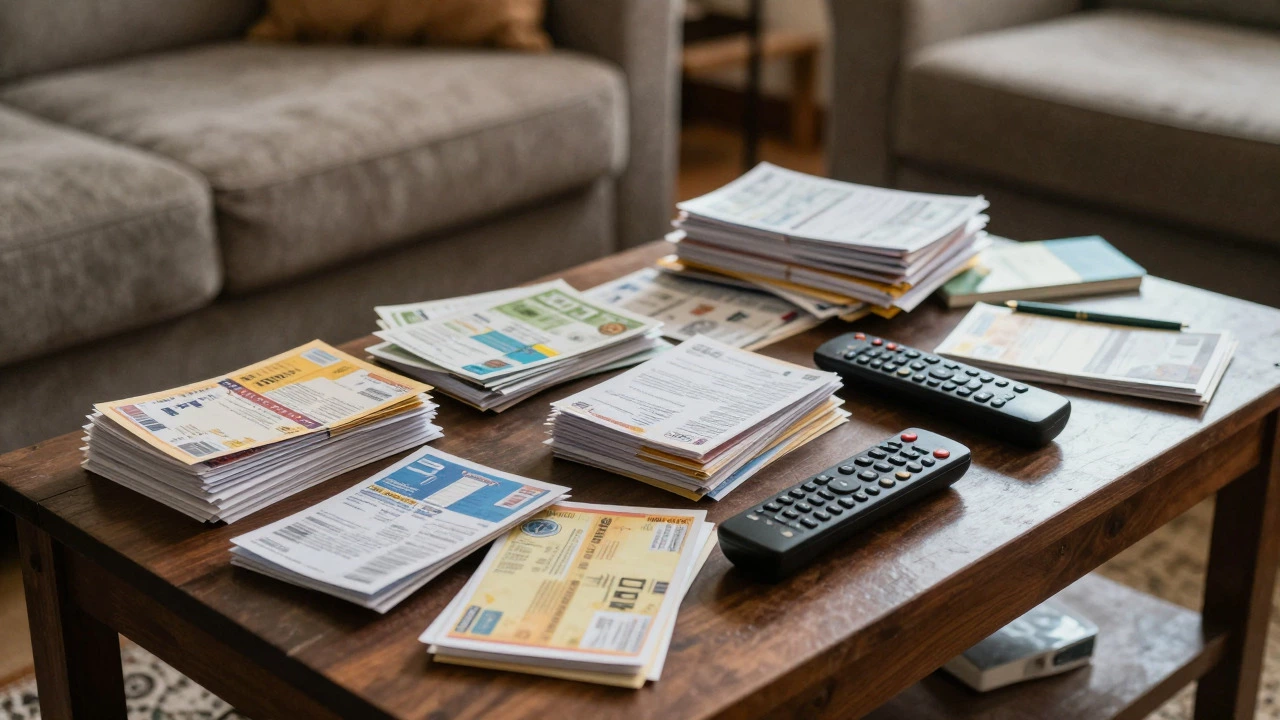
Look around your living room right now. Do you see a stack of mail on the coffee table? Is there a pile of laundry draped over that chair you’ve been meaning to sit in? If yes, you’re not alone. Most of us accumulate stuff faster than we can sort it. But here’s the good news: you don’t need a month-long project to get your life back in order. You can tackle the chaos in just twenty-four hours.
This isn’t about achieving magazine-perfect minimalism. It’s about clearing the mental fog and physical tripping hazards so you can actually breathe in your own home. By following a strict timeline and using smart storage solutions are tools and systems designed to organize household items efficiently, you can transform your space from overwhelming to manageable before bedtime.
The Rules of Engagement for a One-Day Reset
Before you touch a single sock, you need a strategy. Trying to clean every corner with equal intensity is a recipe for burnout by noon. Instead, focus on high-impact areas and ruthless decision-making. The goal is progress, not perfection.
Start by gathering your supplies. You’ll need three large trash bags, one box labeled "Donate," and one bin for "Relocate" (items that belong in other rooms). Keep these visible. When you find something out of place, its destination should be obvious. This simple visual cue prevents the common mistake of putting things down "just for a second," which usually means they never move again.
Set a timer. Yes, really. Working in timed bursts keeps your energy up and prevents you from getting stuck analyzing whether you still need that souvenir mug from 2019. If you hesitate for more than ten seconds, toss it. Speed is your friend here.
Morning Blitz: The High-Traffic Zones
Begin your day where the clutter is most visible and disruptive: the kitchen and living room. These are the spaces you use daily, and clearing them creates an immediate sense of accomplishment.
In the kitchen, start with the countertops. Everything that doesn’t serve a daily function goes into the sink or dishwasher first. Then, look at what’s left. Do you use that blender twice a year? Does the toaster take up prime real estate? If an appliance hasn’t been used in the last month, it belongs in the donate box or deep storage. Clear counters make cooking easier and reduce stress during meal prep.
Move to the living room. Pick up anything that doesn’t belong there-kids’ toys, mail, books-and put it in the "Relocate" bin. Now, look at the surfaces. Coffee tables should be clear except for maybe one decorative item. Bookshelves? Remove anything you haven’t read in two years. Be honest. If you’re keeping it "just in case," you probably won’t read it anyway. Sell it, donate it, or recycle it.
Midday Deep Dive: Bedrooms and Closets
By mid-morning, you’ll have momentum. Channel that energy into your bedroom. This is your sanctuary, and clutter here directly impacts your sleep quality. Start with the bed. Strip the sheets and wash them immediately. A fresh bed signals a fresh start.
Now, tackle the closet. This is often the hardest part because clothes are emotional. Try the hanger trick: turn all your hangers backward. As you wear items and return them, hang them normally. At the end of six months, anything still hanging backward goes to charity. For today’s one-day sprint, pull out anything that doesn’t fit, is stained beyond repair, or hasn’t been worn in the last season. Don’t try to fold everything perfectly. Just clear the floor and create breathing room.
Under the bed is another hotspot. If you’re using it for storage, ensure boxes are labeled and accessible. Random piles of shoes or old cables contribute to visual noise. Use under-bed storage containers to keep these items hidden but organized.
Afternoon Sweep: Bathrooms and Offices
Bathrooms accumulate small clutter quickly: expired medications, empty bottles, and tangled cords. Check medicine cabinets and shower shelves. Throw away anything past its expiration date. Group similar items together-toiletries, makeup, first aid. Using clear bins helps you see what you have without opening every drawer.
If you work from home, your office needs attention too. Clear your desk surface. File papers into "Action," "Reference," or "Shred." Digital clutter counts too. Spend fifteen minutes organizing your computer desktop and deleting old screenshots. A clean digital workspace reduces cognitive load just as much as a clean physical one.
Evening Polish: Final Touches and Maintenance
As the day winds down, do a final walk-through. Vacuum floors, wipe surfaces, and take out the trash and donation boxes. Seeing your home empty of waste is incredibly satisfying. It reinforces the habit and makes you want to maintain the order.
To keep this new level of tidiness, adopt the "one in, one out" rule. For every new item you bring into the house, remove one old one. This prevents future buildup. Also, spend five minutes each evening resetting your main living areas. Put away dishes, fluff pillows, and clear surfaces. Small daily efforts prevent the need for massive monthly purges.
| Room | Focus Area | Action Items | Time Estimate |
|---|---|---|---|
| Kitchen | Countertops & Cabinets | Remove unused appliances, expire food, group utensils | 45 mins |
| Living Room | Surfaces & Storage | Clear coffee table, sort books, hide cords | 30 mins |
| Bedroom | Closet & Bed | Strip sheets, remove unworn clothes, clear nightstand | 60 mins |
| Bathroom | Shelves & Drawers | Discard expired meds, organize toiletries, clean mirrors | 30 mins |
| Office | Desk & Files | File papers, delete digital junk, organize pens | 30 mins |
Smart Storage Solutions to Keep Clutter at Bay
Decluttering is only half the battle. Without proper storage, mess returns quickly. Investing in the right tools makes maintenance effortless.
Use vertical space. Wall-mounted shelves free up floor space and keep items visible. In closets, install double rods to separate long and short garments. Under-shelf baskets add extra layers for folded items like sweaters or towels.
Label everything. It sounds tedious, but labels save time. When everyone in the household knows exactly where things go, misplacement drops significantly. Use a label maker or simple masking tape and a marker.
Choose transparent containers for pantry items and craft supplies. Being able to see contents prevents duplicate purchases and makes it easy to spot when you’re running low. Uniform bins also create a visually pleasing aesthetic, reducing the "cluttered" look even when items are stored.
Common Pitfalls to Avoid
Don’t try to do it all alone if you live with others. Assign specific zones to each person. Collaboration speeds up the process and distributes the effort. Also, avoid sentimental paralysis. Take photos of meaningful items you decide to let go of. This preserves the memory without keeping the object.
Finally, don’t buy new storage containers until you’ve decluttered. Many people buy pretty bins, fill them with unnecessary items, and then store the bins themselves. That’s not organization; that’s just moving clutter around. Purge first, then invest in solutions for what remains.
How long does it really take to declutter a whole house?
For a thorough one-day reset, plan for 8-10 hours of active work. Break it into focused sessions with short breaks to maintain energy. Smaller homes may take less time, while larger properties might require prioritizing key areas rather than every single room.
What should I do with donated items?
Schedule a pickup or drop-off within 48 hours of your decluttering session. Leaving donation boxes in your garage for weeks defeats the purpose. Many charities offer free curbside pickup services, making disposal easy and convenient.
Is it better to declutter room by room or category by category?
For a one-day challenge, room-by-room is more efficient. Category-based methods (like all books everywhere) require moving between spaces repeatedly, which slows progress. Stick to completing one zone fully before moving to the next to build momentum.
How do I handle sentimental items quickly?
Set a strict time limit for sorting sentimental objects, such as 15 minutes per box. If you can't decide, take a photo and store the item out of sight for a month. If you don't miss it, donate it. Photos preserve memories without occupying physical space.
Can I declutter effectively if I have kids?
Yes, involve them! Make it a game. Let children choose toys to donate and help sort their clothes. Explain that making space allows room for new experiences. Keeping their involvement high ensures they respect the new organizational system.