Sofa Lifespan Estimator
Estimated Lifespan
Select your sofa details to calculate its estimated lifespan.
You sit on it every day. You spill wine on it. The dog jumps on it. Eventually, that sinking feeling in the middle isn't just comfort-it's collapse. So, how long should a good sofa actually last? If you bought something decent from a reputable brand, you are looking at 7 to 15 years. But if you grabbed a flat-pack bargain or a heavy-duty commercial piece, that window shifts dramatically.
There is no single expiration date stamped on the box. A sofa’s life depends entirely on three things: what it is built with, how hard you use it, and whether you fix small problems before they become big ones. Let’s break down exactly what determines if your couch will survive another decade or start sagging next month.
The Frame: The Skeleton of Your Sofa
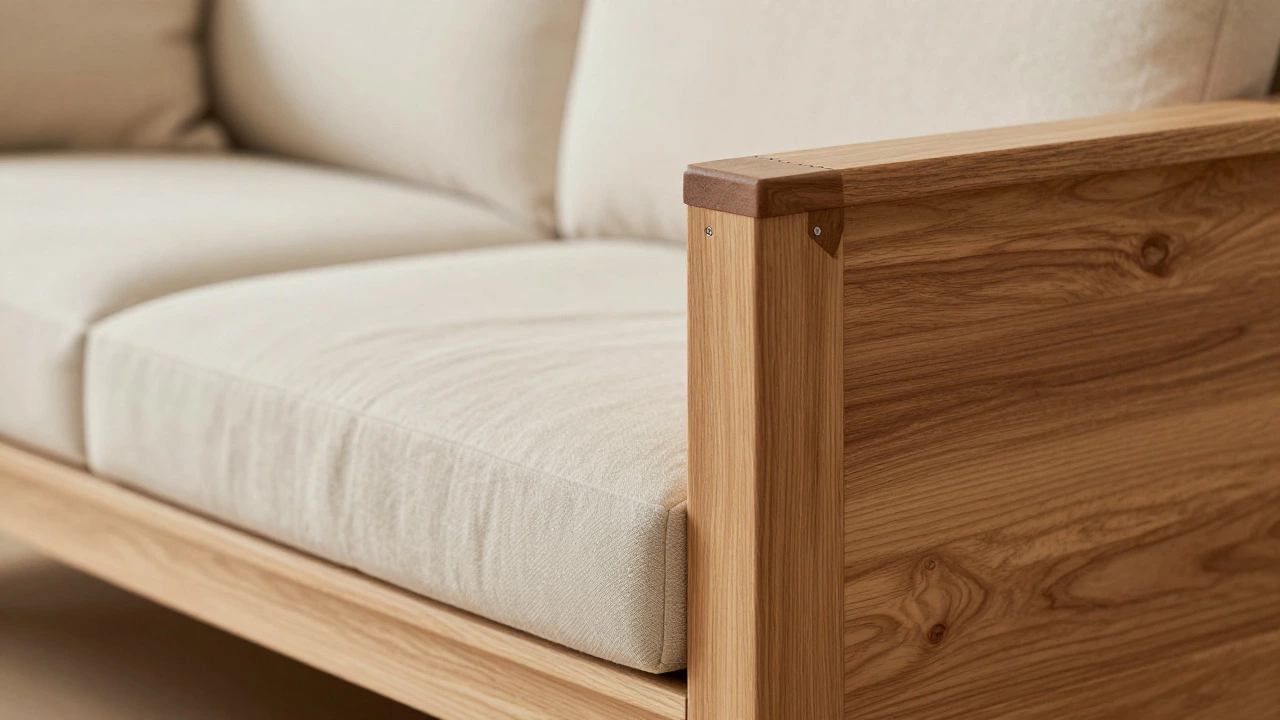
Most people judge a sofa by its fabric, but the frame is what keeps it alive. Think of the frame as the skeleton. If the bones are weak, the body fails. A high-quality sofa uses hardwoods like oak, ash, maple, or beech. These woods are dense, resist warping, and can handle the constant stress of sitting without cracking.
Cheap sofas often use softwoods like pine or even engineered wood (particle board). Pine is fine for a bookshelf, but under the weight of two adults and a sleeping child, it bends. Particle board swells when it gets damp and crumbles when screws loosen. If you lift your sofa and it feels surprisingly light, check the legs. Solid wood frames usually weigh between 80 and 120 pounds for a standard three-seater. If yours weighs less than 60 pounds, you likely have a composite frame that won’t last past five years.
Joinery matters too. Look for dowels reinforced with glue and staples, or better yet, mortise-and-tenon joints. Corner blocks screwed into the corners of the frame add extra stability. Avoid frames held together only by nails or staples; those connections loosen over time, leading to that annoying creaking sound every time you shift your weight.
Cushioning: Why It Sags (And When It’s Normal)
The seat cushion is where most people feel "wear and tear" first. There are three main types of foam used in sofas, and each has a different lifespan:
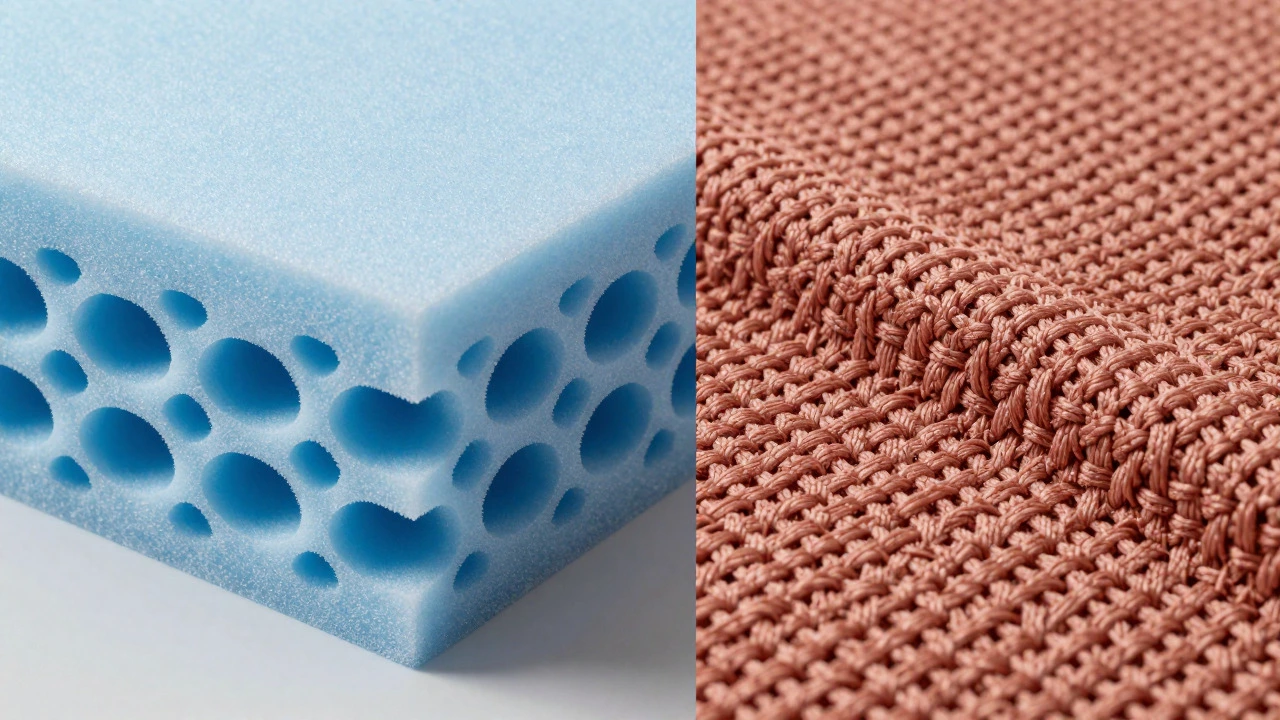
- Polyurethane Foam is the most common material, ranging from low-density budget foam to high-resilience premium foam. Low-density foam (1.5-1.8 lb/ft³) breaks down quickly, losing its shape within 2-3 years. High-density foam (2.0-2.5+ lb/ft³) can last 7-10 years while maintaining support.
- High-Resilience (HR) Foam is a denser, more elastic foam that bounces back faster and resists permanent indentation. This is often found in mid-to-high-end sofas and lasts 10+ years.
- Down and Feather Fill is luxurious and moldable but requires frequent fluffing and loses loft over time. It needs to be topped up every few years to maintain comfort.
A mix of foam and down is popular because it offers the support of foam with the plush feel of feathers. However, this combination requires more maintenance. If you don’t fluff the cushions regularly, the down settles unevenly, creating lumps. Pure foam is lower maintenance but can feel firmer. Remember, some settling is normal in the first six months. True sagging happens when the foam cells collapse permanently, usually after years of compression.
Fabric Durability: Understanding Double Rubs
If the frame is the skeleton and the foam is the muscle, the fabric is the skin. To know how long upholstery will last, you need to understand "double rubs." This is a measure of abrasion resistance-how many times a machine rubs back and forth across the fabric before it wears through.
| Usage Level | Double Rubs | Expected Lifespan | Best For |
|---|---|---|---|
| Light Duty | 9,000 - 15,000 | 3-5 years | Guest rooms, occasional chairs |
| Moderate Duty | 15,000 - 30,000 | 5-10 years | Standard living rooms, daily use |
| Heavy Duty | 30,000 - 50,000+ | 10-20+ years | Families with kids/pets, open-plan living |
| Commercial Grade | 100,000+ | 20+ years | Lounges, waiting areas, heavy traffic zones |
Natural fibers like linen and cotton look great but wear out faster unless treated. Synthetic blends like polyester, nylon, and acrylic are tougher and resist stains better. Microfiber is a standout for pet owners because its tight weave repels hair and dirt. Leather is another option; full-grain leather develops a patina and can last decades, while bonded leather peels and cracks within a few years. Always ask for the double rub count if you want a sofa that survives real life.
Usage Patterns: Who Is Sitting on It?
Your lifestyle dictates the clock. A sofa in a quiet guest room might last 20 years. The same sofa in a busy family living room, where three kids jump on it daily and the dog uses it as a bed, might only make it five.
Weight distribution plays a huge role. If one person always sits on the left side, that side compresses faster. Rotating cushions weekly helps even out the wear. Also, consider who sleeps on the sofa. Overnight sleeping puts continuous pressure on the springs and foam, accelerating breakdown. If your sofa doubles as a bed, expect to replace it sooner-around the 5-year mark instead of 10.
Pets add another layer of complexity. Claws shred fabric, and dander embeds deep into fibers. Even if the structure holds up, the fabric may become unsightly or unhygienic. In these cases, removable, washable covers extend the life significantly. Without them, you’re fighting a losing battle against odors and stains.
Signs Your Sofa Is Dying
Don’t wait until the springs poke through the cushion. Watch for these warning signs:
- Visible Sagging: If you can see a dip in the seat that doesn’t bounce back after standing up, the foam or springs are failing.
- Noises: Creaking, squeaking, or popping sounds indicate loose joints or broken springs.
- Fabric Wear: Pilling, fading, or thinning spots, especially on armrests and seat edges, show heavy abrasion.
- Stains That Won’t Come Out: Deep-set stains can harbor bacteria and odors, making the sofa unpleasant regardless of structural integrity.
- Back Pain: If your back hurts after sitting, the support system has likely collapsed. Comfort isn’t just about softness; it’s about proper alignment.
If you notice any of these, assess whether repair is worth it. Reupholstering costs $1,000-$3,000, while replacing foam inserts might run $200-$500. Sometimes, buying new makes more financial sense.

Extending Your Sofa’s Life: Practical Tips
You don’t have to accept a short lifespan. Simple habits can add years to your sofa’s life:
- Rotate Cushions: Turn them around every week to distribute wear evenly.
- Vacuum Regularly: Remove crumbs and dust that grind into fibers and attract pests.
- Use Throws and Pillows: Protect high-contact areas like arms and backs with washable covers.
- Clean Spills Immediately: Blot, don’t rub. Use appropriate cleaners for your fabric type.
- Keep Away from Sunlight: Direct UV rays fade fabric and dry out leather. Use curtains or move the sofa periodically.
- Check Hardware: Tighten screws and bolts annually. Loose connections lead to wobbles and eventual frame damage.
Investing in a quality slipcover is another smart move. It acts as a sacrificial layer, taking the hit from spills and friction so the original fabric stays pristine underneath.
When to Replace vs. Repair
Not every problem means tossing the sofa. Here’s a quick decision guide:
- Replace if: The frame is cracked, the springs are broken, or the cost of reupholstery exceeds 50% of a new sofa’s price.
- Repair if: Only the cushions are worn (replace foam inserts), minor tears exist (professional stitching or patches), or hardware is loose (tighten or replace screws).
If your sofa is structurally sound but looks tired, a professional cleaning or a fresh coat of paint on wooden legs can revive it. But if the foundation is gone, no amount of cleaning will save it.
How do I know if my sofa frame is solid wood?
Lift the sofa-if it’s heavy (80+ lbs for a 3-seater), it’s likely solid wood. Check the underside for visible grain patterns and joinery like dowels or corner blocks. Softwoods like pine feel lighter and may dent easily. Particle board looks uniform and lacks natural grain.
What is the best fabric for a sofa with pets?
Microfiber and tightly woven synthetics like polyester or olefin are top choices. They resist claws, hide hair, and clean easily. Avoid loose weaves like linen or velvet, which trap fur and snag easily. Leather is also durable but can scratch.
Can I replace sofa cushions myself?
Yes, if your sofa has removable covers. Measure the existing foam dimensions, buy high-density replacement foam, and cut it to size. Insert it into the cover. This costs $100-$300 and restores comfort without replacing the whole sofa.
Why does my sofa sag in the middle?
Sagging usually means the foam has compressed beyond recovery or the springs have weakened. Over time, repeated weight causes cell collapse in foam or metal fatigue in springs. Rotating cushions delays this, but eventually, replacement is needed.
Is it worth repairing an old sofa?
Only if the frame is intact. Replacing foam or reupholstering costs $200-$3,000. If repairs exceed half the price of a new comparable sofa, buying new is smarter. Structural issues like broken frames aren’t worth fixing.