Tableware Material Selector
Select the criteria that best match your needs to find the perfect tableware material.
Recommended Materials:
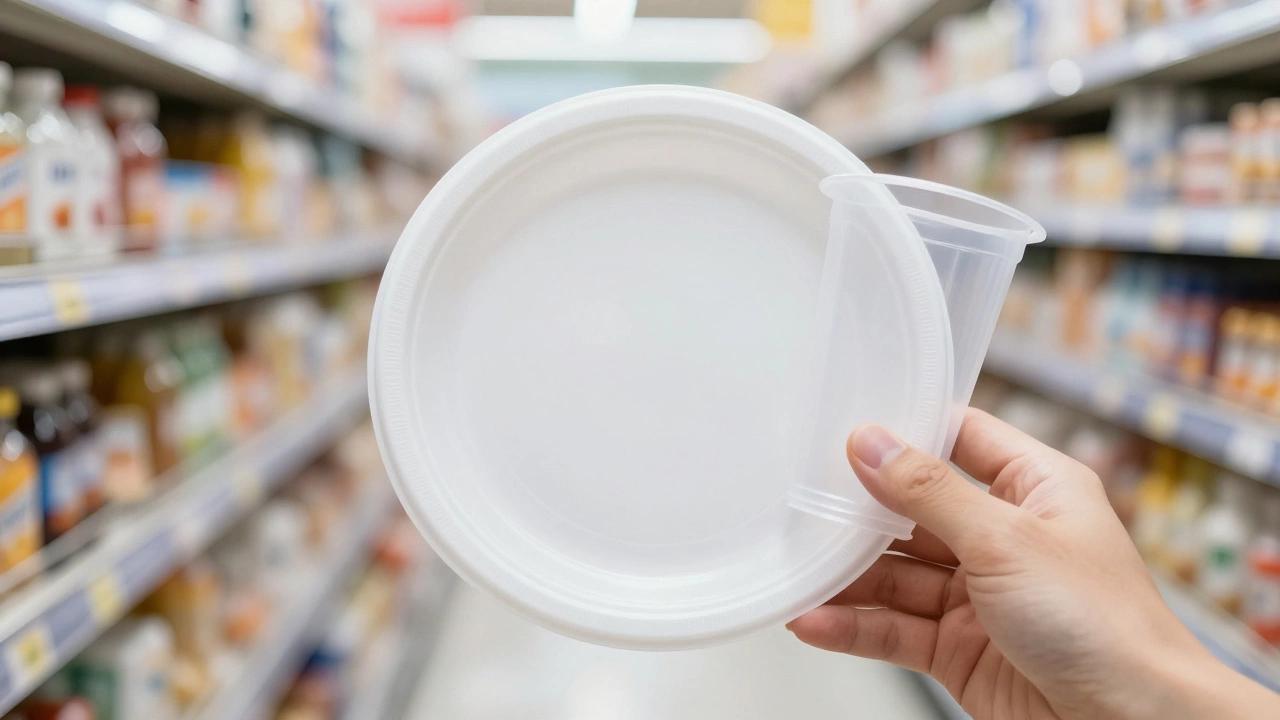
Ever stood in the aisle of a supermarket, staring at stacks of flimsy white discs and thin-walled vessels, wondering what you’re actually buying? You aren’t just looking for "plastic." The industry has specific names for these items based on their material composition, intended use, and durability. Knowing the right terminology helps you avoid melting your food or serving guests with something that looks cheap.
Most people lump everything together as disposable tableware, but that’s only half the story. Some of those plastic plates are designed to be thrown away after one use, while others are meant to last for years. Let’s break down exactly what these items are called, why the distinction matters, and which ones fit your needs.
The Umbrella Term: Disposable Tableware
If you’re planning a backyard BBQ, a picnic, or a quick office lunch, you’re likely looking for what is broadly categorized as disposable tableware. This term covers any dishware intended for single-use or limited-use scenarios. It includes paper, bamboo, molded fiber, and various types of plastic.
When specifically referring to the plastic variety, you’ll often see terms like party supplies or event ware. These are usually made from polystyrene (PS) or polypropylene (PP). They are lightweight, inexpensive, and widely available. However, they have significant limitations. Polystyrene cups and plates can melt if exposed to hot liquids or microwaves, releasing potentially harmful chemicals. If you’re serving cold drinks or room-temperature snacks, standard disposable plastic is fine. But for anything warm, you need to look elsewhere.
Melamine: The Durable "Plastic" Dinnerware
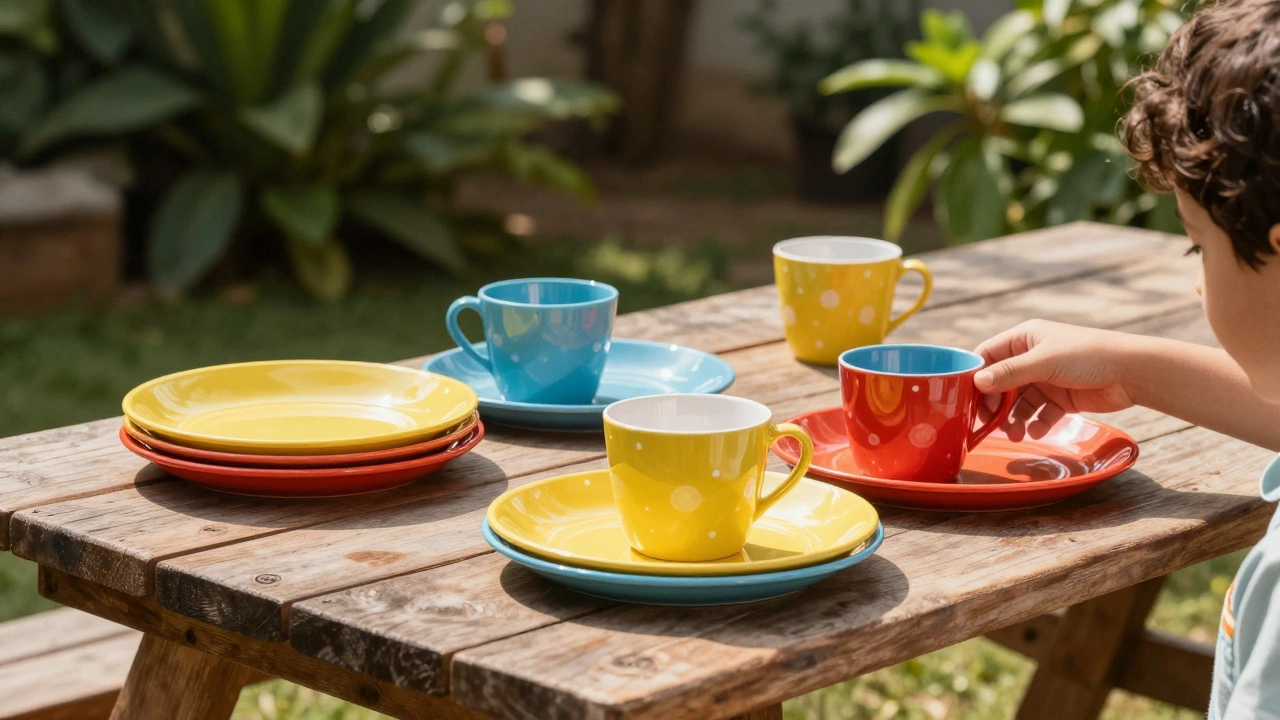
Have you ever used a colorful, unbreakable plate at a child’s birthday party or an outdoor cafe that didn’t feel like it was meant to be tossed? That’s likely melamine dinnerware. Melamine isn’t technically a plastic in the same way a water bottle is; it’s a thermosetting resin formed by the reaction of melamine with formaldehyde. Once cured, it becomes hard, durable, and heat-resistant up to a point.
Melamine plates and cups are often marketed as break-resistant dinnerware or outdoor dining sets. They are popular for families with young children because they don’t shatter when dropped. Unlike disposable plastics, melamine can be washed and reused hundreds of times. However, there’s a catch: melamine is not microwave-safe. Heating it can cause the resin to break down and leach chemicals into your food. It’s also not dishwasher-safe in many cases, as high heat and harsh detergents can degrade the surface over time, leading to discoloration and bacterial buildup.
| Material Type | Common Name | Heat Resistance | Reusability | Best For |
|---|---|---|---|---|
| Polystyrene (PS) | Disposable Foam/Plastic | Low (Melts >70°C) | Single-use | Cold parties, picnics |
| Polypropylene (PP) | Rigid Disposable Plastic | Medium (Microwave safe) | Single-use or limited reuse | Hot meals, takeout containers |
| Melamine Resin | Melamine Dinnerware | High (Not microwave safe) | Reusable | Kids’ meals, outdoor dining |
| BPA-Free Tritan | Clear Plastic Glassware | High | Reusable | Indoor/outdoor entertaining |
Polypropylene: The Microwave-Safe Option
If you need plastic that can handle heat without warping, you’re looking for polypropylene, often abbreviated as PP. Unlike polystyrene, polypropylene has a higher melting point and is generally considered safe for microwave use. You’ll find PP in many takeout containers, deli tubs, and some reusable lunch boxes.
In the context of cups and plates, PP is often labeled as microwave-safe plastic or heat-resistant disposables. It’s stiffer than PS and doesn’t have that foamy texture. While it’s still primarily designed for single-use, its durability means it can sometimes be reused a few times before degrading. Always check for the recycling symbol with the number 5 inside the triangle-this indicates polypropylene.
BPA-Free and Tritan: The Premium Reusable Plastics
For those who want the convenience of plastic without the environmental guilt or health concerns, BPA-free plastics are the go-to. Bisphenol A (BPA) is a chemical used in making certain plastics and resins that has been linked to health issues. Modern manufacturers have largely moved away from BPA, opting for alternatives like Tritan copolyester.
Tritan is a type of plastic known for its clarity, durability, and resistance to staining and odors. It’s often used in clear plastic glasses and reusable dinnerware sets for cafes and homes. Tritan cups and plates look almost like glass but won’t break if dropped. They are dishwasher-safe and microwave-safe, making them a versatile option for everyday use. If you’re buying reusable plastic tableware, look for the term Tritan or BPA-free on the packaging.
Eco-Friendly Alternatives: Bioplastics and Compostables
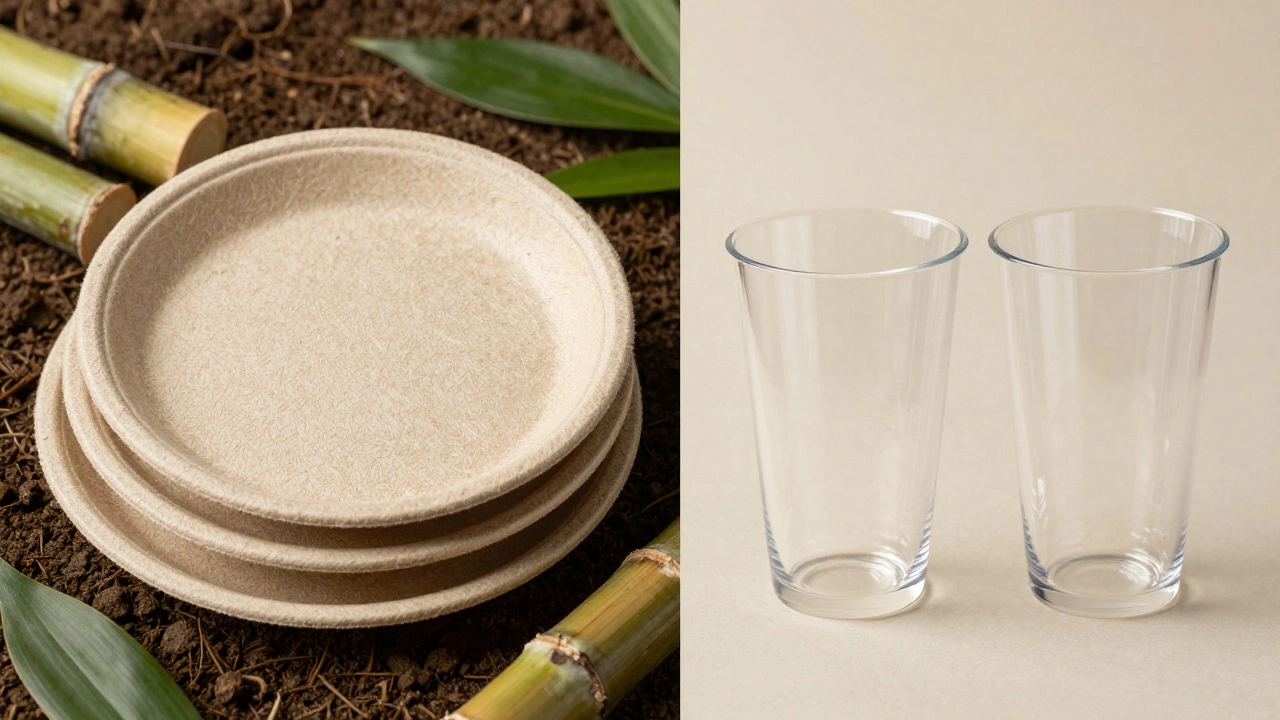
With growing awareness of plastic pollution, the market has shifted toward biodegradable tableware. These aren’t traditional plastics but are often grouped with them due to their similar appearance and function. Key materials include:
- PLA (Polylactic Acid): Made from corn starch or sugarcane, PLA is a bioplastic used for clear cups and plates. It’s compostable but only in industrial composting facilities, not in home gardens. It can melt if exposed to temperatures above 60°C (140°F).
- Bamboo Fiber: Often blended with other materials to create sturdy, eco-friendly plates and bowls. These are marketed as compostable dinnerware and are a great alternative to traditional plastic for outdoor events.
- Sugarcane Bagasse: A byproduct of sugar production, bagasse is molded into plates and containers. It’s sturdy, grease-resistant, and fully compostable. You’ll often see this in eco-conscious takeout packaging.
When shopping for these, look for certifications like OK Compost or BPI Certified to ensure they truly break down as claimed. Without proper disposal, even bioplastics can contribute to landfill waste.
How to Choose the Right Type for Your Needs
Selecting the right plastic cups and plates depends on three main factors: temperature, reusability, and environmental impact.
- Temperature: If you’re serving hot soup or coffee, avoid polystyrene and standard PLA. Opt for polypropylene (for disposables) or Tritan/melamine (for reusables). Never put melamine in the microwave.
- Reusability: For one-time events like weddings or large parties, disposable options save time on cleanup. For daily family meals or frequent gatherings, invest in durable melamine or BPA-free Tritan sets.
- Environmental Impact: If sustainability is a priority, choose compostable options like bagasse or bamboo fiber. Ensure you have access to industrial composting services, or opt for reusable plastics to minimize waste.
Understanding these distinctions ensures you serve your guests safely and responsibly. Whether you’re hosting a casual get-together or a formal event, knowing what you’re buying prevents awkward moments with melted plates and soggy cups.
Are all plastic plates safe for the microwave?
No. Only plastics labeled as "microwave-safe," typically polypropylene (PP), are safe for heating. Polystyrene (PS) and melamine should never be microwaved as they can melt or release harmful chemicals.
What is the difference between melamine and regular plastic?
Melamine is a hard, durable resin used for reusable dinnerware, while "regular plastic" often refers to lighter, disposable materials like polystyrene or polypropylene. Melamine is not microwave-safe, whereas some polypropylene plastics are.
Can I recycle disposable plastic cups and plates?
Generally, no. Most curbside recycling programs do not accept food-contaminated disposable plastics. Check with your local waste management authority, but most will need to go to general waste unless they are part of a specialized recycling scheme.
Is biodegradable plastic really better for the environment?
Yes, but only if disposed of correctly. Materials like PLA require industrial composting facilities to break down. If thrown in a landfill, they may not decompose properly. Reusable options often have a lower long-term environmental impact.
What does the number 5 inside the recycling triangle mean?
The number 5 indicates the plastic is made from polypropylene (PP). This type of plastic is heat-resistant and often safe for microwave use, unlike polystyrene (number 6) or PVC (number 3).