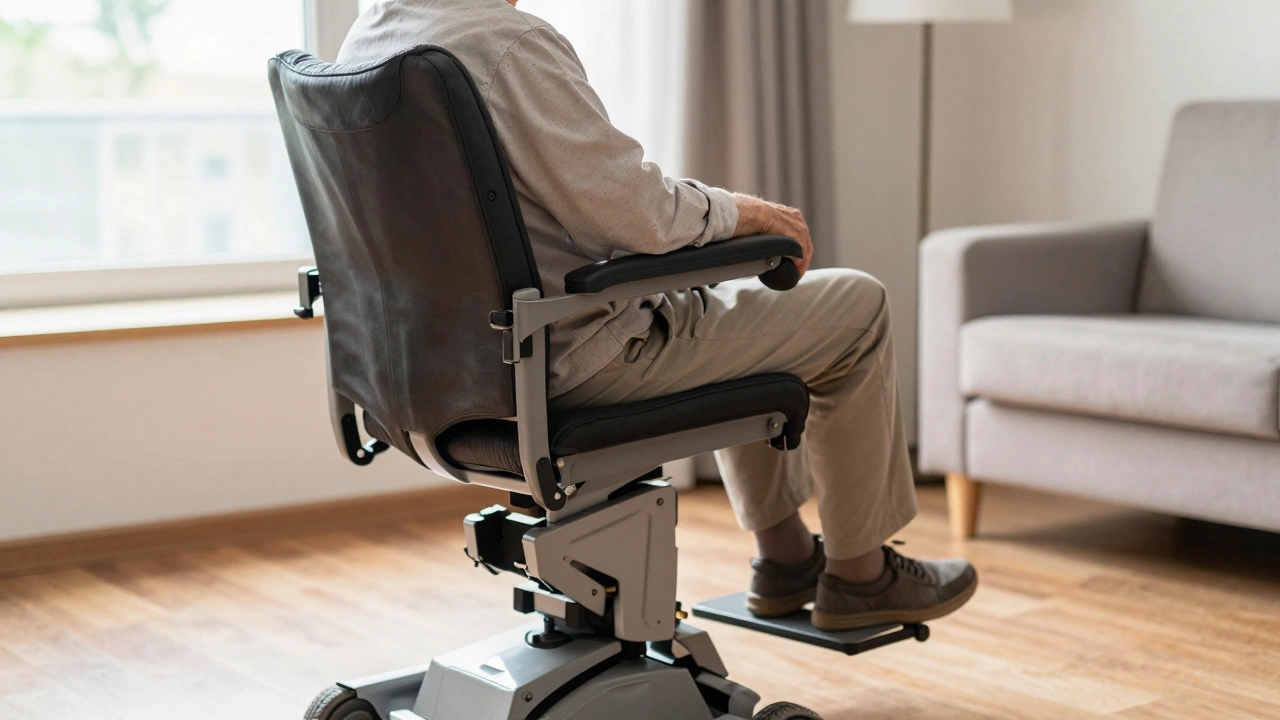
Medicare Lift Chair Cost Estimator
Calculate your estimated out-of-pocket cost for a Medicare-covered lift chair in 2026.
Input Parameters
Estimated Out-of-Pocket Cost
Imagine trying to stand up from your favorite armchair after a long day. For many people, it’s a simple motion. But if you have arthritis, hip pain, or limited mobility, that single action can feel like climbing a mountain. This is where a lift chair-often called a power recliner or electric lift chair-comes in. It uses an electric motor to gently raise you to a standing position. But before you buy one, the big question looms: Will Medicare pay for it?
The short answer is yes, but with significant caveats. Medicare does not cover every lift chair you see at a furniture store. In fact, most of them are excluded. To get coverage, you need a specific type of chair that meets strict medical criteria, prescribed by a doctor, and purchased from a supplier that accepts Medicare assignment. If you miss any of these steps, you could be on the hook for thousands of dollars.
This guide breaks down exactly what Medicare covers, what it doesn’t, and how to navigate the paperwork so you don’t waste money. We’ll look at the difference between a "medical" lift chair and a standard recliner, the costs involved under Part B, and what happens if you live in a state with a Medicaid waiver.
What Exactly Is a Lift Chair Under Medicare?
To understand coverage, you first need to understand how Medicare classifies these devices. Medicare doesn’t view a lift chair as "furniture." Instead, it categorizes eligible models as Durable Medical Equipment (DME). DME includes items like wheelchairs, walkers, and hospital beds. For a lift chair to qualify as DME, it must meet three non-negotiable rules:
- It must be medically necessary. You cannot use it just because it’s comfortable. Your doctor must document that you have a physical condition that prevents you from sitting down or standing up safely without assistance.
- It must be used in the home. Medicare Part B only covers DME for use in your primary residence. It won’t cover a lift chair for a nursing home or assisted living facility unless specific exceptions apply.
- It must be durable and reusable. It needs to be able to withstand regular use over time. A flimsy plastic chair won’t cut it.
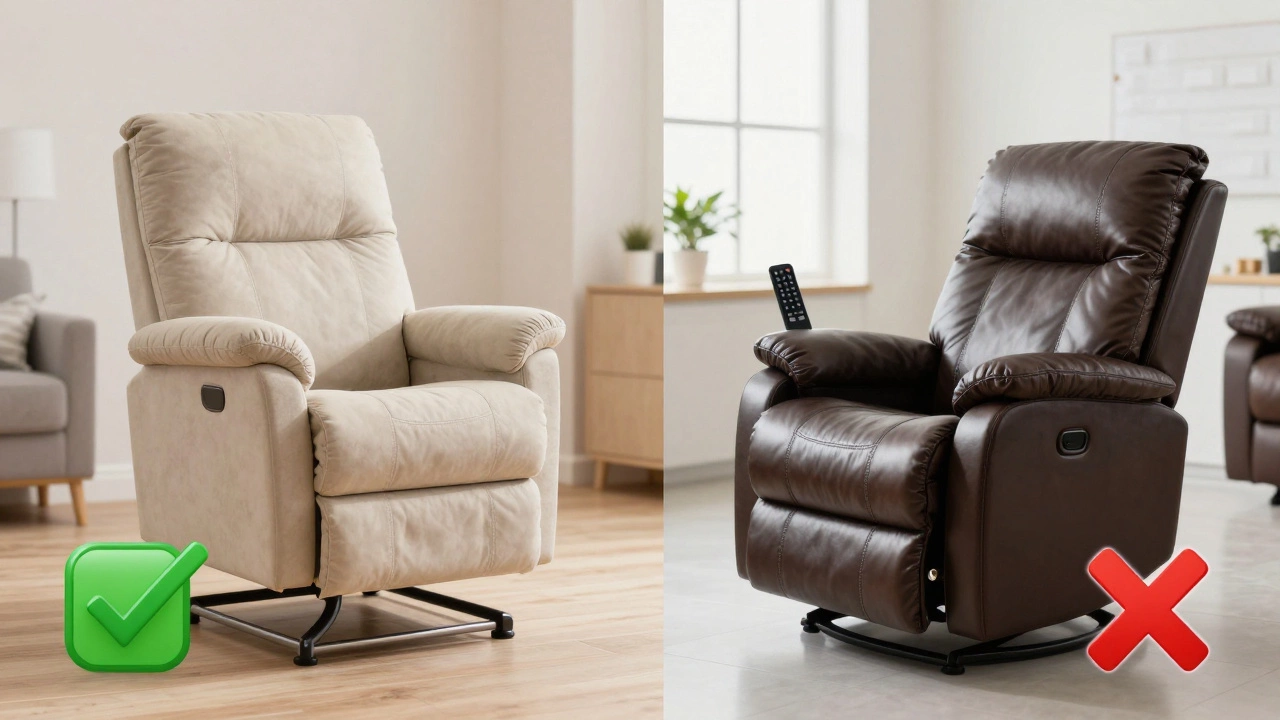
If your chair has a massage feature, heating pads, or premium leather upholstery, those extras are considered "comfort features," not medical necessities. Medicare will not pay for them. In many cases, adding these features disqualifies the entire unit from coverage because the device is no longer strictly medical.
Medicare Part B: The Rules for Coverage
Medicare Part B is the part of Original Medicare that covers outpatient care and DME. Here is how the math works when you qualify for a lift chair:
- The Deductible: Before Medicare pays anything, you must meet your annual Part B deductible. As of 2026, this deductible is $280. If you haven’t met this yet, you pay the full cost of the chair until you do.
- The Coinsurance: Once the deductible is met, Medicare pays 80% of the "Medicare-approved amount" for the chair. You are responsible for the remaining 20%.
- Supplier Assignment: This is critical. You must buy the chair from a supplier who "accepts assignment." This means they agree to charge no more than the Medicare-approved rate. If you buy from a supplier who doesn’t accept assignment, you could pay significantly more than 20%, and Medicare won’t help you negotiate the difference.
Let’s say the Medicare-approved amount for your specific lift chair model is $2,000. After meeting your deductible, Medicare would pay $1,600 (80%), and you would pay $400 (20%). However, if the retailer charges $3,000 for the same chair and doesn’t accept assignment, you might end up paying much more out of pocket.
What Medicare Does NOT Cover
This is where most people get burned. Medicare explicitly excludes certain types of lift chairs. If your prescription or purchase falls into any of these categories, expect to pay 100% out of pocket:
- Standard Recliners: A manual recliner or a basic electric recliner that doesn’t have a dedicated "lift" mechanism to assist with standing is not covered. It’s considered furniture.
- Comfort Features: As mentioned, massage, heat, cooling, or USB charging ports are not medically necessary. If the chair has these, Medicare may deny the claim entirely or only cover the base model, leaving you to pay for the upgrades.
- Non-Medical Necessity: If your doctor writes a prescription saying you "might find it helpful," that’s not enough. The documentation must state that you are unable to sit or stand without substantial risk of falling or injury.
- Rental vs. Purchase: Unlike oxygen concentrators or hospital beds, Medicare rarely rents lift chairs. They usually require a purchase. If a supplier offers rental, it’s often a red flag that the item isn’t properly classified as DME.
The Prescription Process: How to Qualify
You cannot simply walk into a store and ask for a Medicare-covered lift chair. The process starts with your doctor. Here is the step-by-step workflow:
- Doctor’s Evaluation: Your physician must evaluate your mobility issues. They need to document your diagnosis (e.g., severe osteoarthritis, post-surgical recovery, muscular dystrophy) and explain why a lift chair is necessary for your safety.
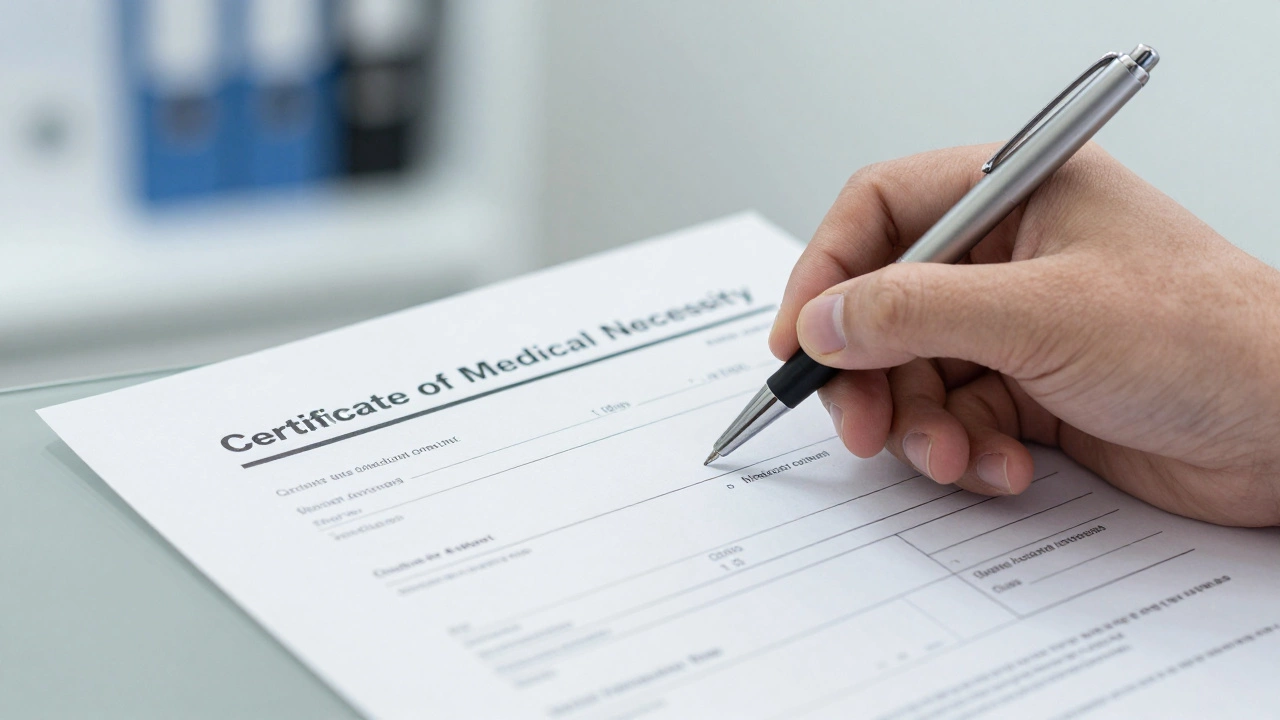
- Certificate of Medical Necessity (CMN): While the old CMN form has been replaced by digital documentation requirements, your doctor still needs to submit detailed records to Medicare. This includes your weight, height, and specific functional limitations. Make sure your doctor knows you want Medicare coverage; otherwise, they might not fill out the required details.
- Choose a Medicare-Approved Supplier: Not all furniture stores sell Medicare-compliant DME. You need to find a supplier that is enrolled in Medicare and specializes in medical equipment. Big-box furniture stores often do not participate in Medicare billing for DME.
- Delivery and Setup: The supplier will deliver the chair to your home. They must ensure it fits through your doorways and works correctly. Keep all receipts and correspondence.
Cost Comparison: Covered vs. Uncovered Models
| Feature | Medicare-Covered Model | Standard Retail Model |
|---|---|---|
| Price Range | $1,500 - $2,500 (Medicare-approved amount) | $800 - $5,000+ |
| Your Out-of-Pocket Cost | 20% coinsurance + deductible | 100% of retail price |
| Features Allowed | Lift mechanism only. No massage/heat. | Massage, heat, leather, USB, remote apps. |
| Prescription Required? | Yes, mandatory. | No. |
| Supplier Type | DME Supplier (Medical Equipment Co.) | Furniture Store, Online Retailer |
Notice the trade-off. The Medicare-covered chair is often plainer, less stylish, and lacks modern amenities. If aesthetics and extra features matter to you, you might prefer a retail model, but you’ll pay the full price. If safety and cost savings are your priority, go the Medicare route.
Alternatives If Medicare Denies Your Claim
Sometimes, despite having a prescription, Medicare denies the claim. This can happen if the reviewer decides your condition doesn’t meet the strict "unable to sit/stand" threshold, or if the chair has minor comfort features that disqualify it. What then?
- Appeal the Decision: You have the right to appeal. Start with a redetermination request within 60 days of the denial. Include additional letters from your doctor explaining why the chair is critical for your independence.
- Medicaid Waivers: If you qualify for both Medicare and Medicaid (dual eligibility), some states offer Home and Community-Based Services (HCBS) waivers. These waivers can sometimes cover personal care aids, including lift chairs, even if Medicare says no. Check with your state’s Medicaid office.
- Private Insurance: Some supplemental Medigap plans or private employer-sponsored insurance plans cover the 20% coinsurance or even the full cost of DME. Check your policy documents.
- Non-Profit Organizations: Groups like the Arthritis Foundation or local Area Agencies on Aging sometimes have grants or low-cost programs for mobility aids.
Common Mistakes to Avoid
I’ve seen too many people lose hundreds of dollars because of small oversights. Here is how to protect yourself:
Don’t buy online without verifying Medicare participation. Amazon, Wayfair, and other major retailers rarely sell Medicare-compliant DME directly. Even if they list a "medicare approved" chair, the seller might not be enrolled in Medicare. Always call the supplier and ask for their Medicare provider number.
Don’t assume your doctor will handle the paperwork. Doctors are busy. They might write a prescription but forget to submit the detailed medical necessity documentation to the DME supplier. Follow up with both your doctor’s office and the supplier to ensure the files are complete.
Don’t ignore the "Assignment" rule. When you sign papers with the supplier, look for the line that says "Accepts Assignment." If they refuse to check that box, walk away. You will likely pay more than you should.
Next Steps: How to Get Started Today
If you think a lift chair could improve your quality of life, start with your primary care physician. Schedule an appointment specifically to discuss mobility issues. Bring a list of times you’ve struggled to stand or fallen. Ask for a referral to a Medicare-enrolled DME supplier.
Once you have the referral, contact 2-3 suppliers in your area. Ask them:
- "Do you accept Medicare assignment?"
- "Can you provide a quote based on the Medicare-approved amount?"
- "Do you handle the medical necessity paperwork with my doctor?"
Compare their answers. Don’t just go with the cheapest option; go with the one that guides you through the process clearly. A good DME supplier acts as a partner, helping you navigate the bureaucracy so you can focus on getting back to your daily routine safely.
How much does Medicare pay for a lift chair in 2026?
Medicare Part B pays 80% of the Medicare-approved amount for the lift chair after you meet your annual deductible ($280 in 2026). You are responsible for the remaining 20% coinsurance. The exact dollar amount depends on the specific model’s approved rate, which typically ranges from $1,500 to $2,500.
Can I buy a lift chair on Amazon and get reimbursed by Medicare?
No. Medicare generally does not reimburse for purchases made from retailers that are not enrolled in the Medicare program. Most large online retailers like Amazon are not enrolled as DME suppliers. You must purchase from a Medicare-participating supplier who accepts assignment.
Does Medicare cover lift chairs with massage or heating features?
No. Medicare considers massage, heating, and cooling features to be "comfort" rather than medical necessities. If a chair includes these features, it is often disqualified from coverage entirely. To get coverage, you must choose a basic model with only the lift mechanism.
What if my doctor says I need a lift chair but Medicare denies it?
You can appeal the decision. Start by requesting a redetermination within 60 days of the denial. Provide additional documentation from your doctor emphasizing your inability to sit or stand safely without the chair. If the appeal fails, you can request a hearing before an Administrative Law Judge.
Is there a weight limit for Medicare-covered lift chairs?
Yes. The lift chair must be able to support your body weight. Your doctor must document your current weight in the medical records. Standard Medicare-covered chairs typically support up to 300-350 pounds. If you weigh more, you may need a bariatric model, which might require additional justification or may not be fully covered depending on the supplier’s inventory.