Shelving Material: Best Choices for Durability, Style, and Storage
When you’re building or buying shelves, the shelving material, the substance used to build storage surfaces that hold weight and resist wear. Also known as shelf material, it determines how long your shelves last, how much they can hold, and how they look in your space. It’s not just about picking what’s on sale—what you choose affects everything from kitchen organization to garage storage.
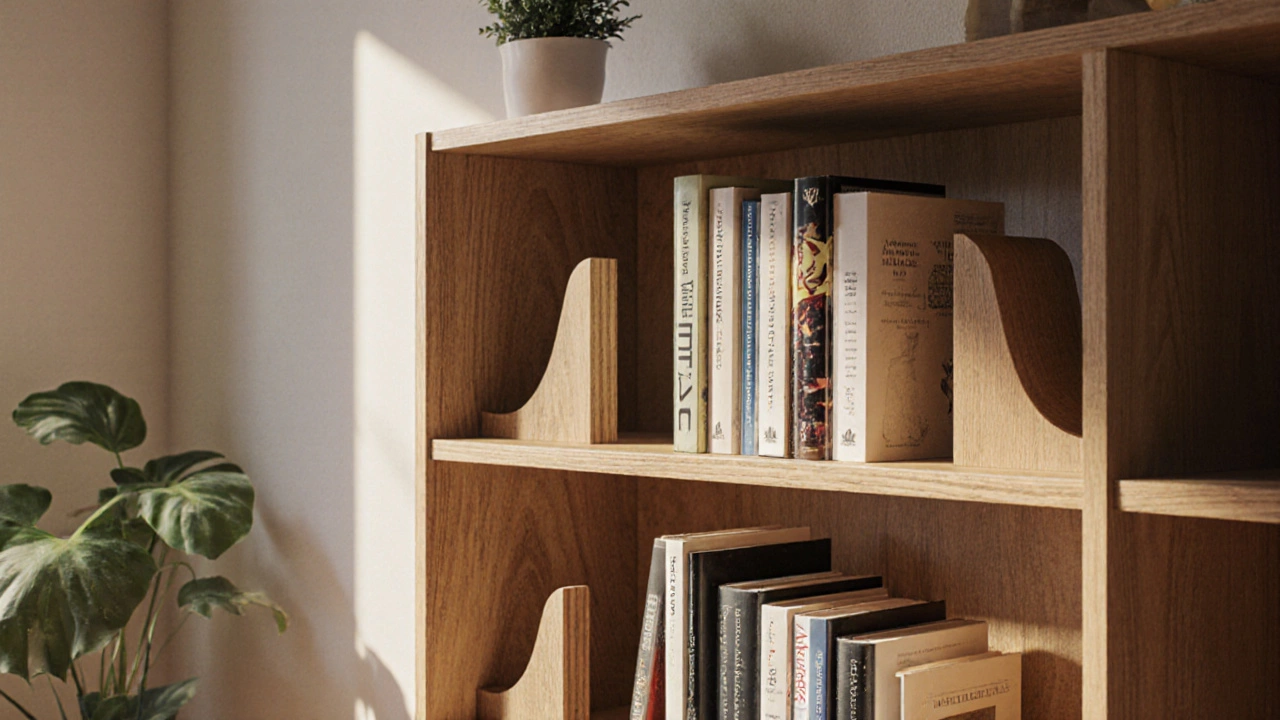
Wood is the most common shelving material, a natural, sturdy option often used in homes for its warmth and strength. Also known as wooden shelves, it’s ideal for living rooms, bedrooms, and kitchens where style matters as much as function. Solid wood holds heavy books, dishes, or tools without bending. Plywood and MDF are cheaper alternatives, but they need proper support or edge banding to avoid warping. If you’ve ever seen a sagging bookshelf, it’s usually because the wood was too thin or the wrong type for the load.
Then there’s metal shelving, a strong, industrial-grade option often used in garages, workshops, and storage units. Also known as steel shelves, it’s built for weight, not just looks. You’ll find it in warehouses, but it’s also great for storing tools, boxes, or sports gear at home. It doesn’t rot, warp, or attract pests. The downside? It can look cold unless you pair it with wood accents or paint it to match your space.
Plastic shelving is lightweight and moisture-resistant, making it perfect for bathrooms, laundry rooms, or kids’ rooms. It’s not meant for heavy loads—think toiletries, towels, or toys, not stacks of textbooks. But if you need something easy to clean, affordable, and quick to install, plastic does the job without the hassle. Many people overlook it, but it’s one of the most practical shelving material, a low-maintenance, water-resistant option for damp or high-traffic areas. Also known as plastic storage shelves, it’s a quiet hero in small homes.
What you pick depends on where you’re putting it and what you’re storing. A kitchen shelf needs to hold heavy pots and look nice. A garage shelf needs to survive dust, grease, and 50-pound bags of fertilizer. A bathroom shelf needs to handle humidity without mildew. There’s no one-size-fits-all, but knowing the strengths of each material cuts the guesswork.
You’ll find real examples of these materials in action across the posts below—from how open shelving is changing kitchen design to how people are turning dead spaces into smart storage using simple, affordable materials. Some use wood to create warm, rustic shelves. Others go with metal for industrial grit. And plenty are using plastic to solve storage problems without spending a fortune. Whether you’re fixing a wobbly shelf or building a whole new system, the right material makes all the difference.