Clutter-Free Home: Simple Ways to Reduce Clutter and Organize Your Space
When we talk about a clutter-free home, a living space designed to minimize unnecessary items and maximize calm. Also known as a minimal home, it’s not about having nothing—it’s about keeping only what you use, love, or need. Most people think clutter is just messy rooms, but it’s really anything that drains your energy: that pile of unread mail, the drawer full of mismatched cords, the corner full of things you meant to donate last year. A clutter-free home gives you breathing room—literally and mentally.
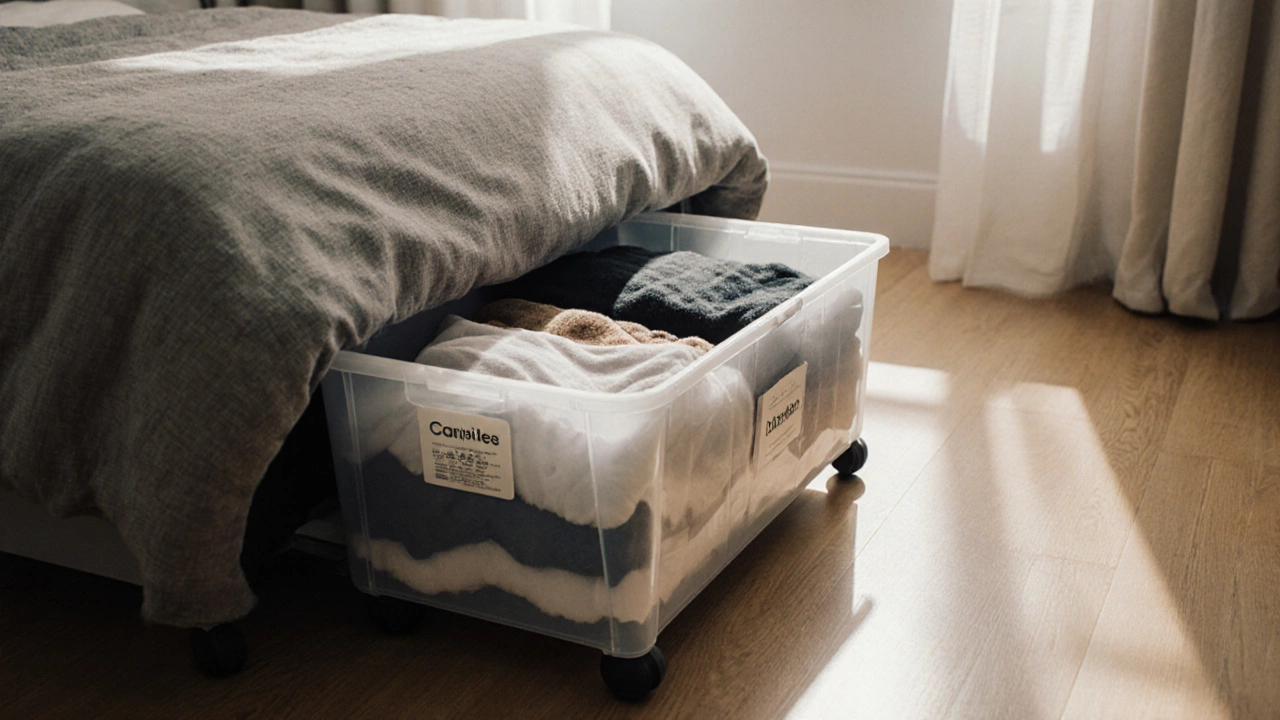
Building a clutter-free home doesn’t mean buying fancy organizers or hiring a professional. It starts with home organization, the practice of arranging belongings so they’re easy to find and use. Think about how you actually live. Do you need five mugs if you only drink coffee from one? Do you really keep all those T-shirts from ten years ago? The best systems are the ones you stick with. That’s why storage solutions like under-bed bins, wall-mounted shelves, and hidden cabinets (like those in modern kitchen designs) work so well—they hide mess without requiring extra effort.
Clutter builds up slowly. One extra thing here, a few more things there. Over time, those little additions turn into overwhelming piles. The fix isn’t a one-time deep clean—it’s daily habits. Put things back where they belong. Say no to free stuff you don’t need. Ask yourself: "Would I buy this again today?" If the answer’s no, let it go. This approach works whether you live in a tiny apartment or a big house. You don’t need more space—you need better choices.
And it’s not just about looks. A clutter-free home affects how you feel. Studies show that messy environments raise stress levels. Clear surfaces help your brain relax. You sleep better. You move easier. You spend less time looking for things and more time doing things you love. That’s why so many posts here focus on smart storage for dead spaces, how to pick a sofa that lasts, or how to make windows private without blocking light. These aren’t random tips—they’re all pieces of the same puzzle: creating a home that supports your life, not fights it.
You’ll find real, no-fluff ideas below: how to turn unused corners into storage, what makes a mirror or curtain actually useful, how to replace just the cushions on your couch instead of buying a whole new one. No extreme minimalism. No Instagram-perfect rooms. Just practical steps anyone can take, no matter their budget or space. This isn’t about perfection. It’s about progress. Start small. One drawer. One shelf. One day at a time.