Using Bedding: What It Really Means and How to Get It Right
When we talk about using bedding, the layers of fabric you sleep on, including sheets, blankets, and covers. Also known as bed linens, it’s not just about comfort—it’s about how you structure your sleep environment for rest, hygiene, and even temperature control. Most people think bedding means just a sheet and a blanket, but it’s more than that. It’s the system you build around your mattress to help you sleep better. And that system changes depending on where you live, what you’re used to, and even how you feel at night.
Take the top sheet, a flat sheet placed between you and the comforter or duvet. In the U.S., it’s standard. In Europe? Most people skip it entirely. Why? Because they use a duvet—a thick, insulated cover that traps warmth without needing a top layer. This isn’t just a style difference. It’s about climate, laundry habits, and even how much you sweat at night. If you’re always waking up tangled or too hot, your bedding setup might be the issue. And if you’re buying new sheets without knowing what each piece actually does, you’re wasting money.
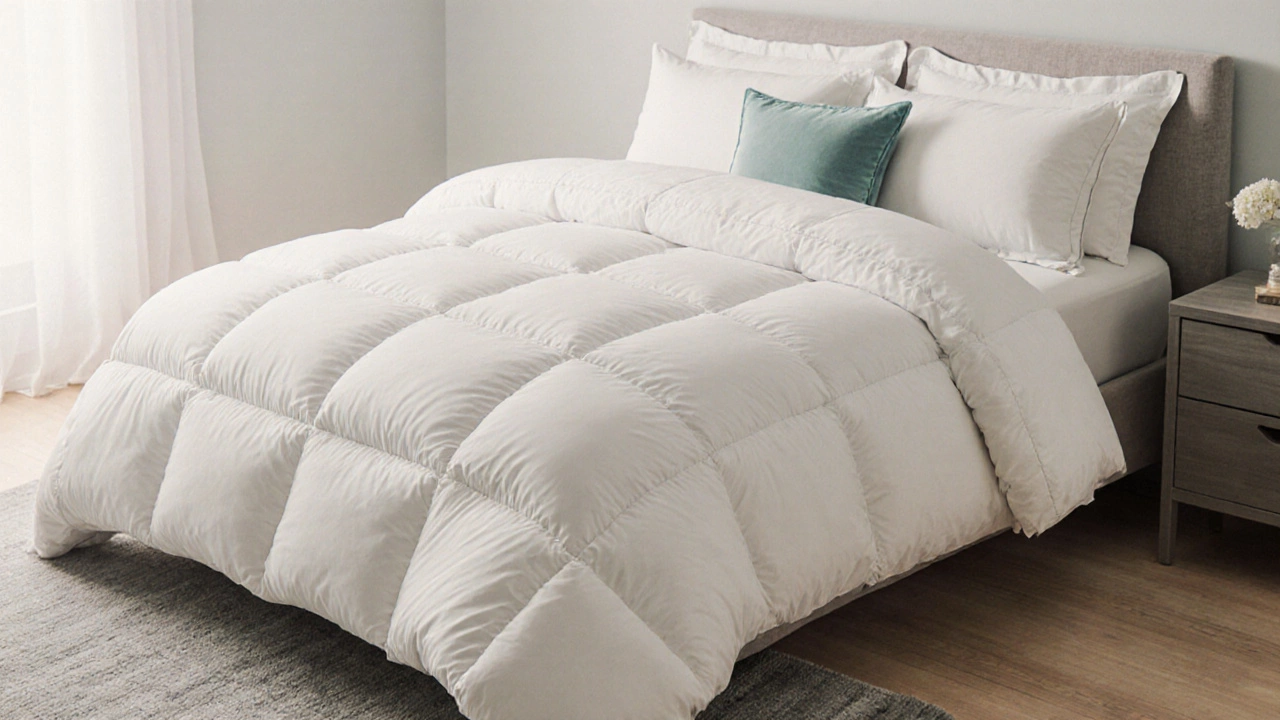
Then there’s the duvet, a quilted cover filled with down, synthetic fibers, or cotton, designed to be used with a removable cover. It’s not a blanket. It’s a system. The cover protects the fill, makes washing easier, and lets you switch styles without buying new bedding. A good duvet lets you adjust warmth by changing the cover—light cotton in summer, flannel in winter. And unlike a comforter, which is often stitched and harder to clean, a duvet lets you clean the outside without touching the inside. That’s why Europeans swear by them. It’s not tradition—it’s practicality.
Using bedding right means understanding what each layer does. A fitted sheet holds everything in place. A flat sheet adds a barrier between you and the duvet. A duvet provides warmth. A pillowcase protects your pillow. And if you live somewhere with changing seasons, you might need more than one set. You don’t need 10 sets of sheets. But having one lightweight and one heavy set can make a huge difference in how you sleep.
Some people think bedding is just about looks—white linen, perfect corners, Instagram-worthy beds. But real bedding is about what happens when you’re asleep. Do you wake up sweaty? Do your sheets cling? Do you spend 10 minutes untangling yourself every morning? If yes, your bedding isn’t working. It’s not about price. It’s about fit. Cotton breathes. Linen cools. Flannel warms. Microfiber traps heat. You need to match the material to your body and your room.
And don’t forget the pillow. It’s part of your bedding system too. A good pillow keeps your neck aligned. A bad one makes you toss all night. Your bedding isn’t complete without it. And your mattress? It’s the foundation. But even the best mattress won’t save you if your sheets are synthetic and your duvet is too thick.
What you’ll find below are real, practical guides on how to use bedding the right way—whether you’re trying to copy European habits, fix a sweaty night, replace just the duvet cover, or understand why your top sheet keeps slipping off. No fluff. No theory. Just what works, based on real sleep patterns, real homes, and real people who figured out what makes them sleep better.