How to Identify a Vintage Mirror: Quick Guide
Learn how to spot genuine vintage mirrors by checking frame craft, backstamps, glass type, patina and more. Get practical tips for verification and care.
When you see a vintage mirror, a reflective surface made between the 1920s and 1980s, often with distinctive craftsmanship and aging patterns. Also known as antique mirror, it’s not just a decoration—it’s a piece of history that adds depth and warmth to any room. But how do you tell if it’s truly vintage or just a modern copy made to look old? Many sellers label anything with a tarnished frame as vintage, but real vintage mirrors have specific traits you can spot with a quick look.
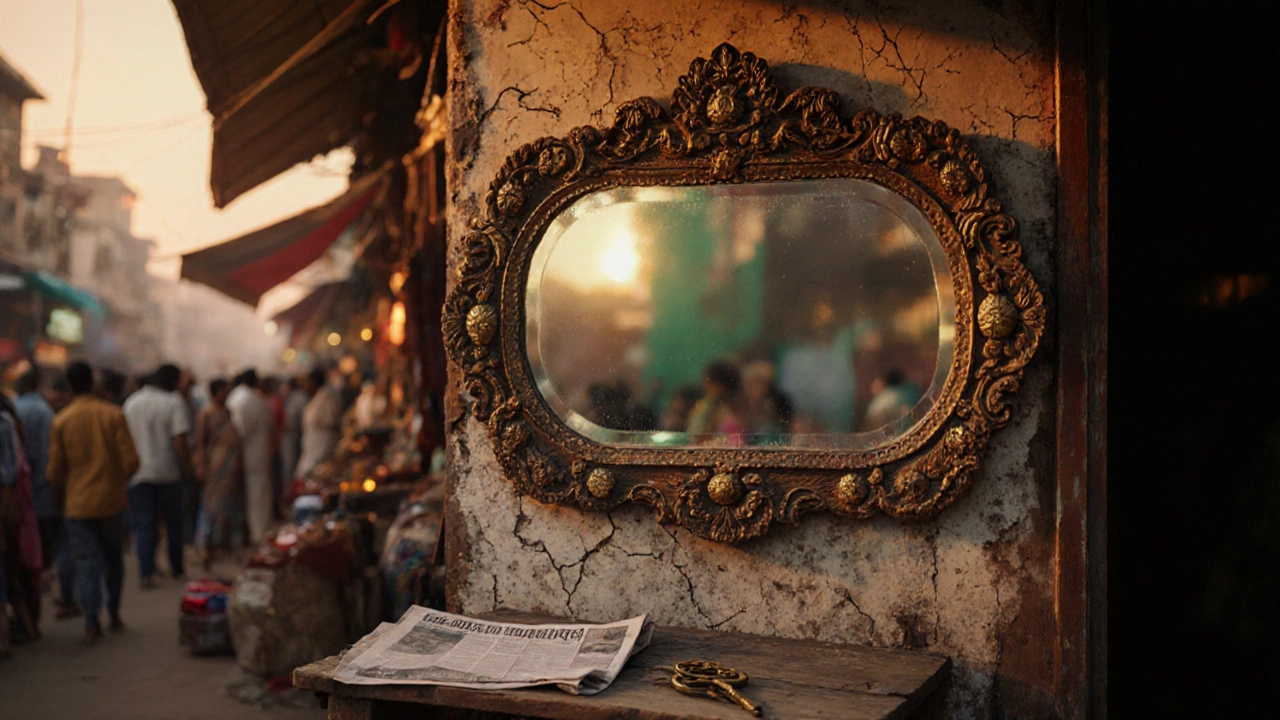
Start with the mirror frame, the outer border that holds the glass, often made of wood, metal, or plaster, and decorated with carvings, gilding, or molding. Authentic vintage frames show natural wear—not painted-over scratches or uniform distressing. Look for tool marks, uneven paint layers, or patina that’s worn in places where hands would touch, like the bottom edge. Fake frames often look too clean or have spray-on aging that looks flat and lifeless. Real ones have depth.
Next, check the glass, the reflective surface, which in vintage mirrors was often hand-blown and coated with silver, leading to subtle imperfections. Modern glass is perfectly smooth and clear. Vintage glass will have bubbles, wavy lines, or a slight greenish tint near the edges. If you see silvering flaking off in cloud-like patterns, that’s a good sign—it’s called silvering deterioration, and it happens naturally over decades. A mirror with perfectly clear, uniform reflection is likely new.
The backing matters too. Old mirrors used paper, cardboard, or even cloth backing, often glued with animal-based glue that yellows and cracks over time. Modern mirrors use plastic or synthetic backing. Flip the mirror (if you can) and look for faded paper with handwritten labels, manufacturer stamps, or even old price tags. Some vintage mirrors have maker’s marks on the back—names like "C. H. Cramer" or "R. J. Horner"—which can help date them.
Also consider the mirror style, the design language tied to its era, such as Art Deco geometric shapes, Victorian ornate carvings, or Mid-Century Minimalist lines. A 1950s mirror might have thin metal trim and clean edges. A 1920s piece could have elaborate gilded scrollwork. These styles match the furniture and decor of their time, so if the mirror looks out of place next to known period pieces, it might not be original.
You don’t need a degree in antiques to spot a real vintage mirror. Just know what to look for: the glass, the frame, the backing, and the style. Once you learn these signs, you’ll stop overpaying for fakes and start finding pieces with real character. The best vintage mirrors don’t shout—they whisper. They’ve lived in homes, reflected morning light, survived moves and changes, and still work perfectly today.
Below, you’ll find real examples and practical guides on how to spot authentic vintage mirrors, how to clean them safely, and which styles work best in modern homes. Whether you’re hunting at a flea market or browsing online, these posts will help you make smart, confident choices.
Learn how to spot genuine vintage mirrors by checking frame craft, backstamps, glass type, patina and more. Get practical tips for verification and care.