How to Tell if a Sofa Is High Quality: 7 Key Signs You Can’t Ignore
Learn the 7 key signs that separate a high-quality sofa from a cheap one-frame, cushions, fabric, stitching, warranty, and weight. Make a smart buy that lasts for years.
A high quality sofa, a durable, well-built piece of upholstered furniture designed for daily use and long-term comfort. Also known as premium sofa, it’s not just about looks—it’s about how it holds up under real life: kids jumping on it, pets scratching it, and you sinking into it after a long day. Most cheap sofas collapse within two years. The good ones? They last a decade or more. The difference isn’t magic. It’s in the frame, the springs, the foam, and the fabric.
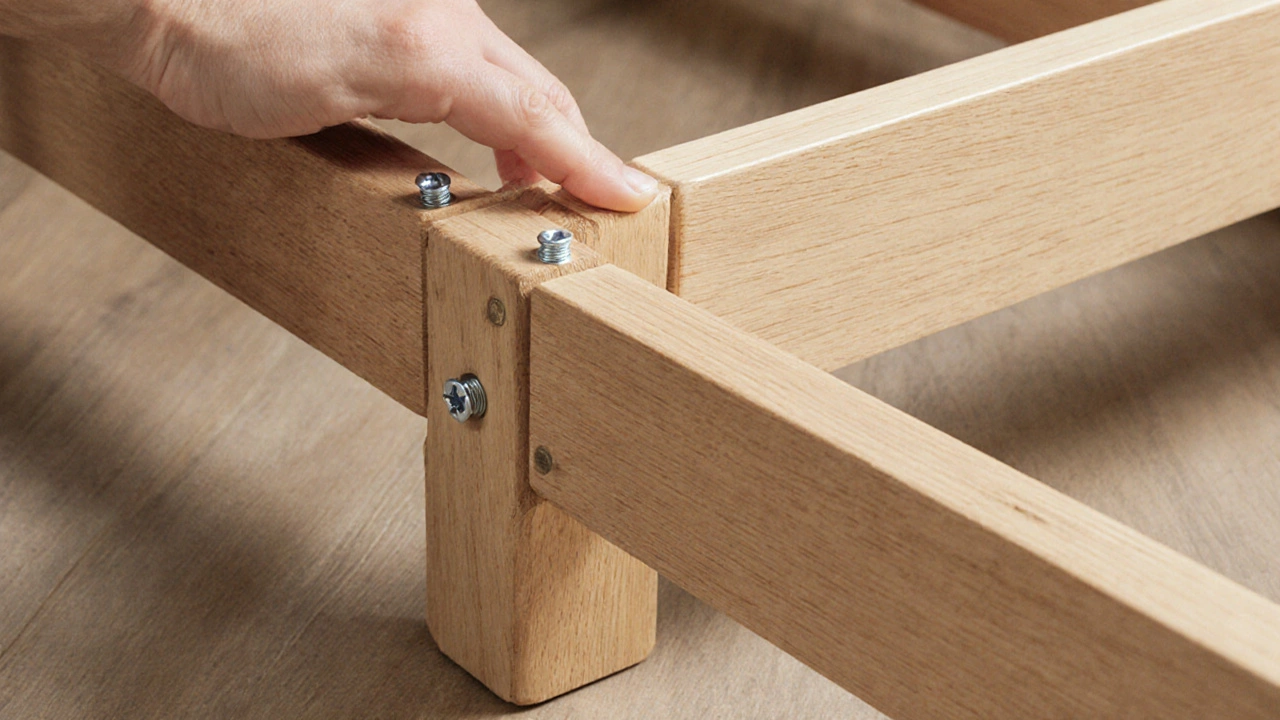
Start with the frame, the skeleton of the sofa that supports everything else. Hardwood frame is the gold standard—oak, maple, or kiln-dried birch. No particleboard. No plywood. If the frame bends or creaks when you push on it, walk away. A solid frame doesn’t just hold shape—it lets you reupholster the sofa later, saving money over time. Then there are the springs, the hidden system that gives your sofa its bounce and support. Eight-way hand-tied springs are the best. They move independently, so the cushion doesn’t sag in one spot. Cheaper sofas use sinuous springs—fine for light use, but they flatten fast under heavy daily sitting. And the foam, what you actually sit on. High-density foam (2.5 lb or higher) keeps its shape. Low-density foam turns to mush. Look for cushions that spring back quickly when you press down. If they stay flat, they’re already dying.
Don’t ignore the fabric. A high quality sofa uses tightly woven fabrics like performance linen, microfiber, or top-grain leather. These resist stains, fading, and pilling. Avoid cheap polyester blends—they look nice in the store, but they pill after a few months. Real leather develops a patina. Performance fabrics can be wiped clean. Both are worth the extra cost if you use your sofa every day.
You’ll find posts here that show you how to replace just the cushions on your old sofa, how to spot fake "premium" brands, and even how to store a sofa properly if you’re moving. These aren’t fluff pieces. They’re real fixes, real tips, and real comparisons—based on what people actually deal with in their homes. Whether you’re buying new or reviving an old one, the goal is the same: get a sofa that works for your life, not one that just looks good in a catalog.
Learn the 7 key signs that separate a high-quality sofa from a cheap one-frame, cushions, fabric, stitching, warranty, and weight. Make a smart buy that lasts for years.