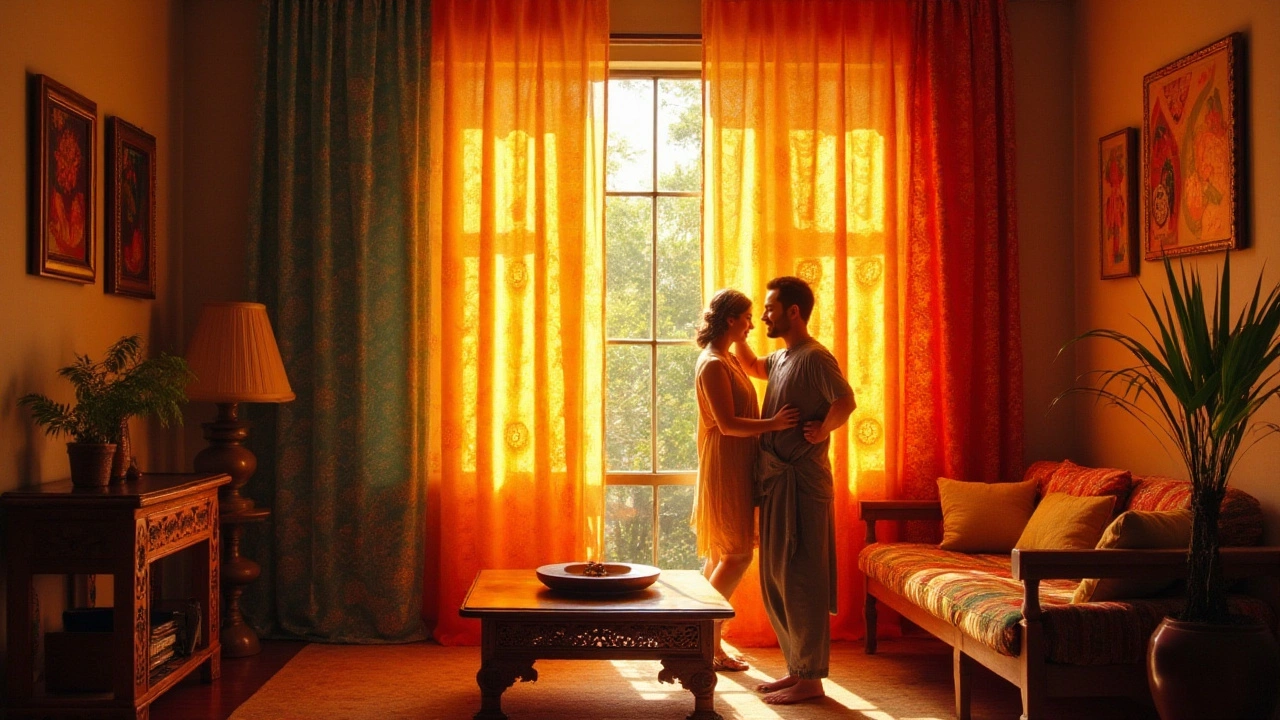
Curtain Tips: Smart Ways to Choose, Hang, and Style Window Curtains
When you think about curtains, fabric panels hung over windows to control light and privacy. Also known as window treatments, they’re one of the most overlooked yet powerful tools in home design. A good set of curtains doesn’t just cover glass—it changes how a room feels. Too thin, and your space gets too bright. Too heavy, and it feels closed off. The right ones balance light, style, and function without costing a fortune.
Curtain fabric, the material used to make window panels, from sheer cotton to blackout polyester makes the biggest difference. Sheer curtains let in soft light while keeping prying eyes out—perfect for living rooms. Blackout fabric blocks nearly all light, which is why bedrooms and home theaters use them. And don’t ignore weight: heavy fabrics like velvet drape better and look more expensive, even if they’re not. Curtain hanging, how and where you mount the rod matters just as much. Hang the rod higher than the window frame—close to the ceiling—and extend it beyond the sides. This makes windows look bigger and lets light flow in without hitting the fabric too early.
Curtain styles, the look and shape of window panels, including pinch pleat, grommet, and rod pocket aren’t just about fashion. Grommet curtains slide smoothly and look modern, ideal for busy homes. Pinch pleats give a formal, tailored look but need more space to open fully. Rod pocket is the easiest to install but can look sloppy if the fabric is too stiff. The key? Match the style to your room’s vibe. A minimalist bedroom? Go plain, floor-length, no patterns. A cozy living room? Layer a sheer under a heavier panel for depth.
People often buy curtains too short. They should touch the floor—or hover half an inch above it. Anything else looks unfinished. And don’t forget the hardware. A cheap, wobbly rod ruins even the best fabric. Stick with metal or solid wood. If you’re renting, tension rods work fine for lightweight sheers. For heavy blackout curtains, go with wall-mounted brackets that can hold the weight.
Curious about patterns? Plain curtains are easier to match and never go out of style. But if you want personality, subtle stripes or small florals work better than bold prints—they don’t fight with furniture. And if you’re worried about fading, choose fabrics labeled UV-resistant. Sunlight bleaches color fast, especially in south-facing rooms.
There’s no magic formula, but these curtain tips cut through the noise. You don’t need to spend hundreds to get great results. Focus on fabric, hang them right, and pick a style that fits your life—not just your Instagram feed. Below, you’ll find real examples from people who’ve nailed it: how to layer curtains for privacy without blocking light, why some materials last longer than others, and the simplest tricks to make any window look intentional. No fluff. Just what works.