Blackout Curtains: Block Light, Reduce Noise, and Sleep Better
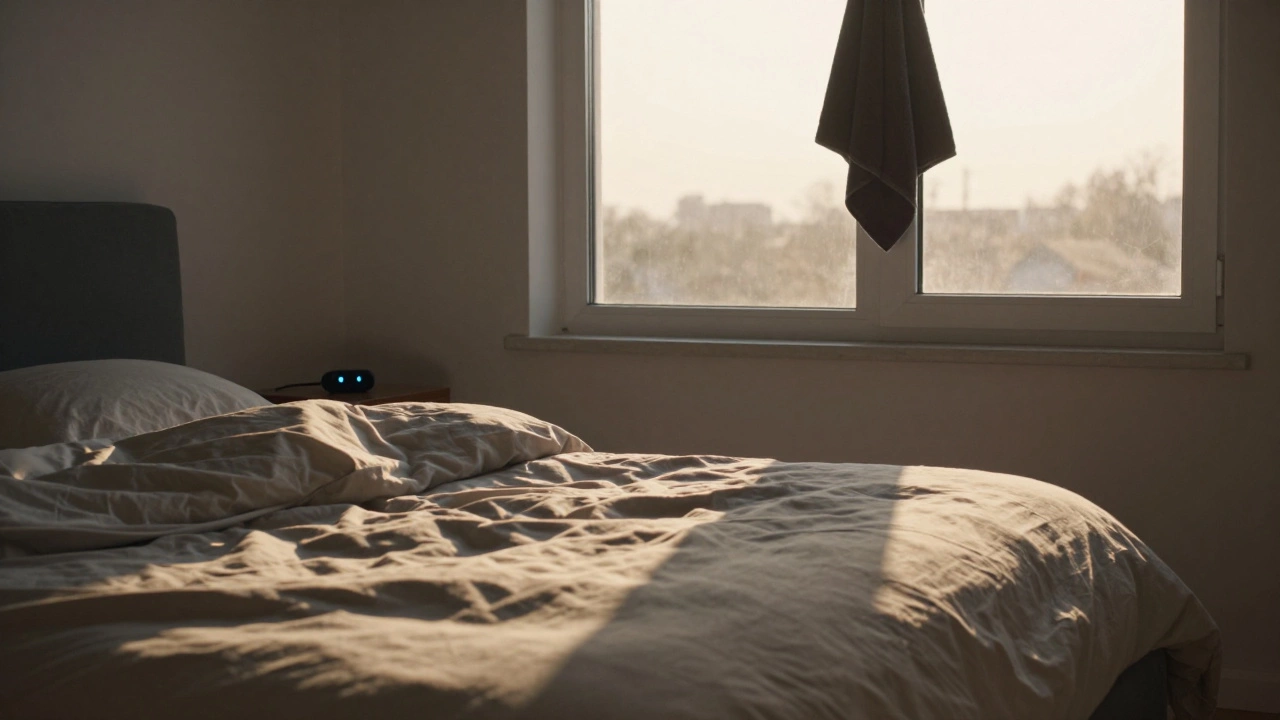
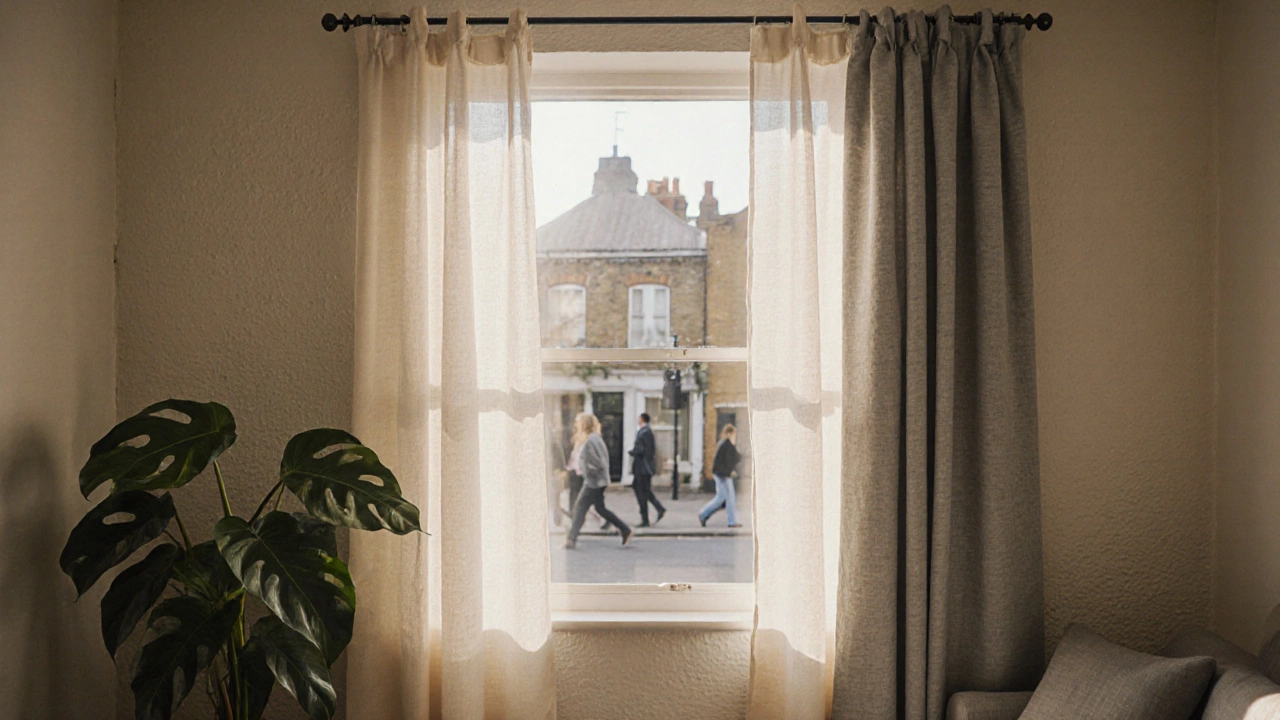
When you need real darkness to sleep well, blackout curtains, thick, tightly woven window coverings designed to block nearly all incoming light. Also known as light-blocking curtains, they’re not just for shift workers or night owls—anyone who wants better sleep, less glare on screens, or more control over their room’s atmosphere needs them. Unlike regular curtains that let in soft glow, blackout curtains are built with dense layers, often including a backing of foam or polymer that stops light from sneaking through seams or fabric. They’re the difference between tossing and turning and falling asleep the second your head hits the pillow.
These curtains don’t just block light—they also cut down on outside noise. If you live near a busy street, train tracks, or noisy neighbors, blackout curtains act like a soft sound barrier. Their thickness absorbs sound waves, making your room quieter without needing expensive window upgrades. And because they trap air between layers, they help keep heat in during winter and out during summer. That means lower energy bills and a more comfortable room year-round. Many people don’t realize that the same curtains that keep out sunlight also help with temperature control and noise reduction. It’s three benefits in one simple upgrade.
When you’re shopping, look for curtains labeled as 100% blackout, not just "light filtering" or "dimming." Check the weave—tighter is better. Look for a backing material that’s bonded to the fabric, not just glued on, because those can peel over time. And don’t forget the width: curtains should extend beyond the window frame on both sides to prevent light leaks. Some come with magnetic or Velcro seals for the sides and top, which make a huge difference. You don’t need to spend a fortune, but cheap ones often fray, fade, or let in too much light after a few months. Stick with brands that test their products for light blockage—real blackout curtains should let in less than 1% of outside light.
They’re not just for bedrooms. Home theaters, nurseries, and even home offices benefit from blackout curtains. If you watch movies during the day or need to nap between meetings, they give you control over your environment. And if you’ve ever tried to sleep with streetlights or sunrise shining through your window, you know how frustrating it is. That’s where blackout curtains change everything. Below, you’ll find real advice from people who’ve tried different styles, materials, and brands—what worked, what didn’t, and how to pick the right ones for your space.