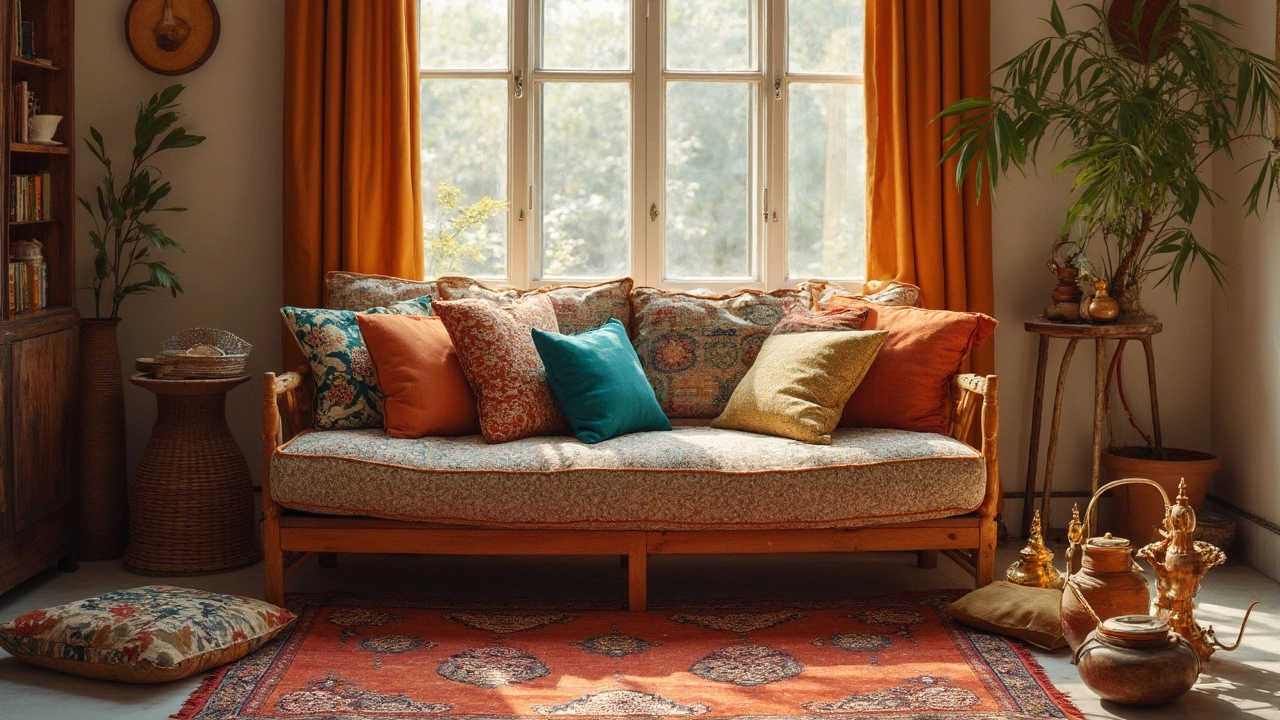
60 30 20 Rule: How to Balance Color in Your Home Design
When you’re picking colors for your home, it’s easy to go overboard—bright walls, bold sofas, and too many patterns all at once. That’s where the 60 30 20 rule, a proven design principle that divides a room’s color palette into three parts: 60% dominant, 30% secondary, and 20% accent. It’s not magic, but it works like a cheat code for rooms that feel put together, not chaotic. This rule isn’t just for decorators—it’s for anyone who wants their space to look calm, intentional, and expensive without spending a fortune.
The dominant color, the main hue that covers the largest area, like walls, large rugs, or major furniture makes up 60% of the room. Think of it as your foundation. If you’re using a warm beige on your walls, that’s your 60%. The secondary color, the supporting tone that ties in with the dominant color, often found in sofas, curtains, or side tables takes up 30%. This is where you bring in contrast—maybe a deep navy sofa against those beige walls. Then there’s the accent color, the punchy, eye-catching shade used sparingly in pillows, art, lamps, or decor, making up the final 20%. That’s your chance to add personality—think emerald green throw blankets or gold picture frames.
You don’t need to buy new furniture to use this rule. Look around your room right now. What’s covering the most space? That’s your 60%. What’s the next biggest thing? That’s your 30%. The rest? That’s your 20%. If your living room feels off, it’s probably because one of these numbers is out of balance—maybe your accent color is taking over, or your dominant color is too dull. The 60 30 20 rule fixes that. It’s why a room with neutral walls, a gray sofa, and a single red lamp looks expensive. It’s why your bedroom doesn’t feel like a rainbow exploded. And it’s why you can repaint one wall, swap two pillows, and suddenly your whole space feels new.
Look at the posts below. You’ll find real examples of this rule in action—how to use it in bathrooms with soft tones, how kitchen cabinets can follow the same logic, how even storage solutions can be colored to fit the balance. Whether you’re working with a tiny apartment or a big house, this rule doesn’t care about size—it cares about harmony. And that’s what turns a house into a home that feels just right.