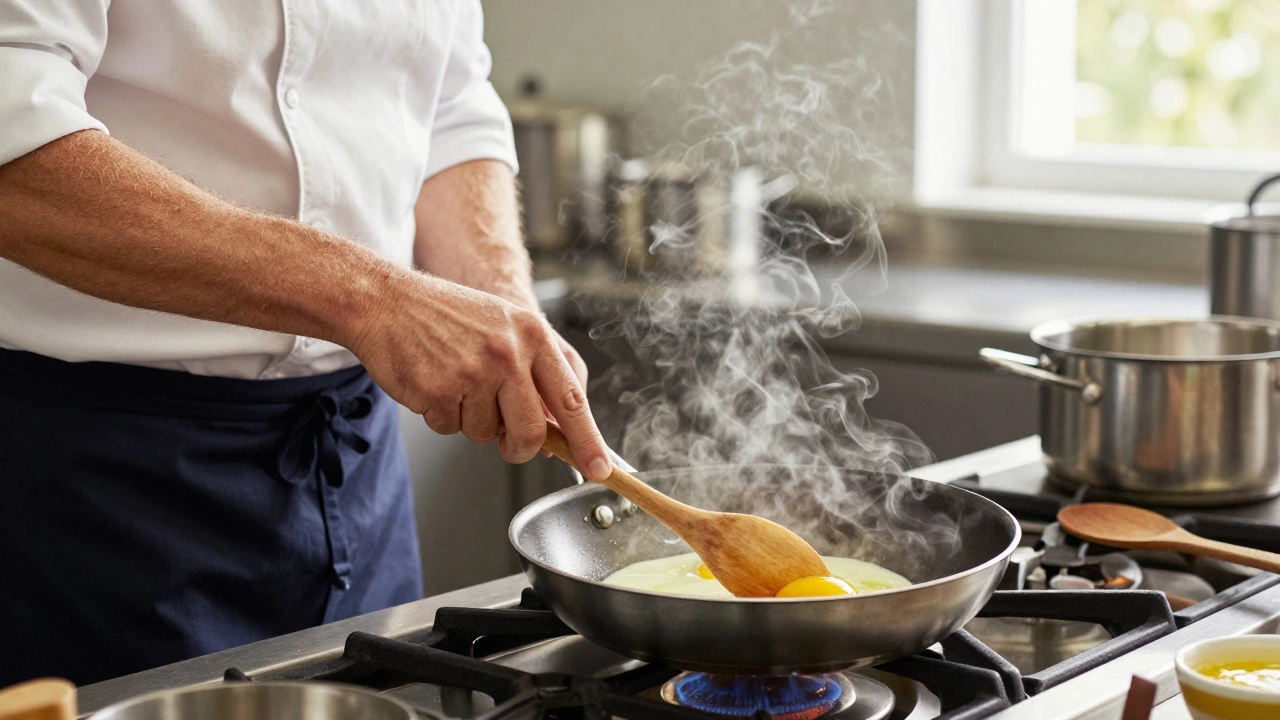
Stainless Steel Pan: Best Uses, Care Tips, and Why It’s a Kitchen Essential
When you pick up a stainless steel pan, a durable, multi-layered cooking vessel made from iron, chromium, and nickel. Also known as stainless cookware, it doesn’t chip, warp, or react with acidic foods—making it the go-to choice for home cooks who want results, not replacements. Unlike non-stick pans that wear out after a few years, a good stainless steel pan lasts decades. It’s the tool professional chefs rely on to build flavor, sear meat perfectly, and make pan sauces from the browned bits stuck to the bottom—the fond—that give dishes depth.
What makes a stainless steel pan work so well? It’s the layered construction—usually aluminum or copper sandwiched between steel layers—that spreads heat evenly. That means no hot spots, no burnt edges, just consistent cooking. You don’t need to buy the most expensive one, but avoid thin, single-ply pans—they warp and stick. Look for a heavy base, a tight-fitting lid, and handles that stay cool. And yes, you can use metal utensils on it. No need to baby it.
People often think stainless steel is hard to use because food sticks. But that’s usually because they’re not heating it right. Preheat the pan on medium for a few minutes before adding oil. Wait until the oil shimmers, then add your food. If it sticks right away, the pan isn’t hot enough. If it slides around, it’s ready. Let it sear undisturbed. Flip once. That’s it. Clean it with warm water and a soft sponge. For stuck-on bits, boil water in it for a minute, then wipe. No harsh scrubbers. No soap if you don’t want to—it’s safe without.
You’ll find stainless steel pans in almost every kitchen that values function over flash. They’re perfect for browning chicken, sautéing onions, making risotto, or even boiling pasta if you don’t have a pot handy. They’re oven-safe, dishwasher-safe (though handwashing keeps them looking better), and work on gas, electric, and induction stoves. And unlike non-stick coatings that break down over time, stainless steel gets better with use—developing a natural patina that helps food release more easily.
What you’ll find below are real guides from people who’ve used these pans daily. They’ll show you how to get that perfect sear without burning, how to clean stubborn residue without scrubbing your hands raw, and why some people swear by stainless steel over ceramic or Teflon. You’ll also see tips on choosing the right size, which brands actually deliver, and how to use one if you’re just starting out. No fluff. Just what works.